









Some stories in football are written by the players. This one belongs to the man in the middle.

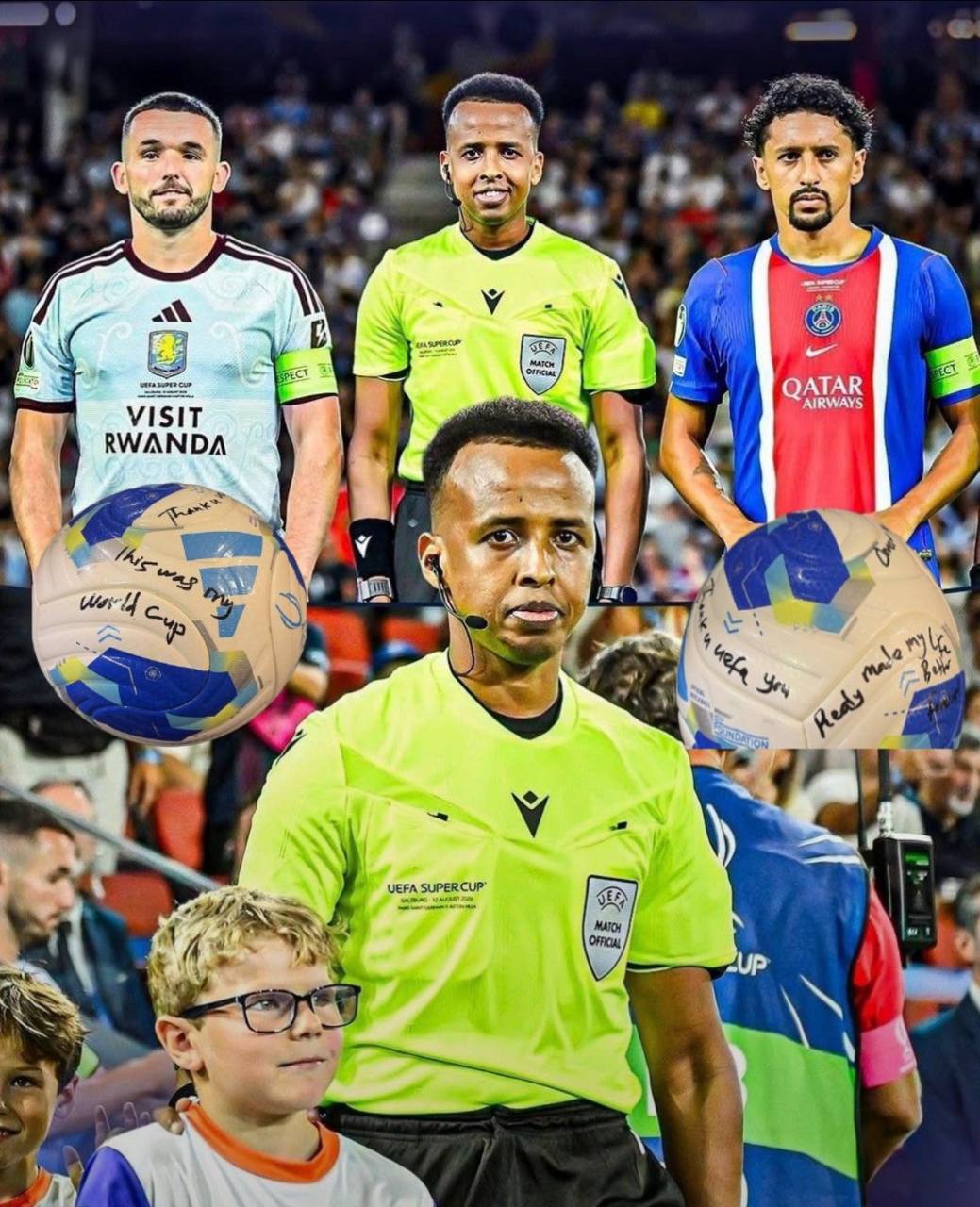
On August 12, 2026, Omar Artan walked out at Red Bull Arena in Salzburg to referee the UEFA Super Cup between Paris Saint-Germain and Aston Villa. In doing so, the 34-year-old Somali official became the first person from outside Europe ever to take charge of the fixture, and the first African referee to officiate a UEFA match. It was a landmark moment for Somali football, for African refereeing, and for anyone who has ever been told their dream was out of reach.
From Miami Heartbreak to Salzburg History
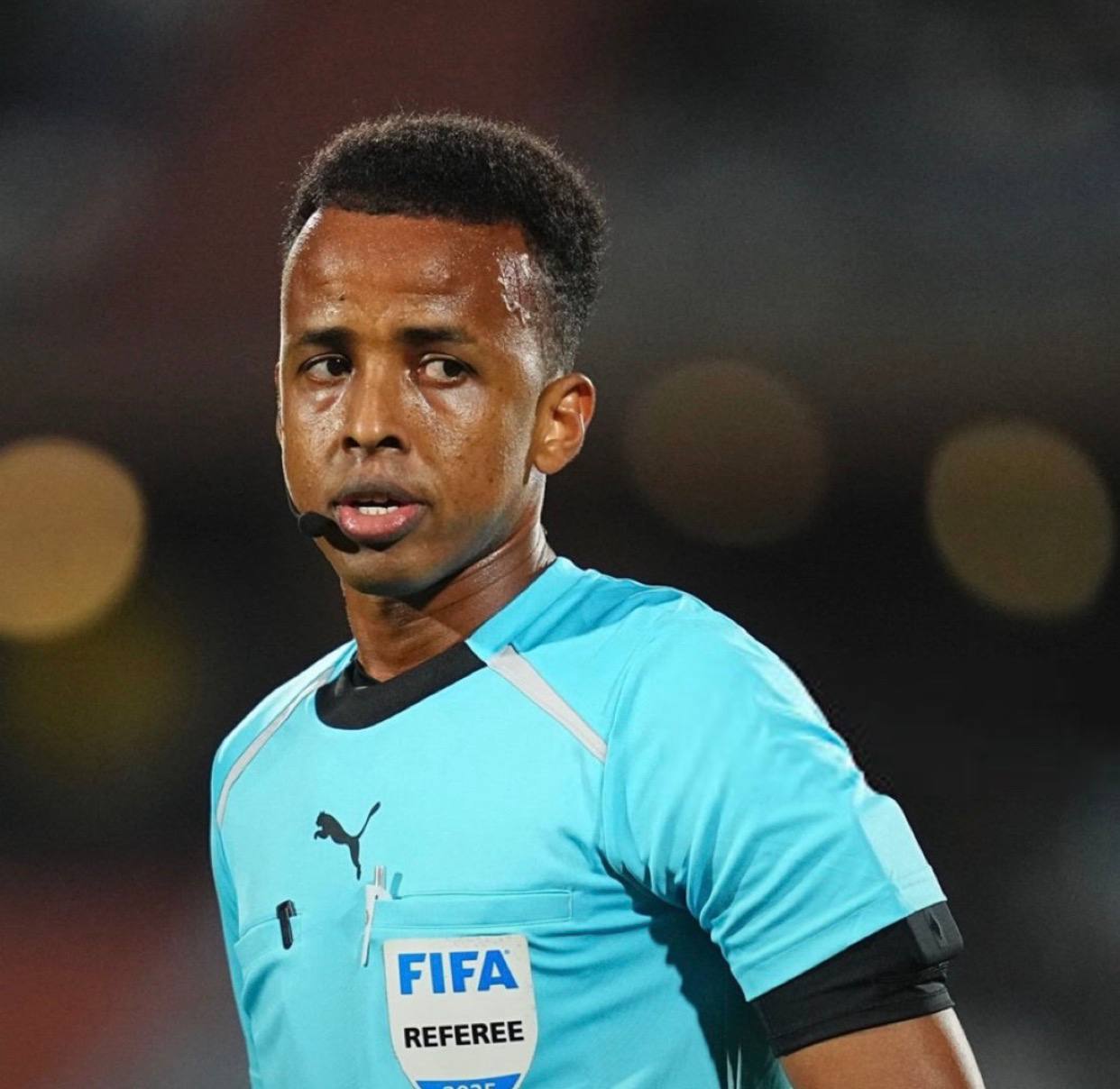
Artan’s road to Salzburg ran through one of the summer’s most talked-about controversies. He had been named among the referees for the 2026 FIFA World Cup, set to become the first Somali official to work the tournament. Instead, on what should have been the trip of a lifetime, he was held for eleven hours by US Customs and Border Protection at Miami International Airport and denied entry, despite carrying a diplomatic passport and a valid visa. A US State Department official later cited concerns about alleged links to extremist groups, allegations Artan firmly rejected. The decision sparked outrage across Somalia, where he returned home to a hero’s welcome.
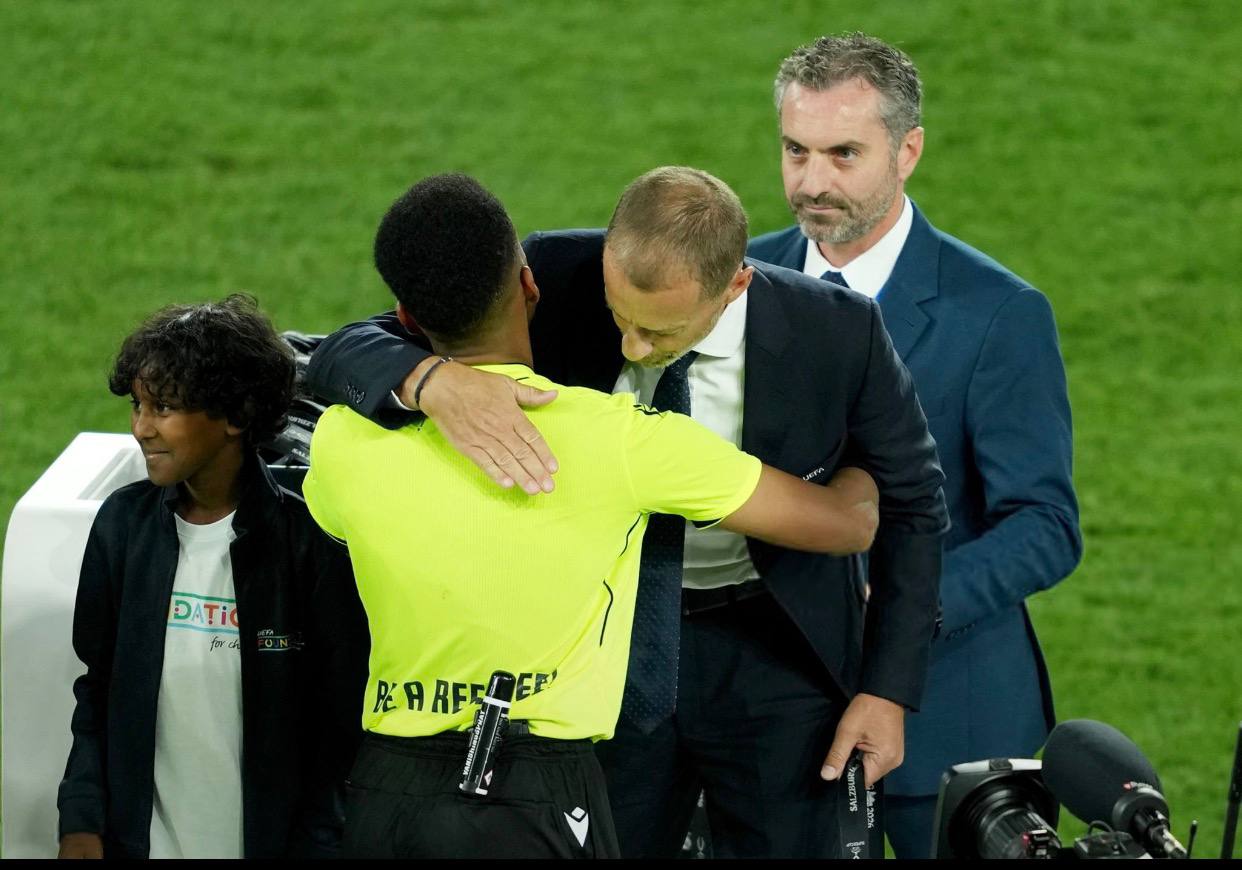
UEFA and CAF moved quickly. Building on a cooperation agreement signed by UEFA president Aleksander Čeferin and CAF president Patrice Motsepe, UEFA handed Artan the Super Cup appointment, arguably the biggest club fixture on its calendar outside the Champions League final itself.
Delivering on the Biggest Stage
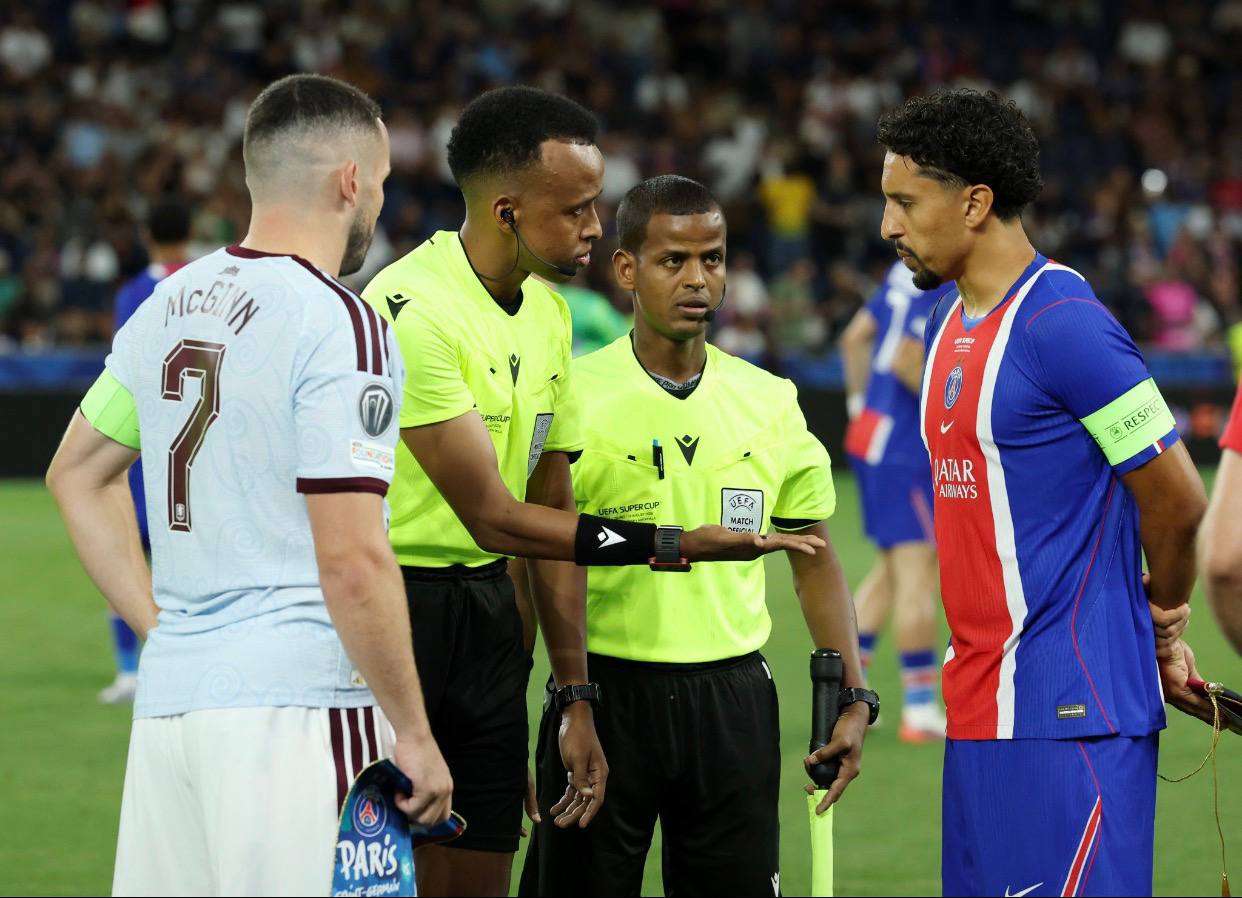
Artan didn’t just show up. He commanded the match. Khvicha Kvaratskhelia put PSG ahead early before Aston Villa’s 17-year-old Brian Madjo became the youngest scorer in Super Cup history to level things before halftime.

Désiré Doué restored PSG’s lead in the second half as the French champions held on for a 2-1 win and back-to-back Super Cup titles. Through a tense, physical second period, Artan stayed composed, and pundits and former players praised the officiating team for letting the game flow without letting the occasion overwhelm them. Legendary goalkeeper Gianluigi Buffon summed up the mood, posting that football had given Artan the stage he deserved.
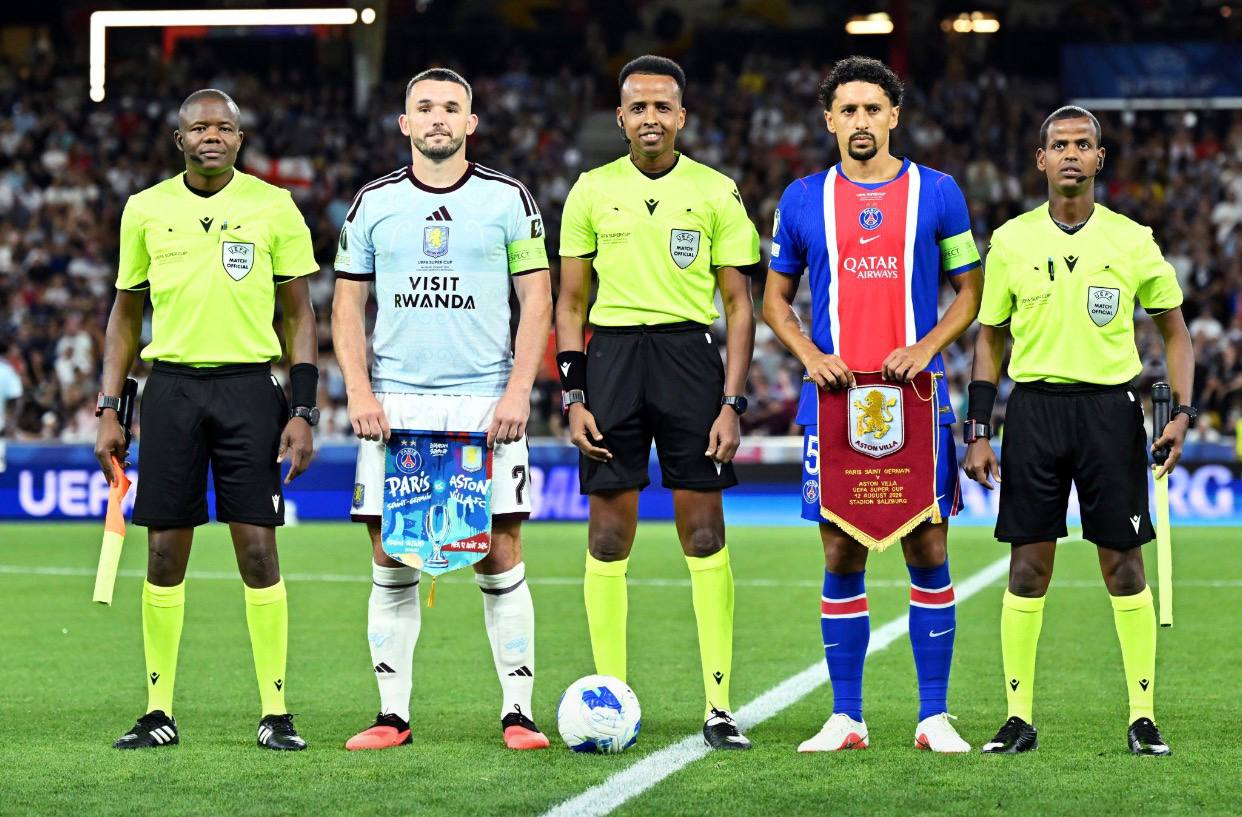
He wasn’t alone in making history. His assistants, Liban Ahmed of Djibouti and Stephen Yiembe of Kenya, extended the African presence on the officiating team, while Motsepe and Čeferin watched together from the stands as Somali flags waved among the crowd.
“This Was My World Cup”
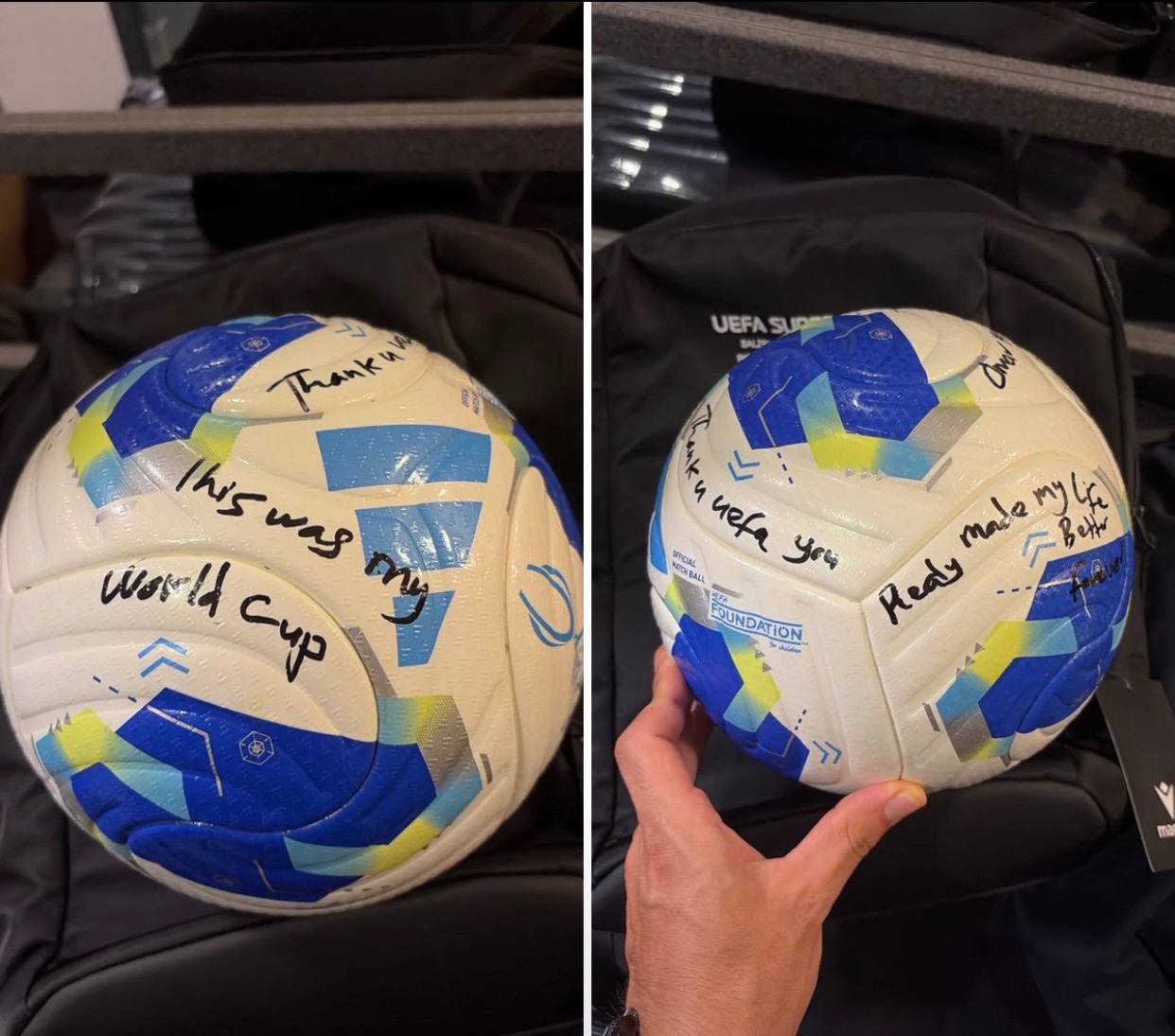
After the final whistle, Artan wrote a message on the match ball that captured everything: “It was my World Cup. Thank you, UEFA. You have truly made my life better forever.” He later thanked UEFA and CAF on Instagram for the trust and the welcome. It was a fitting bookend to a story that began on the streets of war-affected Mogadishu, where an injury ended his playing dreams and pushed him toward the whistle instead.
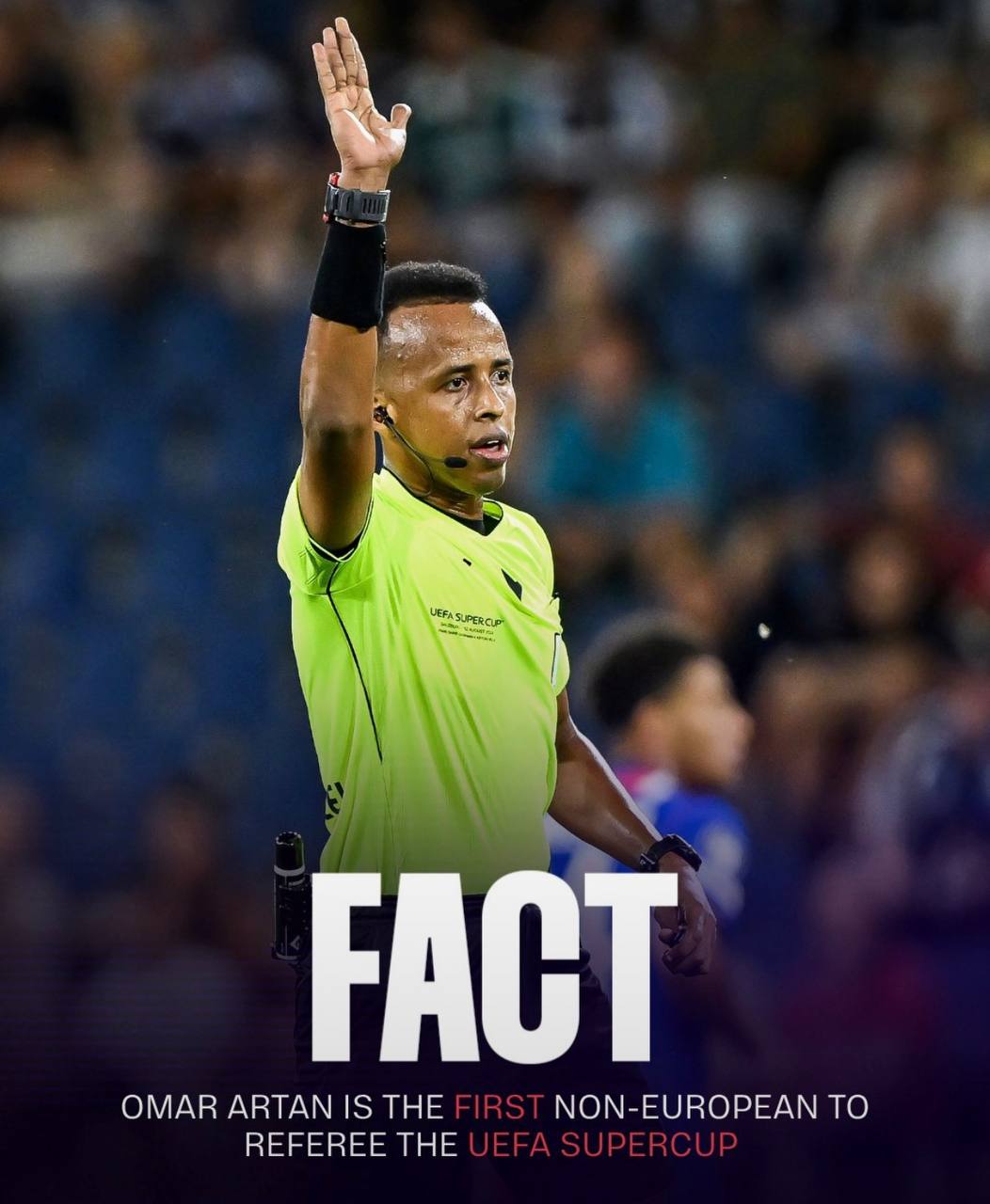
Omar Artan came into 2026 already the first Somali to referee a CAF Champions League final and the reigning CAF Men’s Referee of the Year. He leaves Salzburg as proof that the road to the top isn’t always a straight line, but talent, patience, and refusing to stop dreaming can still get you there.