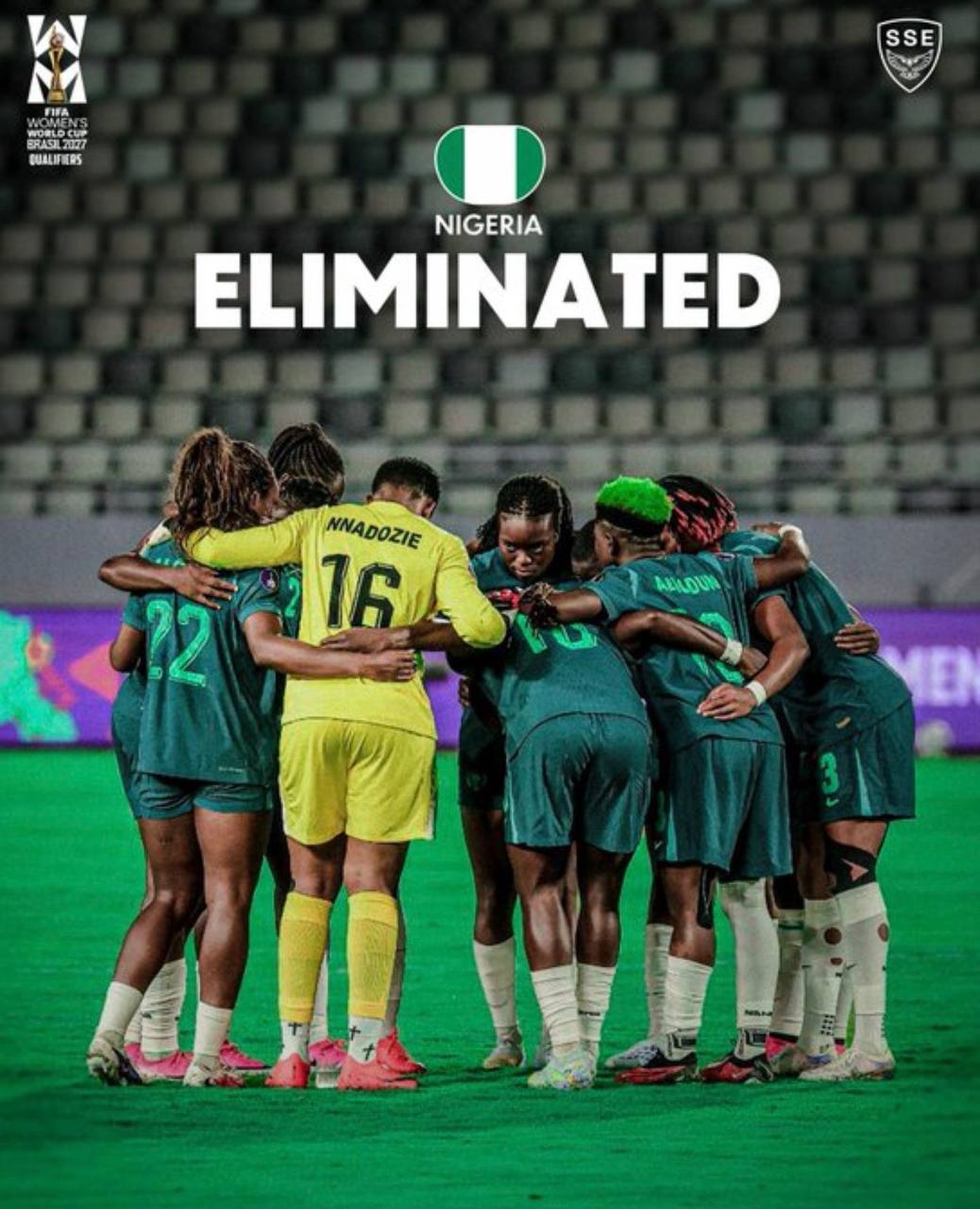









For 35 years, one certainty defined Nigerian women’s football: wherever the FIFA Women’s World Cup was played, the Super Falcons were there. On Thursday night in Casablanca, that certainty died. South Africa’s Banyana Banyana beat Nigeria 2-1 in a decisive play-off, and for the first time since the tournament began in 1991, the Super Falcons will not be going to the World Cup.

A Night That Had Everything

This was no routine elimination. Played at the Stade Moulay Rachid, the match was a genuine classic, swinging on fine margins and one dramatic late twist. South Africa broke the deadlock in the 56th minute through Thembi Kgatlana, before captain Refiloe Jane doubled the lead in the 77th to put Banyana Banyana firmly in control.
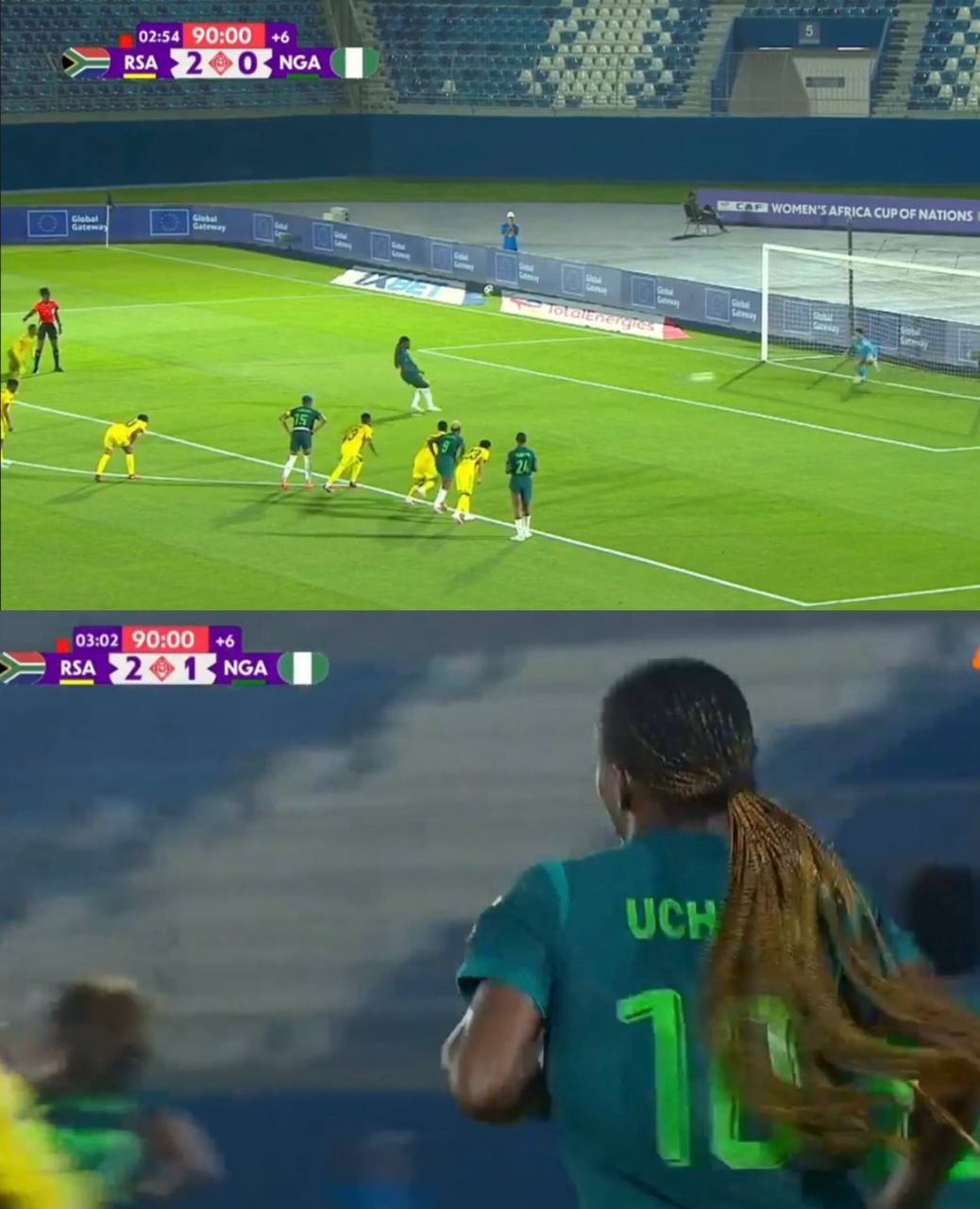
Nigeria refused to fold. In the 89th minute, a VAR review spotted Jane handling a goal-bound header from Michelle Alozie inside the box. The referee pointed to the spot and showed Jane a second yellow card, reducing South Africa to ten players in the most chaotic possible circumstances. Christy Ucheibe kept her nerve from the penalty spot to make it 2-1, and suddenly the Super Falcons had six minutes of stoppage time, a numerical advantage, and a nation holding its breath.
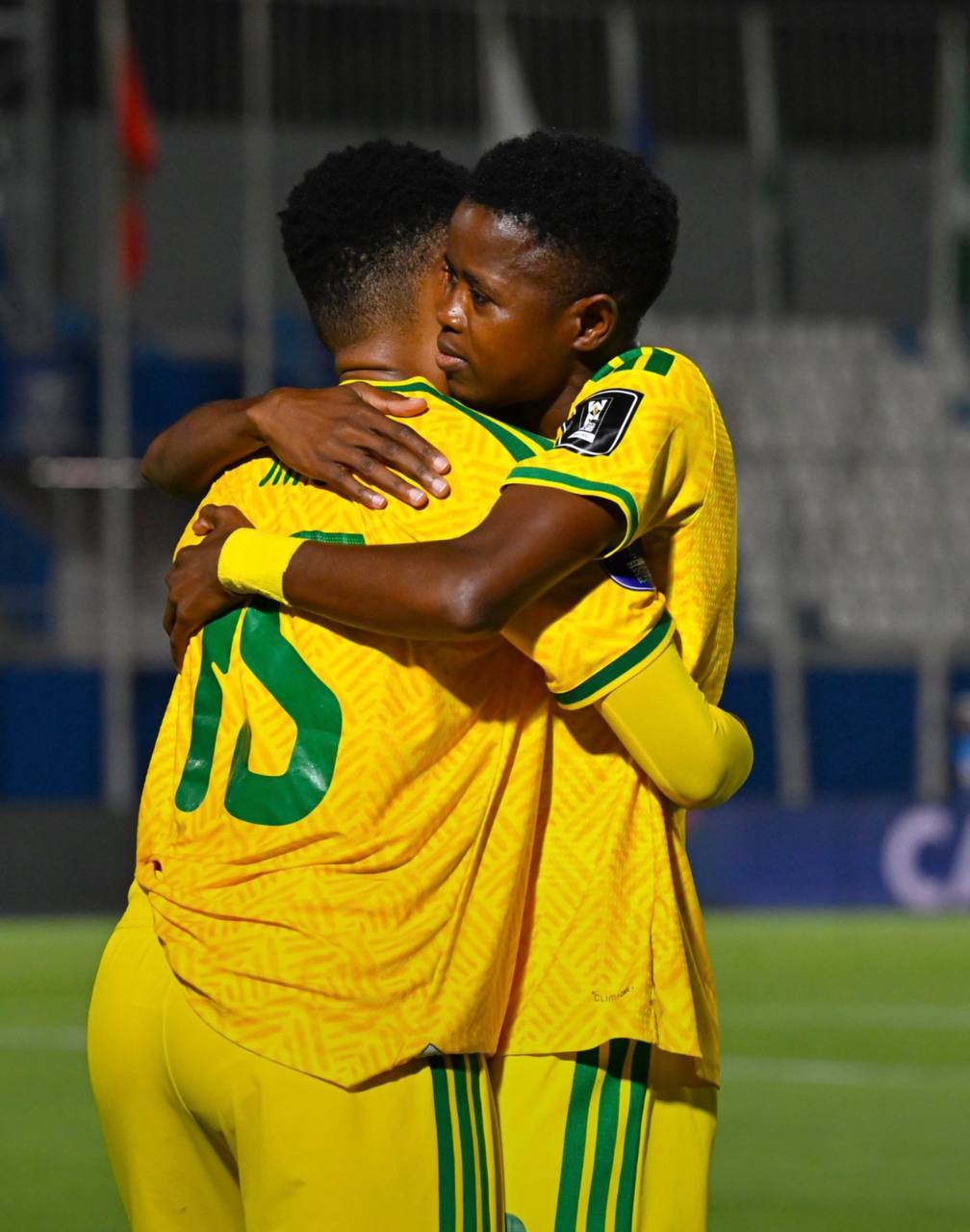
They came agonizingly close. Deep into added time, an effort off a corner kick cannoned off the crossbar. South African goalkeeper Kaylin Swart produced a string of vital saves, including one final block with her leg to deny Alozie in the dying seconds. South Africa held on, and Banyana Banyana advanced into the FIFA Inter-Confederation Play-Off Tournament, joining Ghana as Africa’s representatives in that stage of the road to Brazil 2027.
How It Came to This
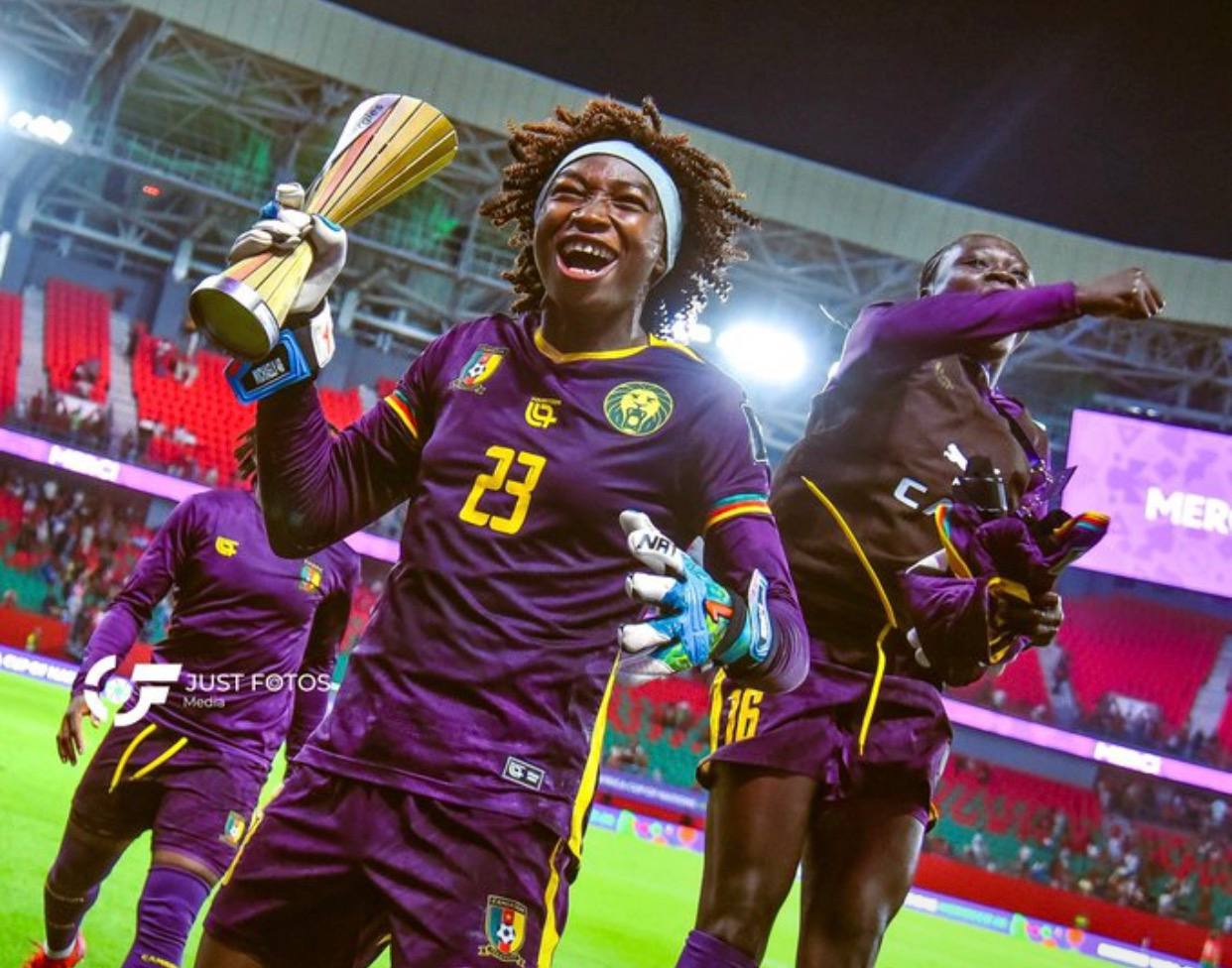
The play-off was Nigeria’s second chance after a bruising Women’s Africa Cup of Nations campaign. The Super Falcons, defending WAFCON champions and record ten-time African winners, entered the 2026 tournament as favorites but were stunned 1-0 by Cameroon in the quarter-finals, a result that cost them automatic World Cup qualification outright. Striker Uchenna Kanu later revealed the loss hit the squad so hard that some players could barely eat the next day, while head coach Justin Madugu publicly took full responsibility for the defeat.
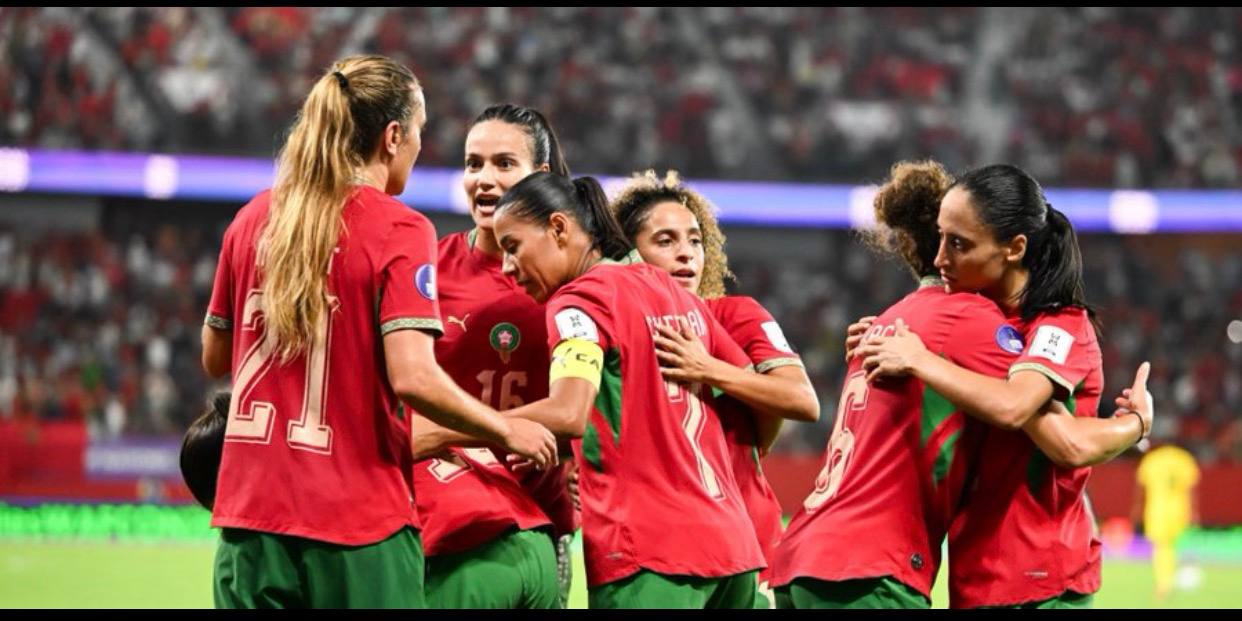
South Africa arrived in the same boat, having also been eliminated at the WAFCON quarter-final stage by tournament hosts Morocco. Thursday’s meeting was billed as a winner-takes-all shootout between two continental heavyweights desperate for redemption, and South Africa simply wanted it more when it mattered.
The End of an Era
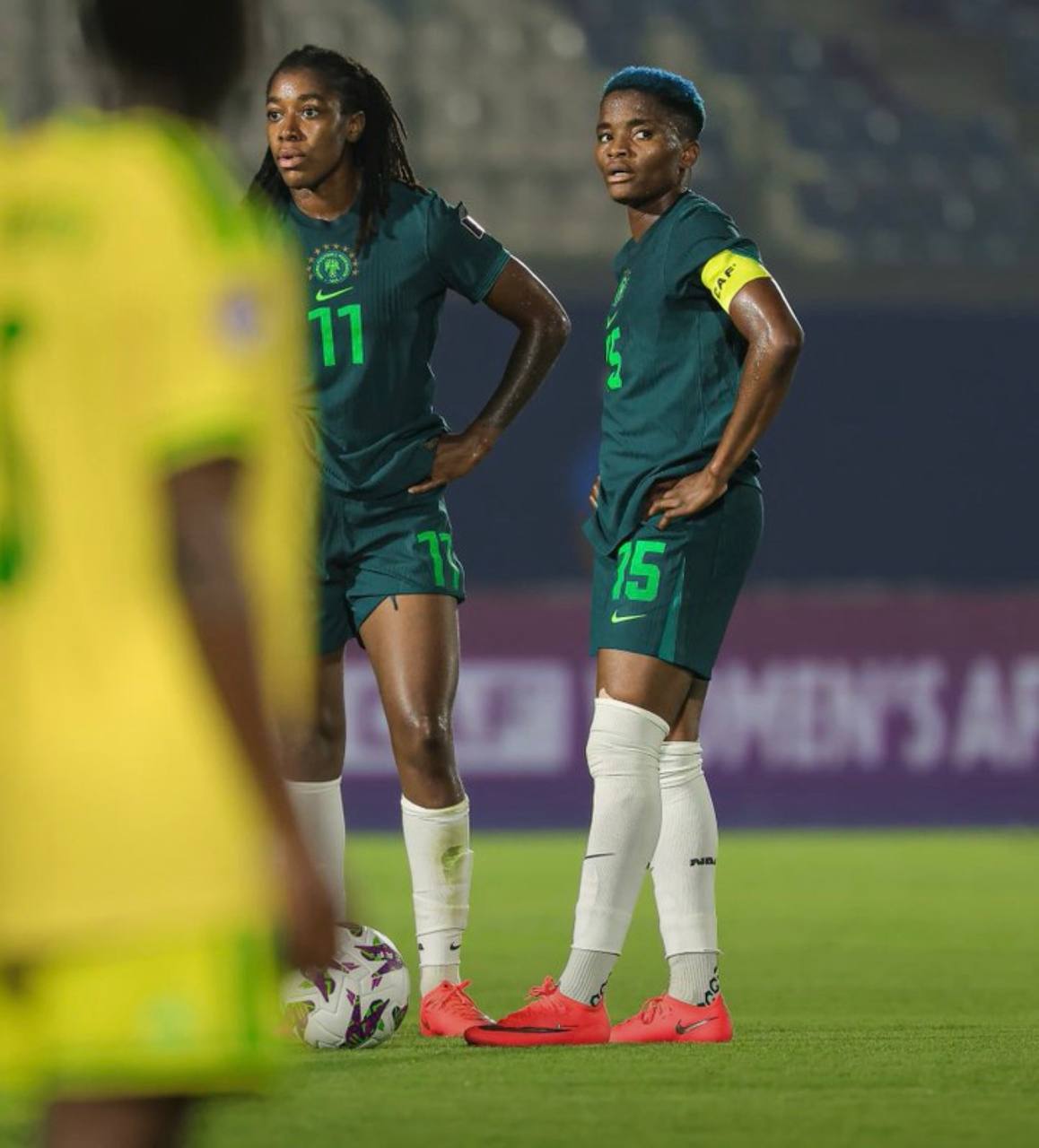
The numbers make the moment sting even harder. Nigeria had appeared at every single edition of the Women’s World Cup since the competition’s inception, one of only seven nations on the planet that could claim that record. That streak is now over. Asisat Oshoala and captain Rasheedat Ajibade had both urged the team to fight for Nigerian pride heading into the match, and the players did exactly that in the final stretch, but it wasn’t enough to complete the comeback.
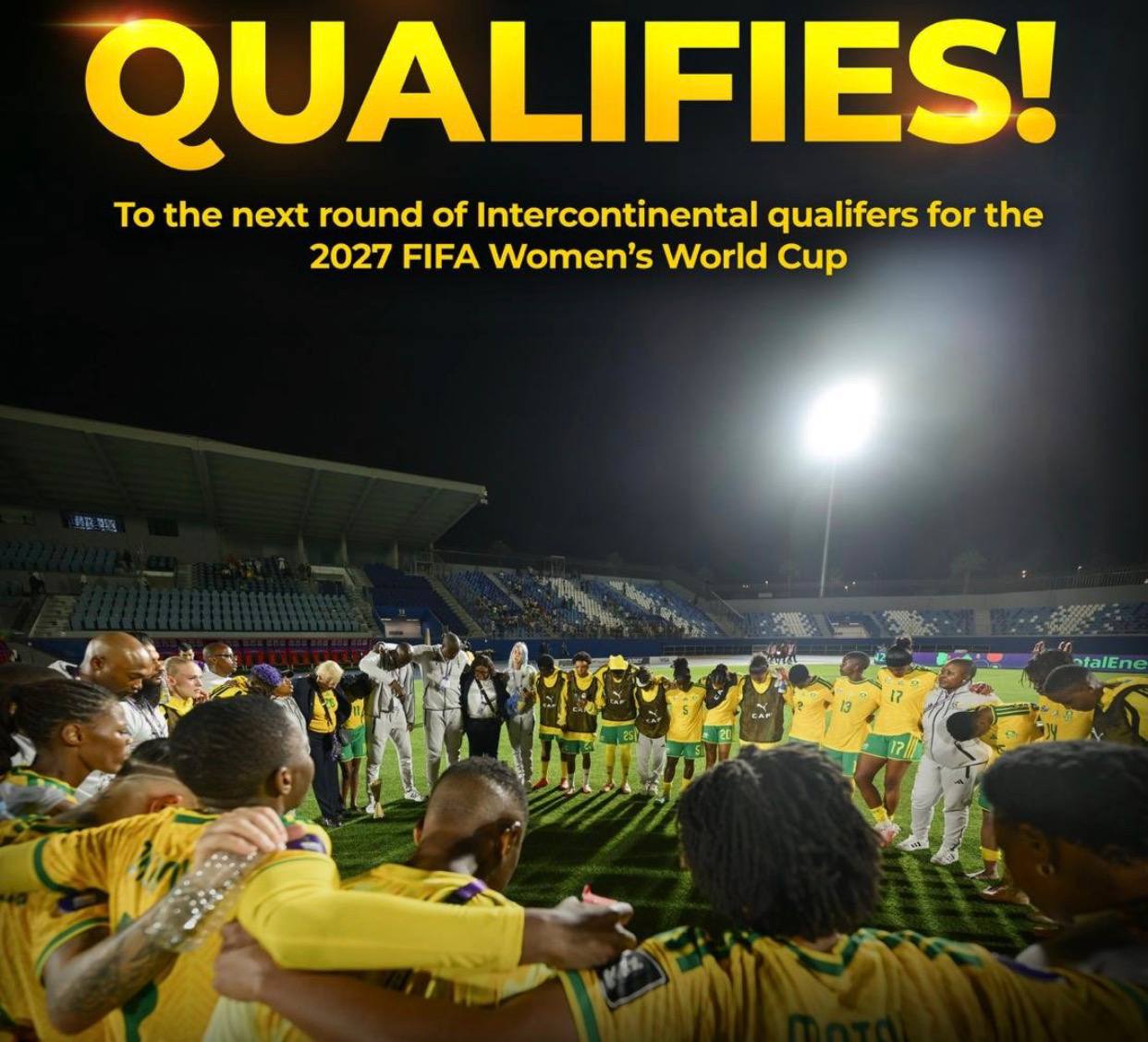
For South Africa, the win sends them into the six-team Inter-Confederation Play-Off preliminary round, chasing one of three remaining tickets to Brazil. For Nigeria, the road to 2027 has closed, and the conversation now turns to what comes next for a program that has never faced a moment quite like this one. The Super Falcons’ long, proud World Cup history has hit its first real interruption, and Nigerian football will be searching for answers in the months ahead.