


Before Lionel Messi and Lamine Yamal ever met on a football pitch, they met in a photograph — and on Sunday at MetLife Stadium, that image finally gets its ending.


The story goes back to 2007, when a UNICEF photographer staged a shot at Camp Nou pairing a 20-year-old Messi with a five-month-old baby named Lamine Yamal. The photographer would later call it “a true miracle of destiny.” Nobody could have scripted what came next: nineteen years later, that infant is Spain’s brightest attacking talent, and the two are colliding in the biggest match world football has to offer — the 2026 World Cup final.
From La Masia to Opposite Ends of the Pitch

Both men are products of Barcelona’s famed academy, both wear the number 10 with the weight of expectation attached to it, and both have spent this tournament being measured against the other’s legend. Messi, 39, is playing what may be the final World Cup match of his international career. Yamal, 19, is playing what could be the first of several. The queue of comparisons — Messi’s heir, the next Ballon d’Or, the torchbearer of Spanish football’s golden generation — has followed Yamal since his teenage breakout, and now he gets to answer it directly, across the same pitch as the man he grew up idolizing.

A first senior meeting between the pair was actually supposed to happen back in March, when Spain and Argentina were scheduled to contest the Finalissima in Qatar. That match was scrapped amid regional security concerns tied to unrest in the Middle East. Sunday’s final is, in effect, the rescheduled showdown — except now it comes with a World Cup trophy attached rather than a standalone exhibition.
The Numbers Behind the Narrative

On paper, this final pits the tournament’s best attack against its best defense. Argentina have scored more goals than any other team in the competition, while Spain have conceded just one in seven matches. Messi enters as the tournament’s outright top performer, leading the Golden Boot race and already the subject of history-book talk — a goal would make him only the sixth man ever to score in two separate World Cup finals. Yamal, by contrast, has had a quieter tournament by his own standard, with a single goal and no direct goal contribution yet in the knockout rounds, fueling the idea that Sunday is exactly the stage he has been saving himself for.
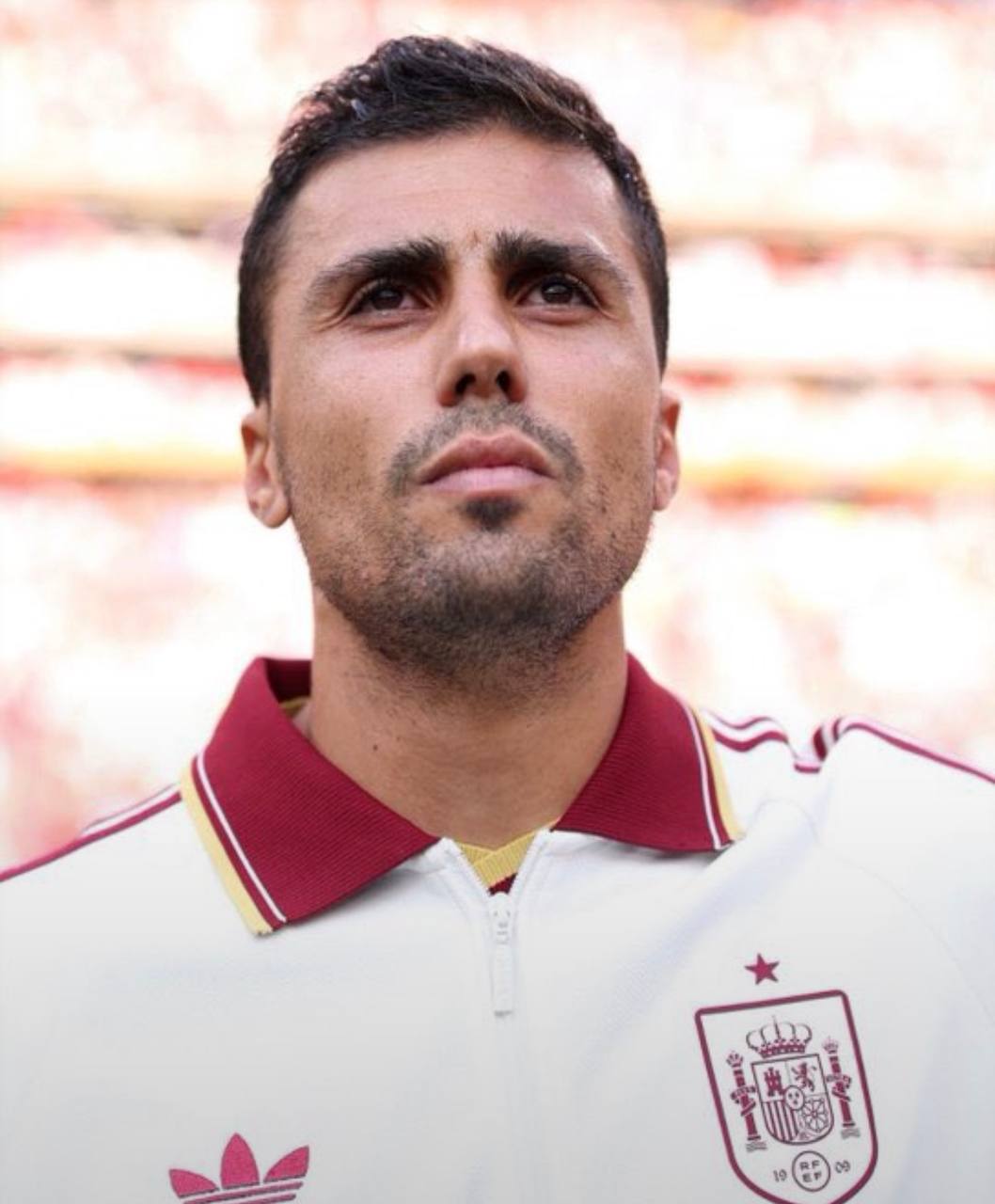
Spain’s captain Rodri put it plainly in the buildup, calling the run to the final proof that “this team and this generation were going to make a name for themselves.” Spain’s Mikel Merino, meanwhile, didn’t shy from naming the central duel directly, calling the challenge of marking Messi “a huge challenge, an incredible motivation.”
Why This Final Matters Beyond the Scoreline

Argentina are chasing back-to-back titles for the first time since Italy managed it 1934 and 1938 while Brazil also did same 1958 and 1962. Spain are chasing their second star and the chance to hold both the men’s and women’s World Cup at once. But underneath the tactical and historical stakes sits the storyline that will define how this final is remembered: one generation’s last dance, and the next generation’s first real chance to prove the photograph was prophecy all along.