




Days after Egypt’s gut-wrenching 3-2 collapse against Argentina sparked accusations of bias, favoritism, and even claims the fix was in, FIFA’s chief refereeing officer Pierluigi Collina has stepped directly into the storm. His message was blunt: the criticism has gone too far, and it’s putting real people at risk.

The Backstory, Because It’s Wild
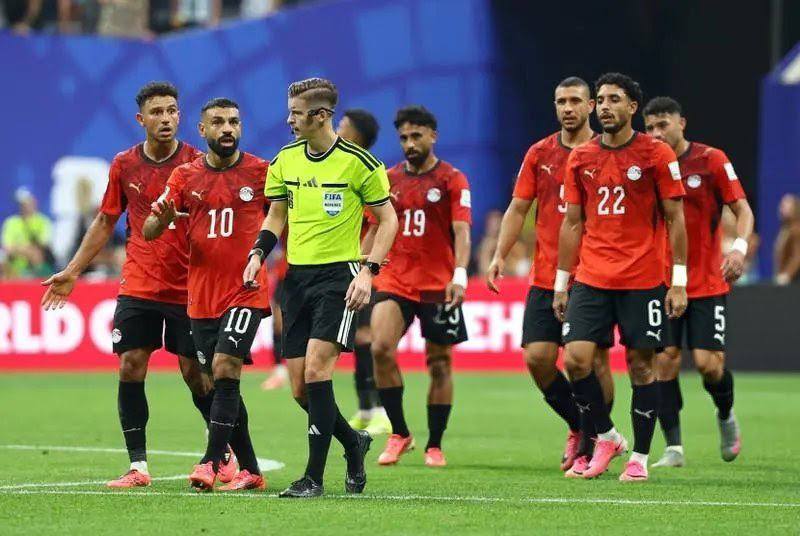
Quick recap for anyone who missed the chaos: Egypt led Argentina 2-0 with just 11 minutes to go in the round of 16, looking every bit like they’d pull off one of the great World Cup upsets. Then everything unraveled. A Mostafa Zico goal that would have doubled Egypt’s lead was ruled out after VAR flagged a foul in the buildup. Minutes later, appeals for a penalty were waved away. Argentina then scored three unanswered goals in 13 minutes, including a stoppage-time winner, to complete a stunning comeback.
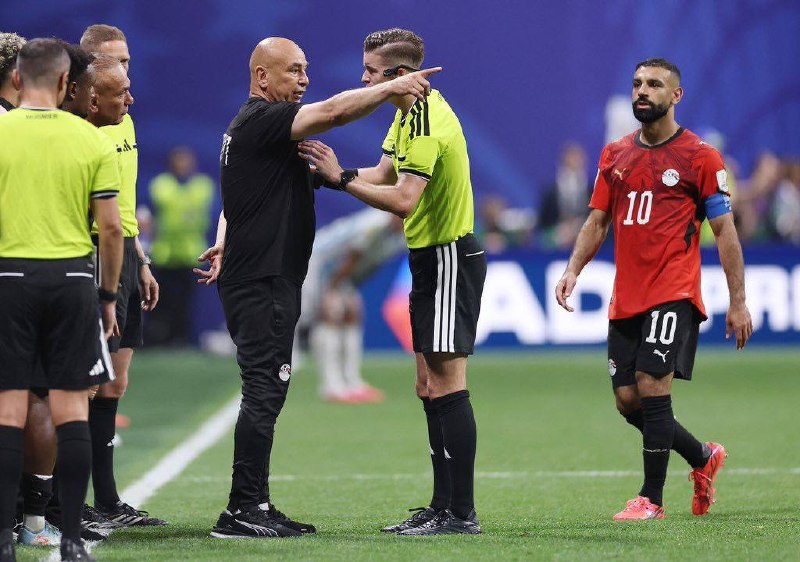
Egypt’s coach Hossam Hassan didn’t hide his fury, suggesting the officials may have felt pressure to keep Argentina — and Messi — alive in the tournament. The Egyptian Football Association followed up with a formal complaint against referee François Letexier, describing the decisions as raising “profound questions” about fairness.
Collina Steps In — And Doesn’t Mince Words
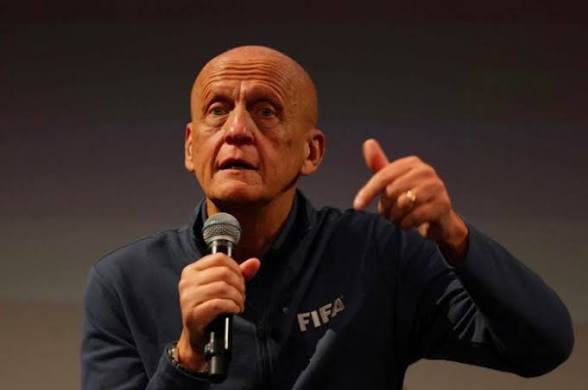
That’s when Collina, one of the most respected figures in refereeing history, decided enough was enough. Writing on FIFA’s official site, he defended the disallowed goal in detail, explaining that Egypt’s Marwan Attia had clearly stepped on Argentina’s Lisandro Martínez in the buildup — and that under the laws of the game, there’s no time limit on how far back VAR can review a play before a goal.
He also tackled the penalty controversy, ruling that the late contact between Mohamed Salah and Julián Álvarez was “normal football contact,” not a foul.
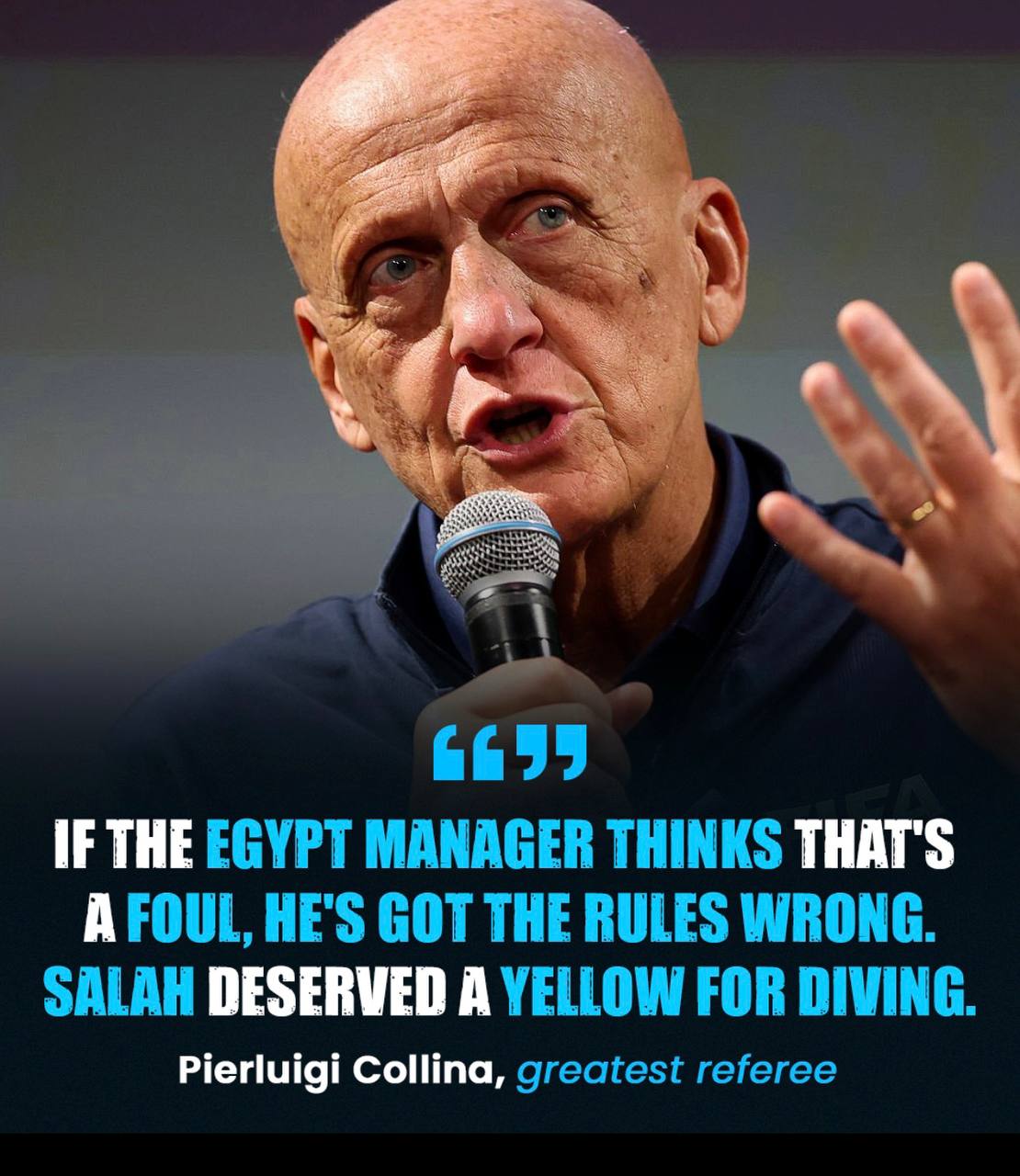
But it was Collina’s closing message that really landed. He warned that unfounded allegations against officials can spiral into something far more dangerous, saying such claims can provoke real threats against referees and their families. It’s a rare moment of a top FIFA official essentially pleading for the conversation to stay civil.
The Independence Question
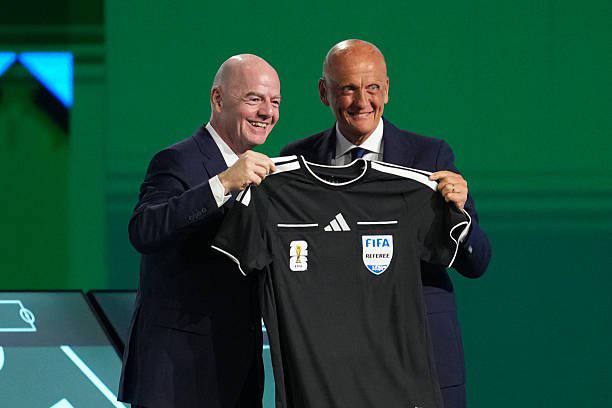
Collina also went out of his way to shut down any suggestion that FIFA president Gianni Infantino has any influence over officiating decisions, insisting the refereeing department operates independently. That claim lands amid extra scrutiny this tournament after it emerged that a phone call from U.S. President Donald Trump to Infantino preceded the surprise reversal of a red card suspension for USMNT striker Folarin Balogun — a moment that’s fueled skepticism about how “independent” World Cup officiating really is right now.
Where This Leaves Things
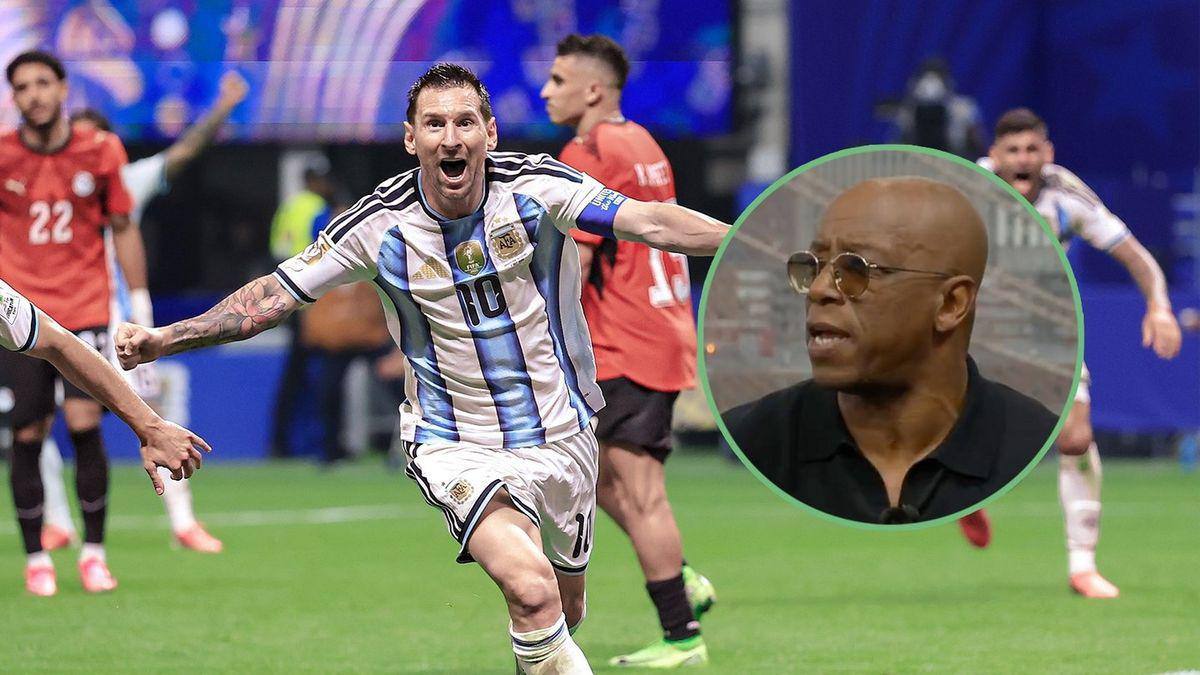
Egypt’s tournament is over, but the debate clearly isn’t. Pundits like Alan Shearer and Ian Wright have already weighed in questioning the consistency of the calls, and Collina’s statement, rather than closing the book, may have just added another chapter to one of this World Cup’s most heated storylines.
One thing’s certain: as the knockout rounds intensify, every whistle is about to be under the microscope like never before.