




Football is supposed to bring people together. This week, it did the opposite — and Kylian Mbappé refused to let it slide.


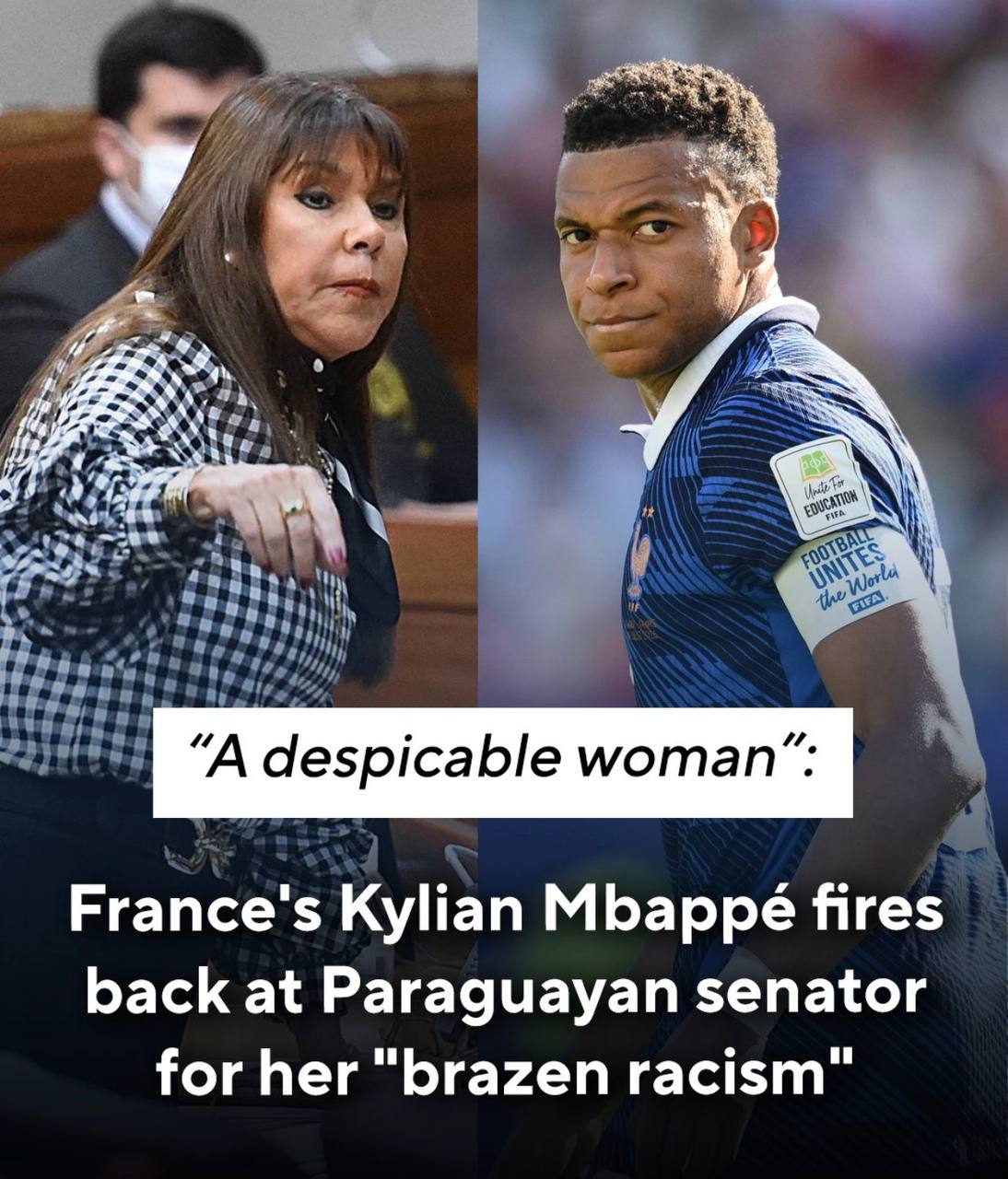
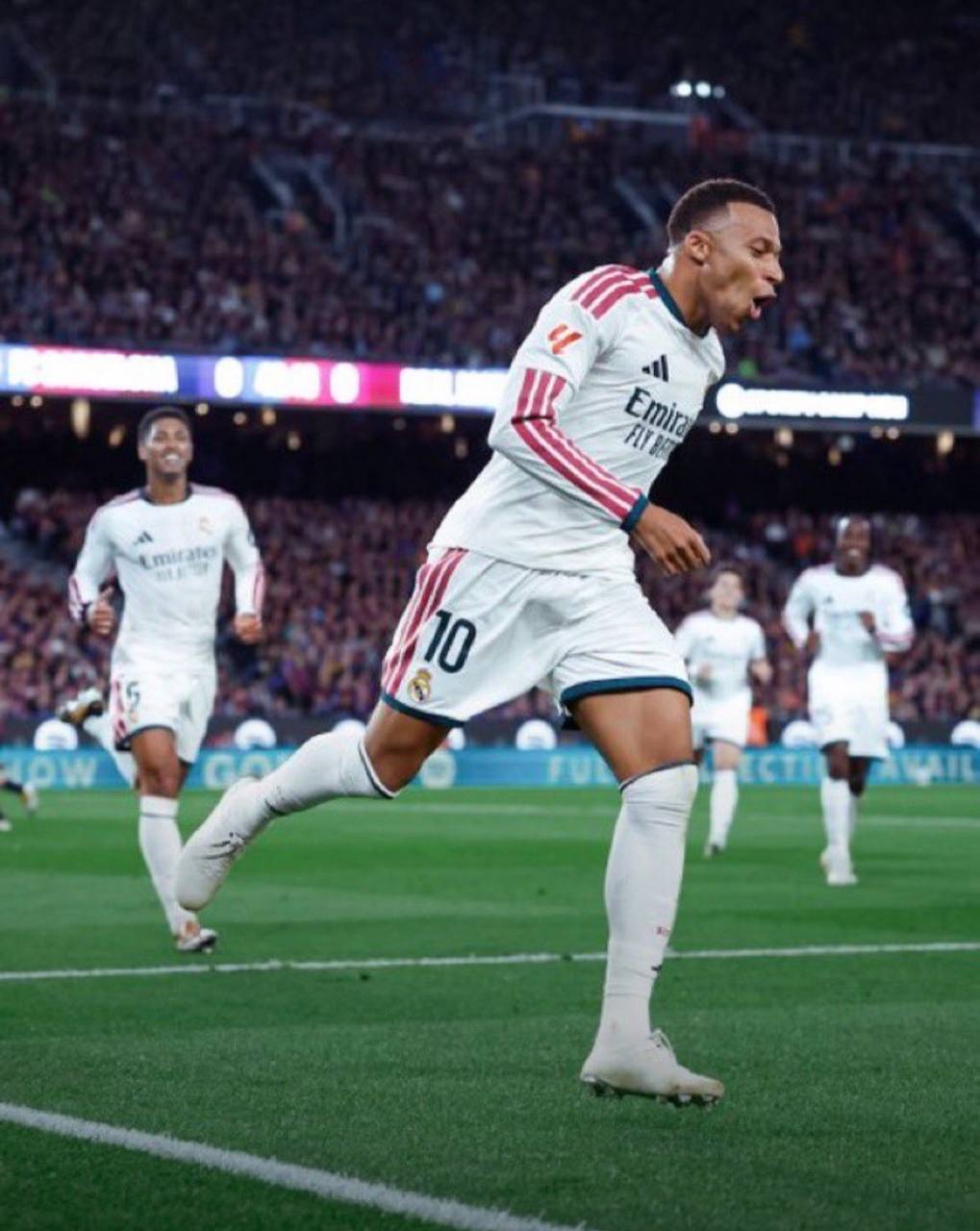
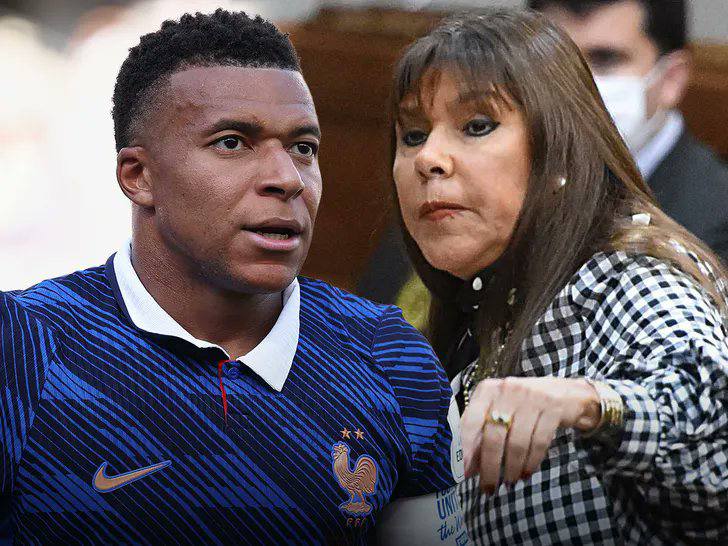
After Mbappé’s penalty sent France past Paraguay 1-0 in a tense, bruising Round of 16 clash in Philadelphia, the result should have been the headline. Instead, a sitting Paraguayan senator turned a football result into a racist scandal that’s now made international news.
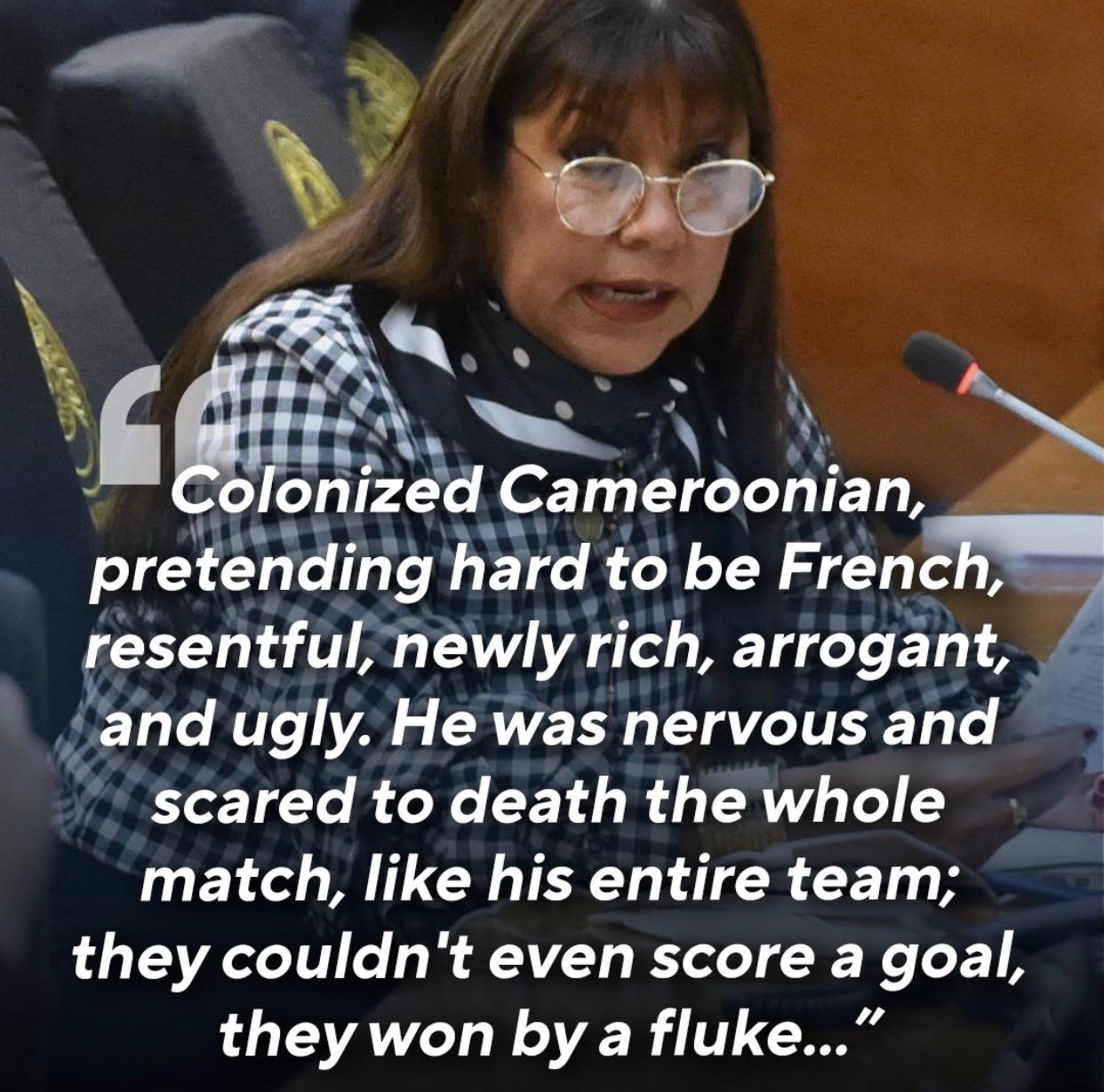
Celeste Amarilla, a lawyer and senator from Paraguay’s Authentic Radical Liberal Party, took to Instagram and then X to unleash a tirade against Mbappé following the loss. She mocked his heritage, calling him a “colonised Cameroonian” who was simply pretending to be French, before descending into explicit, dehumanizing racist language about his upbringing and intelligence — the kind of language that has no place anywhere, let alone from an elected official with a public platform.
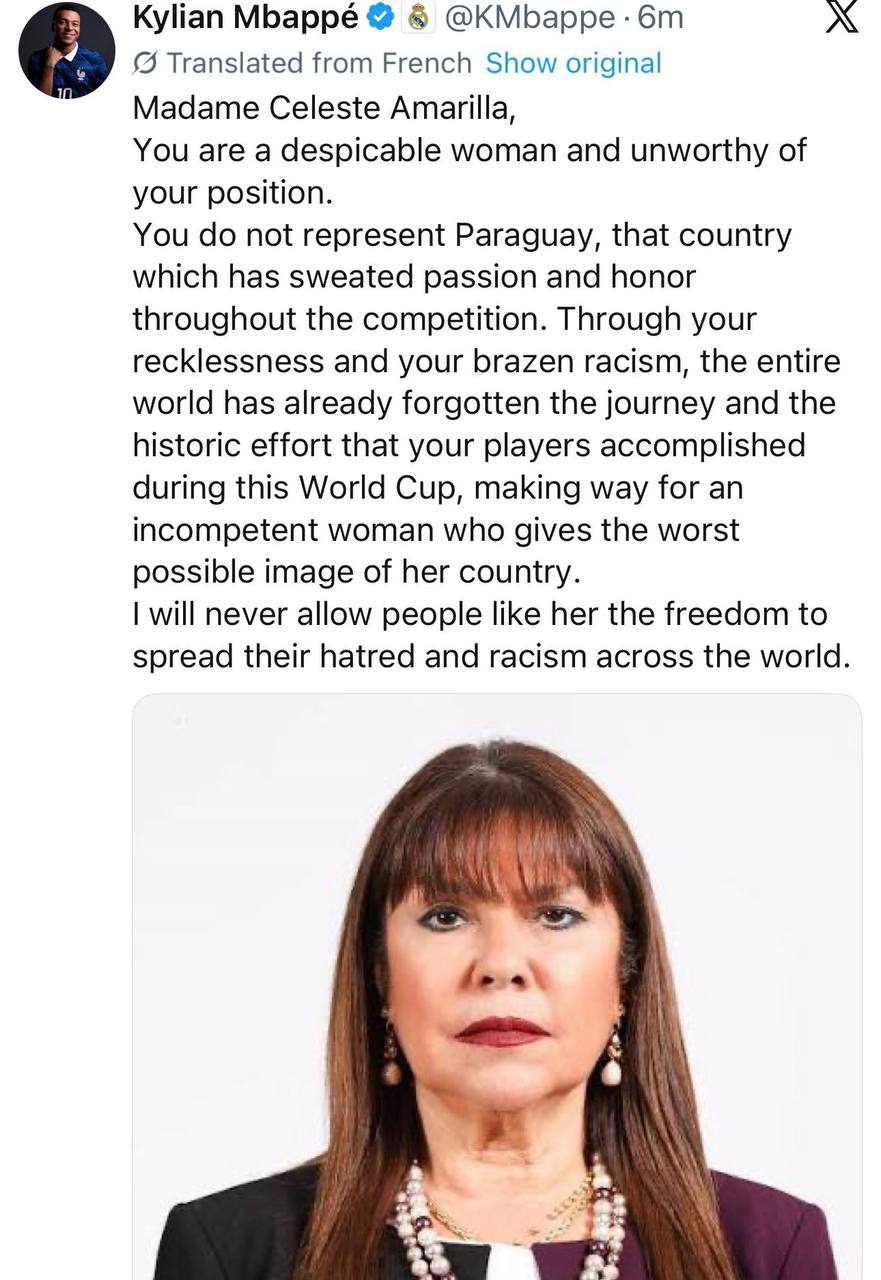
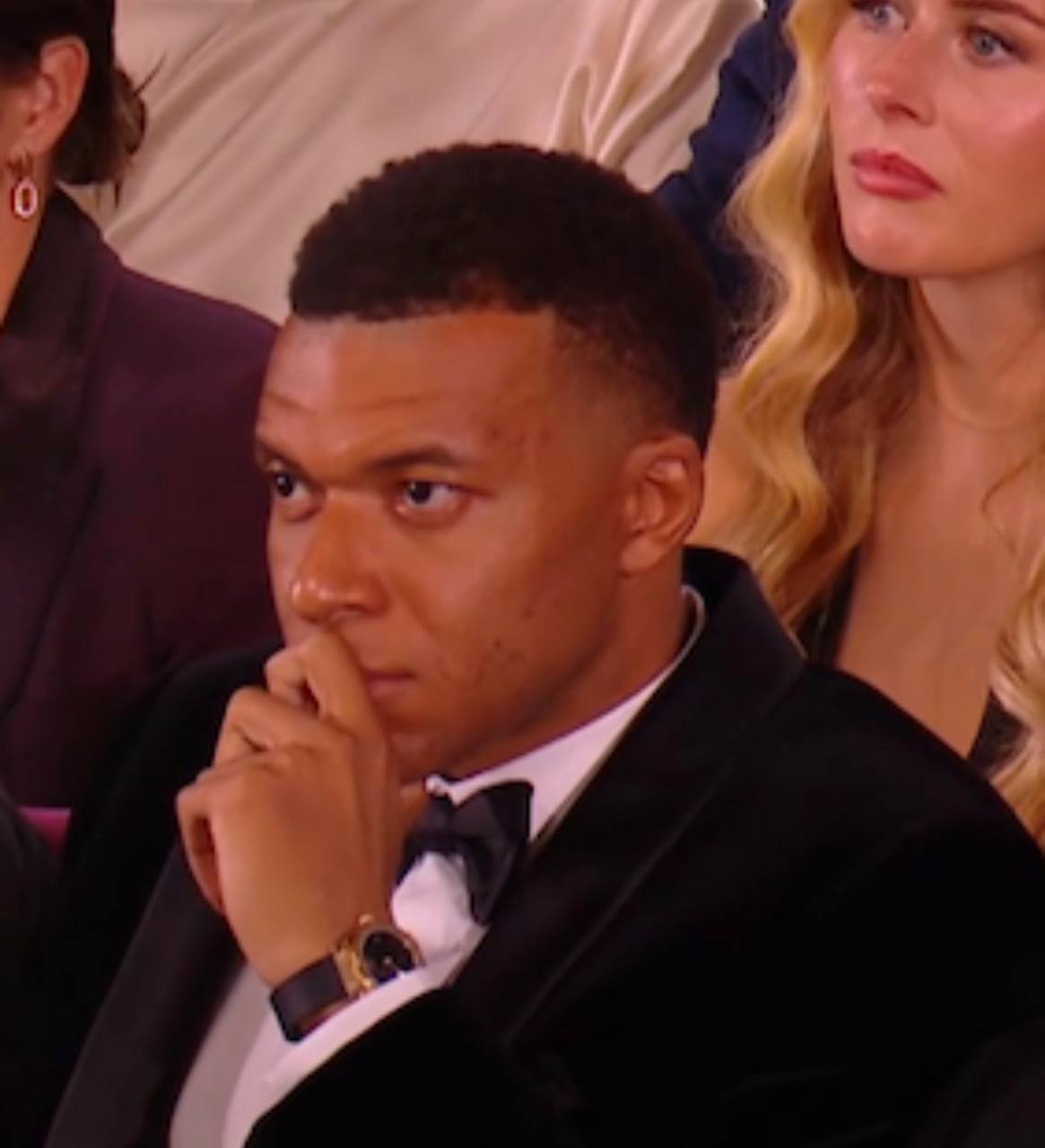
Mbappé didn’t stay silent. The France captain took to X to respond directly, calling Amarilla a “despicable woman” who was unworthy of her position. He made it clear she didn’t speak for Paraguay — a nation, he said, that had shown passion and honor throughout the tournament. He added that her recklessness and open racism had overshadowed the genuinely historic run her own team’s players had produced at this World Cup, letting one senator’s ugliness define the story instead of their achievement on the pitch.
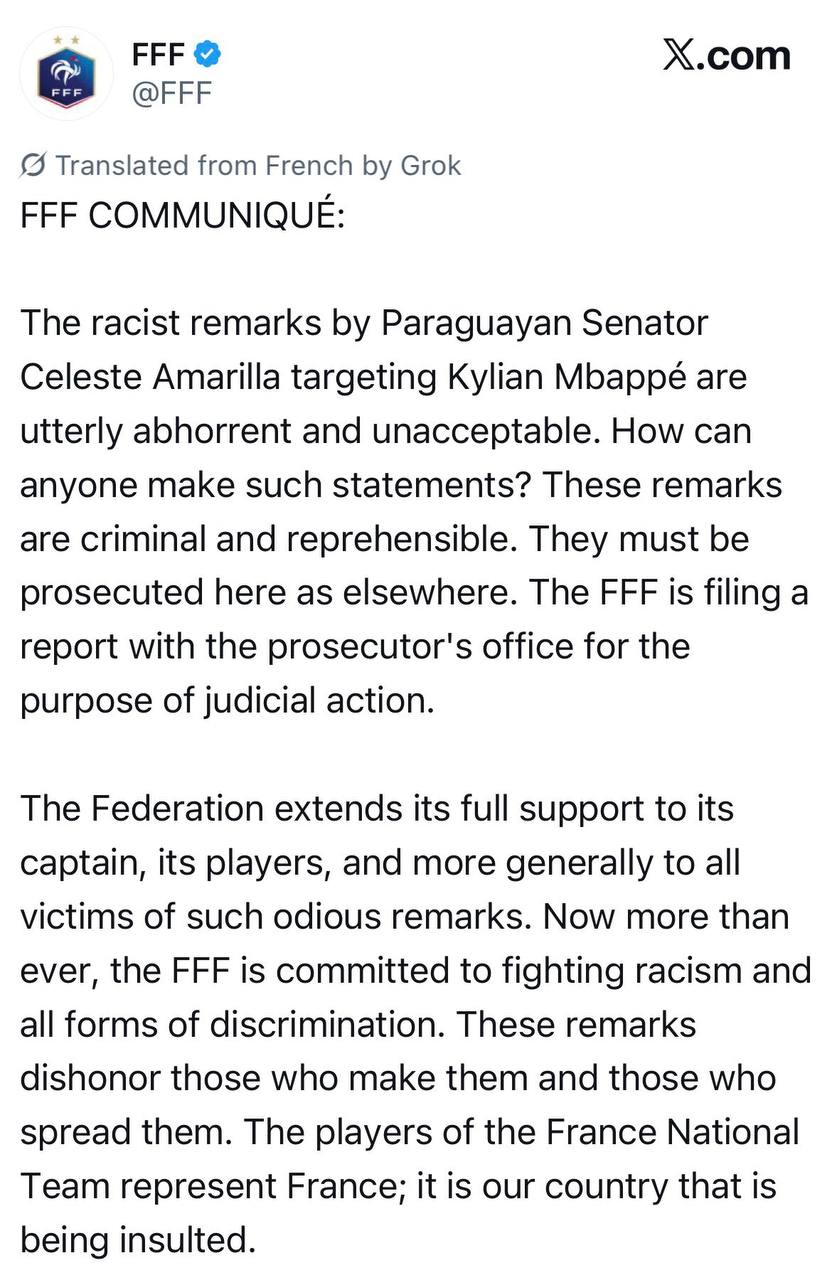
The fallout was swift and heavyweight. The French Football Federation announced it would file a formal complaint with prosecutors to pursue legal action against Amarilla, calling her comments criminal and utterly unacceptable, and pledging its full support behind Mbappé and every player who has ever faced this kind of abuse.
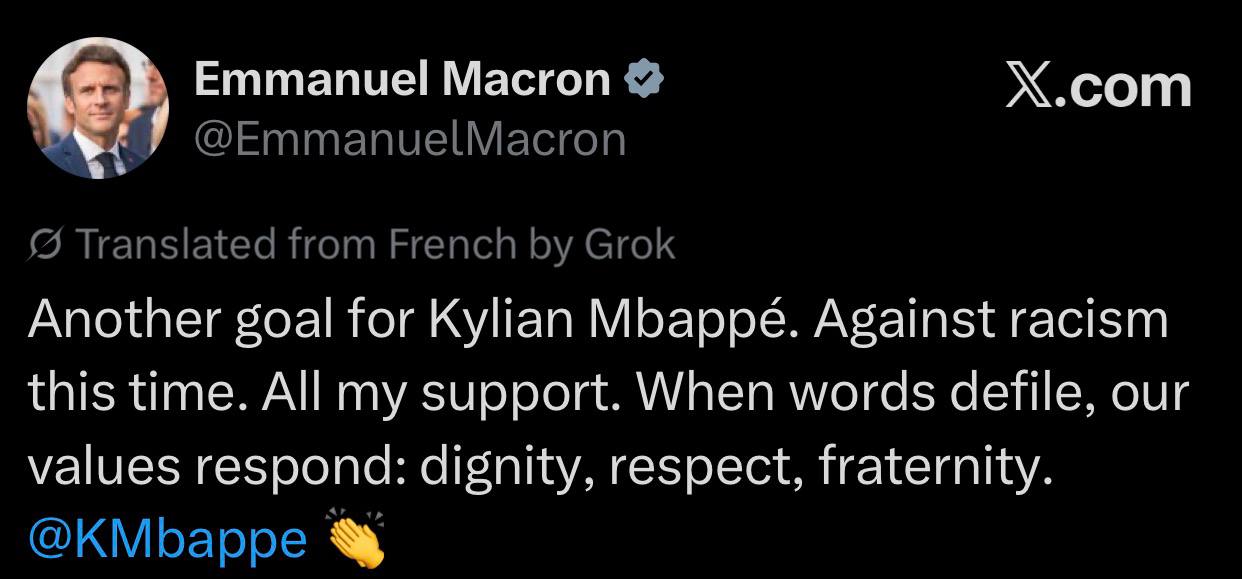
Even the Élysée Palace weighed in, with the French presidency stating that the head of state stood firmly behind Mbappé and the entire French squad in the face of the attack.
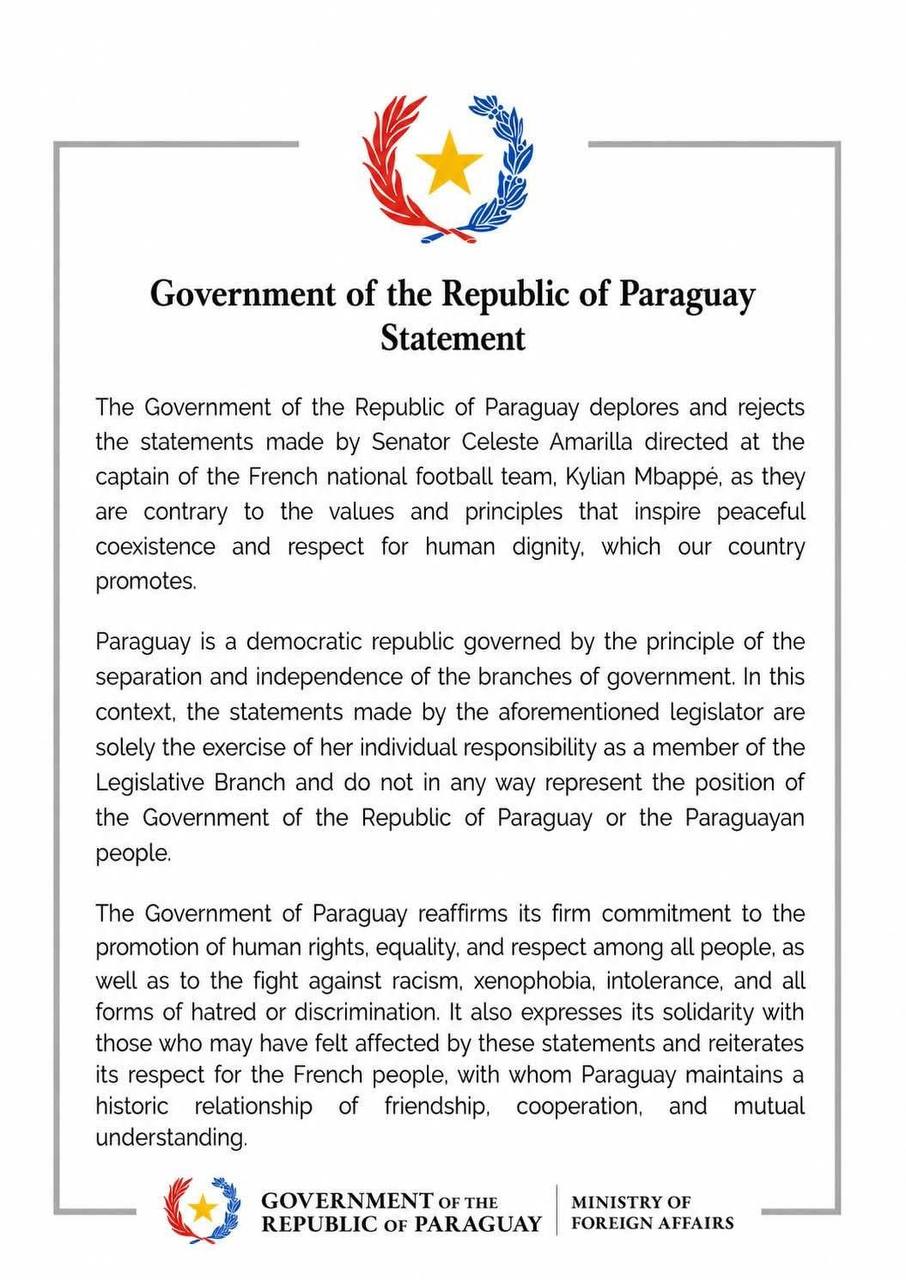
Paraguay’s own government moved quickly to distance itself too, releasing a statement that condemned the senator’s words as contrary to the values of human dignity the country stands for, and stressing that she spoke only for herself — not for Paraguay’s government or its people.
Amarilla, facing mounting backlash, eventually posted an open letter in French and Spanish. She claimed her issue was with Mbappé personally rather than France as a nation, said she regretted using the very insults she says she has faced herself as a mixed-race woman, and confirmed she’d deleted her original post. But in the same breath, she pushed back against Mbappé, accused him of directing gender-based insults at her, and threatened legal action of her own unless he retracted his comments — a response that did little to cool the controversy.
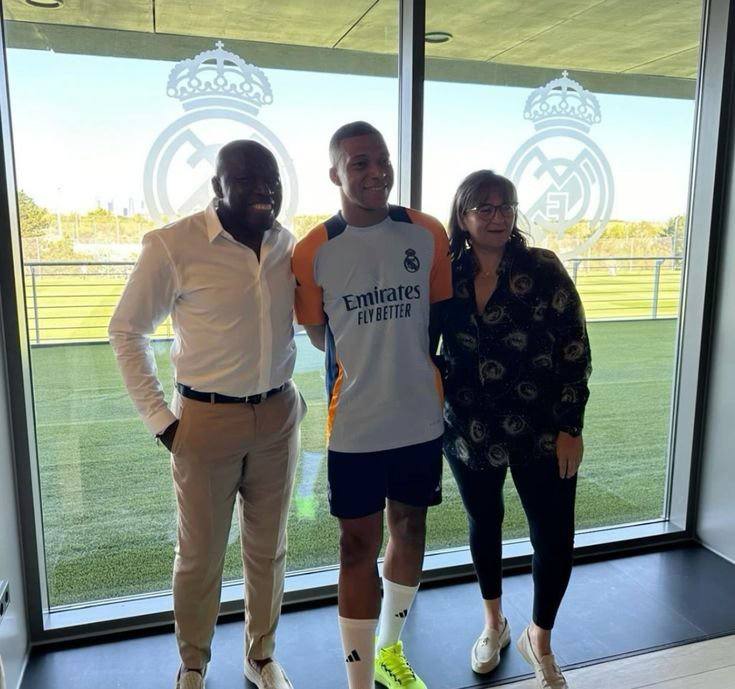
Beyond the back-and-forth, this moment says something bigger. Mbappé — born to a Cameroonian father and an Algerian mother — has long stood at the center of conversations about identity, belonging, and what it means to represent France on the world’s biggest stage. His response this week wasn’t just about defending himself. It was a reminder that football, at its best, represents unity across cultures and backgrounds, and that racism — whether whispered in stadium stands or shouted from a senator’s social media account — deserves to be named, challenged, and rejected every single time.
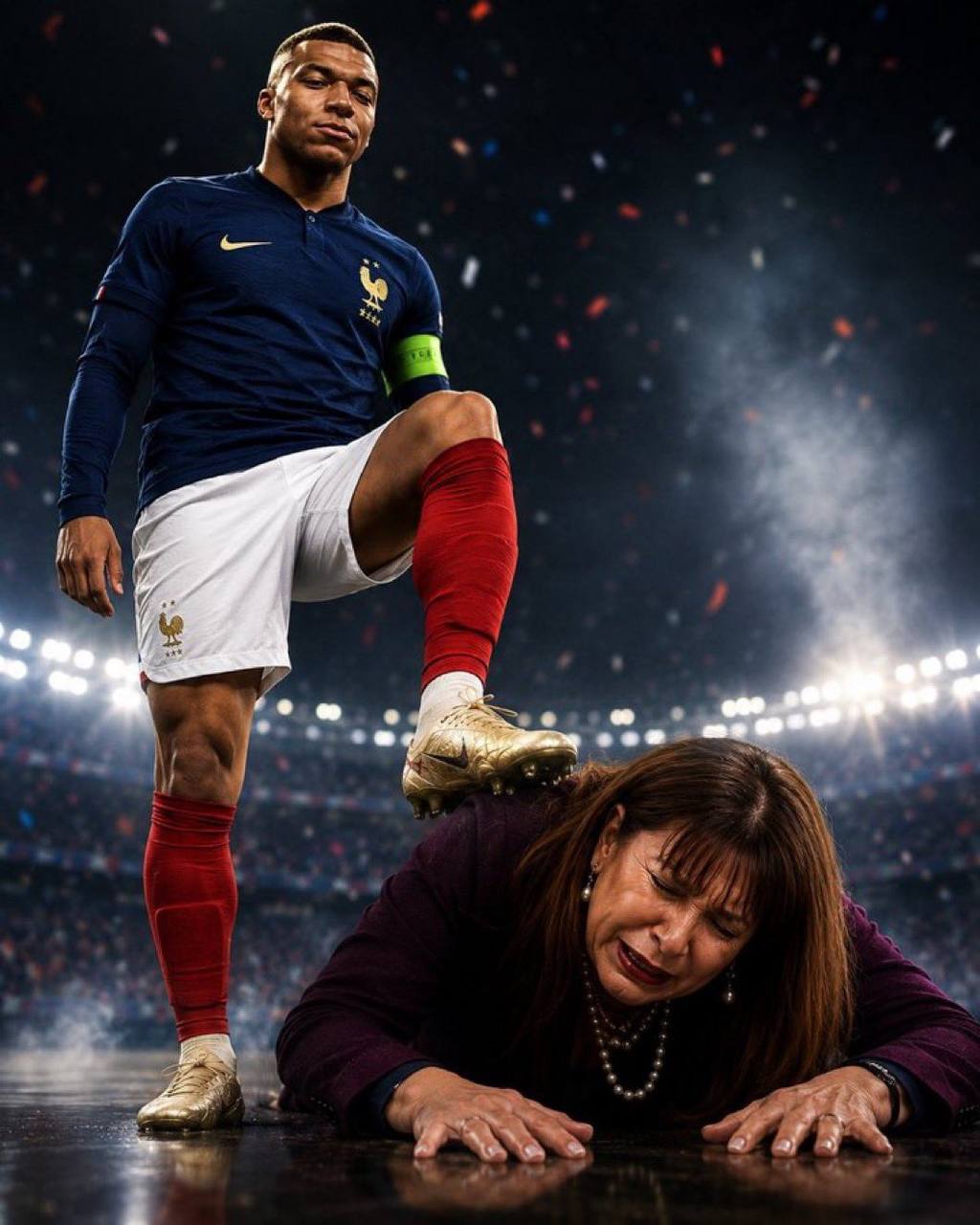
There’s no room for racism in football. Not from fans, not from players, and certainly not from the people meant to lead.