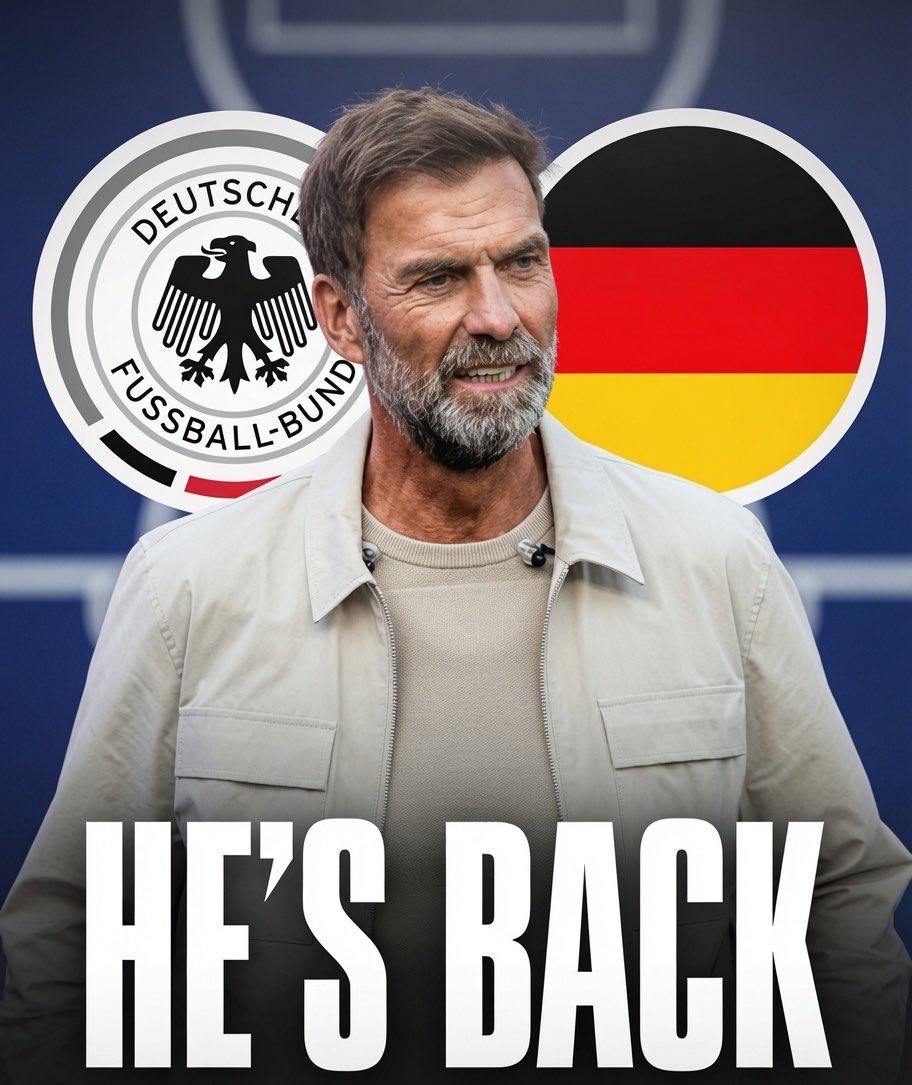



Some stories write themselves, and this is one of them. Jürgen Klopp — the man who turned Borussia Dortmund into giant-killers and rebuilt Liverpool into European royalty — is coming out of retirement to lead his home nation. Germany has finally landed the coach it’s wanted for years, and the timing could not be more dramatic.

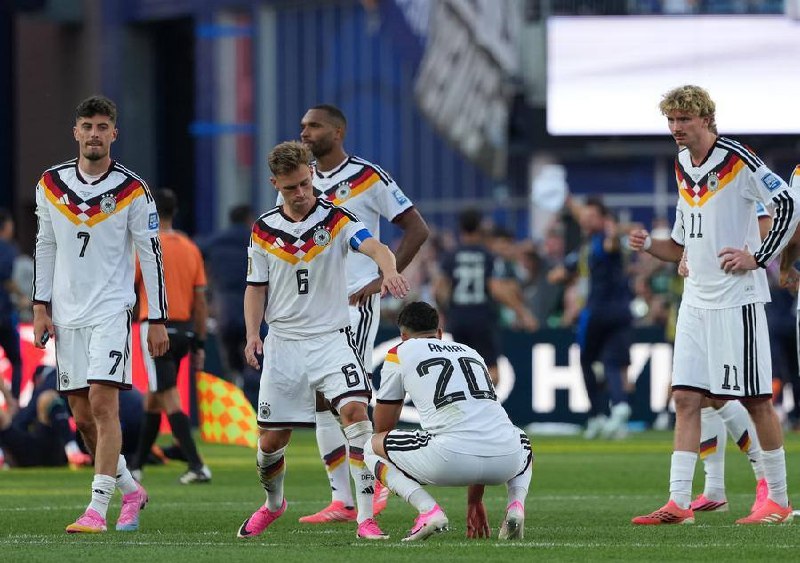
Let’s set the scene. Germany’s 2026 World Cup campaign ended in heartbreak at the Round of 32, beaten by Paraguay in a penalty shootout — the first time in the nation’s history Die Mannschaft has ever been eliminated from a World Cup on penalties.
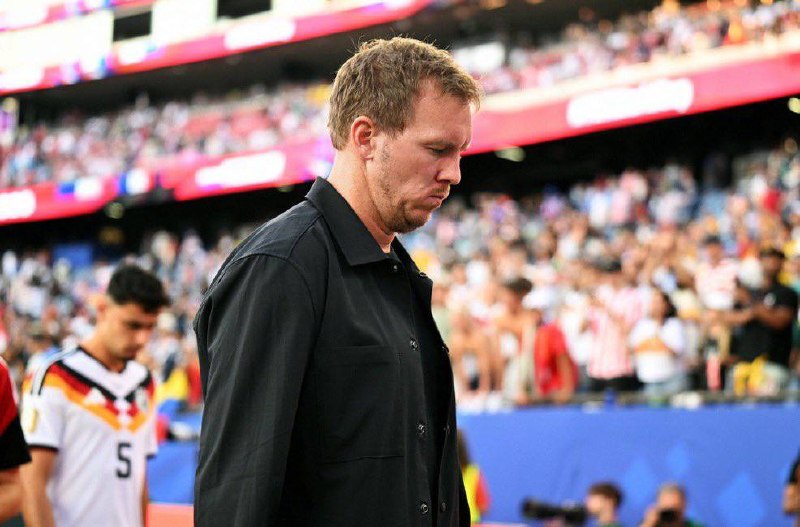
It was a gut punch that made head coach Julian Nagelsmann’s position untenable. Days later, Nagelsmann was out, and the German federation (DFB) wasted no time confirming who they wanted next: Jürgen Klopp.
And here’s the twist that makes this saga so satisfying — this isn’t the DFB’s first attempt. They tried to lure Klopp when Joachim Löw stepped down in 2021, and again when Hansi Flick was sacked in 2023. Both times, Klopp said no, honoring his commitments elsewhere. But timing is everything in football, and this time, the stars have aligned.
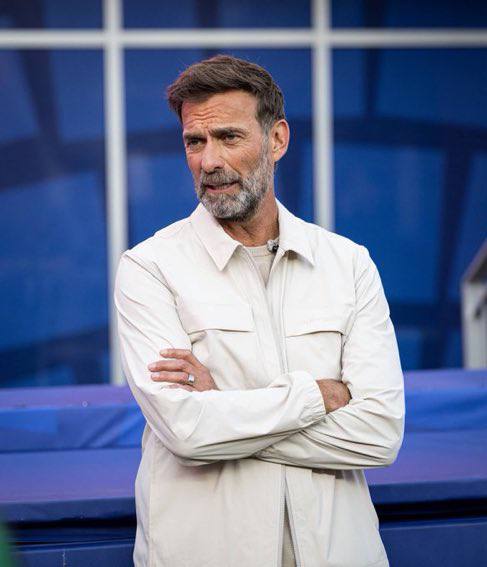
Klopp himself confirmed the talks directly, telling MagentaTV that discussions had moved quickly once Nagelsmann resigned and the DFB began working on a successor. He openly admitted the timing wasn’t perfect, given he’s technically still under contract as Global Head of Football at Red Bull — but he sounded like a man ready to jump back into the dugout, saying he feels recharged and more ready than he’s been in years.
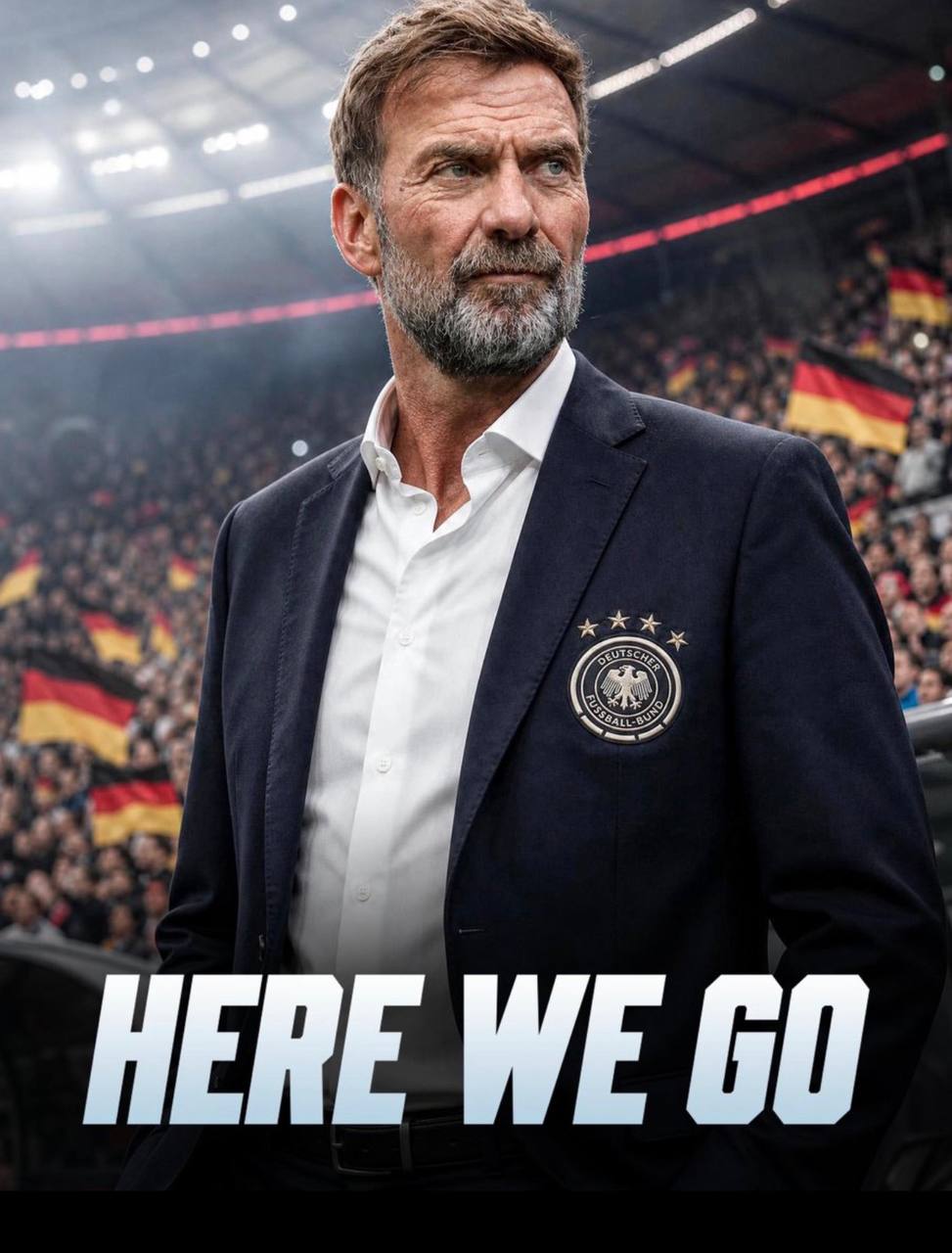
Then the football world’s most trusted transfer voice made it official. Fabrizio Romano, using his trademark call, confirmed on X that Jürgen Klopp had become the new head coach of Germany, with the decision finalized. While final details of his Red Bull exit are still being ironed out, multiple top outlets now agree: this deal is essentially done.
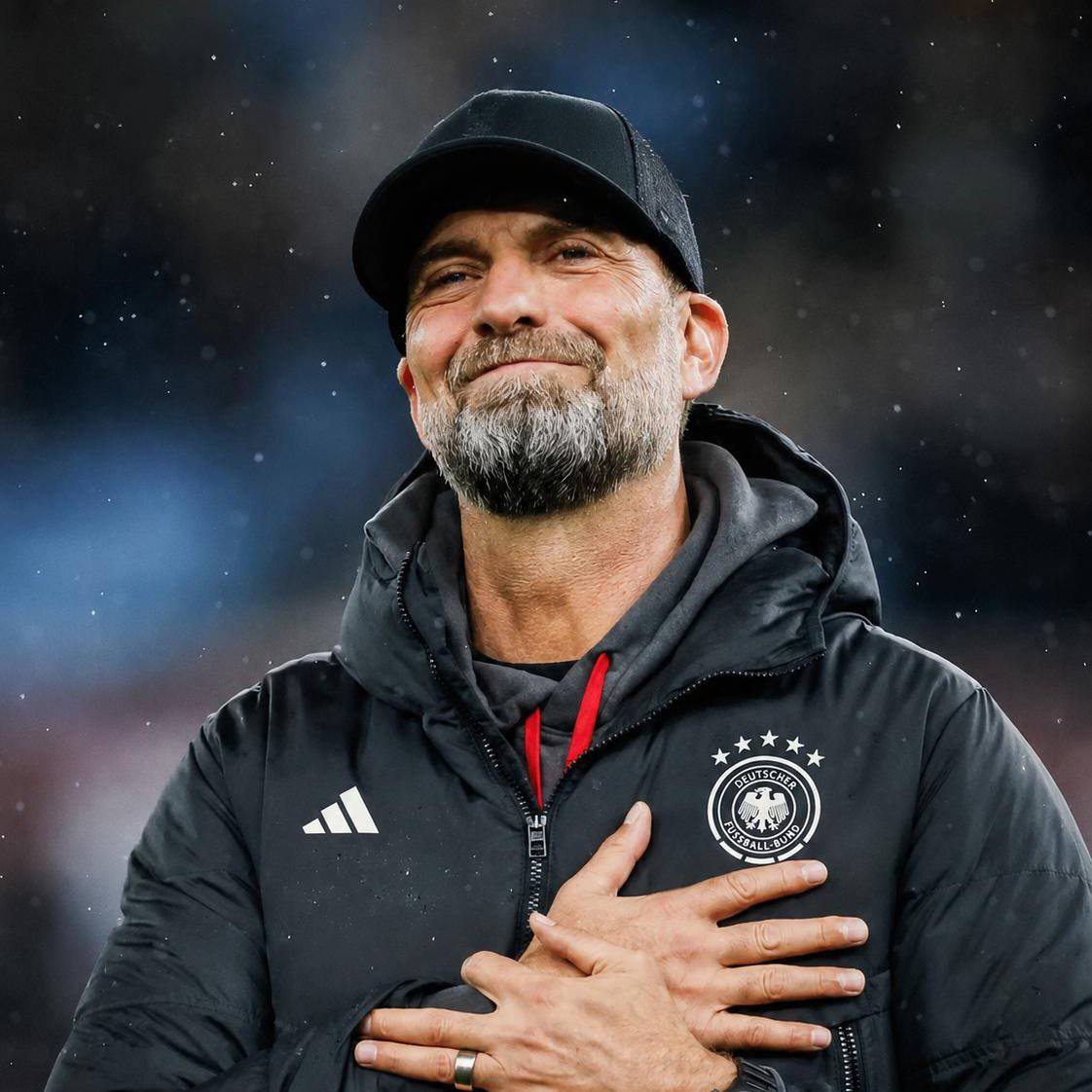
And Klopp isn’t walking into a ceremonial role. Reports indicate the DFB is handing him sweeping powers — full control over player call-ups, tactical direction, and even the authority to bring in his own trusted staff, with long-time lieutenants Peter Krawietz, Pepijn Lijnders, and Zsolt Löw all heavily linked to join him. There’s also talk of a broader mandate to rebuild Germany’s youth development structure from the ground up — this is Klopp being handed the keys to reshape German football’s entire identity, not just pick a starting eleven.
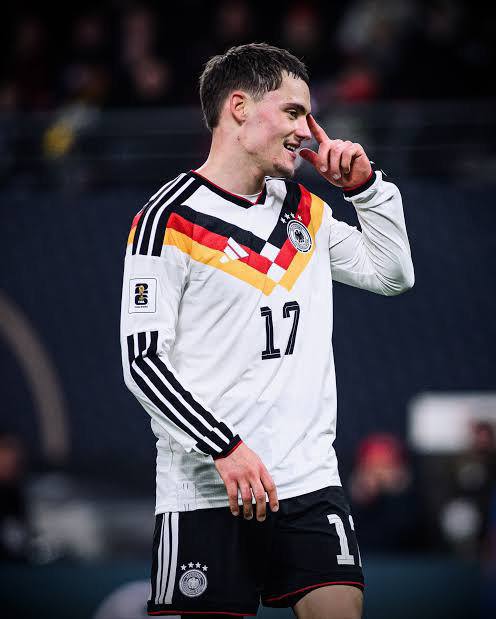
One storyline already has fans buzzing: the chance for Klopp to work closely with Liverpool’s Florian Wirtz, a player who’s shown flashes of brilliance but hasn’t fully found his rhythm at Anfield. If anyone can unlock that talent on the international stage, it might just be the manager who built his reputation on turning gifted individuals into ferocious, cohesive units.
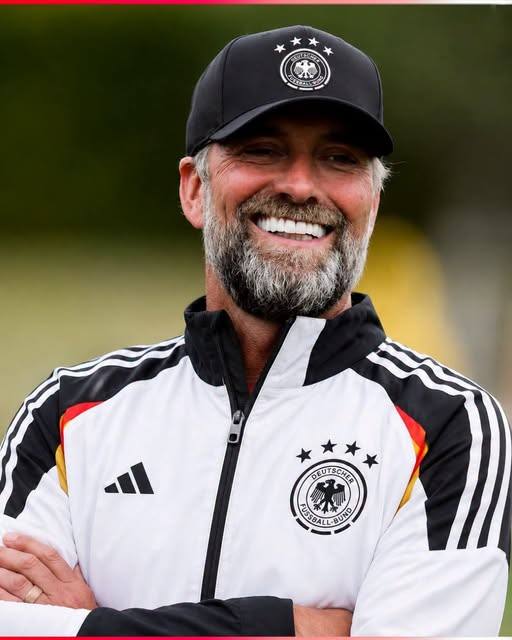
At 59, Klopp now faces arguably the biggest test of his managerial career: rebuilding a proud footballing nation that has suffered painful, premature exits in three straight major tournaments. His first major target sits two years away — UEFA Euro 2028. But if Klopp’s history tells us anything, it’s this: bet against him at your own risk. Germany just got its swagger back.