






Brazilian football has always been synonymous with producing generational talent, but a startling new concern is now rippling through the sport’s biggest confederation. According to newly released findings, Brazil’s football hierarchy believes its brightest young stars are not developing properly because of a lack of playing time — and the case of Real Madrid’s Endrick has become the poster child for exactly what can go wrong when a teenage prodigy gets swallowed by a European giant too soon.

The Numbers Don’t Lie
This isn’t just speculation or a hot take from pundits. The Brazilian Football Confederation (CBF) recently presented internal research that paints a genuinely alarming picture. Between 2020 and 2026, playing time for Brazilian under-23 players collapsed from 28.3 percent of total minutes down to just 11.5 percent domestically. Meanwhile, the influx of foreign players over 23 years old more than tripled during the same period, pushing Brazil’s top-flight average age up to 28.5 years — noticeably older than Europe’s major leagues.
In response, the CBF has already taken drastic action, approving a phased reduction of foreign player quotas and mandating that clubs reserve a growing number of squad spots exclusively for under-23 talent by 2030. It’s a clear signal: Brazilian football recognizes it has a development crisis on its hands, both at home and abroad.
Endrick: The Cautionary Tale Everyone Is Talking About
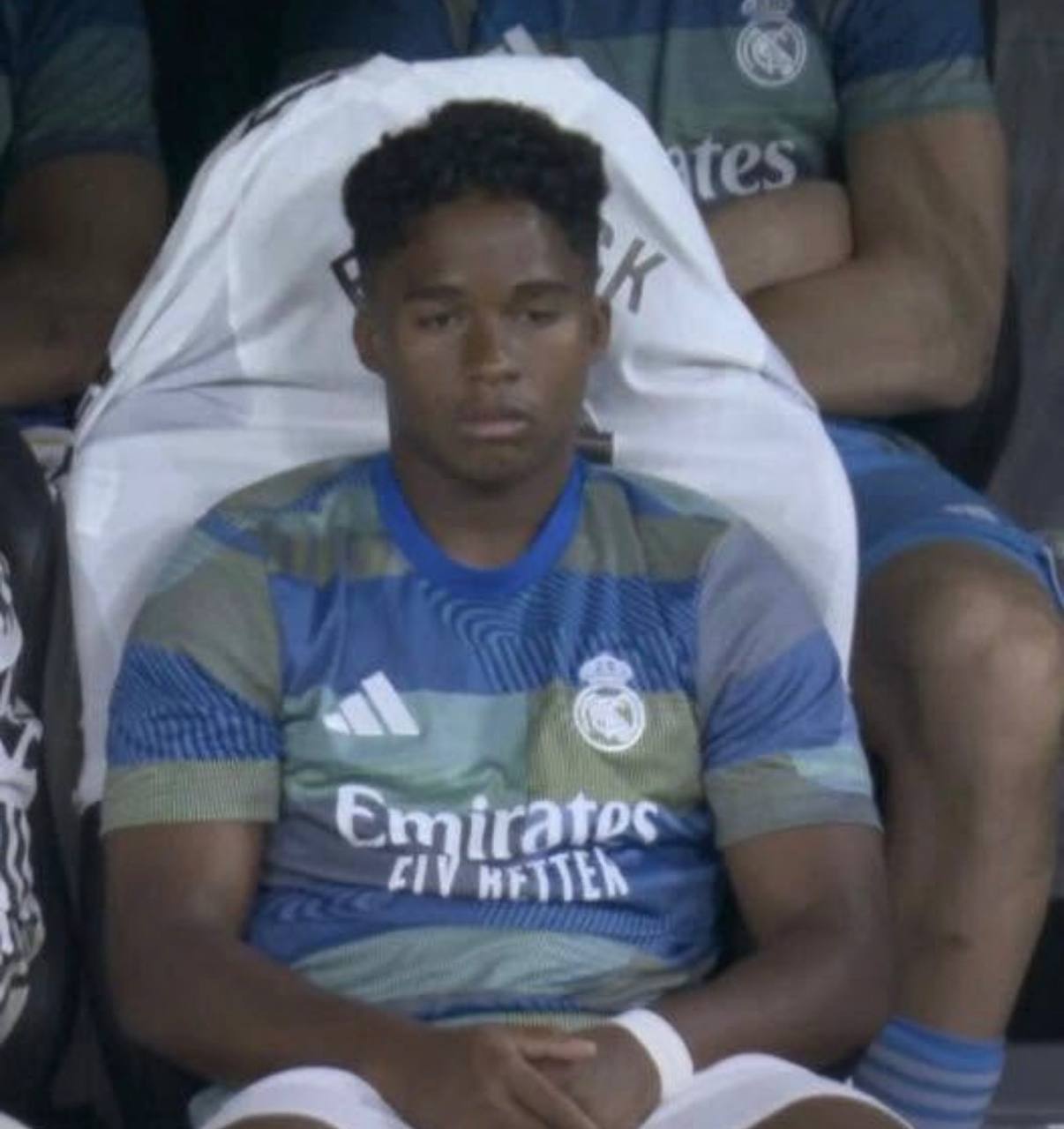
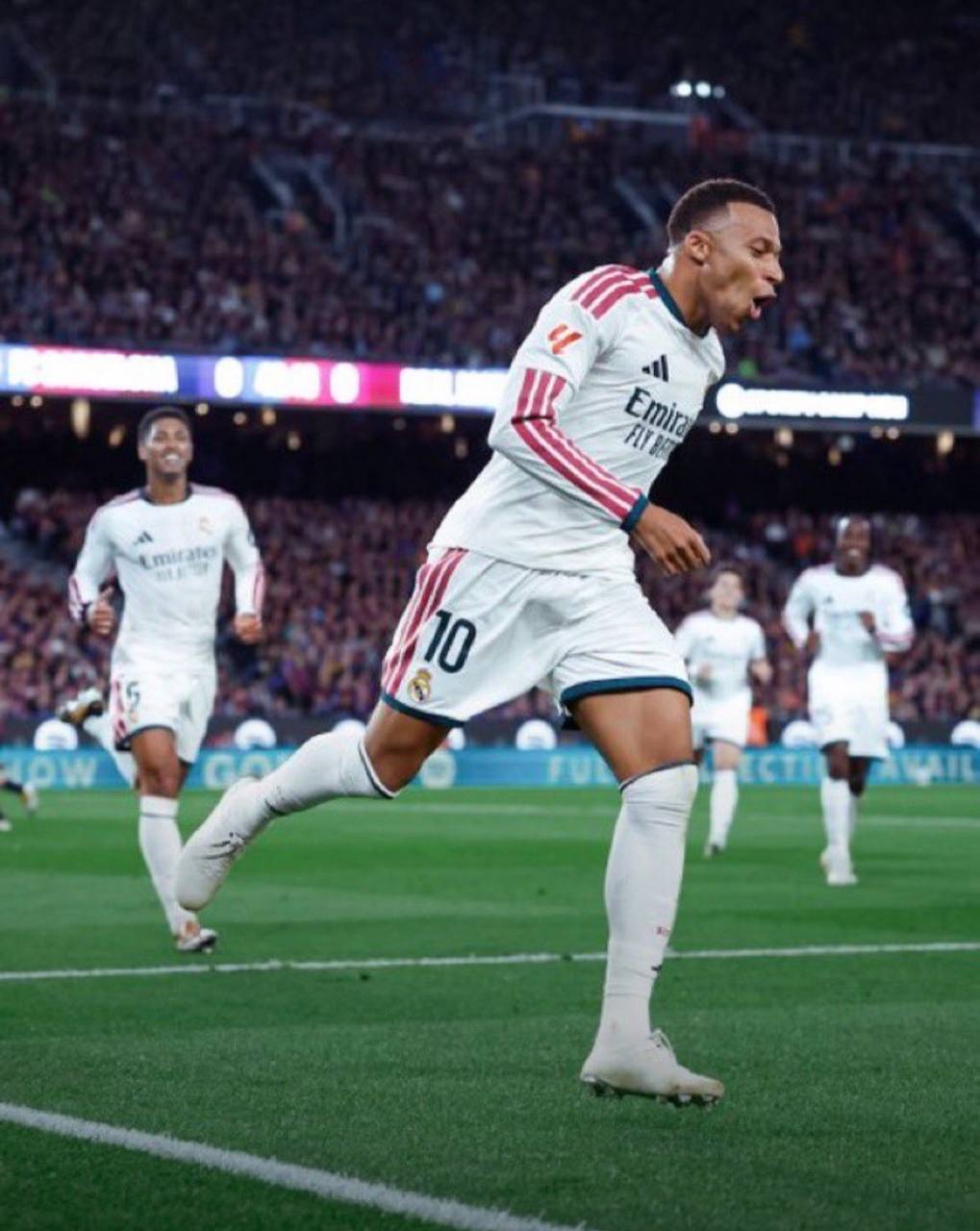
While the CBF’s new regulations target the domestic league, the broader worry extends straight to Brazil’s brightest talents playing in Europe — and no name illustrates the issue better than Endrick. Signed by Real Madrid as a teenager after dazzling at Palmeiras, Endrick arrived at the Santiago Bernabéu carrying the weight of enormous expectation. Instead, he found himself buried on the bench behind superstar attackers, managing just a handful of starts across his debut campaign.
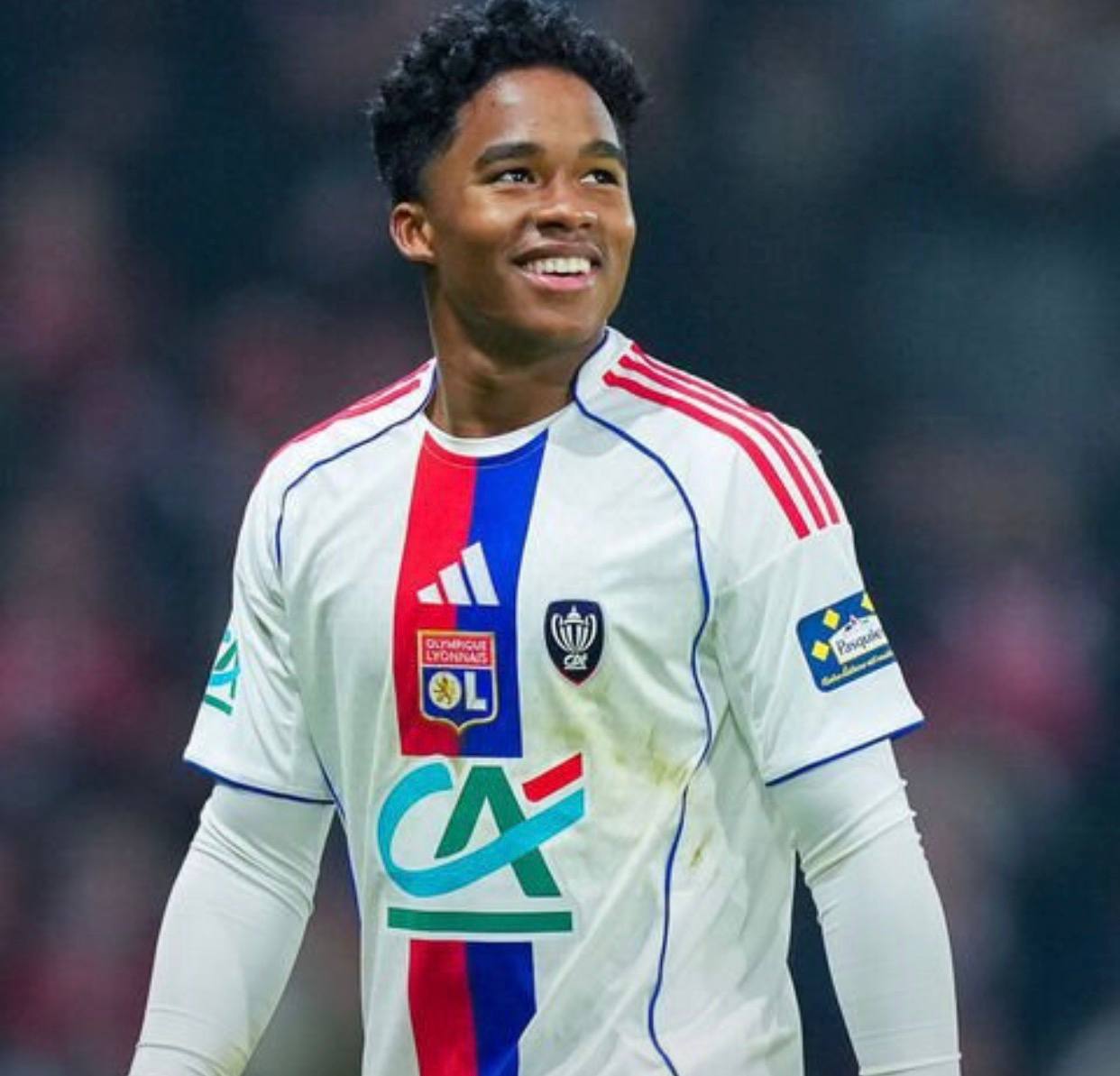
The situation became so dire that Endrick openly admitted his fear of missing out on Brazil’s World Cup squad entirely due to a lack of minutes. He was eventually shipped out on loan to Lyon, where he rediscovered his rhythm and form almost immediately, finally reminding everyone why he was considered one of the most exciting teenage talents on the planet.
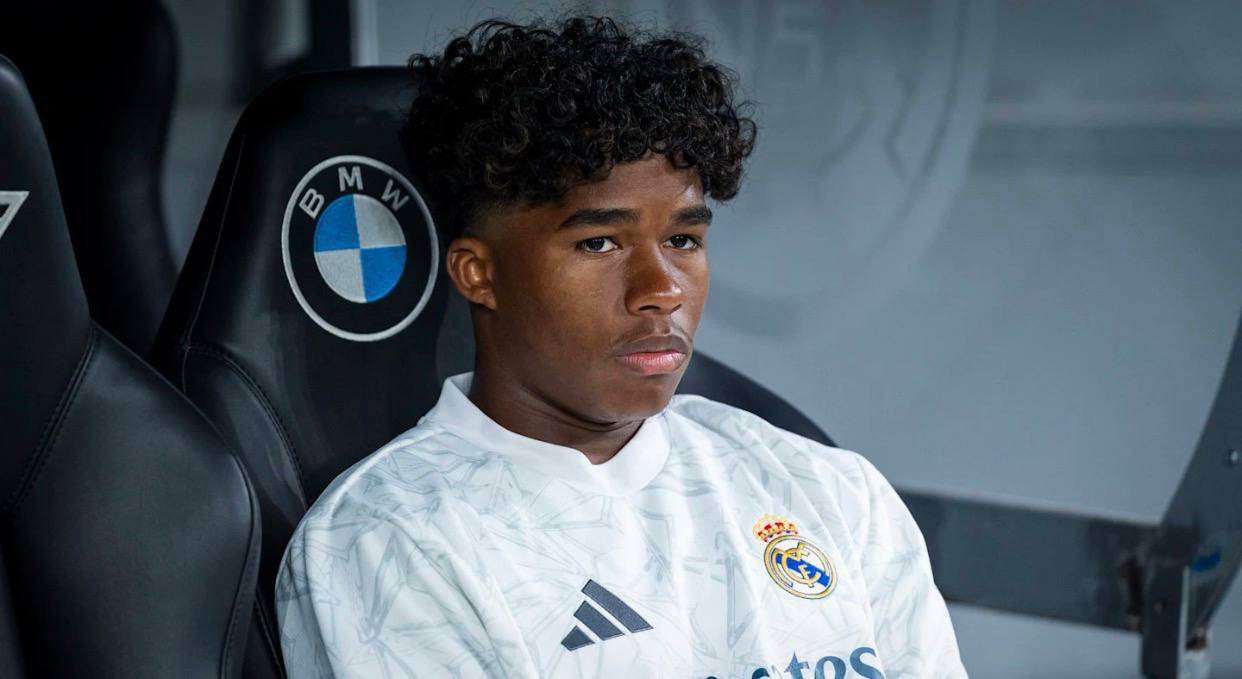
It’s exactly the kind of story that has Brazilian football officials worried. Talented teenagers are being purchased for eye-watering fees by clubs that already have world-class attacking options, leaving young stars to develop character on the bench rather than sharpen their game on the pitch.
A Wake-Up Call for Brazilian Football

The lesson emerging from all this is simple but uncomfortable: buying potential is not the same as nurturing it. Whether it’s happening inside Brazil’s own domestic league or on the biggest stages of European football, the message from the CBF is unmistakable — young Brazilian players need real minutes, not just prestigious contracts, to reach their ceiling.
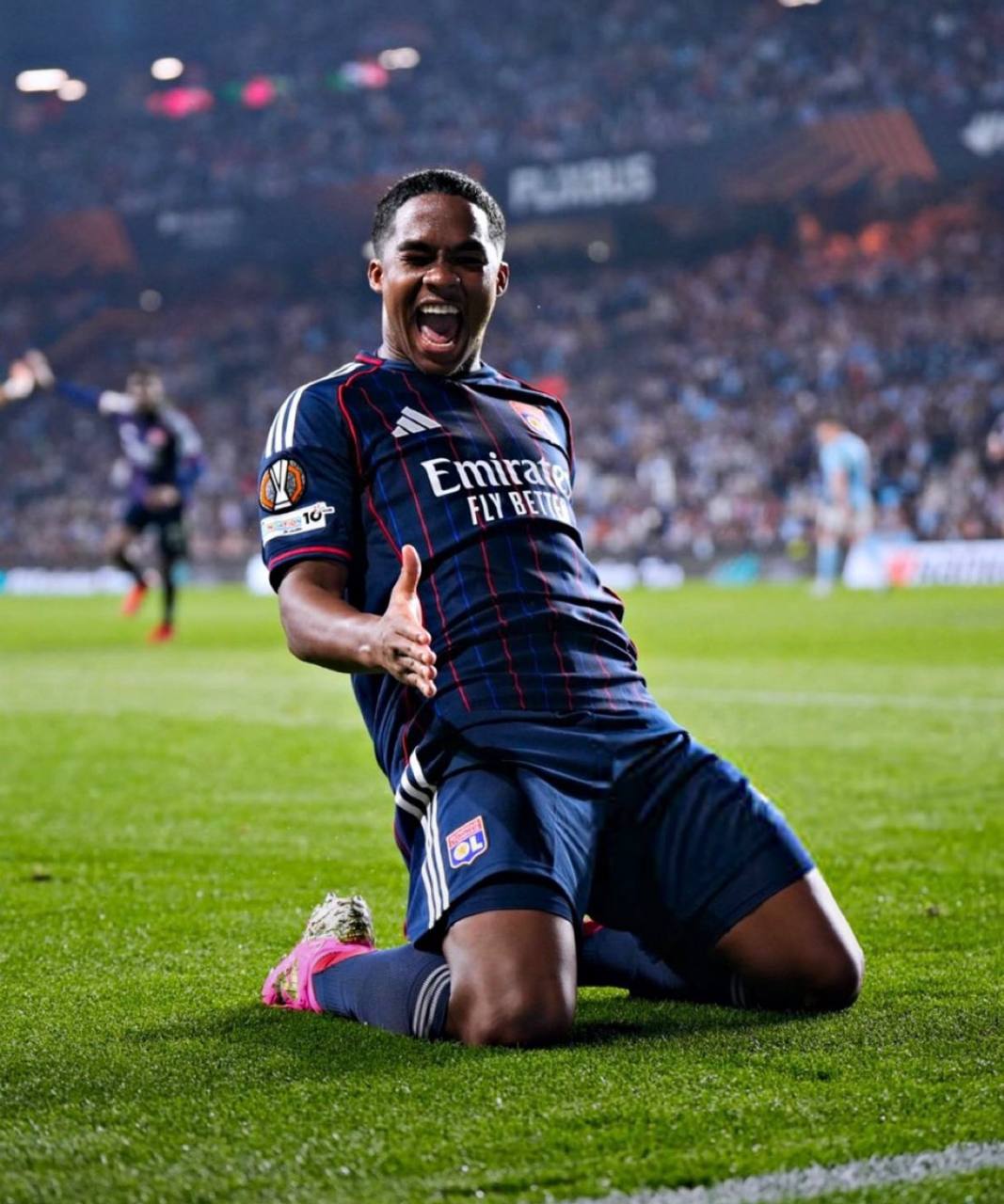
As Brazil looks ahead to rebuilding a golden generation capable of restoring the Seleção to the top of world football, expect this conversation to only intensify. The next great Brazilian superstar might already be out there. The real question is whether the system around them will actually let them develop.
You can also check out our YouTube for more sport news @ShapHub