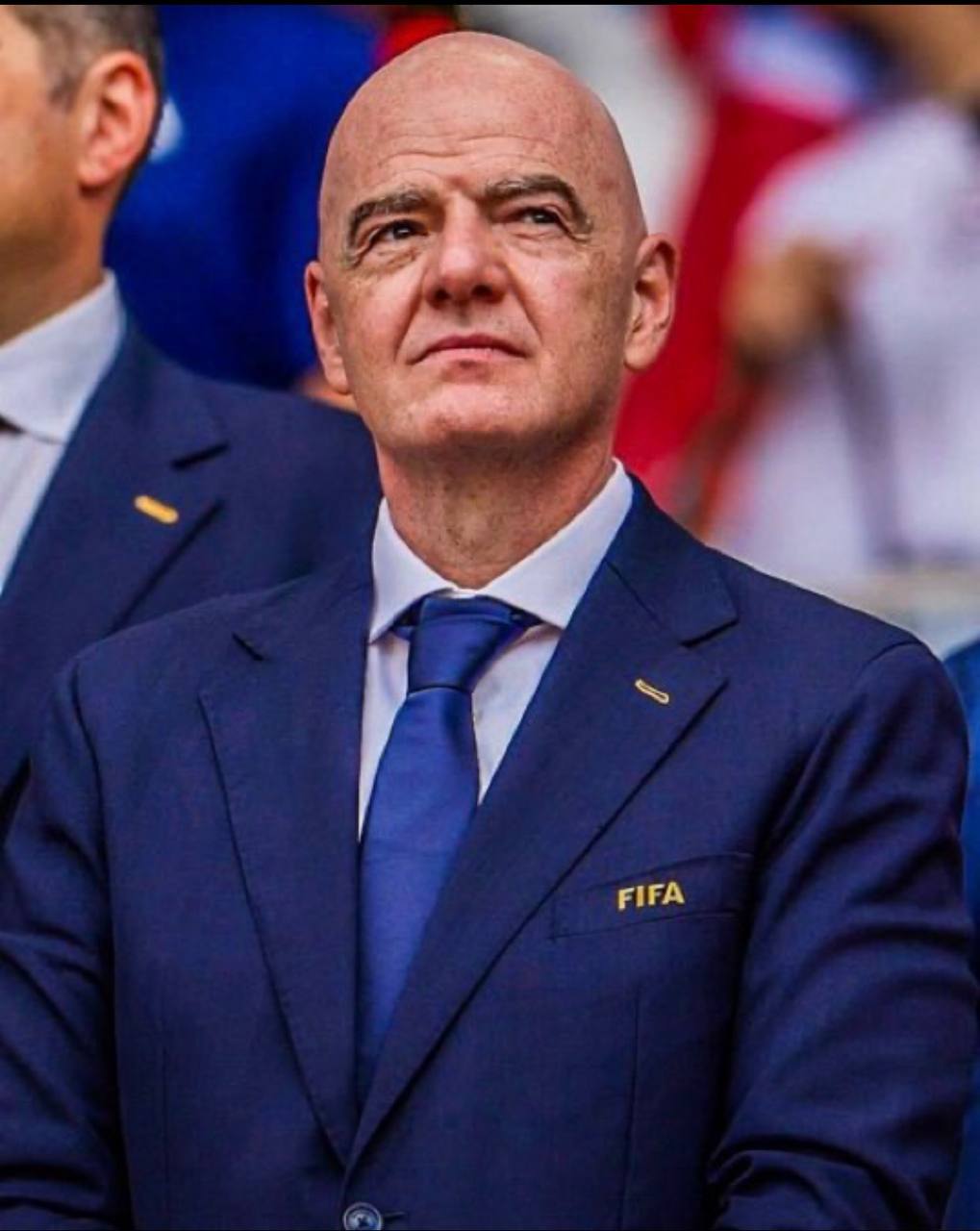


Barely a week after Spain lifted the World Cup at MetLife Stadium, football’s governing body has handed the sport its next big controversy. FIFA president Gianni Infantino wants to sell a piece of the World Cup itself, and the football world is not taking it quietly.

What Exactly Is FIFA Trying to Sell?
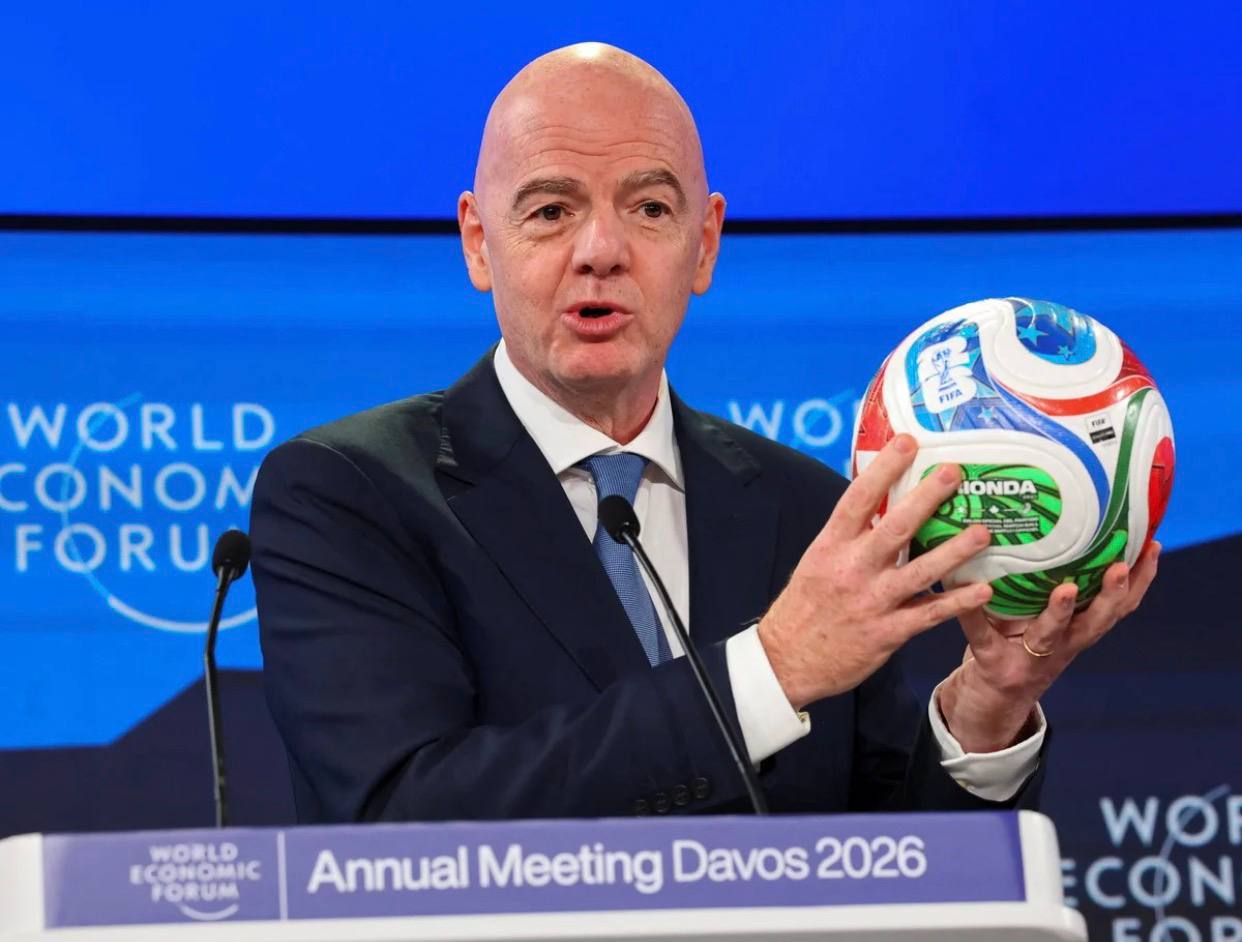
Infantino has unveiled a new commercial subsidiary called FIFA Forward Enterprise, or FFE for short. The plan would bundle every dollar-generating piece of the World Cup and Club World Cup, broadcast rights, sponsorships, ticketing, and licensing, into one company valued at roughly $20 billion. FIFA would then sell up to 21 percent of that company to outside investors, aiming to raise as much as $4.2 billion almost immediately.

FIFA insists it isn’t giving up control. The federation says it will keep 51 percent of FFE and retain full authority over governance, tournament calendars, and disciplinary decisions. The pitch to member federations is simple: back the plan, and each of the 211 national associations gets a $20 million grant now, rising to $22 million and then $24 million in future four-year cycles.
Enter the Kushners
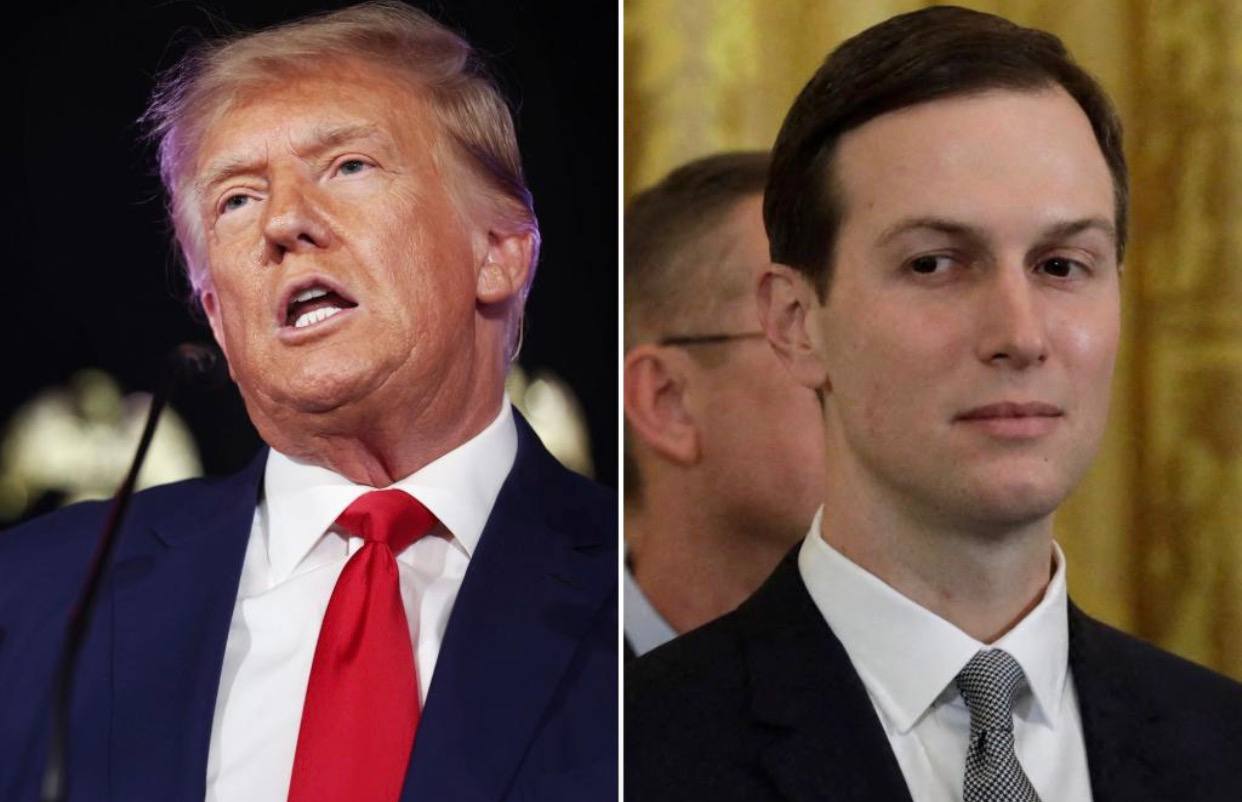
The proposal gets more eyebrow-raising once you look at who’s lined up to buy in. Thrive Capital, the investment firm founded by Joshua Kushner, brother of Jared Kushner and brother-in-law of Donald Trump, has reportedly been tapped to help lead the search for investors. FIFA has also confirmed it is working with JPMorgan to structure the new entity. That connection has fueled accusations that Infantino’s increasingly public friendship with Trump, from a controversial FIFA Peace Prize to an office inside Trump Tower, is now bleeding directly into FIFA’s finances.
Why the Backlash Has Been So Fierce

UEFA wasted no time firing back, calling the plan a move that “crosses a line that football’s governing institutions should never cross” and insisting the World Cup was never FIFA’s alone to sell. La Liga president Javier Tebas went further, accusing Infantino of running what looks less like reform and more like an election campaign bankrolled by football’s future. Even former FIFA president Sepp Blatter, no stranger to his own governance scandals, weighed in against his successor, warning that FIFA’s closeness to the Trump family had reached “a financial dimension that is deeply damaging football.”

Politicians have piled on too. New UK Prime Minister Andy Burnham posted that the World Cup “was never anyone’s to sell,” while US Congressman Jamie Raskin has pushed for Infantino to answer questions before the House Judiciary Committee. Not every federation is opposed, though. Czechia’s association president has broken ranks, saying he sees a positive side to FIFA’s intentions once more details emerge.
What Happens Next

Infantino has given the 211 member associations until September 19 to accept the deal, with FIFA’s 37-member council also needing to sign off. UEFA nations are reportedly planning an emergency virtual meeting, and a boycott threat is already on the table.

For a sport that just delivered one of the most-watched World Cups in history, the celebration didn’t last long. Whether FIFA Forward Enterprise becomes the new financial engine of world football or the moment fans decided the beautiful game had finally been sold off, the next seven weeks will decide it.