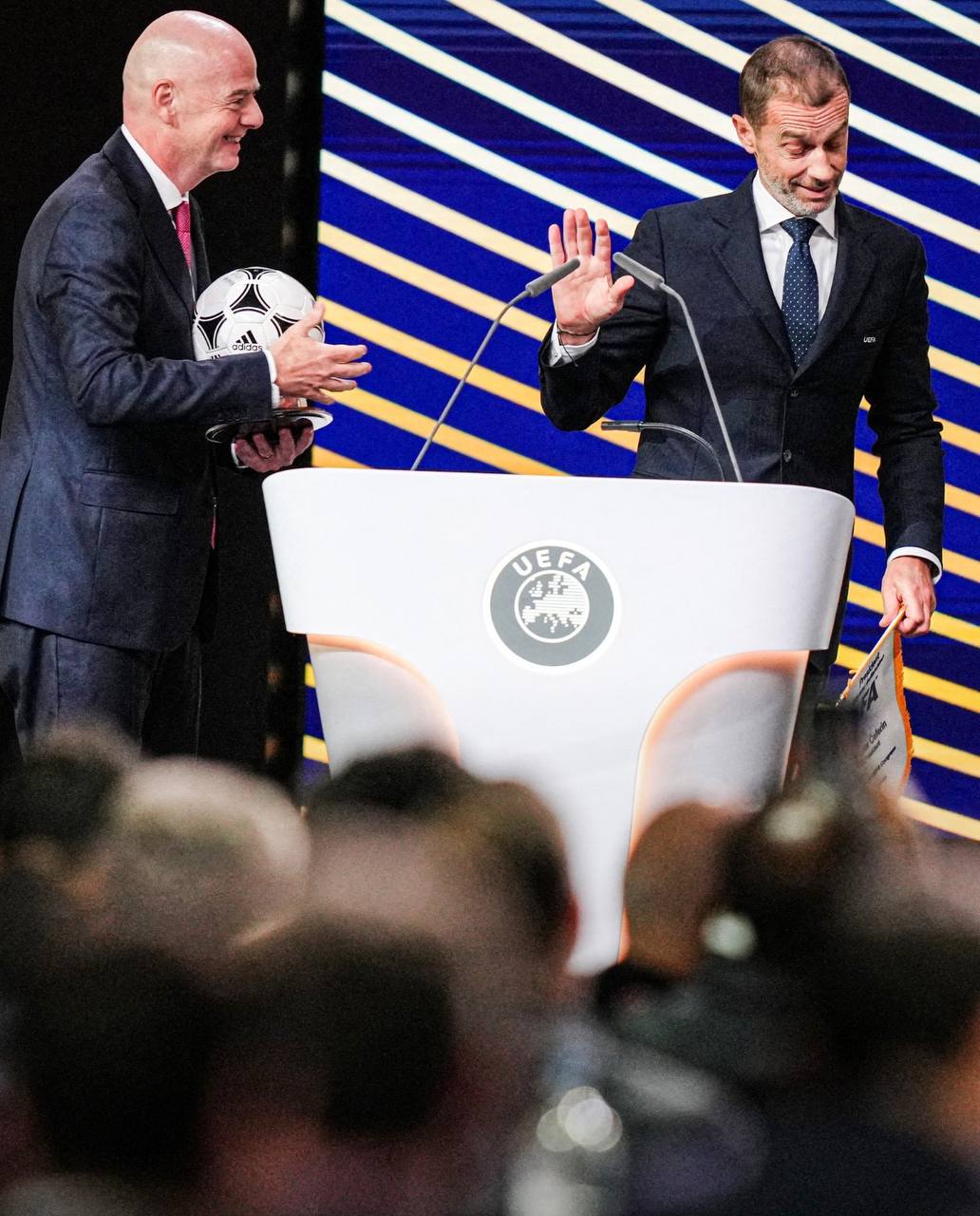
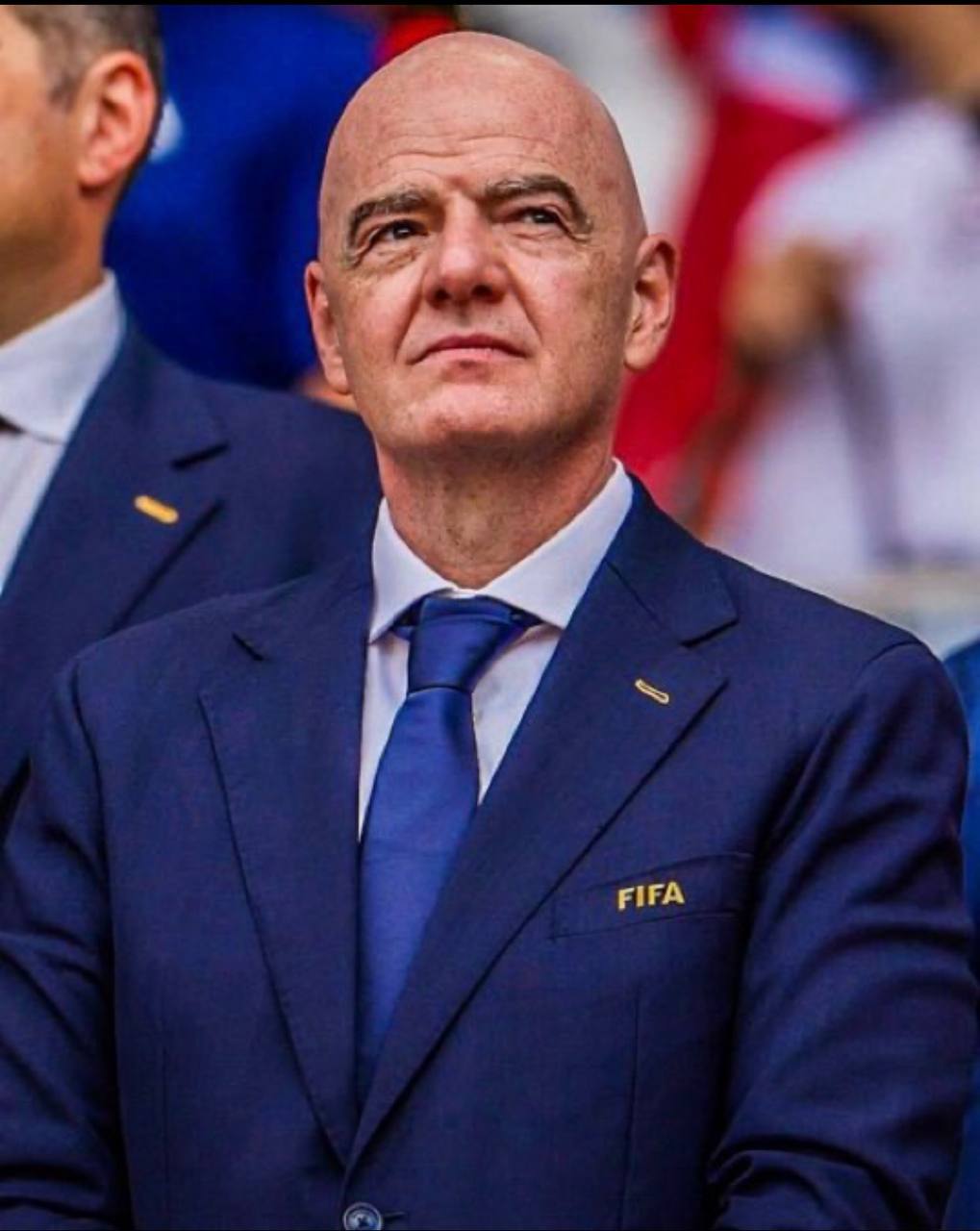
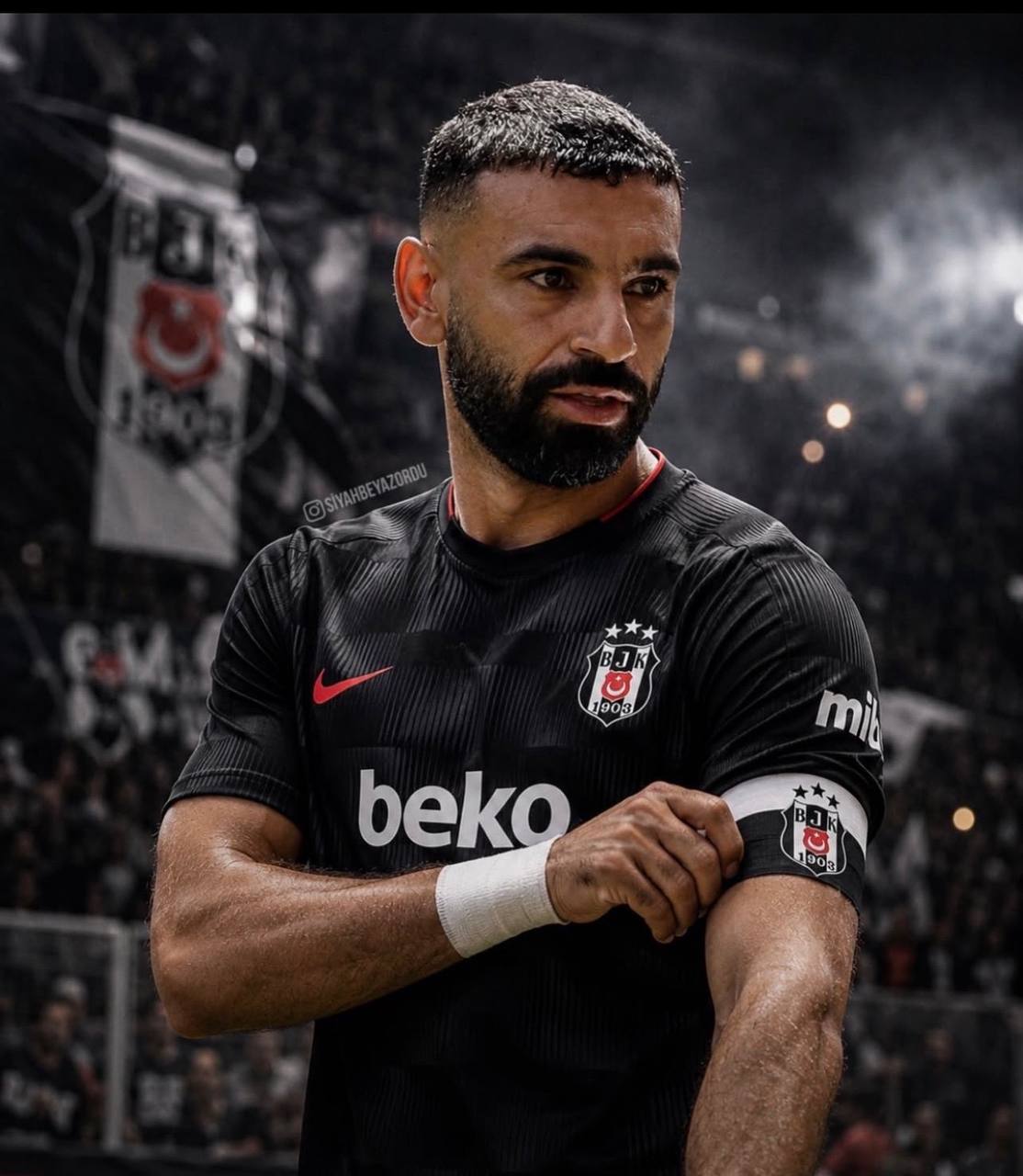


Football just witnessed one of the biggest governance clashes in its history. Every single one of UEFA’s 55 member nations, including Germany, France, England and reigning world champions Spain, has voted to boycott all FIFA competitions, including the World Cup. The reason: FIFA president Gianni Infantino wants to sell a slice of the tournament to private investors, and Europe is not having it.

What Sparked the Revolt
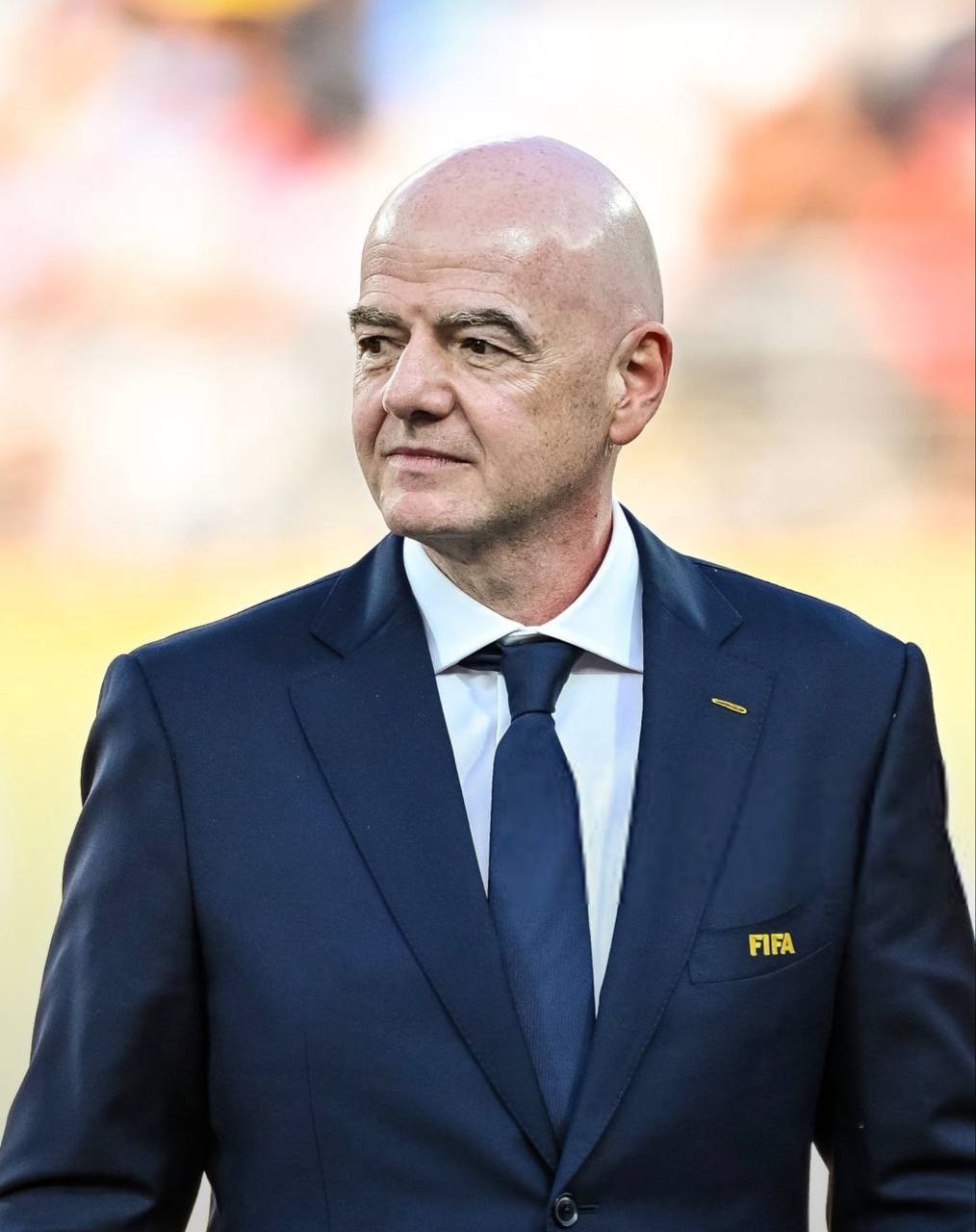
The drama kicked off earlier this week when FIFA unveiled a plan to spin off its commercial and event operations into a new entity called FIFA Forward Enterprise, or FFE. Under the proposal, FIFA would sell a 20 percent minority stake in FFE to outside investors, raising as much as 4.2 billion dollars while valuing the new entity at roughly 20 billion dollars. FFE would control broadcasting, sponsorship, ticketing and licensing rights tied to the World Cup and other FIFA properties.
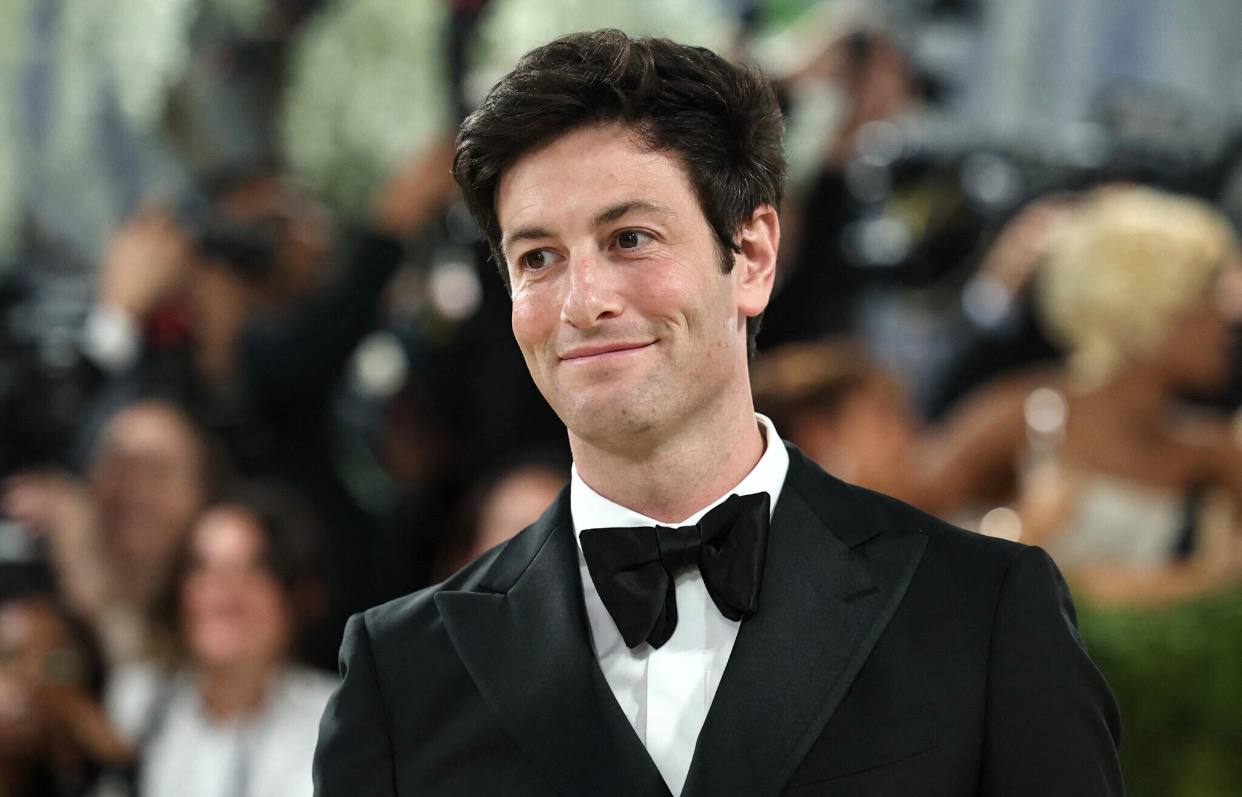
The lead investor slated to head the deal is Thrive Eternal, a private equity firm founded by Joshua Kushner, brother of Jared Kushner. That connection has only added fuel to the controversy, given Infantino’s increasingly visible relationship with the Trump family in recent months.
FIFA has framed the plan as a way to supercharge football development funding, promising member associations up to 20 million dollars each in new capital by 2027. Infantino set a hard deadline of September 19 for federations to accept the terms.
Europe Draws a Line
UEFA was not swayed. After an emergency two-hour virtual meeting in Geneva, more than 50 of its member associations took the floor and expressed unanimous fury. The result was a statement declaring the World Cup “cannot be treated as an investment product” and that “no part of it should ever be surrendered to private investors.”
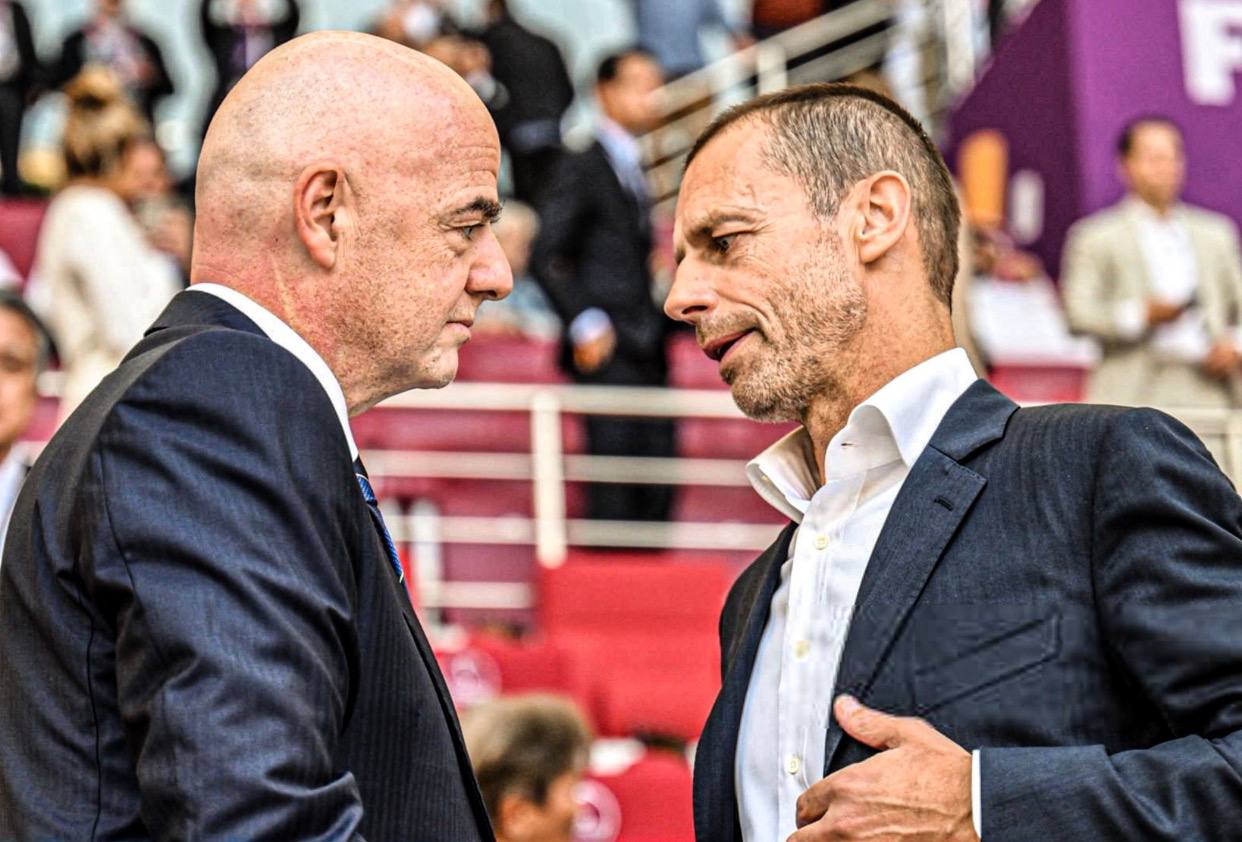
UEFA went further, accusing Infantino of “governance by intimidation” and calling the proposal “irresponsible and indefensible,” particularly because it was reportedly developed in secret with no meaningful consultation. Its message was blunt: the World Cup belongs to football, and as long as Europe has a voice, it will never be for sale.
The timing matters enormously. The boycott threat lands less than a year before the next Women’s World Cup, and with six of the top ten FIFA-ranked teams on both the men’s and women’s side coming from Europe, this is far from an empty gesture.
The Ripple Effect
UEFA did not stay isolated for long. CONCACAF, the governing body for North and Central America and the Caribbean, quickly voiced its own deep concerns over the lack of due process and the artificially short deadline. UEFA has openly invited other confederations to join the resistance, and reports suggest several Asian federations are similarly uneasy. Reaction on social media has been fierce, with fans and pundits rallying behind national federations and slamming the proposal as a betrayal of the sport’s history.
Where FIFA Stands Now
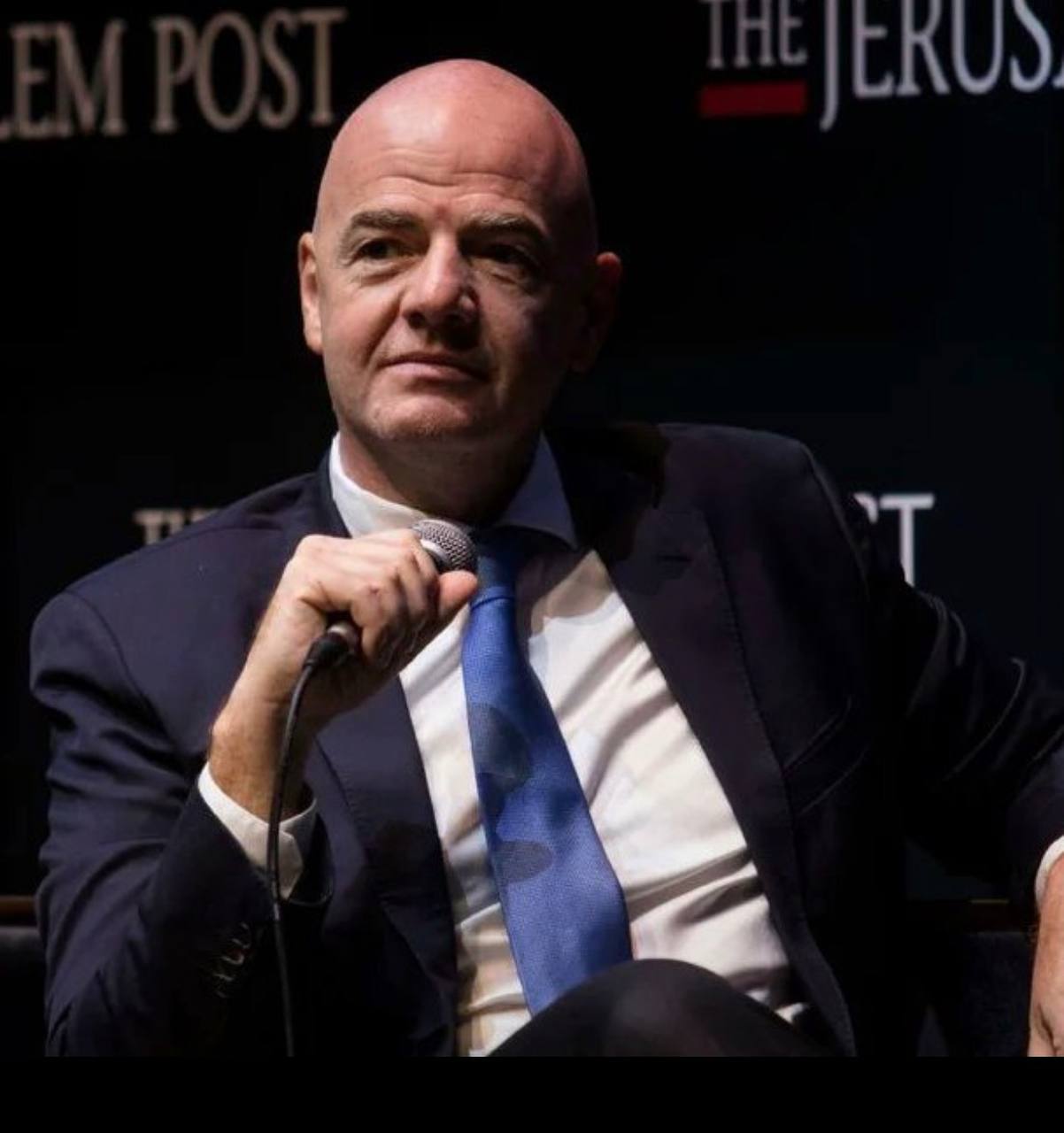
Infantino is not backing down. He has publicly insisted the plan is “a proposal, an offer, not an obligation,” framing it as part of a democratic consultation process. FIFA has doubled down further, reaffirming it will press ahead with consultations and blaming “erroneous” media reporting for the backlash.
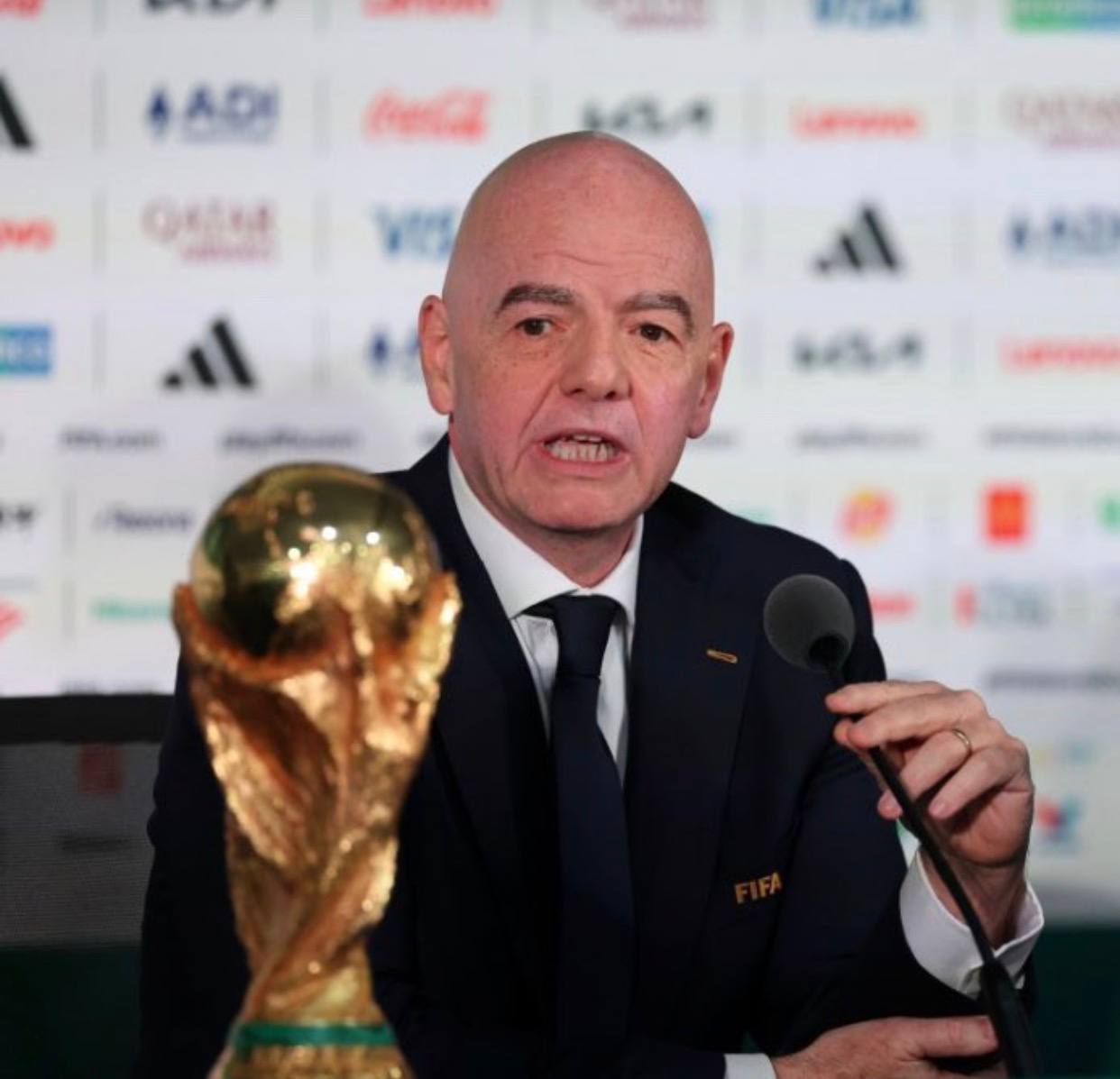
That leaves world football at a genuine crossroads. Either Infantino finds a way to soften or scrap the FFE plan, or the sport heads toward an unprecedented standoff that could reshape who actually controls the World Cup. For now, Europe has made its stance impossible to ignore.