





It Started as a Football Match

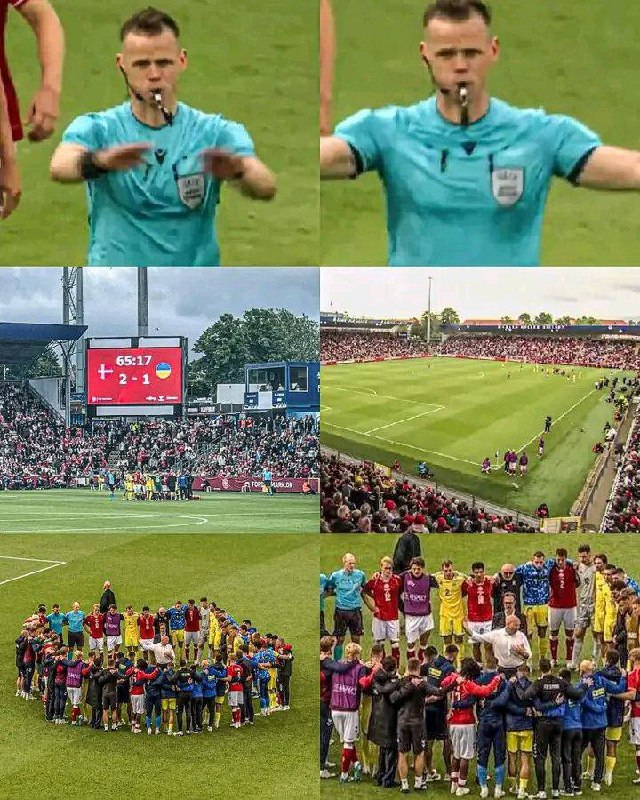
For the first 60-odd minutes, it was shaping up to be a perfectly decent World Cup warm-up. Denmark, buoyed by their hard-fought route to the tournament, were putting on a sharp attacking display at Nature Energy Park in Odense. Goals from the electric Patrick Dorgu and the ever-reliable Joakim Maehle had them 2-1 up at half-time, with Ukraine’s Viktor Tsygankov pulling one back just before the break. Two competitive teams, a cracking result on the cards, both squads fine-tuning ahead of the biggest tournament in the world. Then, in the 65th minute, everything stopped.
Christian Eriksen went down.
The Moment That Silenced a Stadium
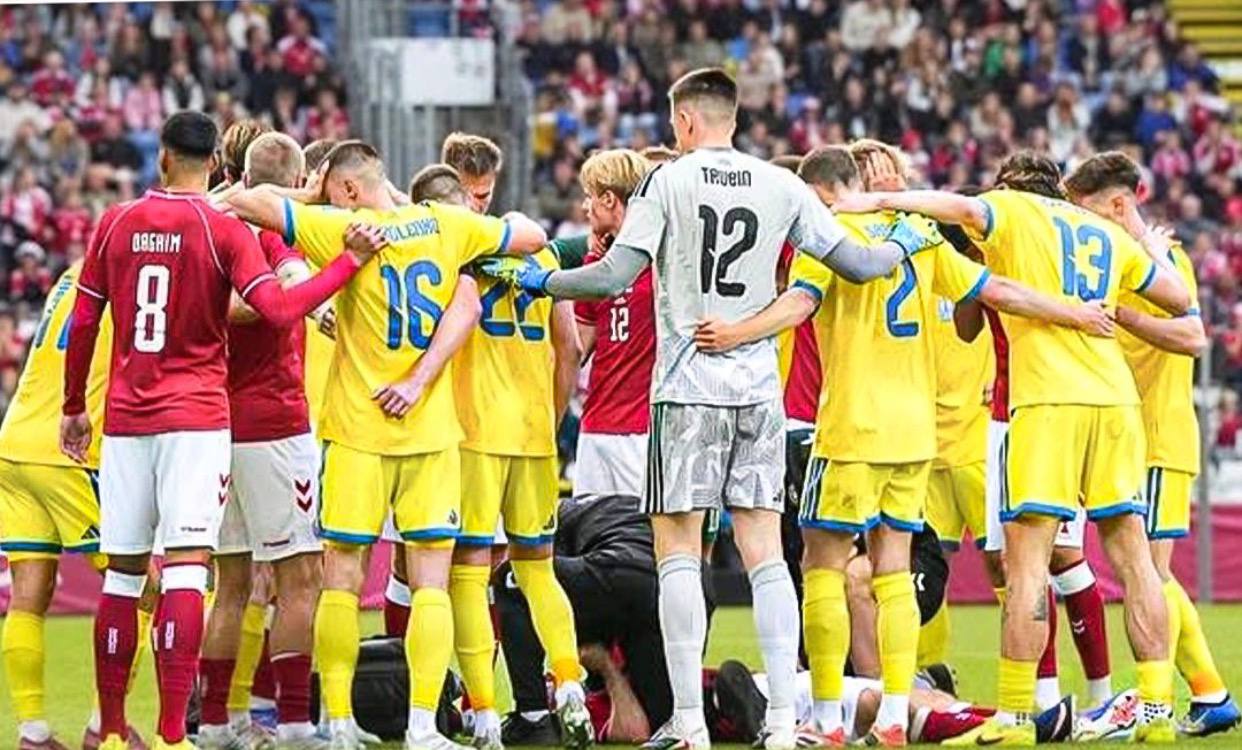
The 34-year-old midfielder, earning his 151st cap for his country, appeared to grab his chest before collapsing to the turf. The referee halted play immediately. Players from both Denmark and Ukraine, who knew immediately what they were watching, rushed over and formed a protective ring around their teammate — exactly as Denmark’s players had done five years before, on a different pitch, in a very different but painfully familiar scene.
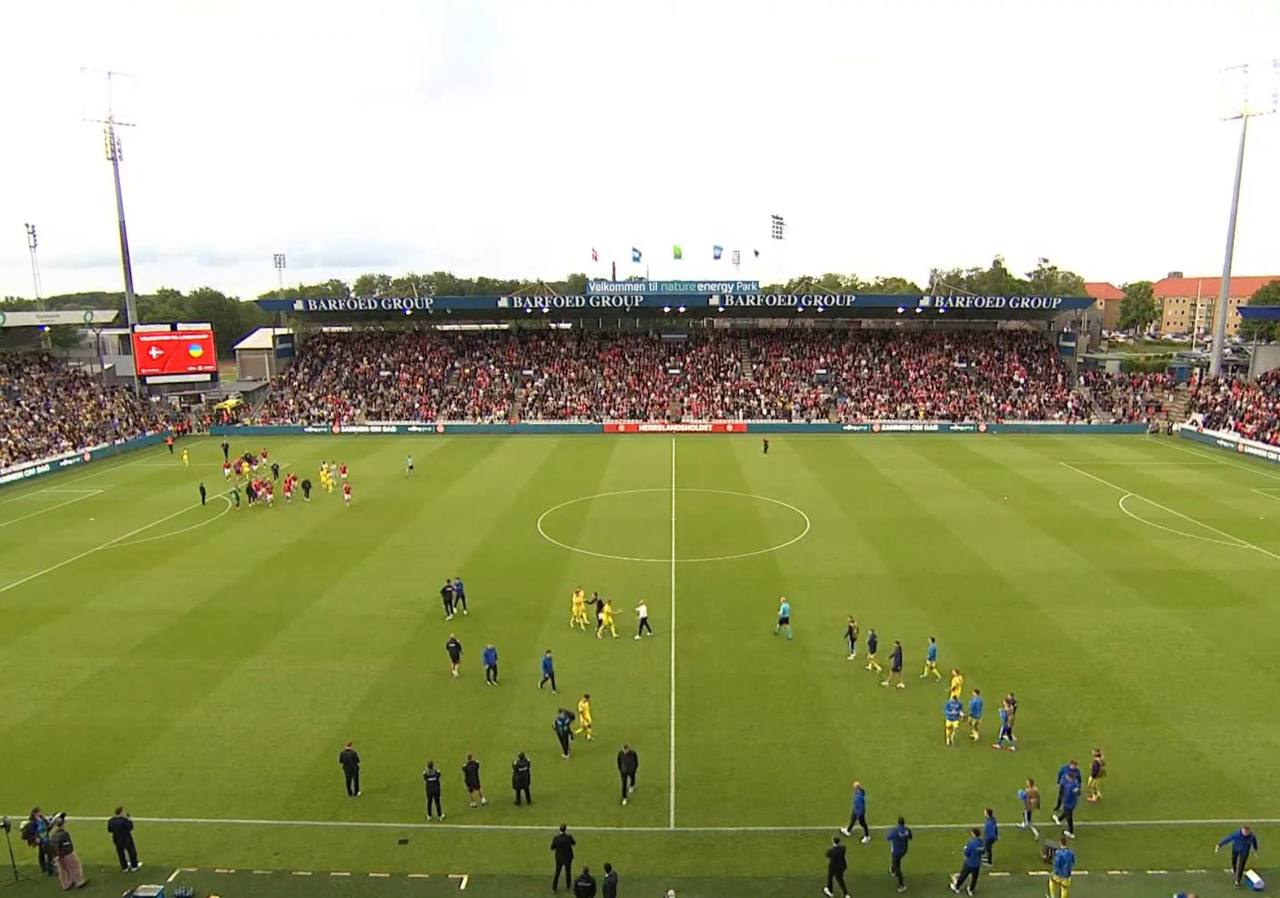
A hush descended over Nature Energy Park. Then came the chant: “Eriksen… Eriksen… Eriksen.” From fans in every corner of the stadium. Phones down. Scarves held. Just voices, willing one man to be okay.

“He was briefly unconscious, but regained consciousness very quickly, and we were quickly in contact with him. As I see it, the pacemaker responded as it should.“— Morten Boesen, Denmark national team doctor
The History Behind the Scare
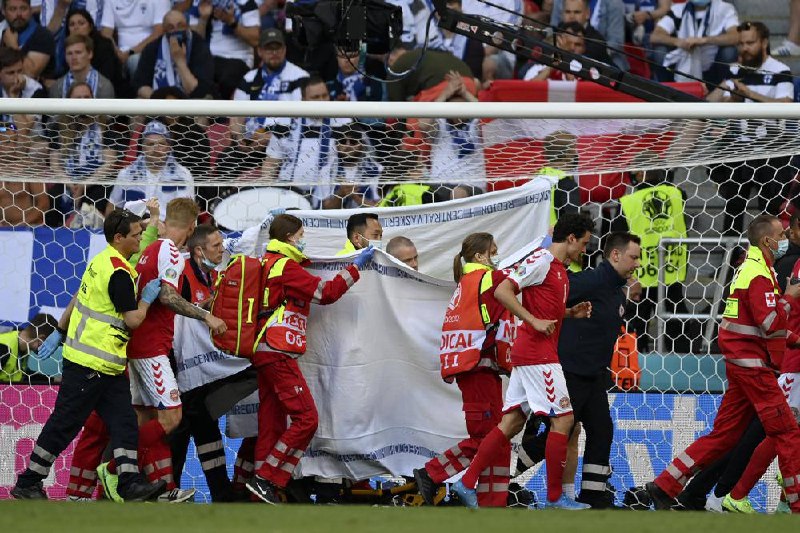
For those who don’t know the story — and at this point, it’s one of football’s most extraordinary tales — Christian Eriksen suffered a full cardiac arrest during Denmark’s opening game at Euro 2020 against Finland in Copenhagen. He was clinically dead on the pitch for several minutes before being revived by medics. The images were harrowing. The world wept. Nobody expected to see him play football again.
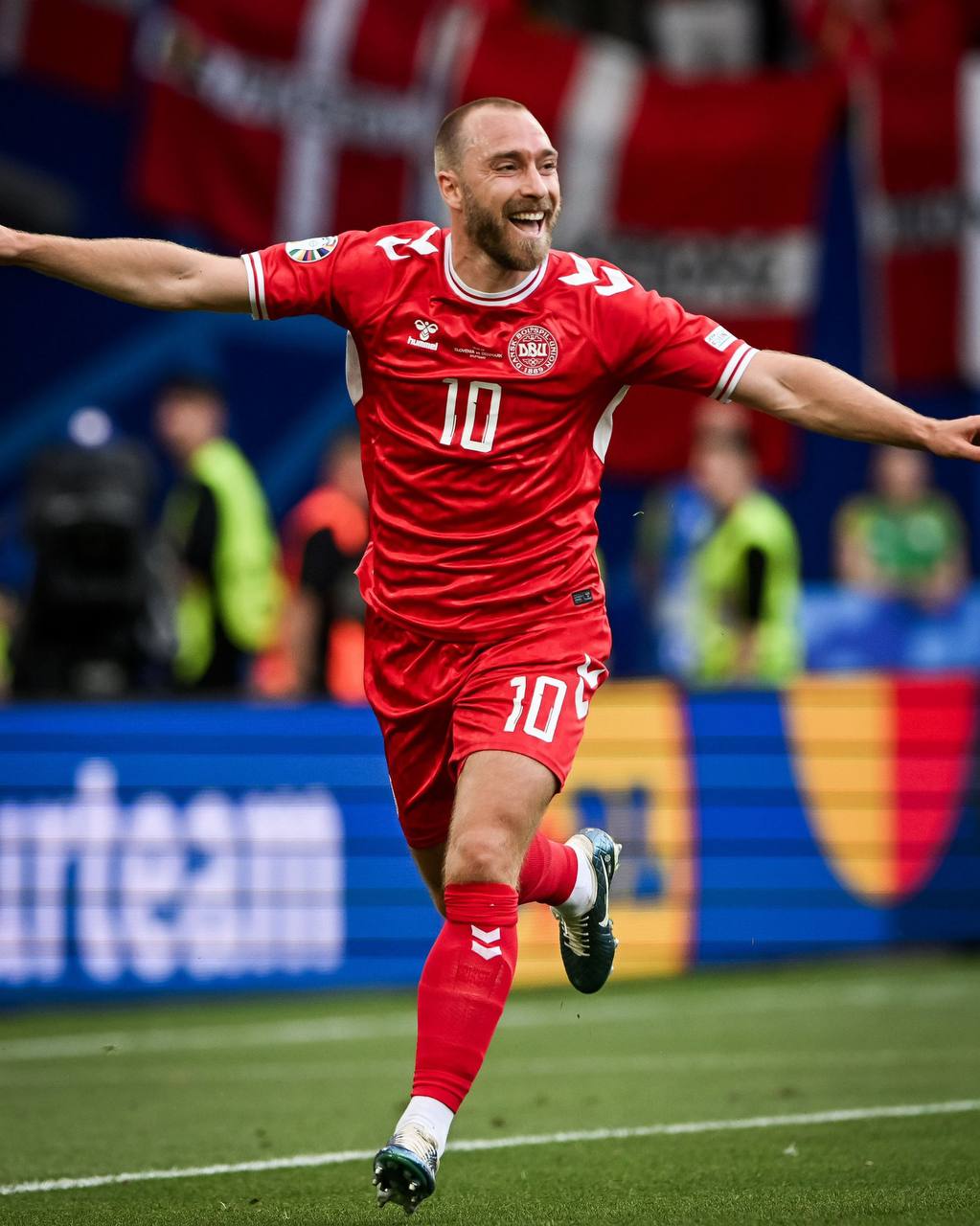
Then he came back. Within eight months. Fitted with an implantable cardioverter-defibrillator — an ICD, essentially an internal pacemaker that monitors his heart and delivers a shock if it detects a dangerous rhythm — Eriksen returned, first with Brentford, then Manchester United, and now Wolfsburg in the Bundesliga. He has played over 100 games since that night in Copenhagen. He has been capped 151 times for Denmark. The man is not just a footballer — he is a walking miracle.
Conscious, Stable, Walking
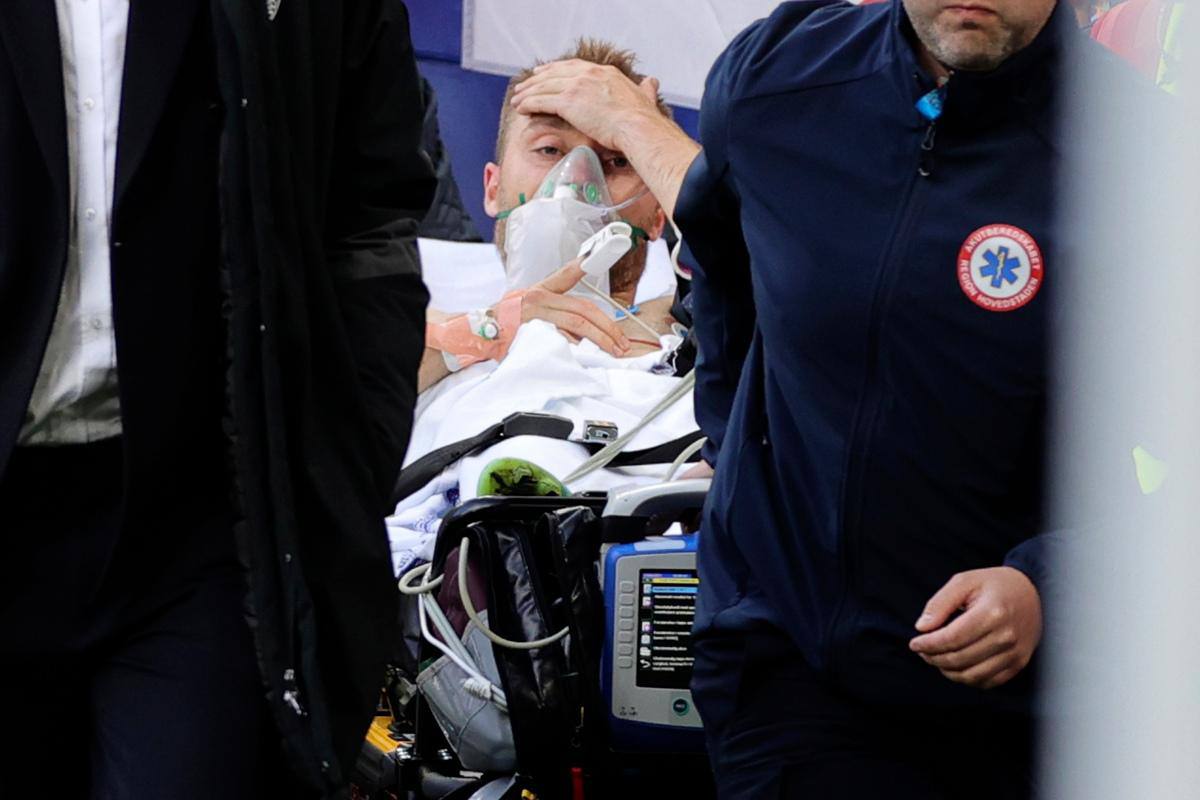
After ten minutes of medical attention on the pitch, Eriksen was taken off on a stretcher with an oxygen mask, transferred to hospital and — crucially — confirmed to be conscious and stable. The Danish FA posted on X: “Christian Eriksen is conscious and doing well under the circumstances.” Dr. Boesen confirmed that Eriksen even walked off the pitch under his own power. The ICD had done its job.
The Match — and What It Means Now
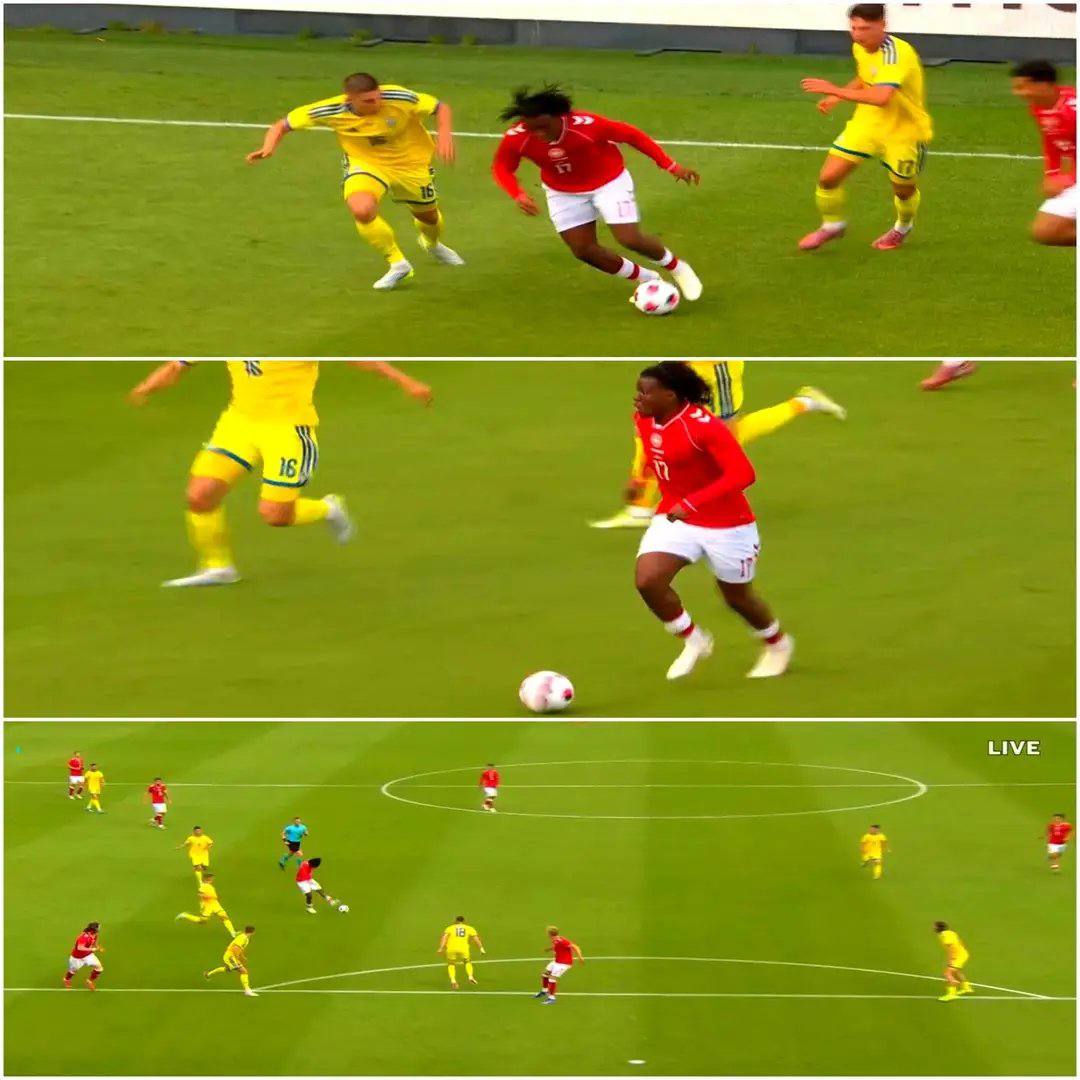
In another time, on another night, Denmark’s display would have been the story. Dorgu — the brilliant young wing-back — opened scoring with a composed finish. Maehle doubled the lead with a powerful long-range effort. Ukraine showed fight through Tsygankov’s smart goal before the break. It was a tight, competitive dress rehearsal. But the football was rightly forgotten.
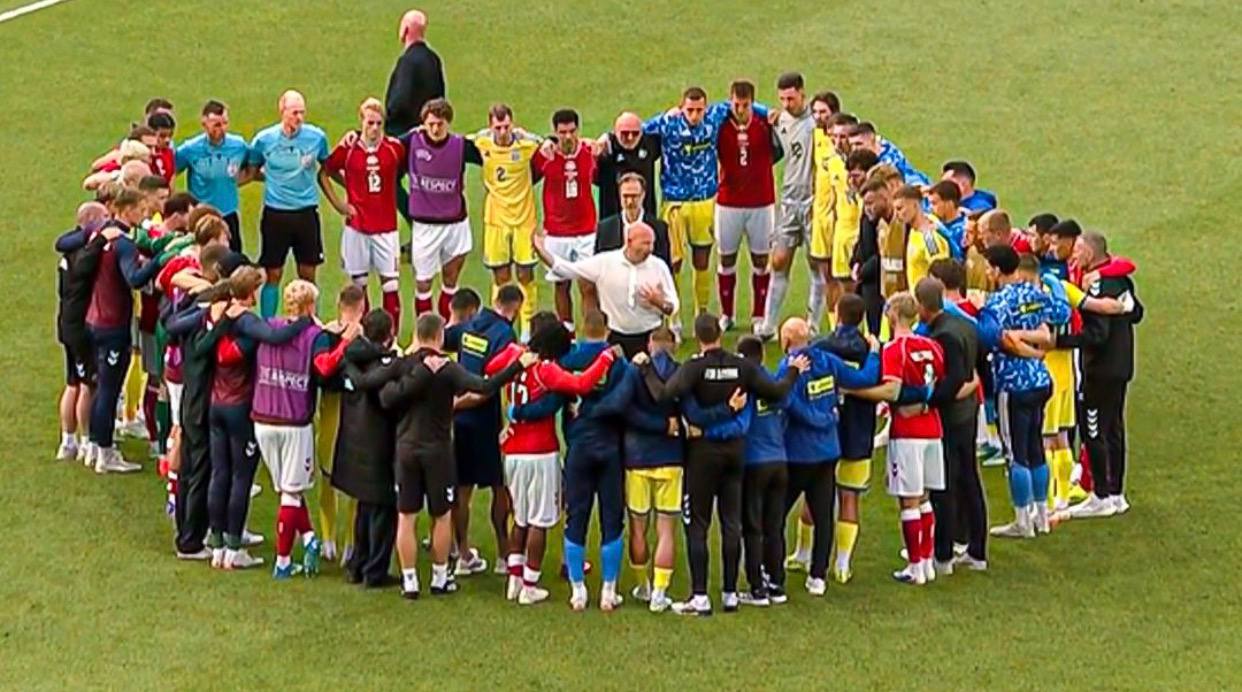
Players from both sides embraced after the abandonment in the 79th minute. Nobody was thinking about World Cup preparation or squad selection or tactical shape. They were just thinking about their teammate, their opponent, and the man who keeps proving, over and over again, that football is only a game — but his heart is something else entirely.
Denmark open their World Cup campaign in just days. All eyes — and all hearts — are on Number 10 first.