



By Michael Nsikan Richard – November 12th, 2025

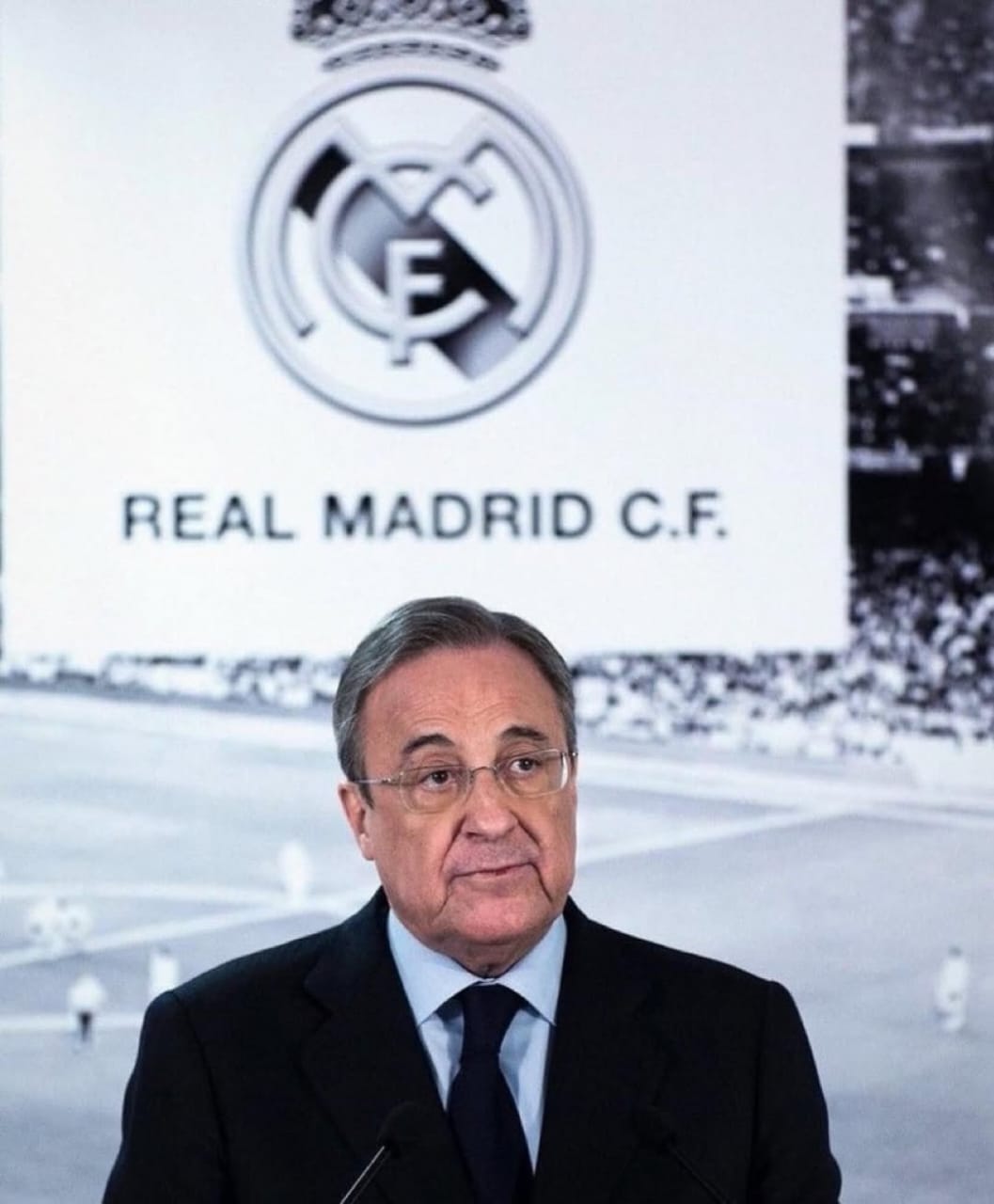
Real Madrid Club de Fútbol is currently exploring the most radical change to its governance model since its founding in 1902.
The club, traditionally a member-owned non-profit entity (socio model), is actively looking into methods to inject external capital while attempting to retain democratic control by its members.
This potential historic transformation of Madrid’s 123-year-old ownership model marks what could be the most significant governance change in the club’s history.
President Florentino Perez has been actively investigating various restructuring options over the past 18 months, with a formal presentation expected at the upcoming General Assembly scheduled for November 22, 2025.
Current Ownership Model
According to Football Espana, Real Madrid has maintained a unique member-owned structure since its founding in 1902, where the club is collectively owned by its socios (fan members), who possess voting rights to elect the president and board.
Currently, the club is 100% member-owned, with the president elected by the membership. Real Madrid is one of only four La Liga clubs owned by their members, alongside FC Barcelona, Athletic Club, Club, and Osasuna.
Rationale for Change
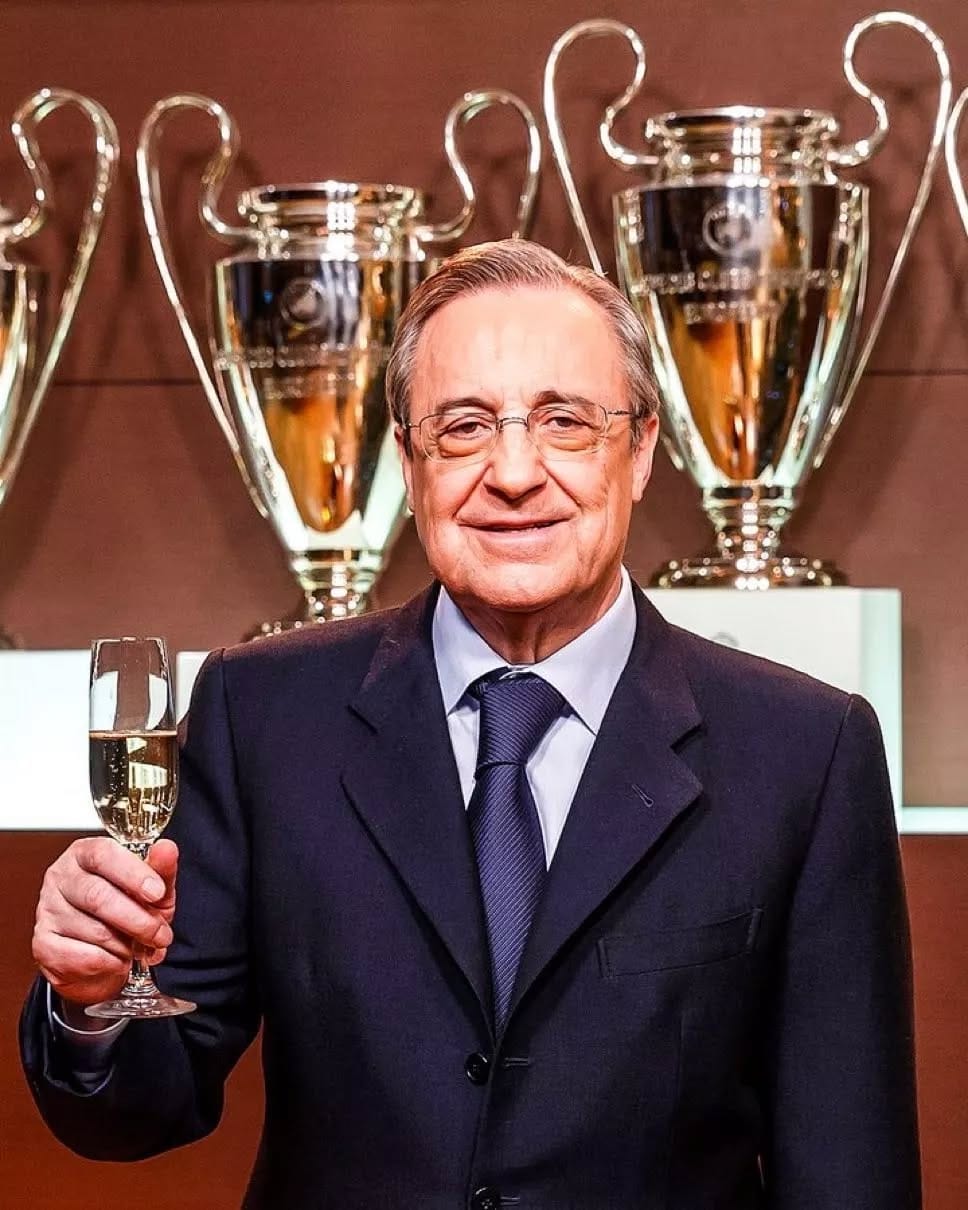
Tribuna reports that Perez has argued that the member-owned structure limits Madrid’s ability to compete financially with clubs backed by billionaires or state funds, despite record revenues exceeding €1 billion in 2024-24.
The club reported a turnover of €1.185 billion last season, their highest ever, with a net debt of just €12 million and a treasury of €166 million.
Despite these impressive financial metrics, Perez believes the traditional financing methods restrict the club’s competitive edge in the modern football economy.
Proposed Ownership Models Under Consideration
Two-Entity Split Model: The most frequently discussed option involves splitting the club into two entities—one overseeing football operations and another handling business activities such as stadium revenue, merchandising, and events where external investors could purchase shares in the business side while socios retained majority control. This approach aims to attract commercial investment while preserving member ownership of the football operations.
The 50+1 Model: The Bundesliga ownership rule, designed to ensure members retain a majority stake in clubs, has also been discussed. This German-style model would mandate that socios maintain at least 51% ownership while allowing up to 49% external investment.
Bayern Munich-Style Structure: Under consideration is a model resembling Bayern Munich’s, where around 76% of the club would be owned by a foundation representing fans and members, with the remaining percentage belonging to corporate partners.
Another variation would involve selling 49% of Real Madrid to investors, leaving club members as the majority shareholder or potentially making the Real Madrid Foundation the majority shareholder.
Internal Division and Key Players

Football Espana reports that there is a split on the Real Madrid board over the issue, with Perez and advisor Anas Laghari, who played a crucial role in the creation of the Super League, in favor of a model that would see Los Blancos split into a football operation and a separate commercial business.
Opposing the idea are a significant chunk of his board, including brother Enrique Perez and General Manager Jose Angel Sanchez.
Timeline and Next Steps
According to reports by Football Espana, the General Assembly will be held on November 22, during which club members will vote on the usual items, such as approving the annual accounts and budgets for the coming year, and Perez will then explain a change of model that he has been exploring for the past 18 months.
Perez will also call an extraordinary General Assembly in which he will present plans for a change to the ownership model.
Any proposed changes will require approval from Real Madrid’s membership through a referendum. Perez insisted Los Blancos would always belong to the club’s socios at last year’s annual assembly, saying he would bring a proposal for the club’s corporate reorganization that clearly secures their future, protects them from threats, and guarantees that members are true owners of their club and full owners of their economic assets.
Strategic Implications
The 78-year-old Perez appears determined to implement structural changes before concluding his presidency, viewing this as essential for securing Real Madrid’s long-term competitiveness against Premier League clubs and state-backed entities.
However, the challenge lies in attracting external investment without diluting member control or sharing decision-making power over football operations.
The coming weeks will prove critical as Perez attempts to convince The Socios that external investment represents a necessary evolution rather than an abandonment of the club’s traditional values and democratic governance structure.
BREAKING: REAL MADRID DOMINATE VILLARREAL 3–1 IN STRONG STATEMENT WIN