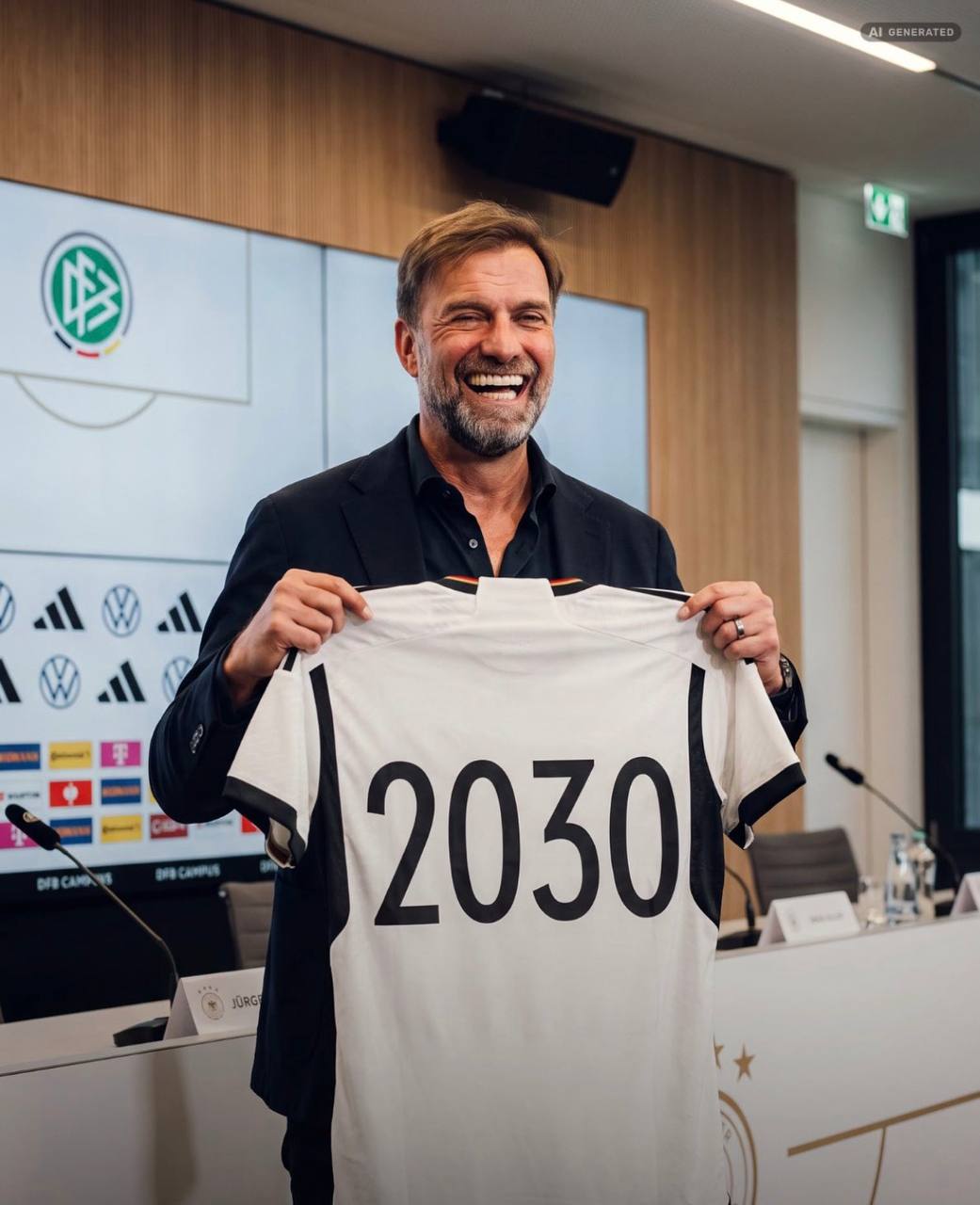


German football just pulled off its most electric managerial move in a generation. Jurgen Klopp has been officially appointed as Germany’s new head coach, ending a two-year absence from the touchline and replacing Julian Nagelsmann in one of the boldest rebuilds international football has seen in years.

From Round of 32 Disaster to Klopp’s Rescue Mission
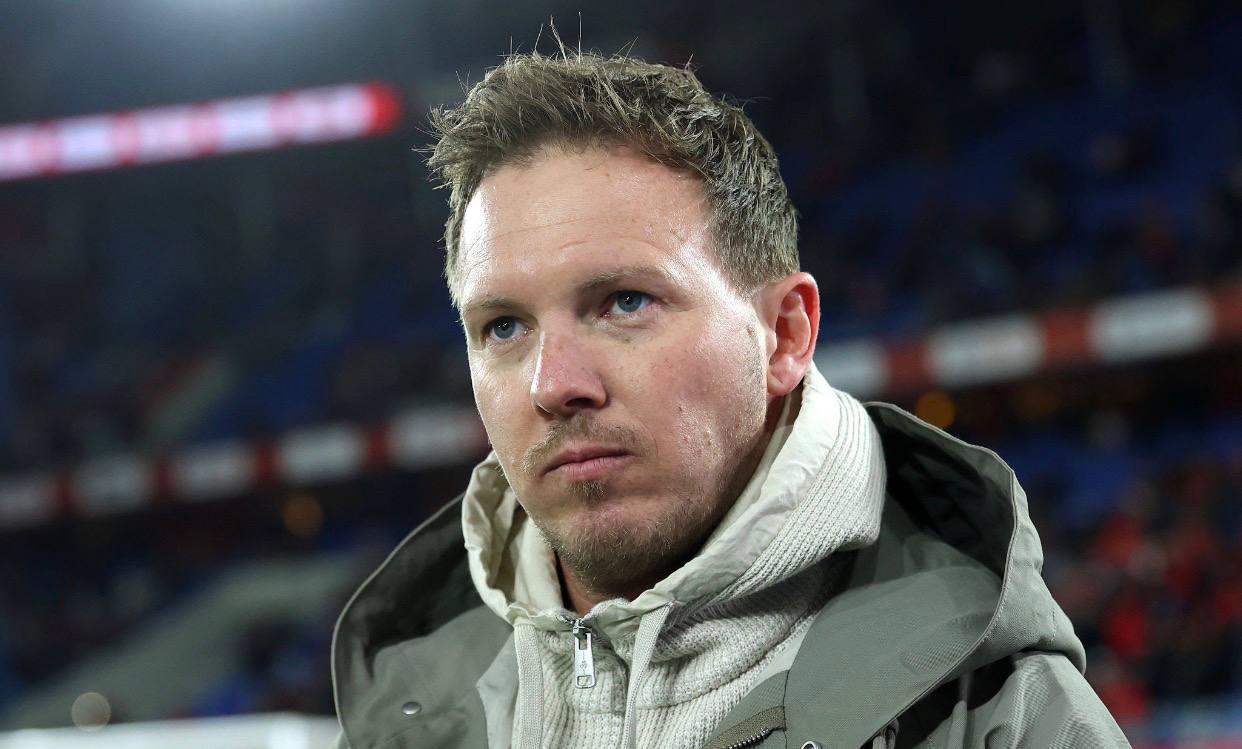
The timing tells the whole story. Nagelsmann resigned days after Germany suffered a shock Round of 32 exit at the 2026 World Cup, beaten by Paraguay on penalties 5-4 after a draw failed to separate the sides. It was a humiliating result for a nation with four World Cup stars on its badge, and the German Football Association, known as the DFB, moved fast. Confirming Klopp’s appointment, DFB president Bernd Neuendorf did not hide his enthusiasm, calling the former Liverpool boss the federation’s unequivocal first choice from the moment Nagelsmann walked away.
Breaking the Red Bull Contract for the Dream Job
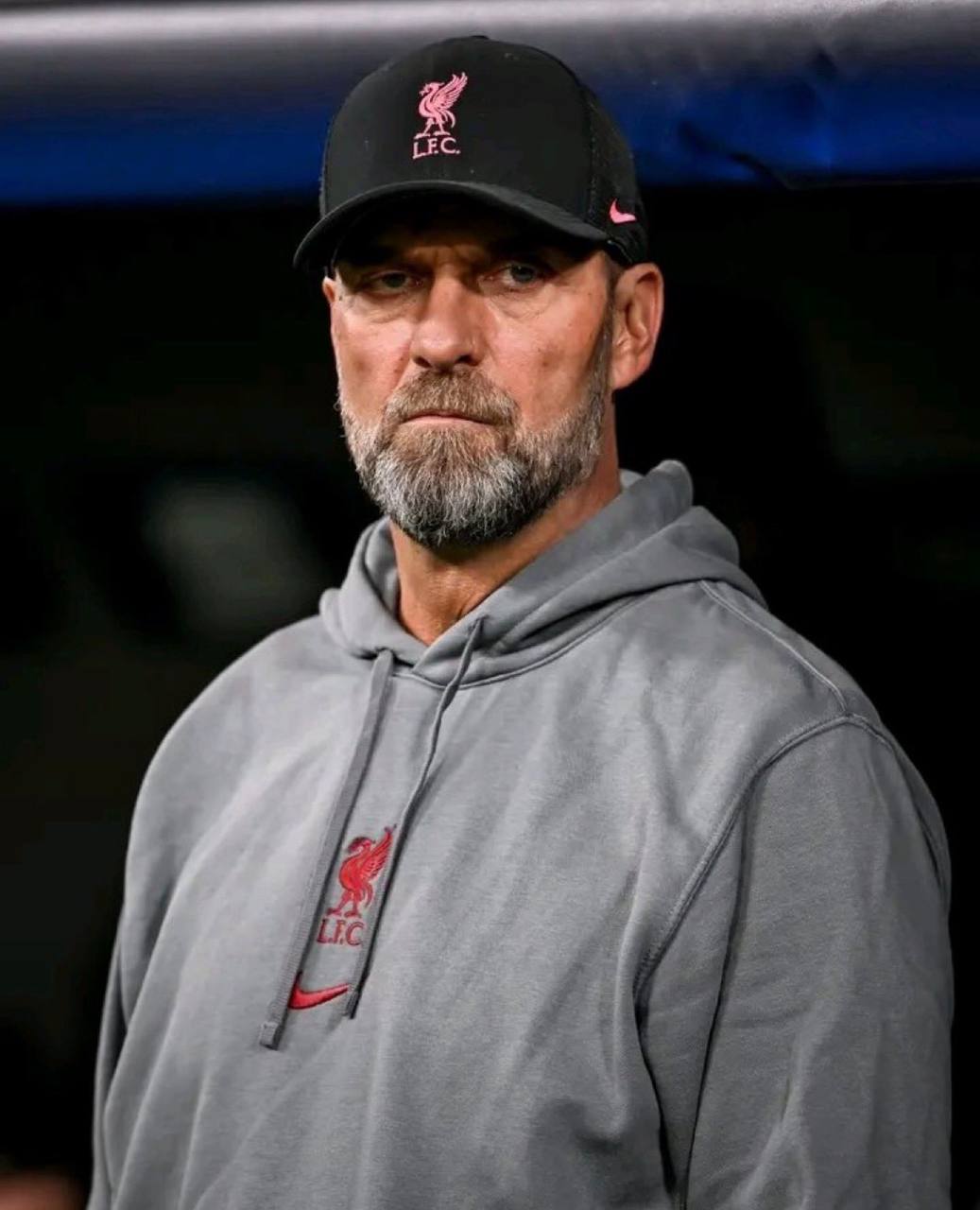
Klopp’s route back into a dugout was not straightforward. Since leaving Liverpool in 2024, citing that he was simply running out of energy after winning six trophies in nine years at Anfield, Klopp had been working as Red Bull’s global head of football, under contract until 2029. Getting him out required what Klopp himself described as a very generous solution negotiated directly with Red Bull. The result is a four-year deal that runs through the 2030 World Cup, with Klopp officially beginning his duties on August 15.
The Backroom Reunion Fans Have Been Waiting For
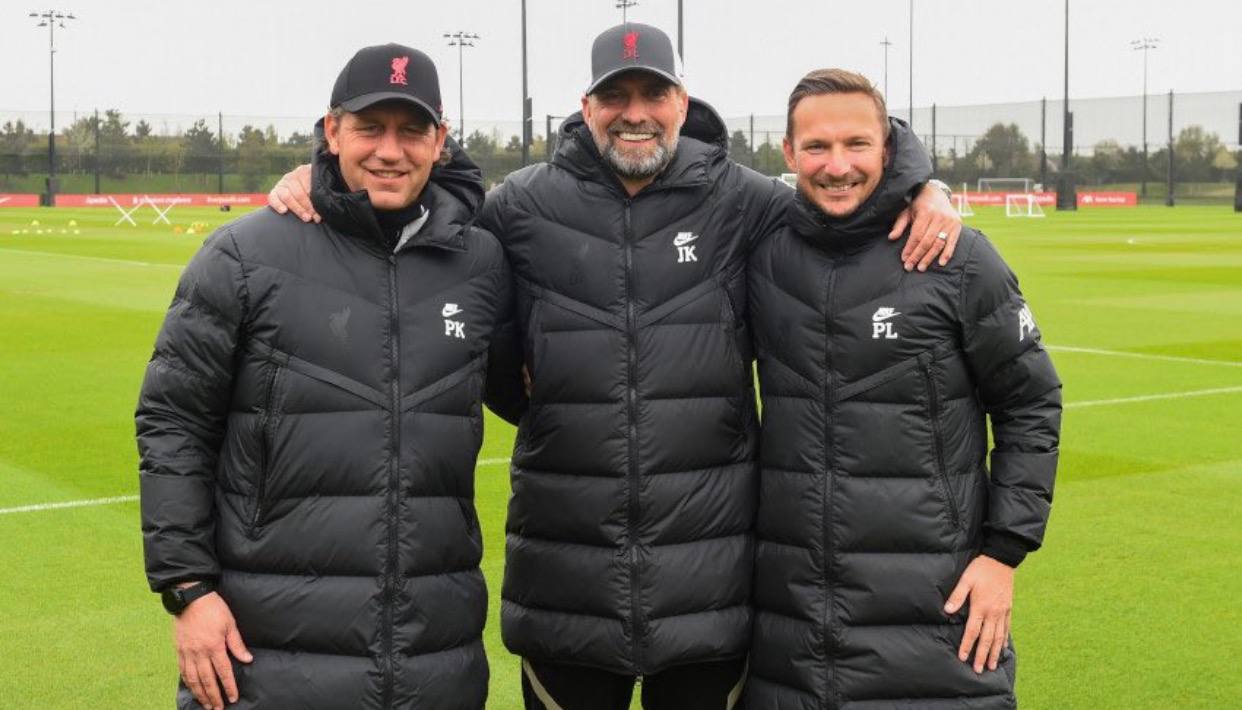
Klopp is not walking into this job alone. He has brought back two of his most trusted lieutenants from the Liverpool glory years, Peter Krawietz and Pepijn Lijnders, alongside former Germany international Sven Bender. It is a staff built on chemistry and continuity, the same qualities that turned Liverpool into Champions League and Premier League winners under Klopp’s watch. Germany also confirmed that Per Mertesacker, stepping down after eight years running Arsenal’s academy, will join as the DFB’s new managing director for sport starting in January, signaling a broader overhaul of how the national team develops talent.
A Different Approach to Player Relationships
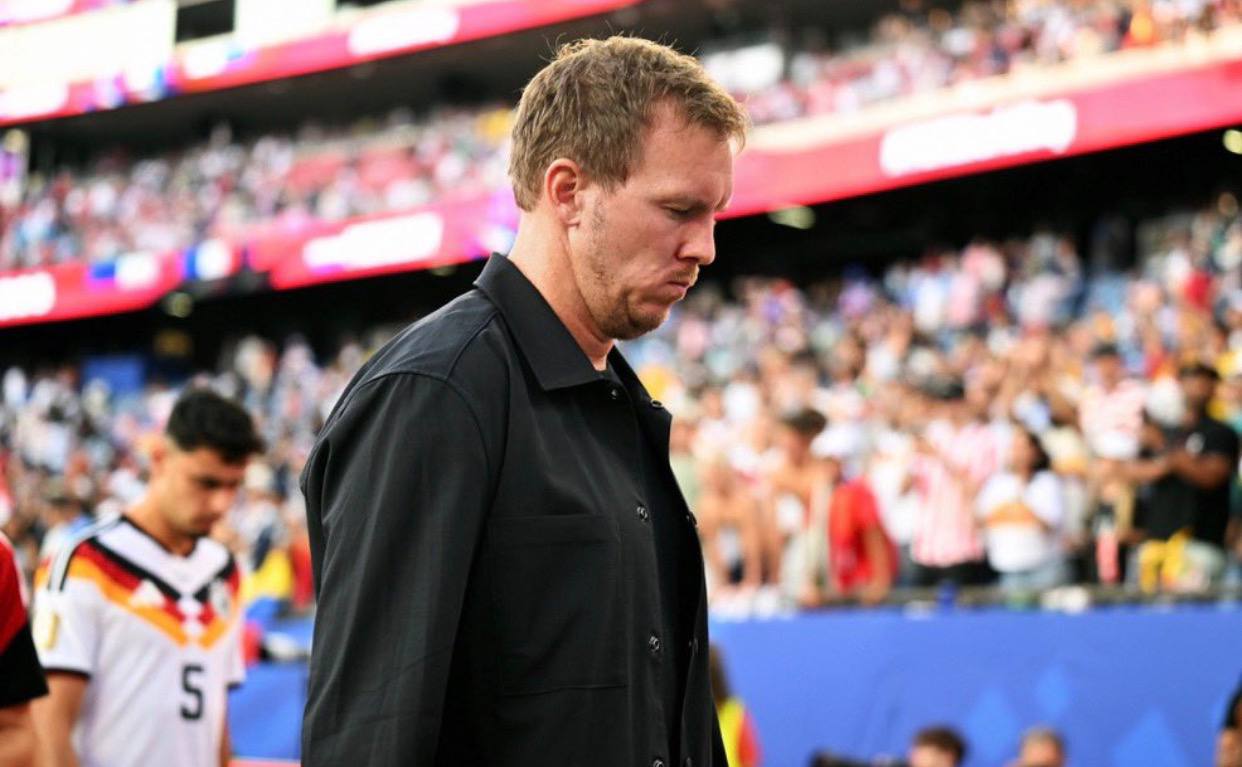
One of the sharpest contrasts Klopp is drawing with his predecessor is accessibility. Nagelsmann faced criticism for rarely visiting players at their clubs, reportedly never watching Kevin Schade at Brentford, Yann Aurel Bisseck at Inter Milan, or Niclas Fullkrug at West Ham in person. Klopp has made clear that will change, insisting on direct, face-to-face relationships with a pool of roughly 57 to 60 players he considers genuinely attractive options for the national team going forward.
Setting Boundaries From Day One
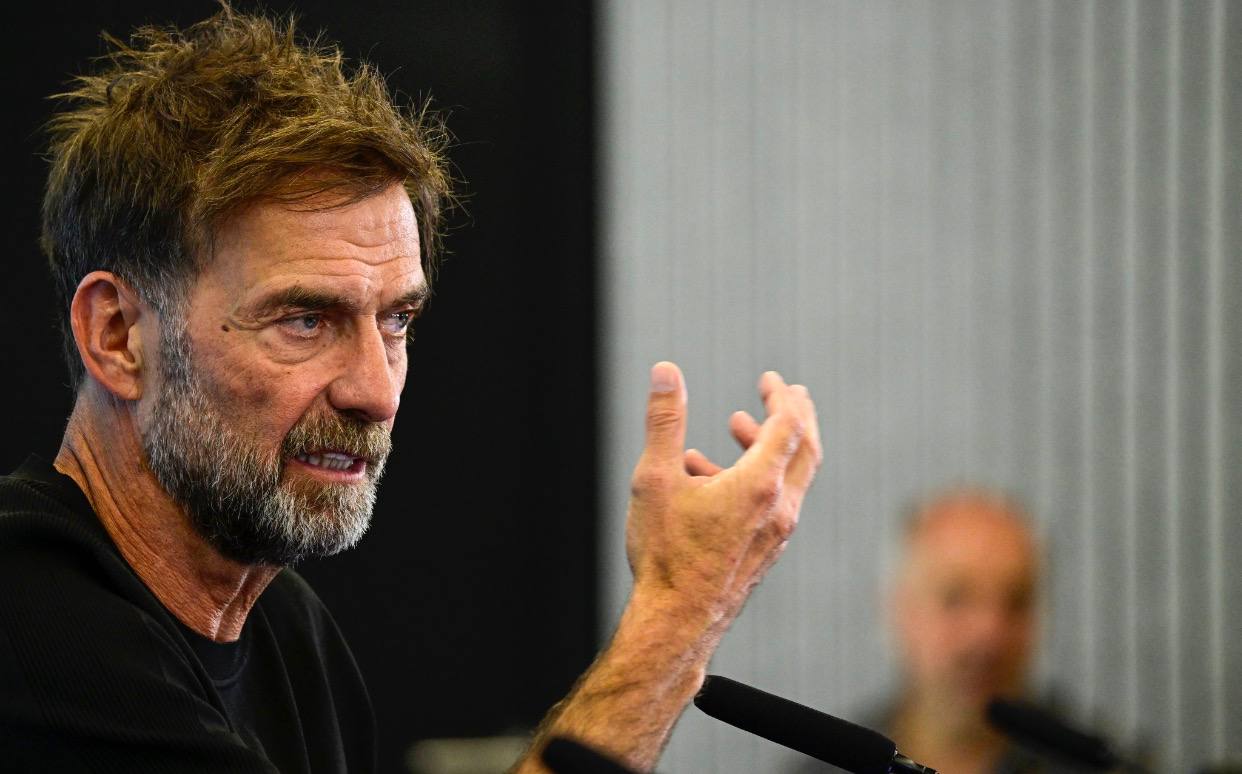
Klopp used his unveiling to send an early warning to the German press, stating plainly that he will walk away from the job if his family is not treated with respect, a pointed reference to the scrutiny Nagelsmann endured. It is a defiant, characteristically Klopp opening statement, part welcome speech and part manifesto.
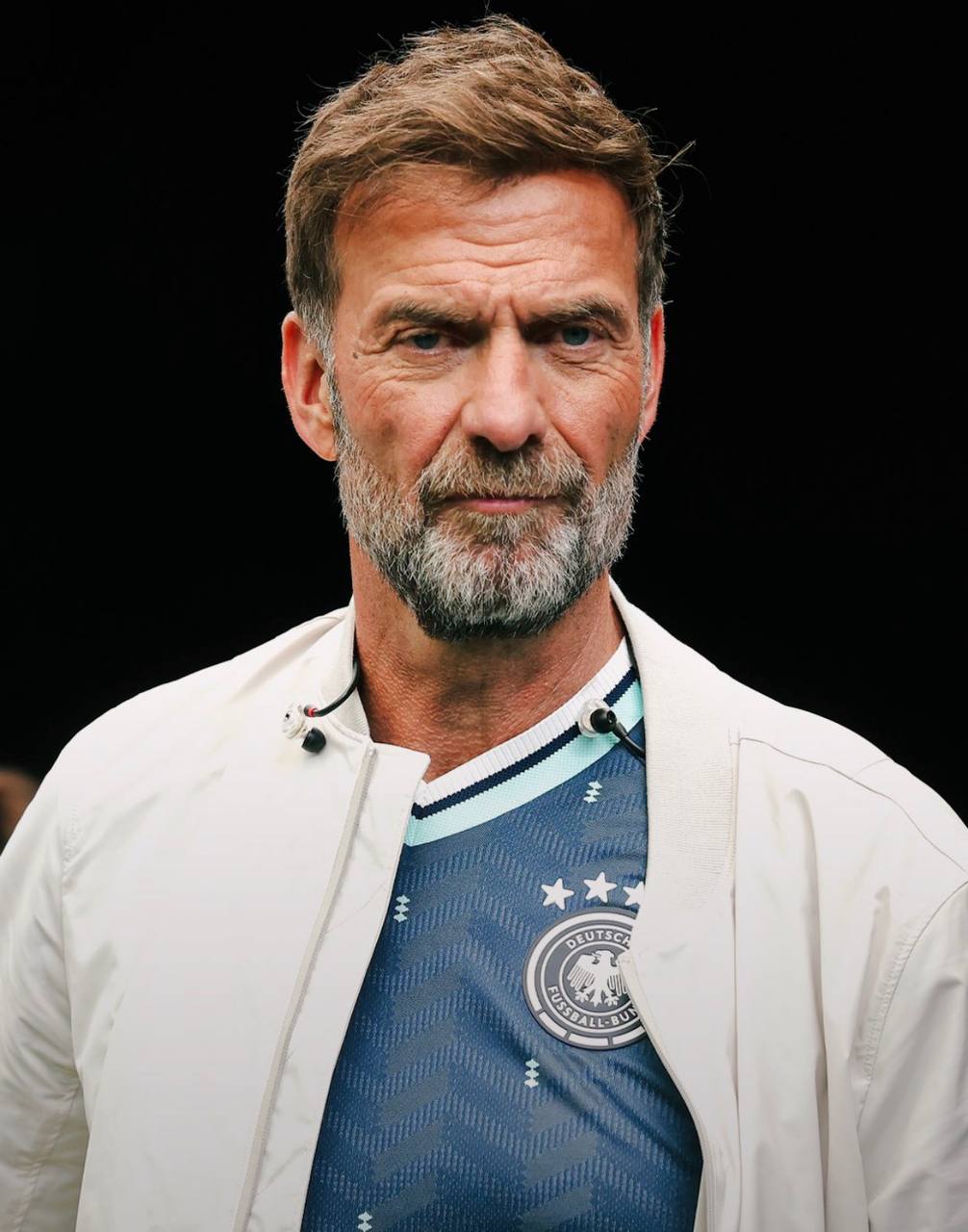
Germany’s rebuild starts now, and the pressure is entirely on Klopp to prove that his famous intensity and man-management can translate from club football to the international stage, with the 2030 World Cup looming as the ultimate deadline.