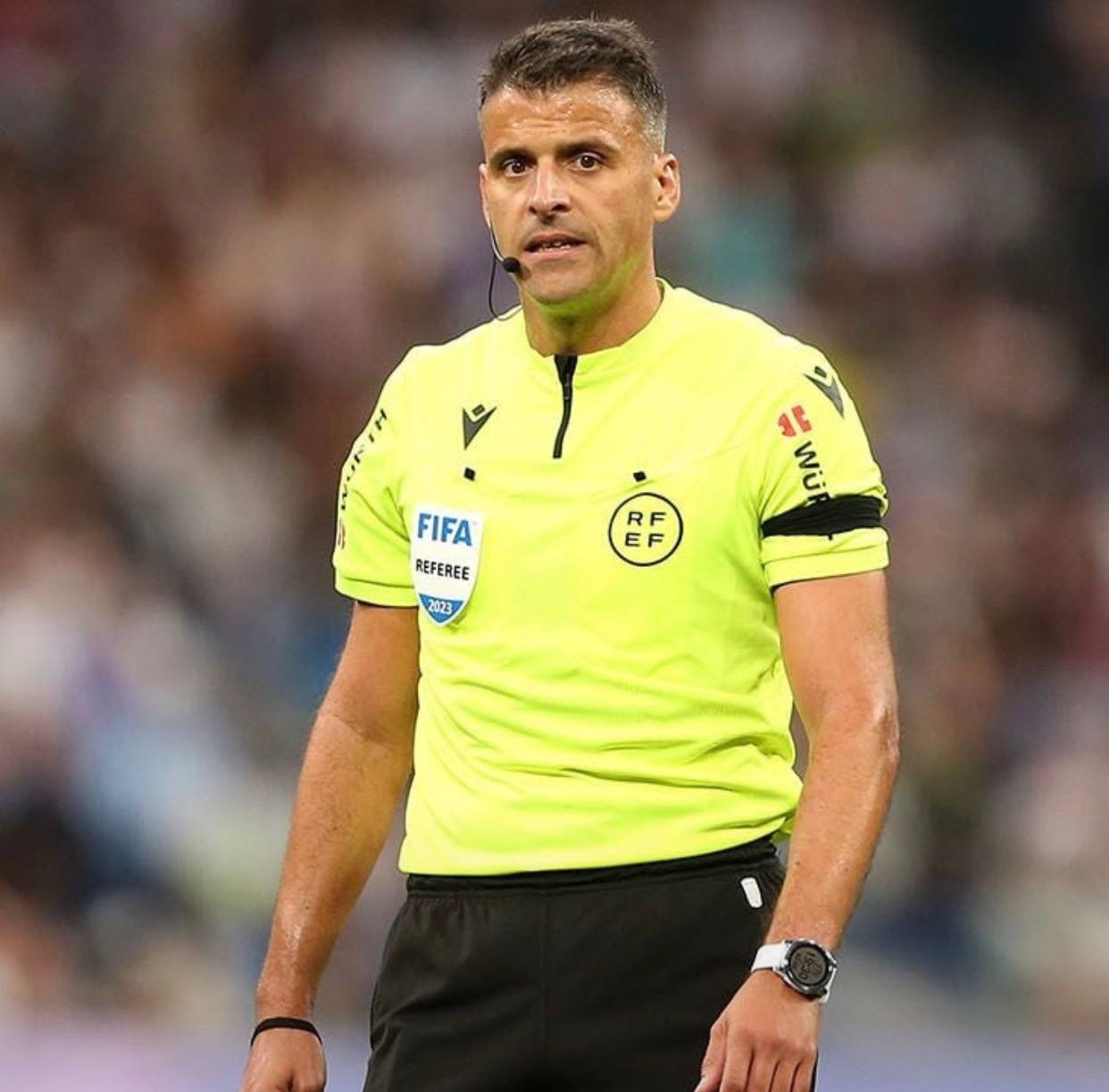








The man with the whistle is finally getting a microphone. Spanish football is about to do something it has never done: let referees explain their decisions after the final whistle. Before you picture a referee behind a desk after every single game, let us get the facts straight, because this story is big enough without exaggeration.

What Exactly Is Changing?

La Liga referees will give post-match interviews, not full press conferences, and not after every match. Each TV operator gets one referee interview per matchday in the mixed zone, so two referees will speak every weekend. They will explain the most controversial moments from selected matches. Movistar and DAZN are the two broadcasters involved.
When Does It Start?
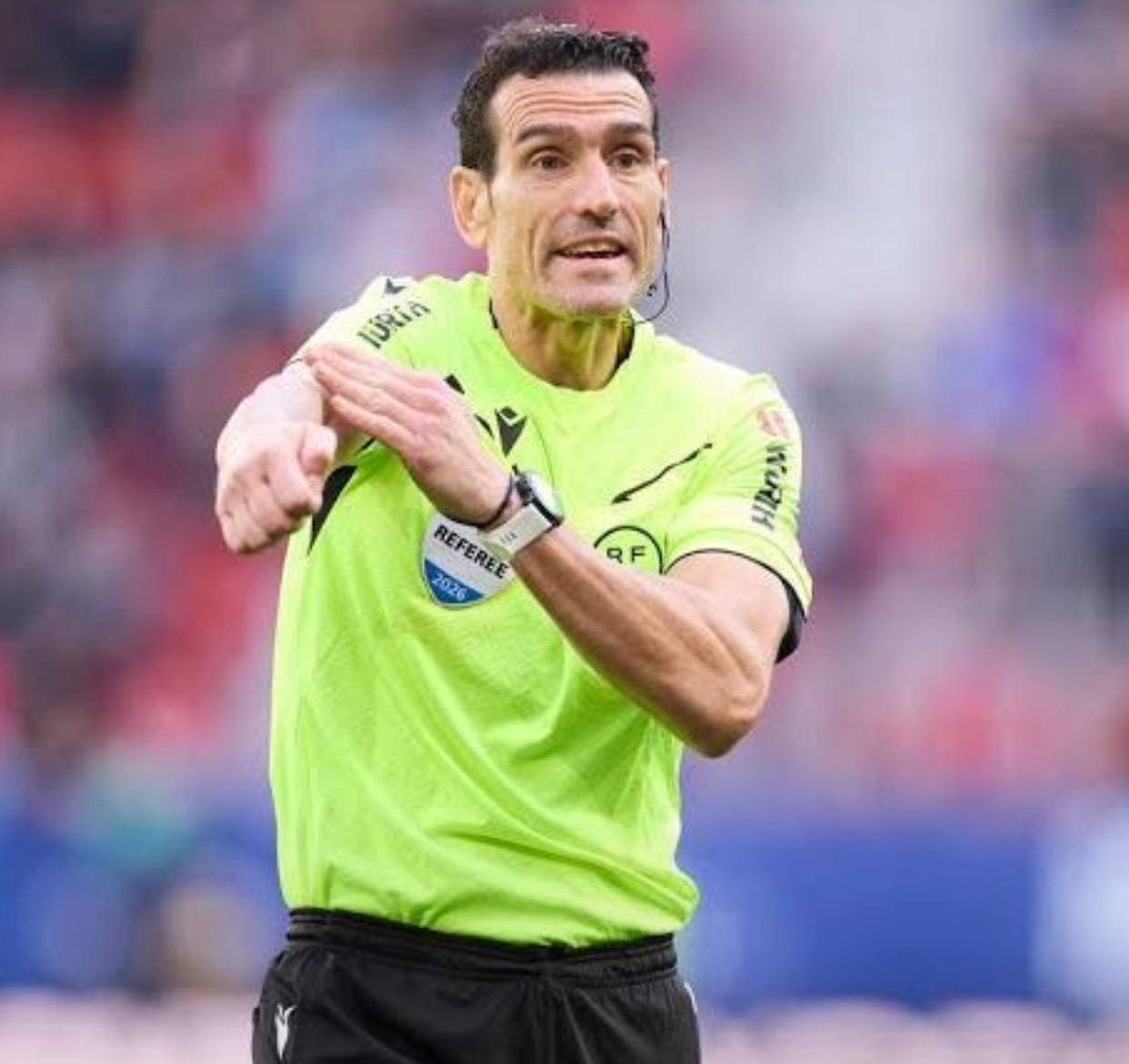
This weekend. Mundo Deportivo reported that referees would start speaking after matches from round 11, right after El Clasico. The first interview is expected after the Basque derby, Athletic Club vs Real Sociedad at San Mamés on Sunday, November 1. That game kicks off at 9pm, which is also 9pm in Nigeria. DAZN announced that one of its reporters will speak to the referee.
Why Are La Liga Referees Talking Now?
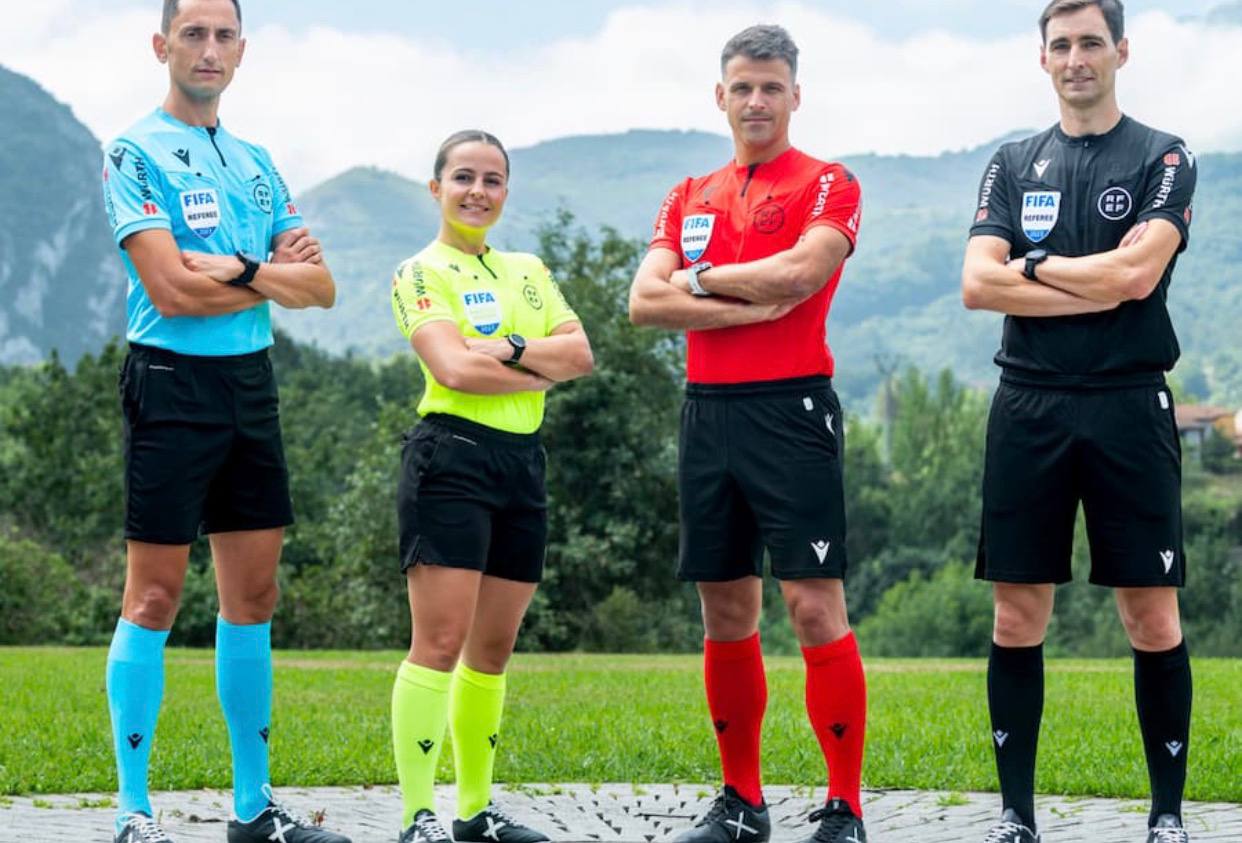
It started with a deal. The referees’ union AESAF, La Liga and the Spanish federation reached an agreement last summer to improve transparency, and in return La Liga pays an audiovisual bonus of 500,000 euros. The principle of the agreement was reached on June 30 at Las Rozas. Pre-match chats came first: this season referees were interviewed before games for the first time. Post-match is the next big step.
Why Spanish Football Needed This

Refereeing in Spain has been a battlefield. Before last year’s Copa del Rey final, referee Ricardo de Burgos Bengoetxea broke down in tears at a press conference after Real Madrid’s TV channel criticised him, and Real boycotted their pre-match duties. When officials stay silent, anger fills the gap. Letting them explain a VAR call or an offside decision could lower the temperature.
The Risks and the Rewards
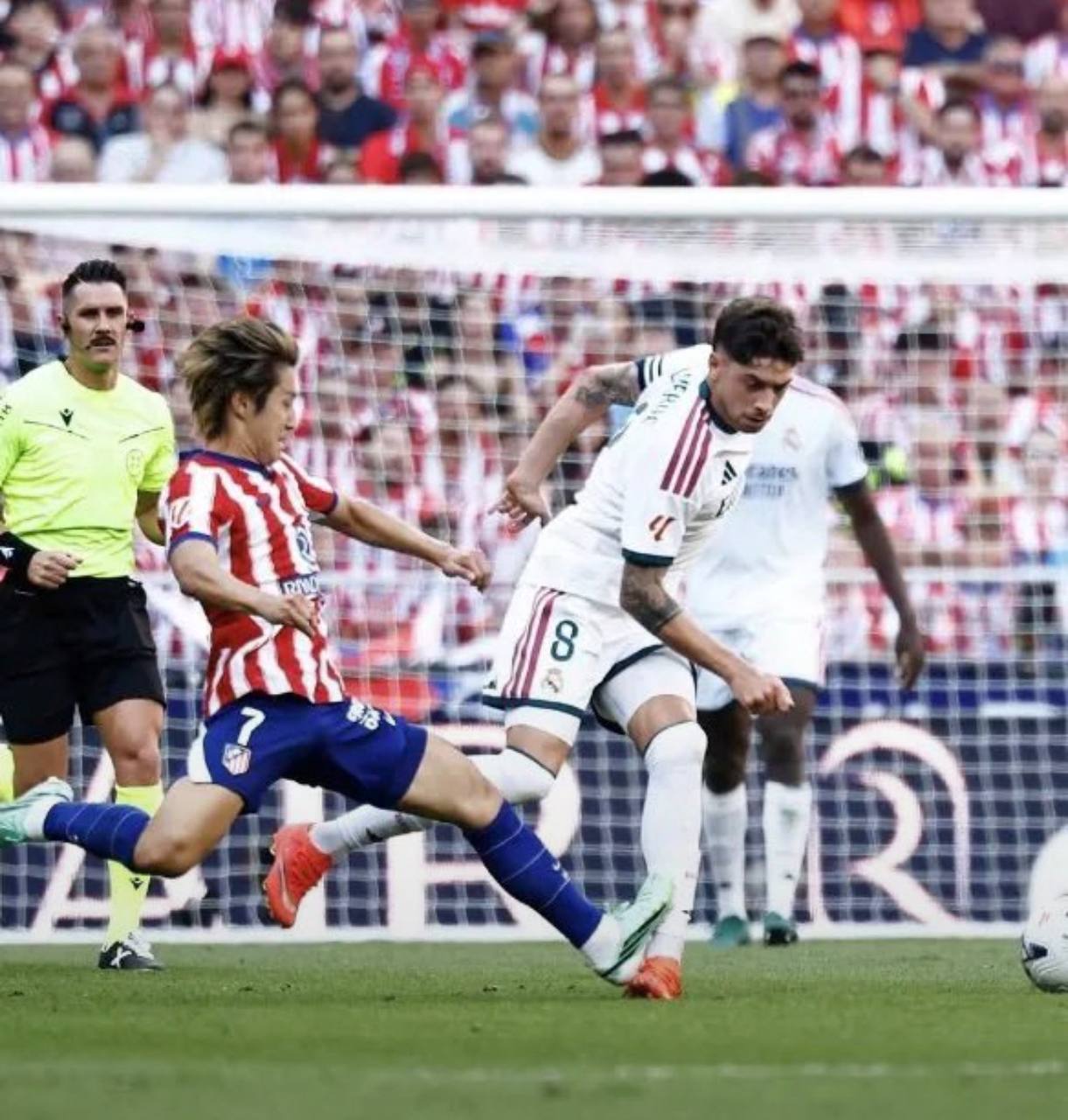
The upside is obvious: fans hear the reasoning straight from the source. The move also joins other transparency tools, including the weekly review show and the referee camera clips.
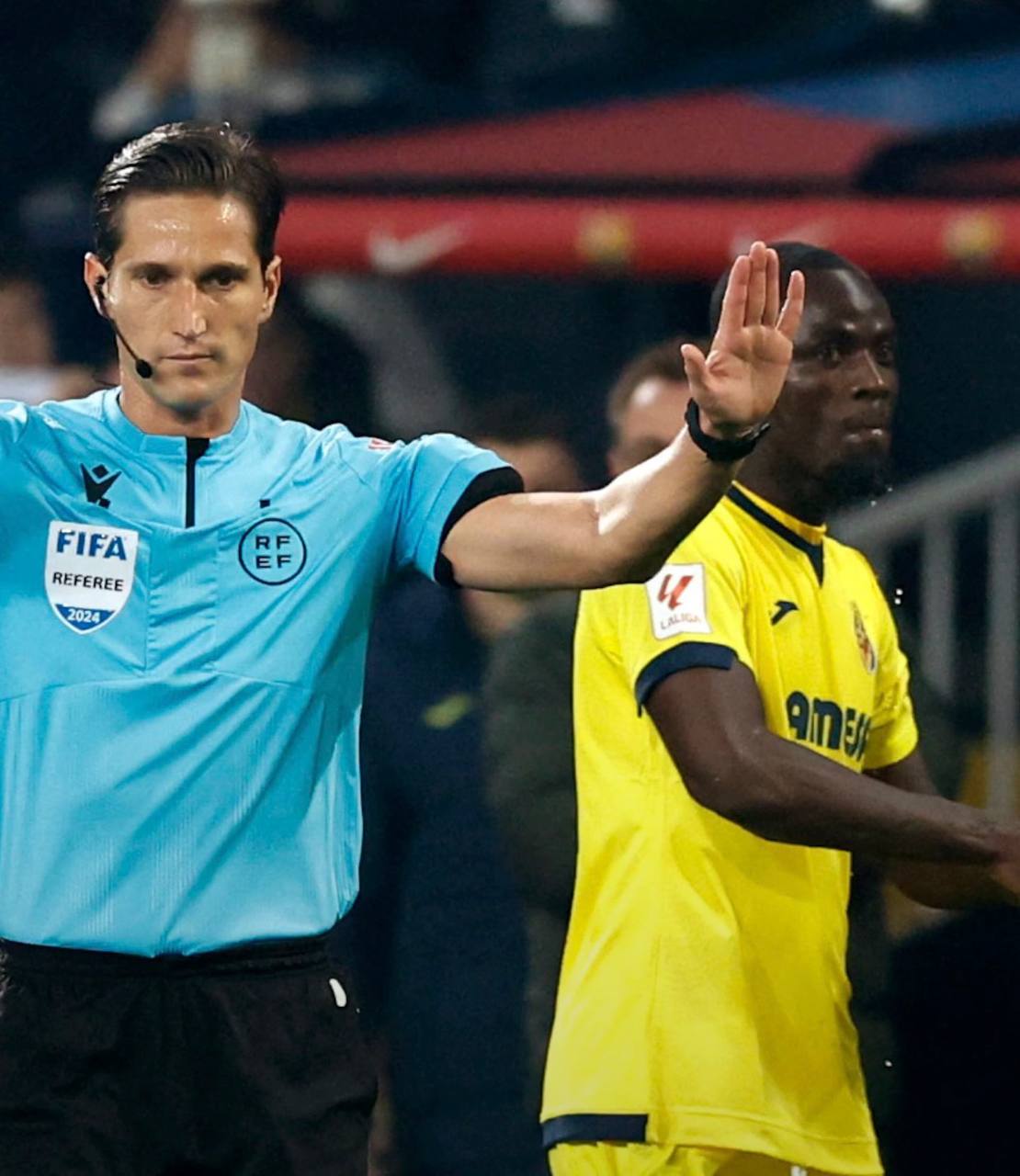
The risk is just as real. A referee who admits a mistake on camera could fuel social media rows for a week, and broadcasters may chase the controversy rather than the context. Much will depend on how honest and calm these first interviews are.
You can also check out our YouTube for more sport news @ShapHub