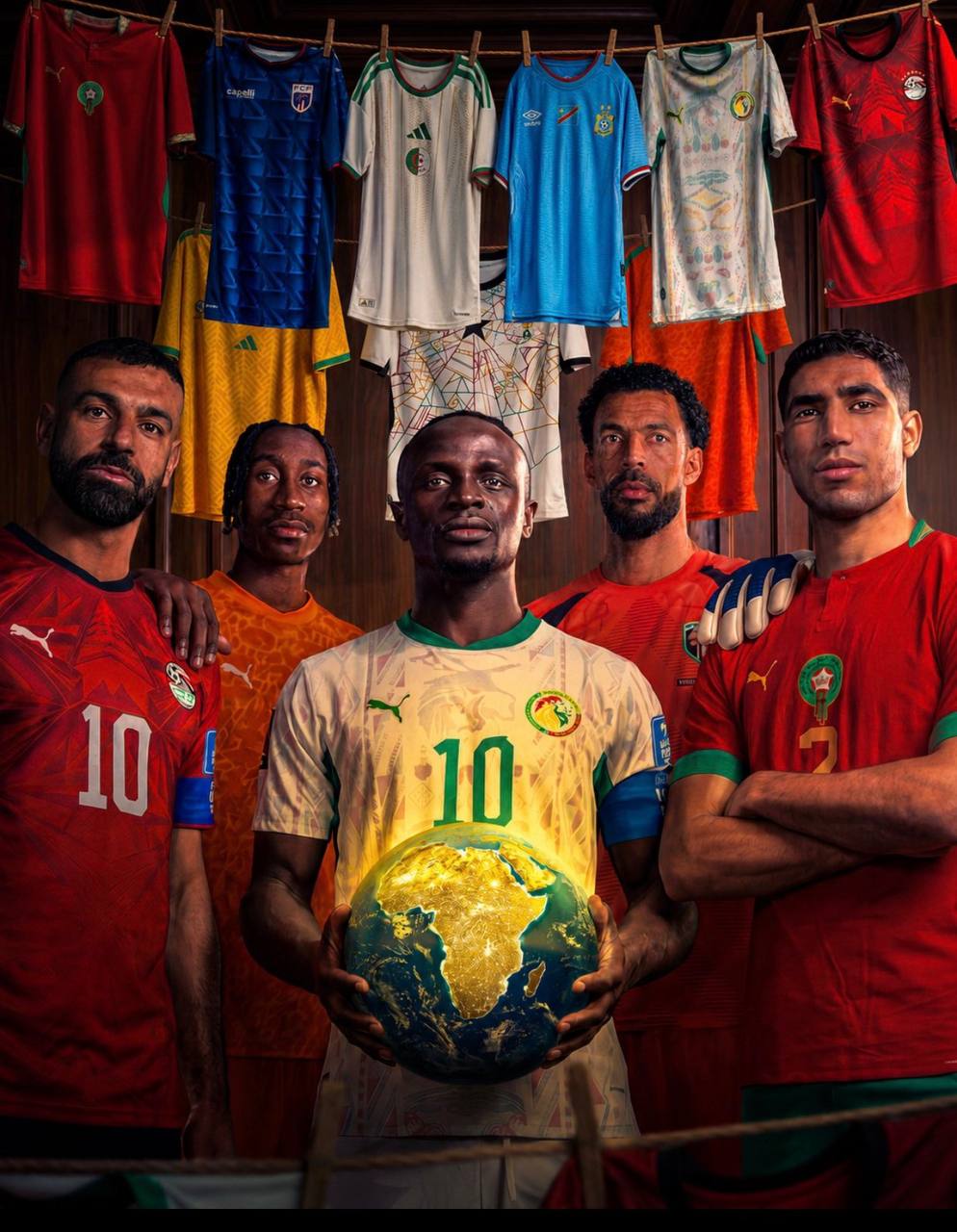
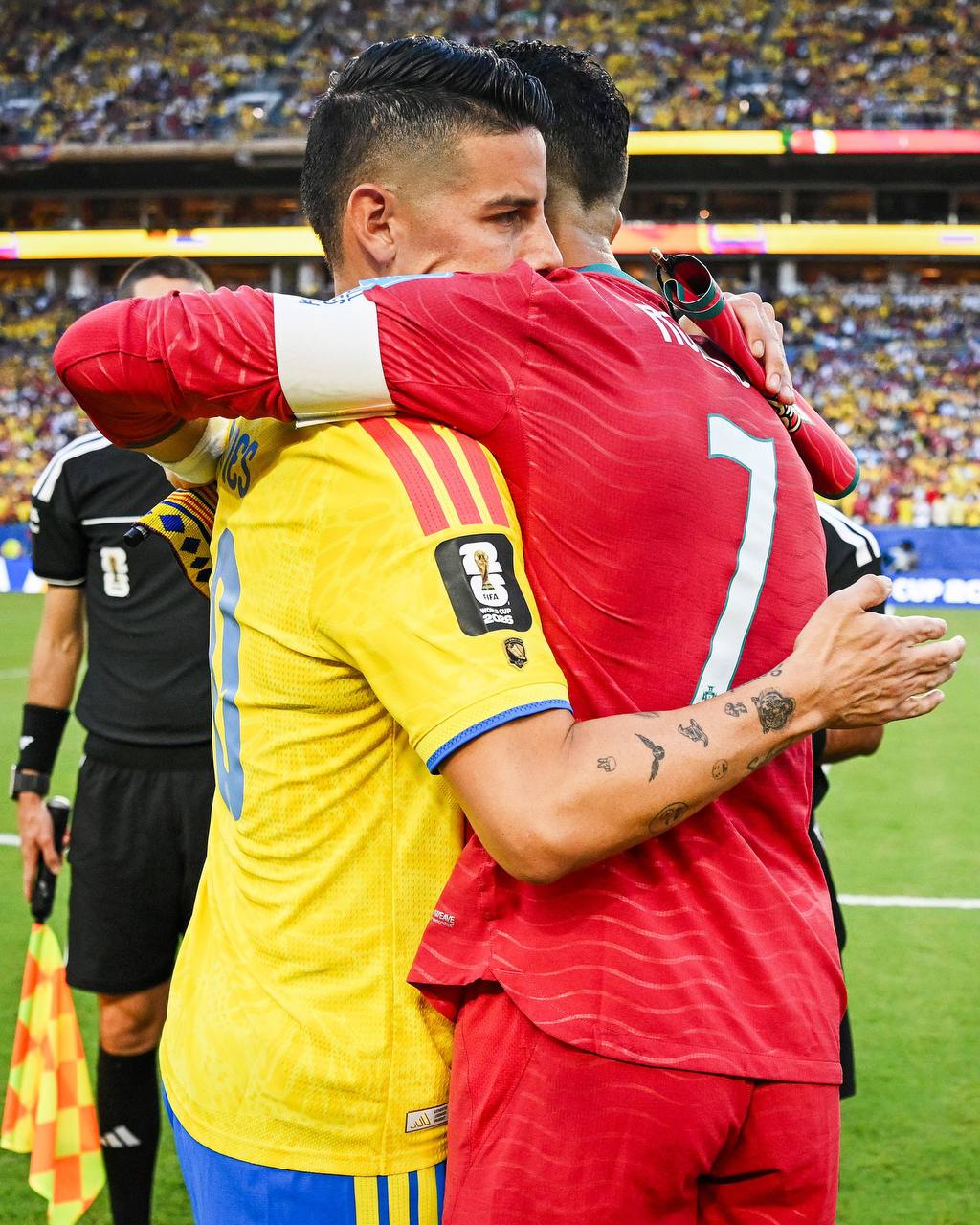



Someone tell the doubters to sit down. Permanently.

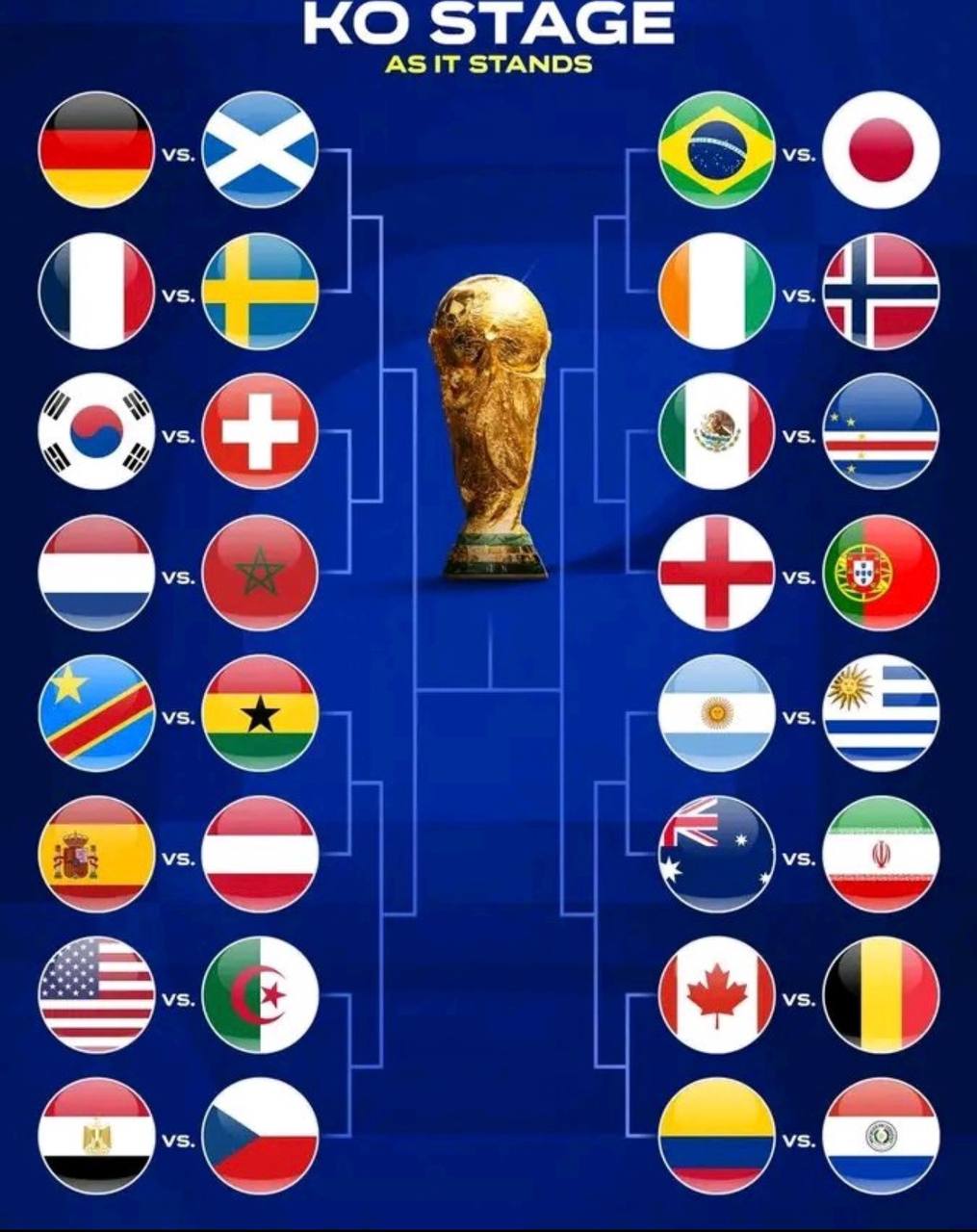
Africa didn’t just show up to the 2026 FIFA World Cup — it showed out. It showed up in force, with heart, with swagger, and with an iron-willed refusal to be written off. When the dust finally settled on the group stage, a record nine African nations had punched their tickets to the Round of 32. Nine. Let that number marinate for a second. Say it slowly. Nine.
With 10 teams representing the continent in the expanded 48-team format, Africa delivered a staggering 90% qualification rate — the highest of any confederation. And every single one of them earned it the hard way: through grit, through belief, and through football that made the whole world stop and watch.
The Magnificent Nine
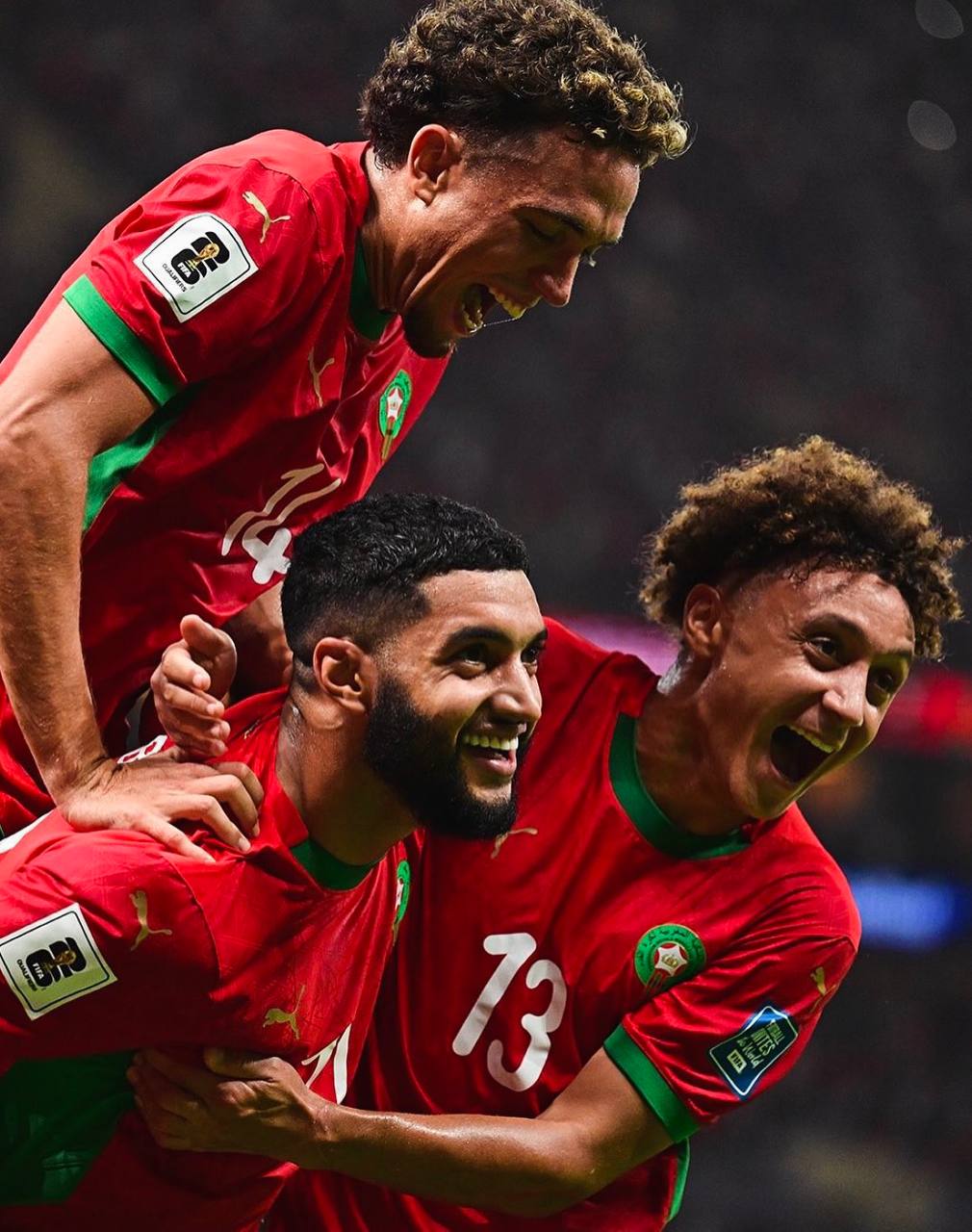
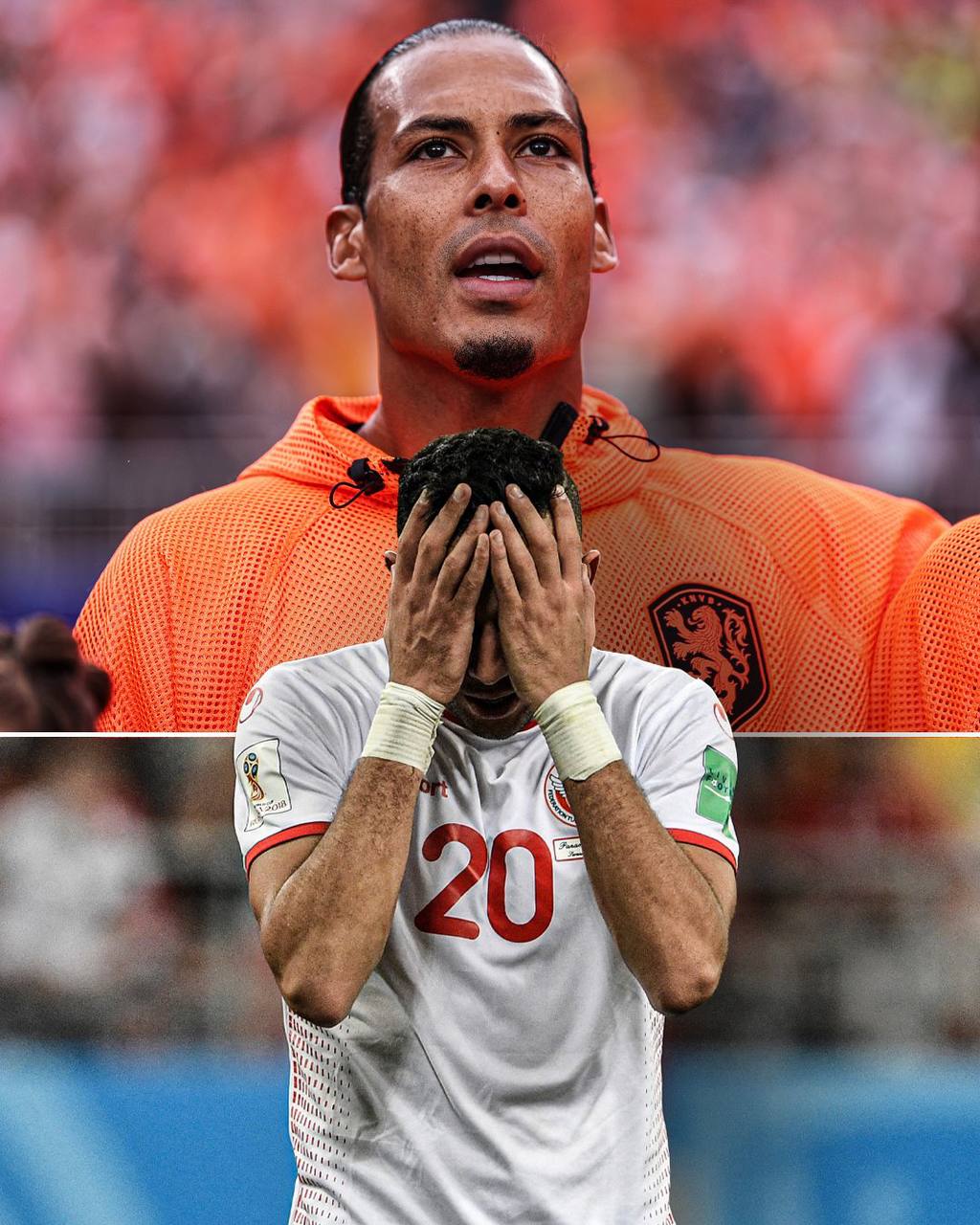
Morocco — the Panthers of Atlas need no introduction, and they don’t ask for one. At Qatar 2022, they became the first African team to reach a World Cup semifinal, dismantling Belgium, Spain, and Portugal along the way. They rewired what the world thought African football could do. That wasn’t a fluke. That was a warning. They’re back, they’re even more dangerous, and the Netherlands — waiting in the Round of 32 — would do well to remember that lesson.
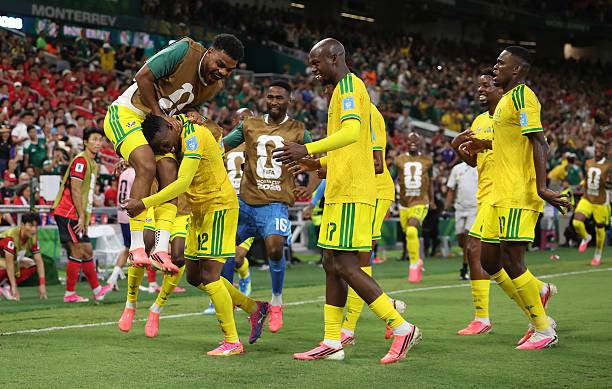
South Africa — this one hits different. This one makes you emotional. Bafana Bafana hosted the World Cup in 2010, but couldn’t progress past their own group on home soil. That wound never fully healed. Sixteen years later, they’ve done what felt impossible. A stunning 1-0 win over South Korea — courtesy of Thapelo Maseko’s second-half strike — sent players tumbling onto each other in tears, sent a whole nation erupting across stadiums back home. Mothers crying in living rooms. Children who weren’t even born in 2010 celebrating in the streets. For the first time in South African football history, Bafana Bafana are in the knockout stage of a World Cup. They face Canada in Los Angeles — and they go there fearless.
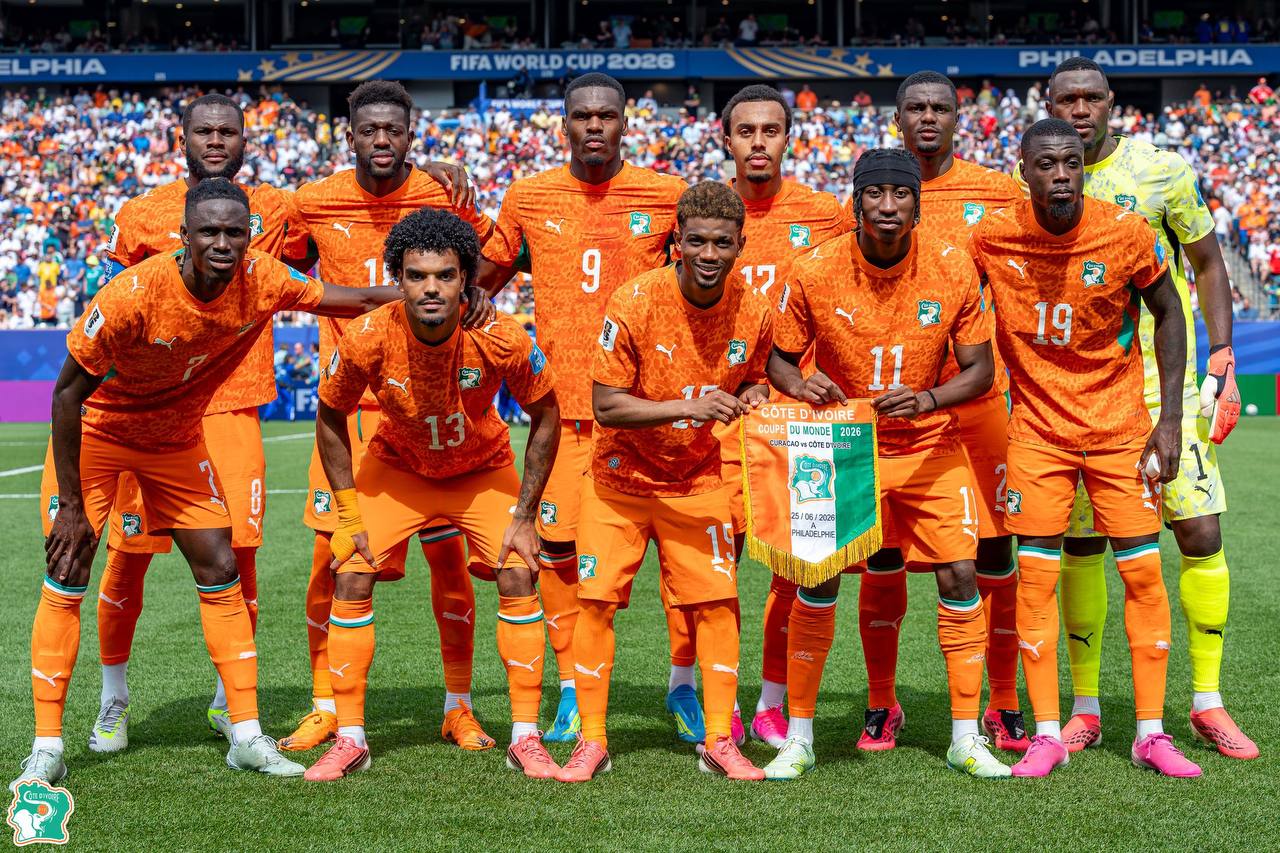
Côte d’Ivoire — the Elephants didn’t just qualify, they cruised. Compact, clinical, and armed with Premier League-quality talent across every line, they face Norway in Dallas with the kind of quiet confidence that often proves the most dangerous thing in knockout football.
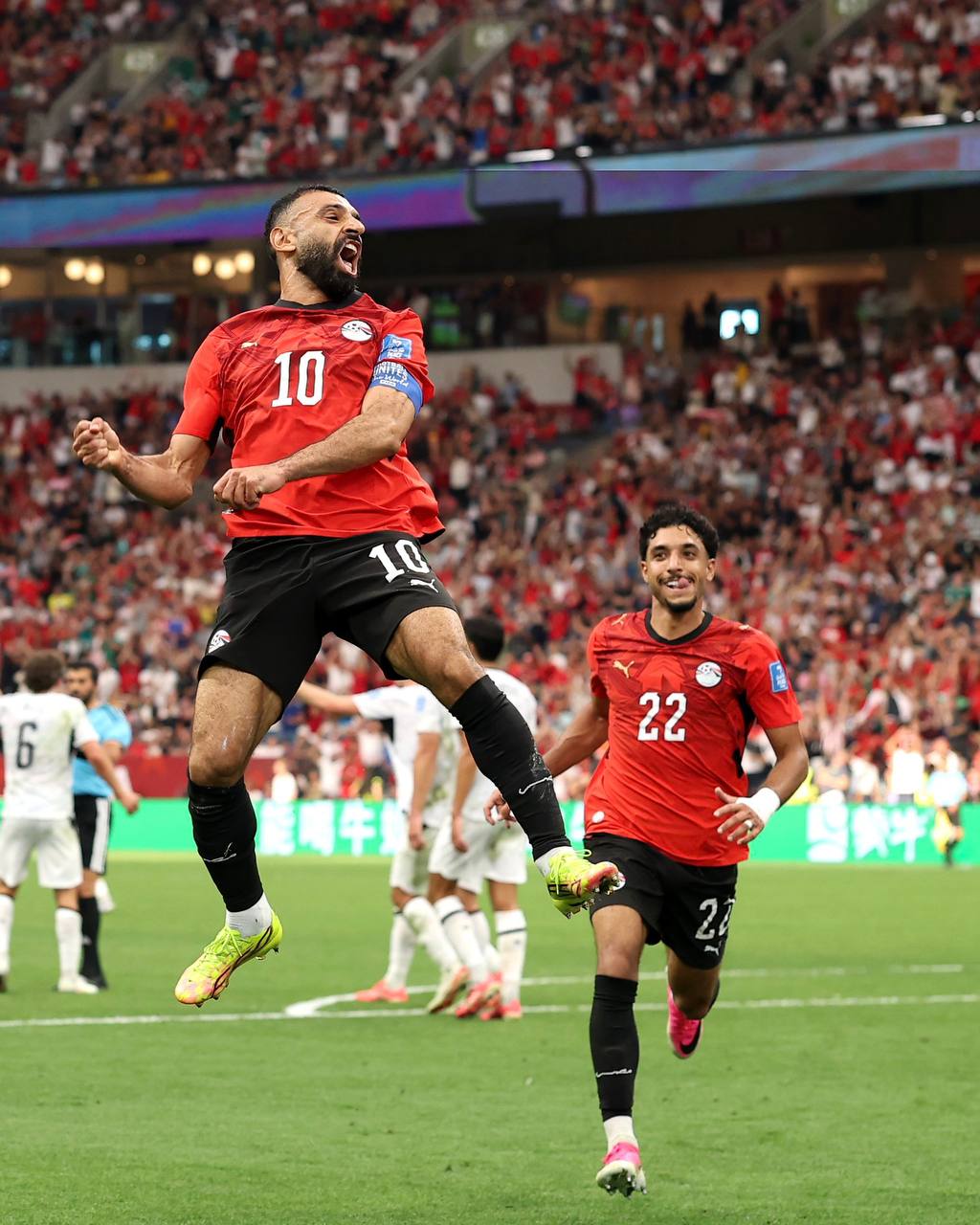
Egypt — the Pharaohs are through and they are anyone’s nightmare in this format. Mo Salah and a squad brimming with experience face Australia, knowing that a warm-up match against a Socceroos side is exactly the kind of fixture Egypt is built for. Don’t sleep on them.
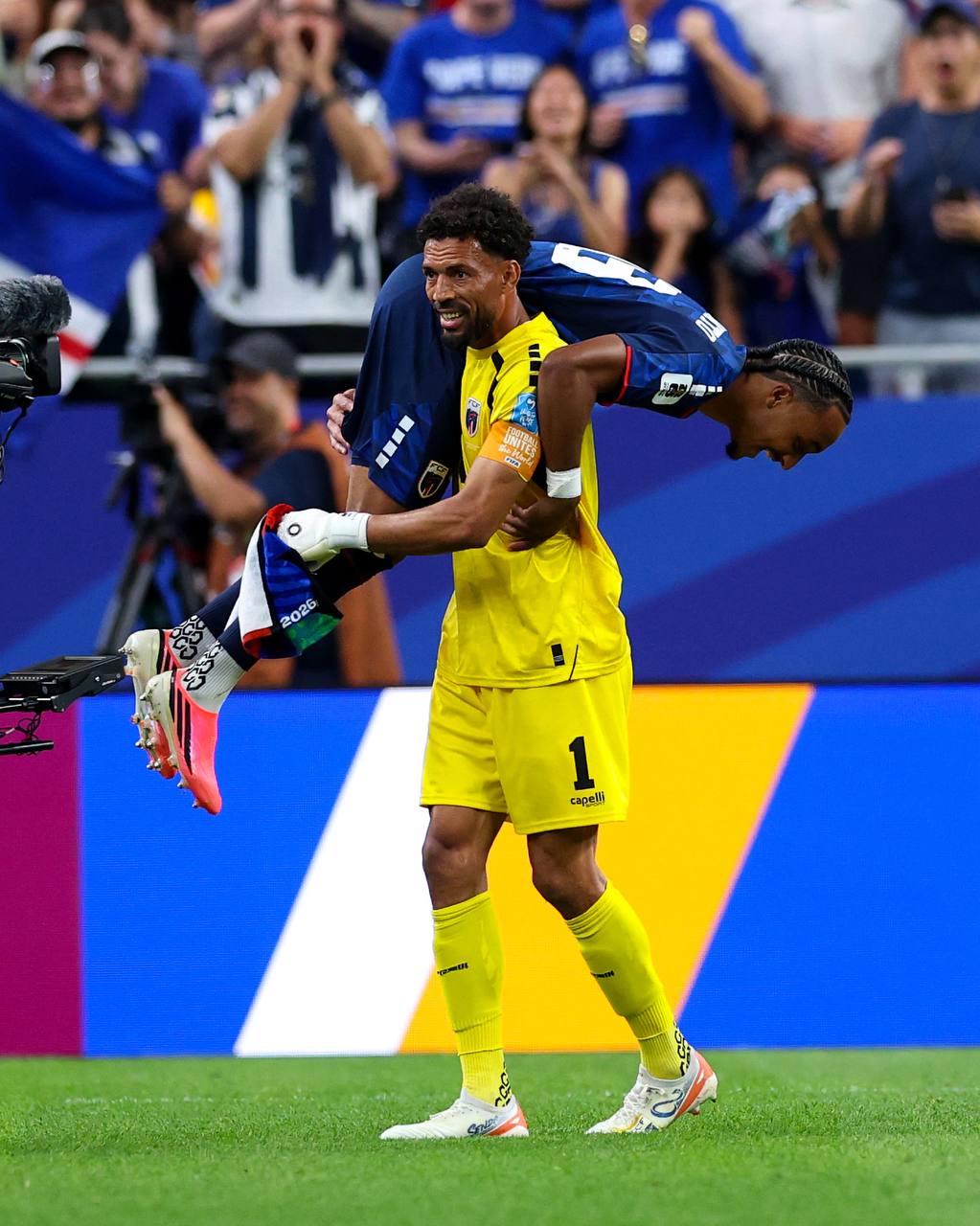
Cabo Verde — stop everything. Stop and feel this one. A tiny archipelago nation off the coast of West Africa. Population: 600,000 people. Roughly the size of a mid-table Premier League city. Making their World Cup debut. And they didn’t just scrape through — they qualified for the Round of 32 in their very first appearance at the tournament. Can you imagine what those islands looked like when that final whistle blew? People who had never dared dream of this moment, suddenly living it. They face Argentina in Miami — and while the whole world is writing them off, Cabo Verde is just quietly smiling. They’ve heard that before.
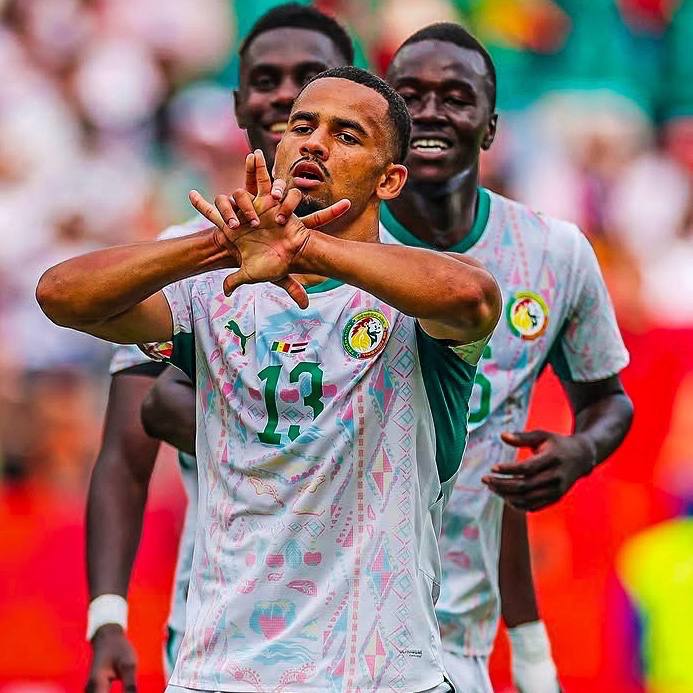
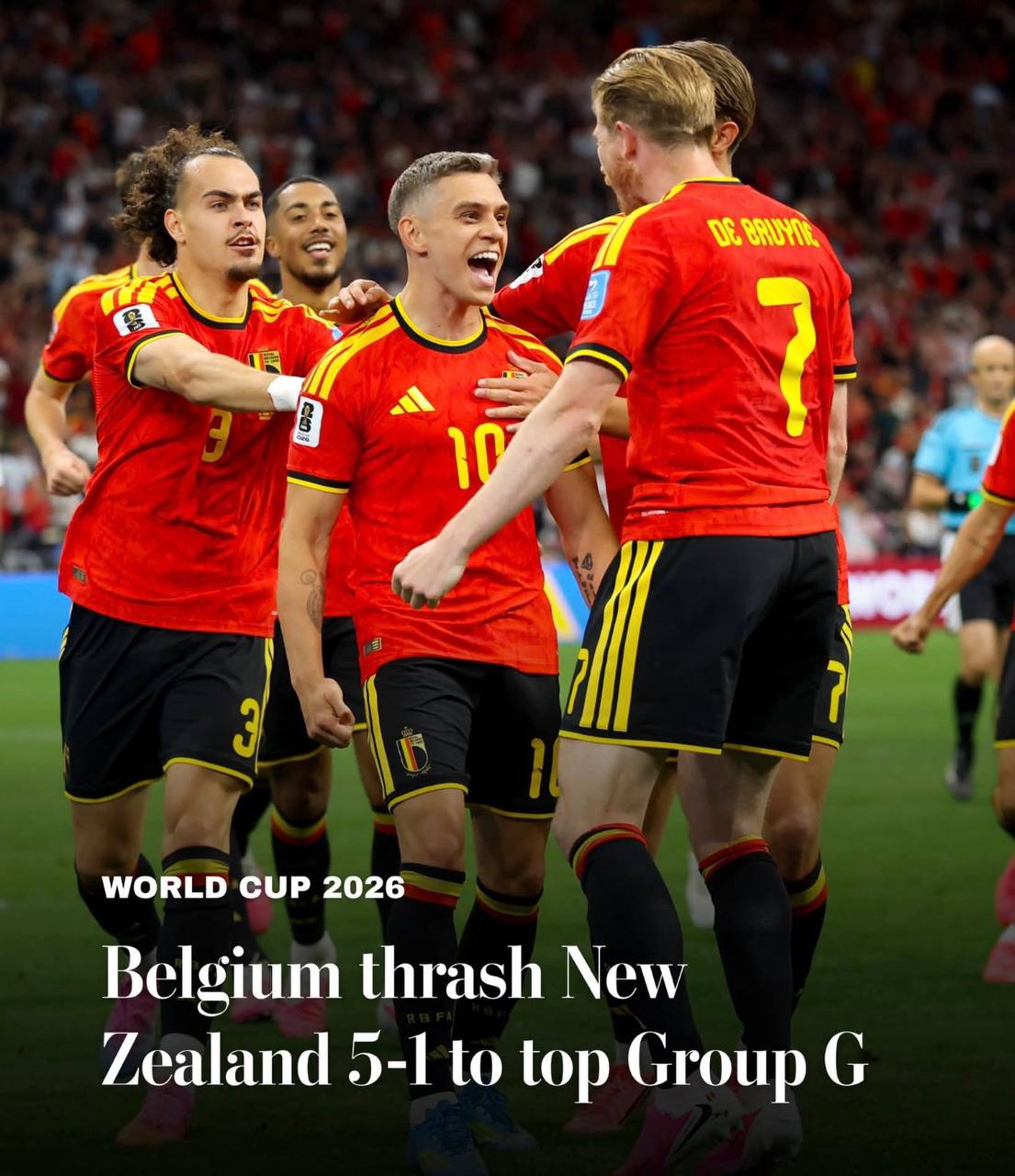
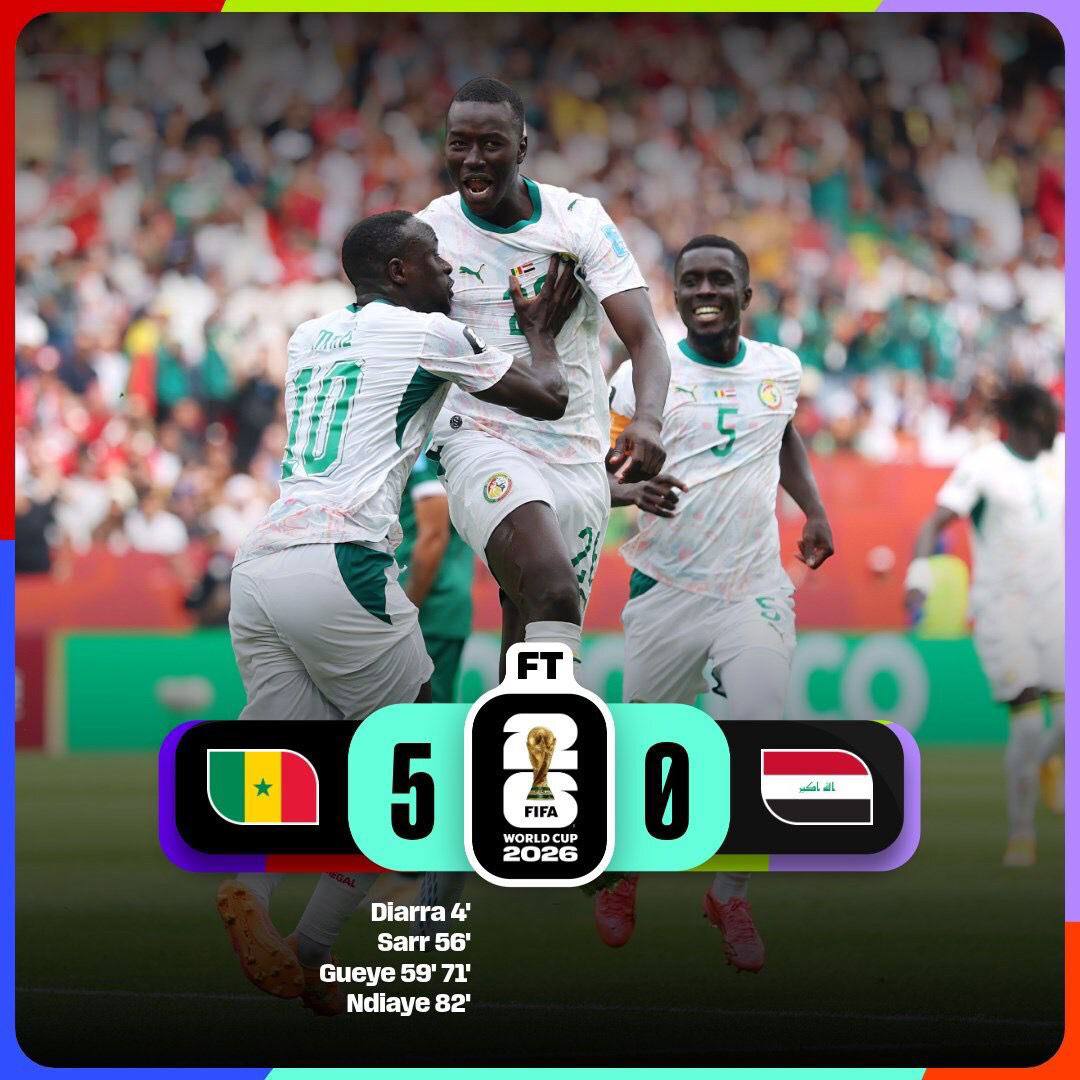
Senegal — the Lions of Teranga weren’t going to let this moment slip. Sitting third in their group with everything still to play for, they didn’t panic. They pounced. A dominant, merciless 5-0 thrashing of Iraq in their final group game sent shockwaves across the bracket and secured their place as one of the best third-place finishers. Aliou Cissé’s side are battle-hardened, physically imposing, and deeply motivated. Belgium await in Seattle — and that is a heavyweight clash that deserves its own headline.
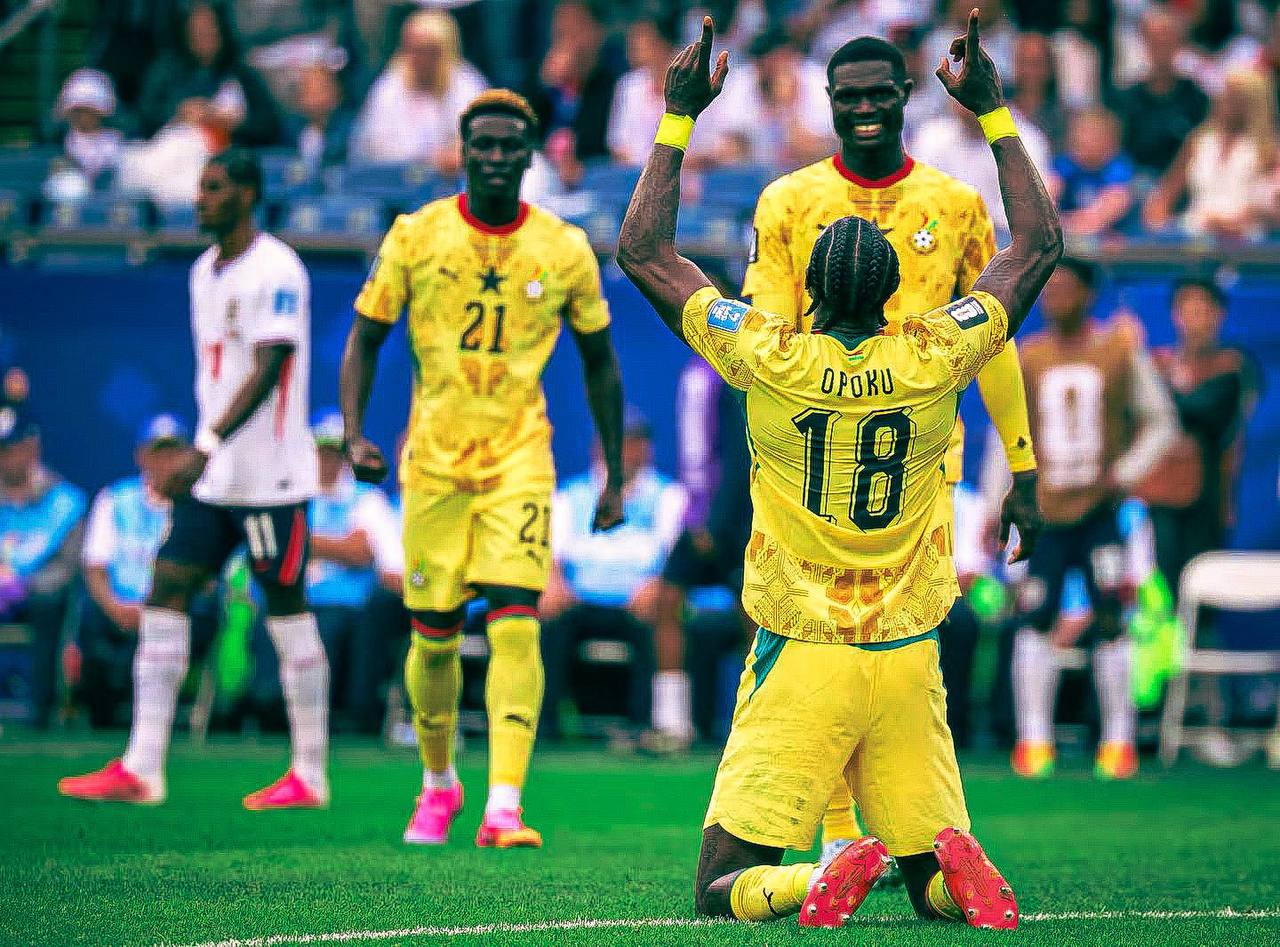
Ghana — the Black Stars have been here before, and they know exactly how cruel this tournament can be. The ghost of 2010 and Asamoah Gyan’s penalty still lingers for some. But this is a new generation of Ghanaian footballers, unburdened by the past and hungry to write their own story. They take on Colombia in Kansas City — a game nobody should dare call a foregone conclusion.
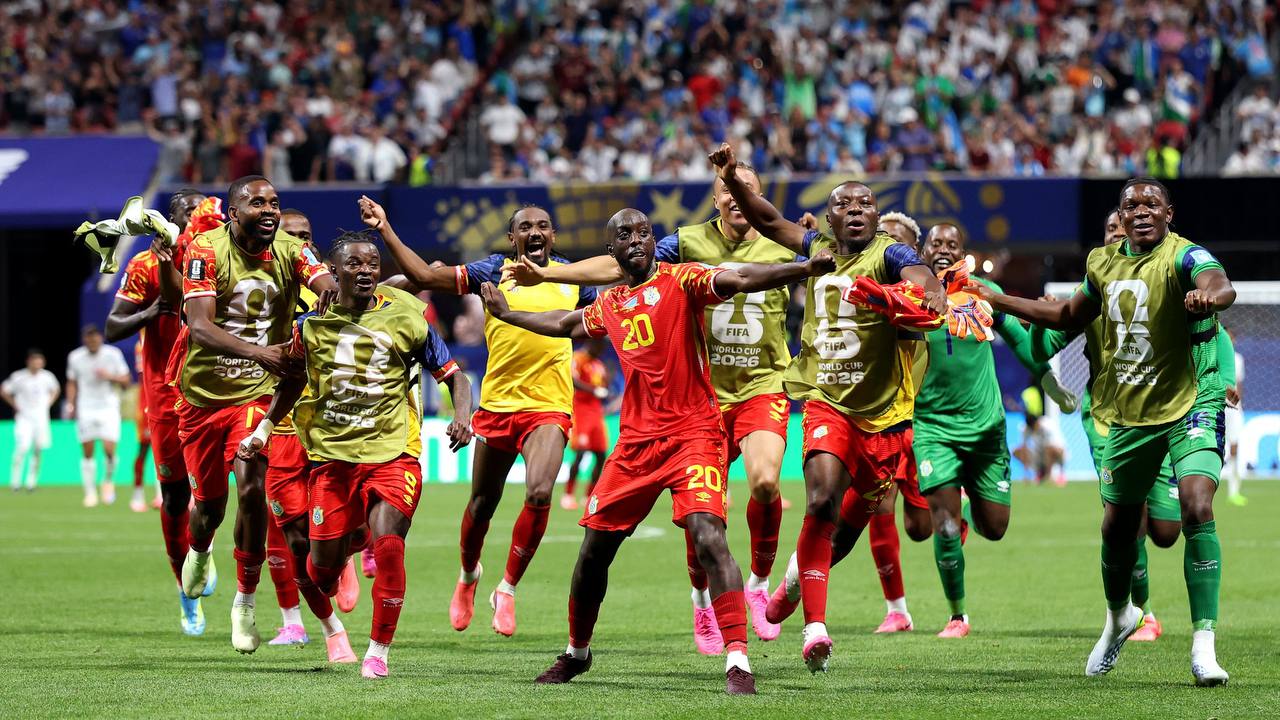
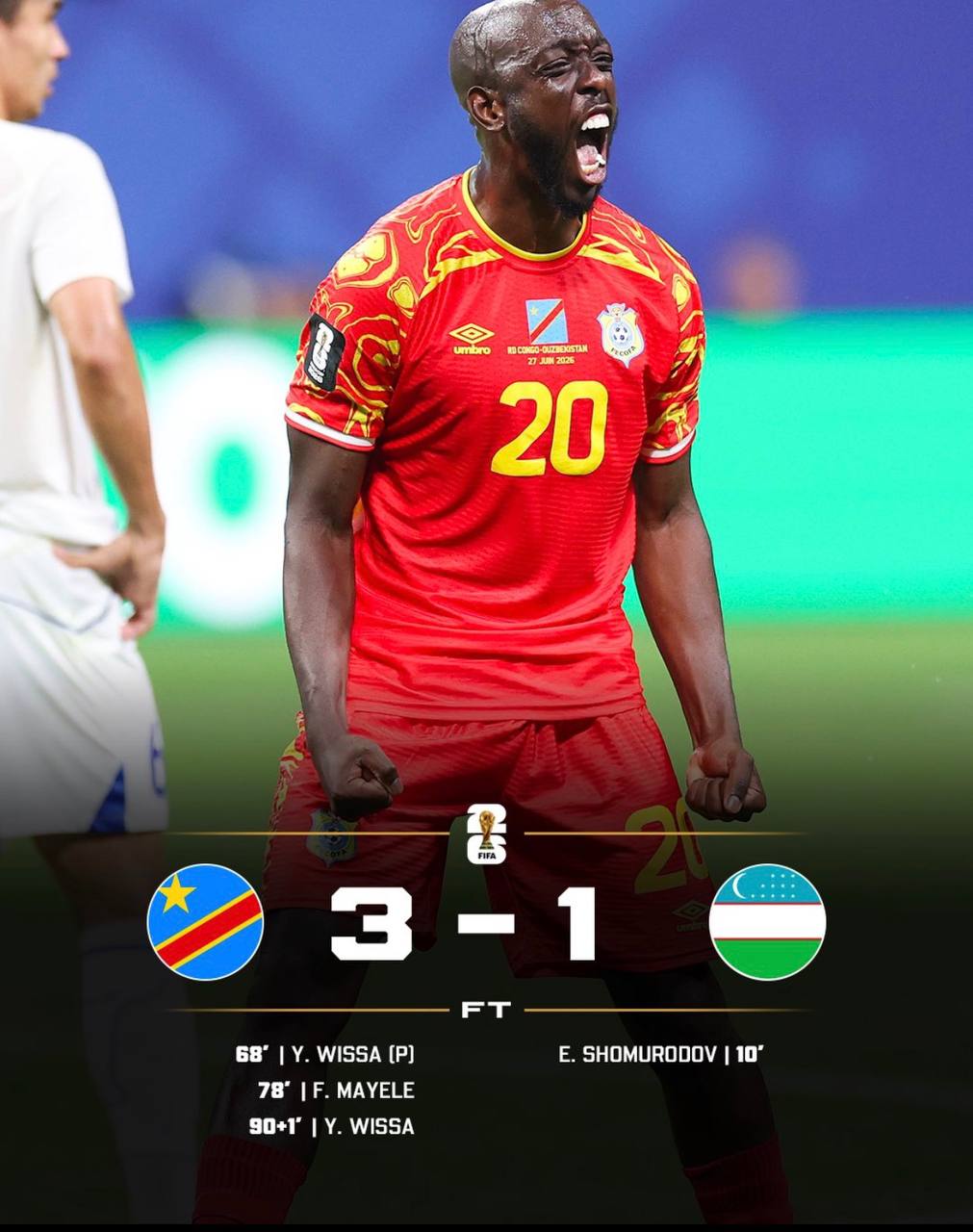
DR Congo — the emotion here is almost overwhelming. The Leopards had never made it to the knockout stage of a World Cup. Not once, in their entire football history. Then came Atlanta. Down 1-0. Backs against the wall. And they simply refused to accept the script they’d been handed. Yoane Wissa won and converted a penalty. Fiston Mayele came off the bench and flipped the scoreline. Wissa struck again in stoppage time. 3-1. Scenes inside that stadium. Scenes back in Kinshasa. An entire country exhaling something they’d been holding in for generations. Now they face England — and the Leopards are not done roaring.
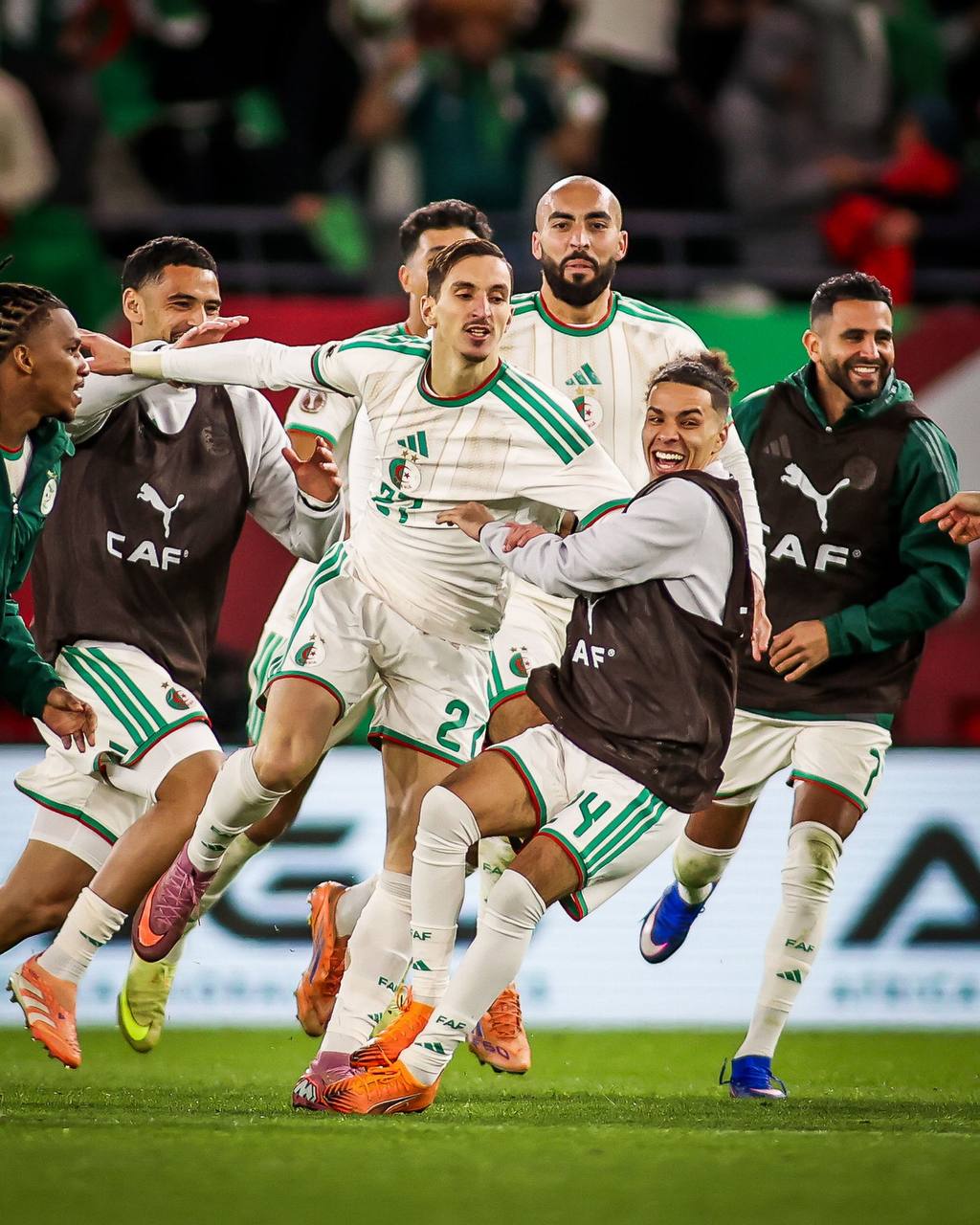
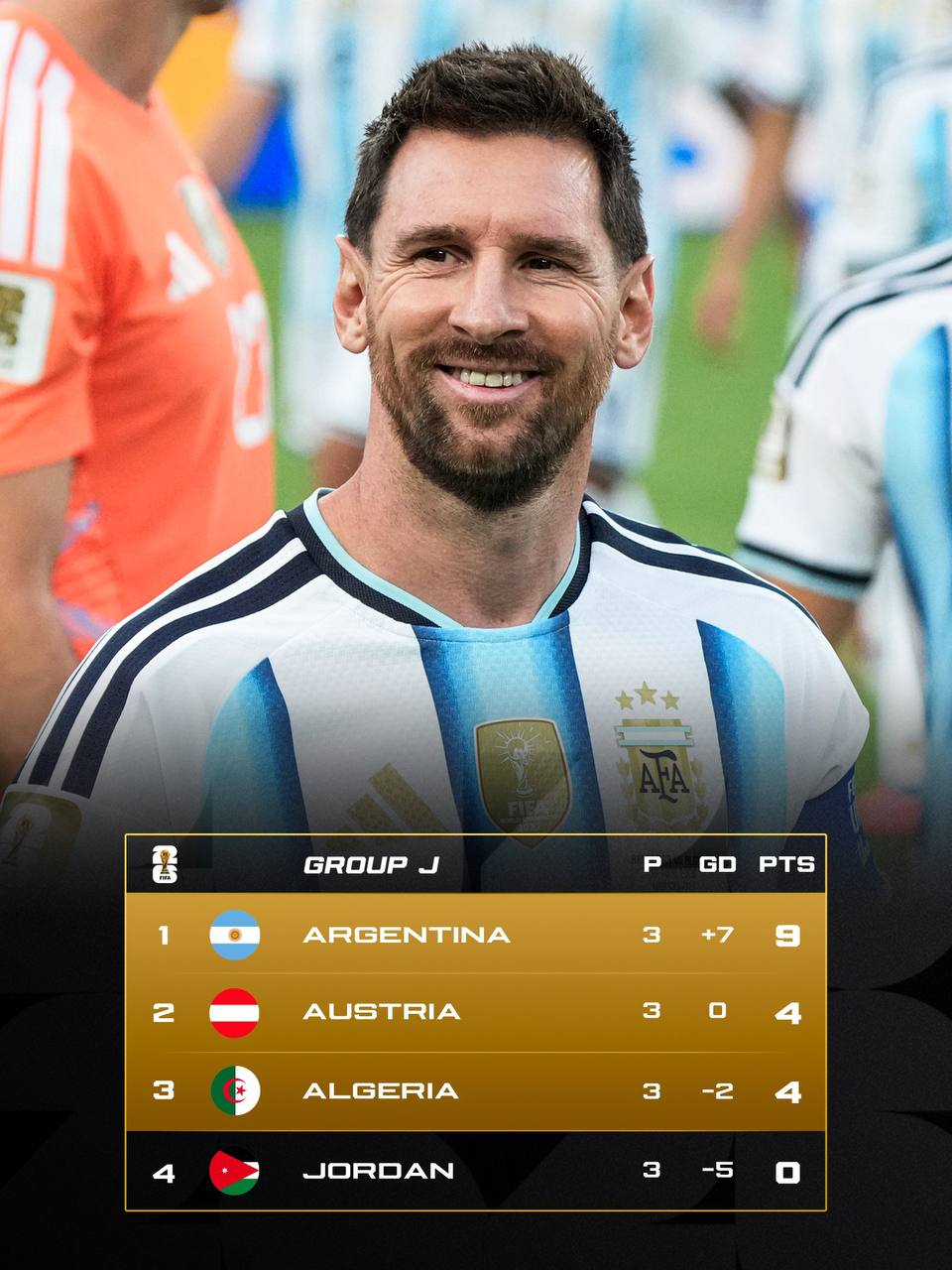
Algeria — the Desert Foxes were left sweating until the very last moment, needing results to go their way in the final group round. A breathless 3-3 draw with Austria — a game that swung back and forth like a pendulum — was enough to squeeze them through as a third-place finisher. There will be raw nerves in Vancouver when they face Switzerland, but Algeria are a team that knows how to handle pressure. That match was proof of it.
Why This Moment Belongs to a Continent
This isn’t about a favourable draw. It isn’t about an inflated tournament format giving easy rides. African teams at this World Cup have taken points off Brazil, England, Portugal, Spain, Uruguay, and Belgium — the most decorated nations in football history. They have done it with tactical intelligence, physical intensity, and an emotional fuel that seems to burn hotter when the stakes are highest.
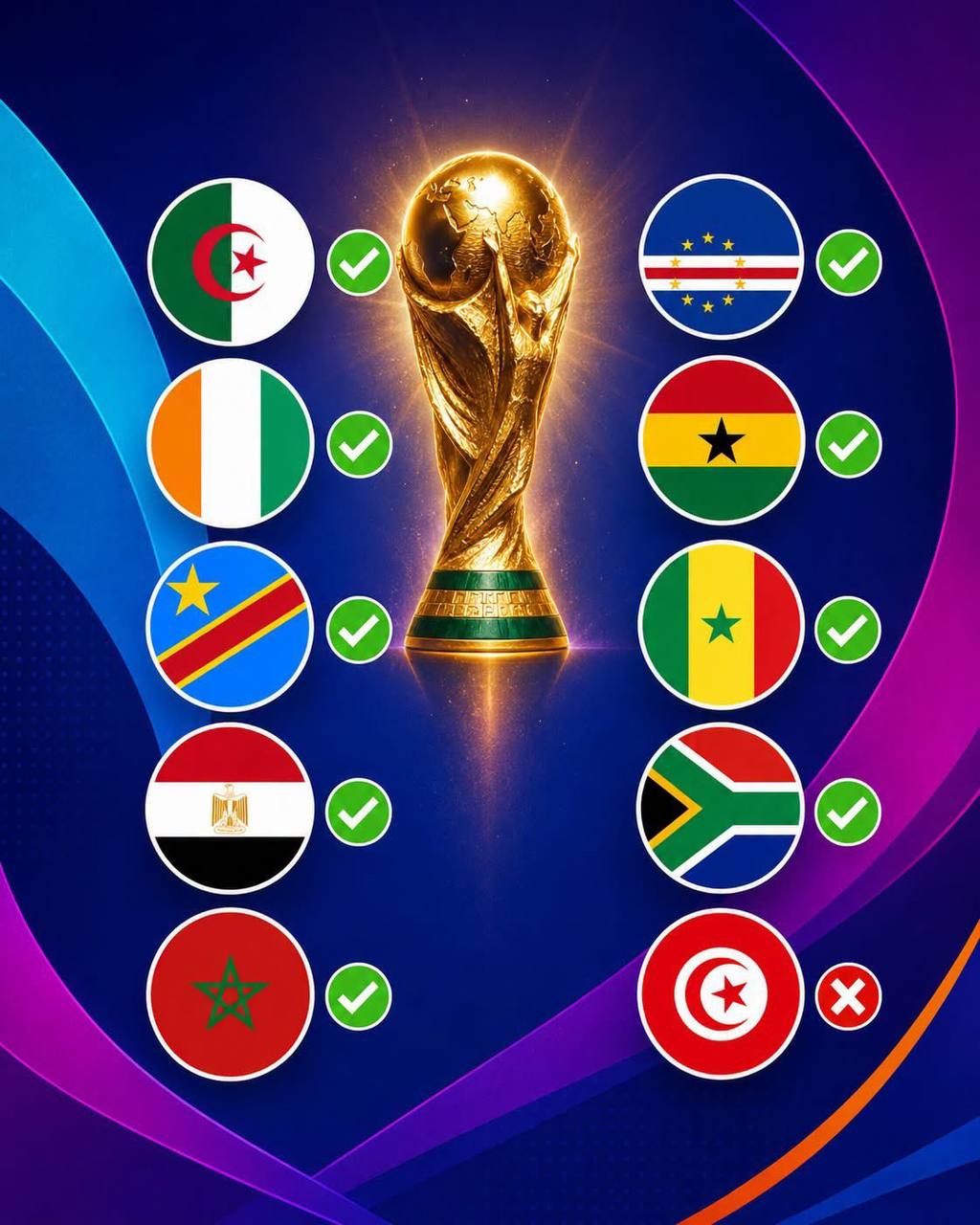
Before 2026, the World Cup knockout stage was a door that opened only narrowly for Africa. Now, nine teams have walked through it at once — arms wide open, heads held high.
The continent that gave the world its music, its rhythm, and its soul is now giving it its football, too.
Nine teams. Nine chances. One continent, finally getting everything it deserves. 🌍