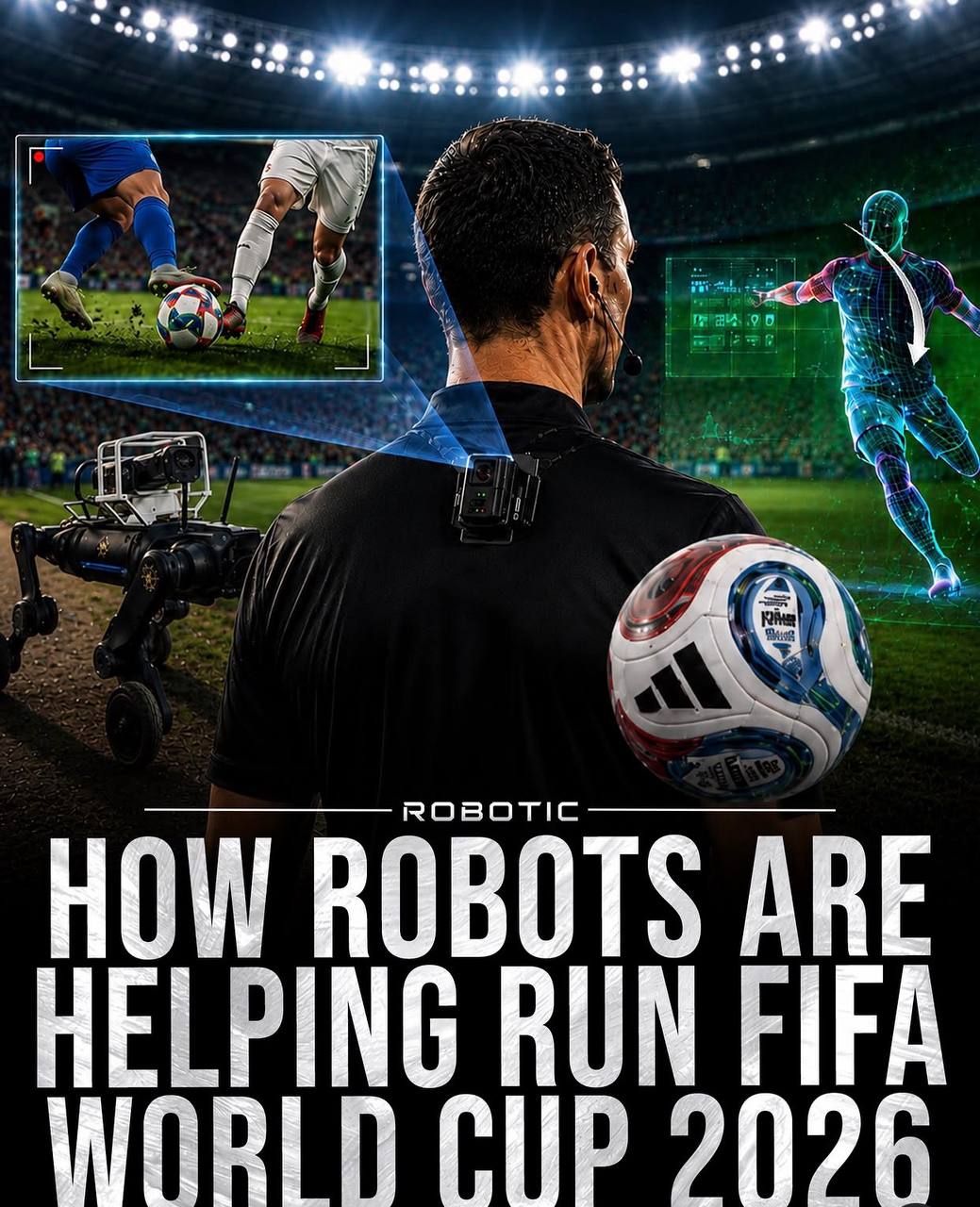












The 2026 FIFA World Cup is already the biggest tournament in football history — 48 teams, 104 matches, three host nations. But here’s the thing nobody warned you about: it’s also the most robotic. From four-legged metal dogs prowling stadium corridors to a football that thinks for itself, technology has taken over North America’s biggest summer party. Buckle up, because this is your guide to every piece of jaw-dropping tech running the show behind the scenes.

1. Boston Dynamics Spot — The Robot Dog on Security Duty
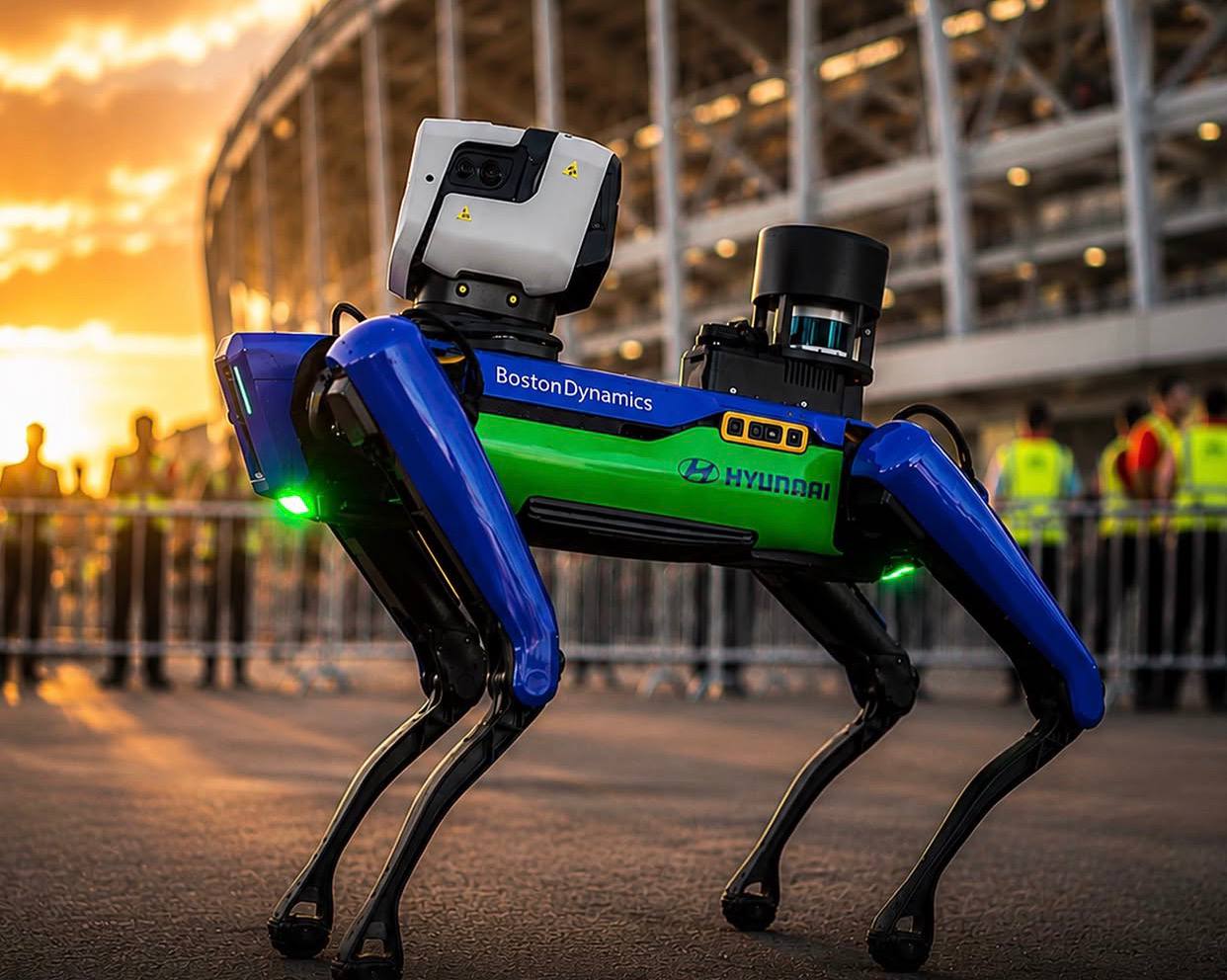
You’ve probably seen the videos already. Those eerie, four-legged machines from Boston Dynamics? They’re actually here, patrolling the World Cup. Four customised Spot robots have been deployed by Hyundai — which owns Boston Dynamics and serves as FIFA’s Official Robotics Partner — across the International Broadcast Centre in Dallas and MetLife Stadium in New Jersey. Their job? Perimeter checks, suspicious package inspections, and site security in environments too risky or hard-to-reach for human officers. They don’t do facial recognition (despite what social media would have you believe), but they do represent the single most visible deployment of autonomous robots at any major sporting event in history.
2. Mexico’s K9-X — The First Responder on Four Legs
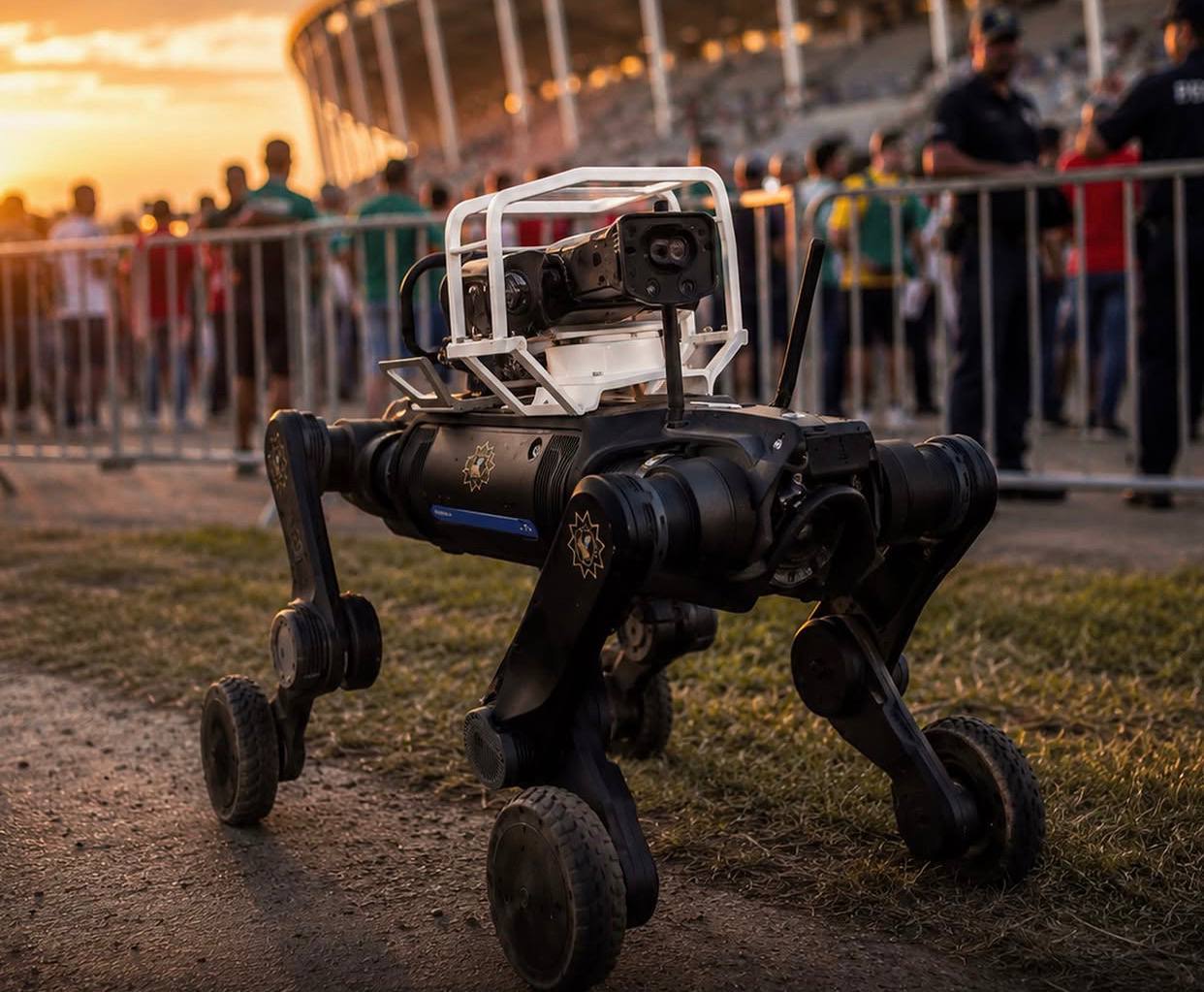
Not to be outdone, Mexico brought its own robot dog to the party. Authorities stationed four K9-X units at BBVA Stadium in Guadalupe — independently of the Hyundai fleet — to support local police during matches. Officials say the K9-X robots are designed to intervene in fights or crowd disturbances, protecting officers from harm in chaotic situations. Technical details are kept under wraps, but one thing is clear: robot dogs are now standard issue at World Cup 2026 security briefings.
3. The Adidas Trionda — A Football That Charges Like a Phone
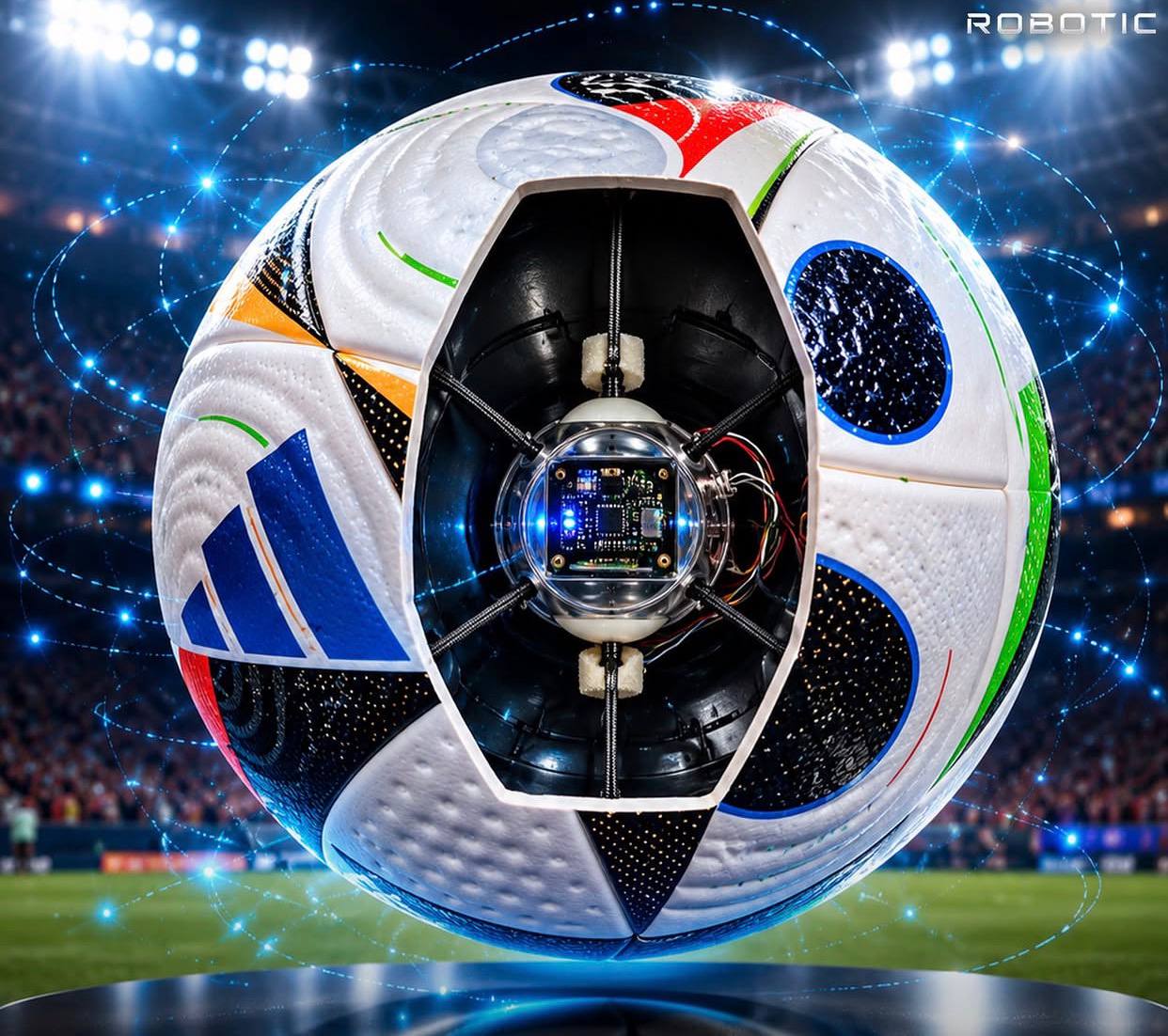
Meet the Trionda — the official match ball of the 2026 World Cup, and quite possibly the most sophisticated piece of sporting equipment ever made. Inside its stunning four-panel design (the fewest panels in World Cup ball history, inspired by “la ola,” the wave) sits a 500Hz inertial measurement unit sensor developed with Kinexon and FIFA. That’s 500 data transmissions per second, feeding real-time ball tracking data directly into the VAR system. Oh, and it needs to be charged before every match. There is literally a person at each game whose entire job is to make sure the footballs don’t run out of battery. Welcome to 2026.
4. FIFA’s AI 3D Player Avatars — Every Player, Digitally Cloned

Before the tournament kicked off, every single one of the 1,200+ participating players was digitally scanned — in about one second — to create a hyper-realistic 3D avatar of their exact body dimensions and limb lengths. These avatars are now woven into FIFA’s upgraded Semi-Automated Offside Technology (SAOT). When a tight offside call is made, instead of those blurry, hard-to-read lines from past tournaments, fans in stadiums and viewers at home see a life-like 3D reconstruction of the exact moment — showing precisely which player’s shoulder, arm, or toe crossed the line. Controversy? Still possible. Confusion? Far less so.
5. The AI-Stabilised Referee Body Camera — Football’s New Best Angle
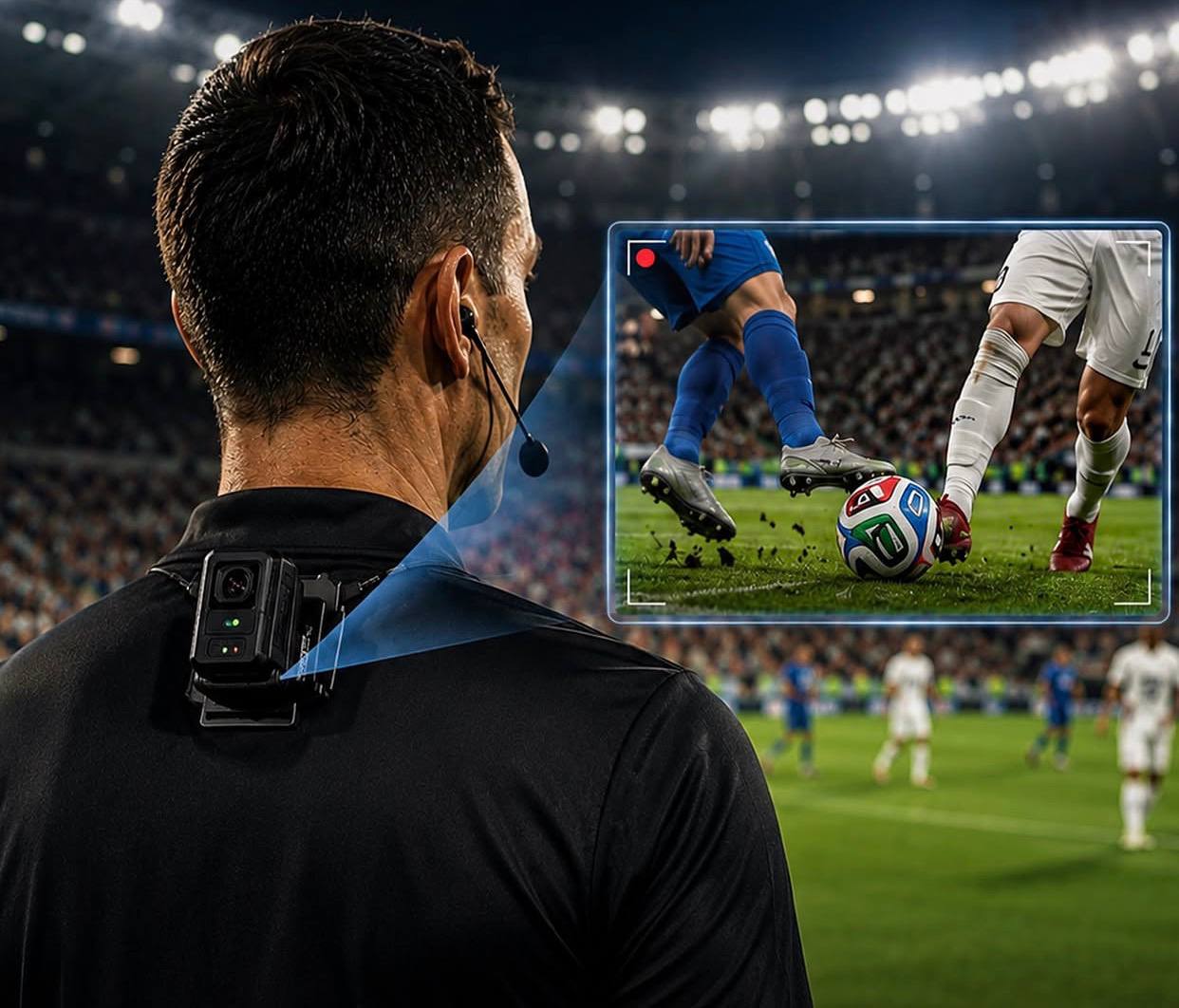
Referees have been wearing body cameras since trials at the 2025 FIFA Club World Cup, but the footage was largely unusable — too shaky, too blurry from sprinting. Not anymore. Lenovo, FIFA’s Official Technology Partner, has developed AI-powered stabilisation software that smooths referee camera footage in real time, turning chaotic first-person video into broadcast-ready content. For the first time across all 104 World Cup matches, fans are getting a genuine ground-level, eyes-of-the-referee perspective. It’s the most immersive broadcast angle the sport has ever produced.
6. Lenovo Football AI Pro — The Brain Every Team Now Has

Historically, wealthy football federations could afford armies of data analysts. Smaller nations? Not so much. Football AI Pro changes that completely. Built on FIFA’s proprietary Football Language model — trained on hundreds of millions of data points from decades of FIFA competitions — this generative AI assistant gives all 48 competing teams the exact same analytical power. Coaches can query it before and after matches in multiple languages, receiving insights via text, video clips, graphs, and full 3D tactical visualisations. It can’t be used during live play (FIFA’s rules), but as a pre- and post-match weapon, it’s unprecedented. The playing field just got a whole lot more level.

The 2026 World Cup isn’t just the biggest tournament in football history — it’s the most technologically advanced event in the history of sport. From robot dogs sniffing for suspicious packages to AI systems deciding whether Mbappe’s elbow was offside by two centimetres, the machines are here. And honestly? We’re obsessed.