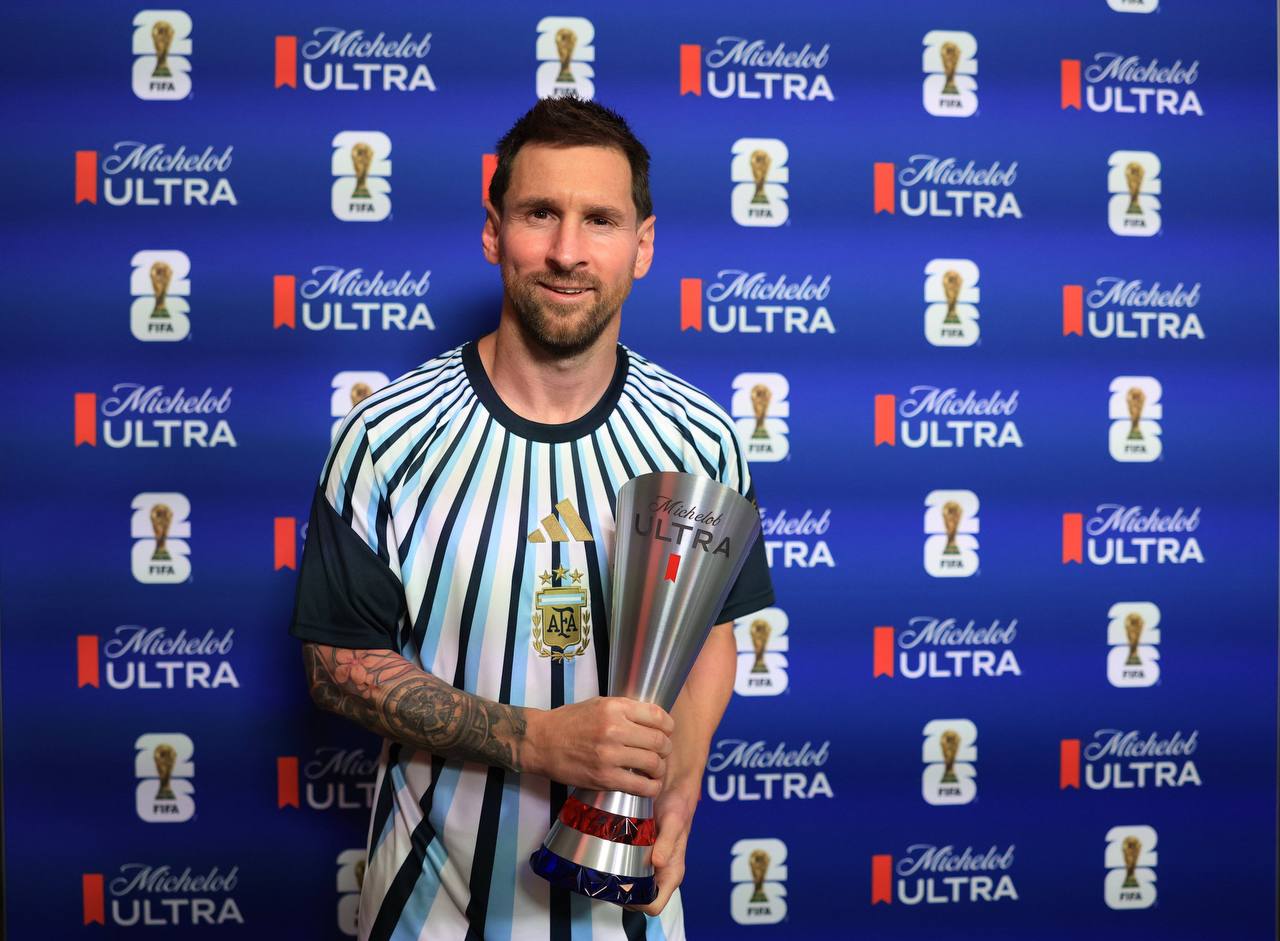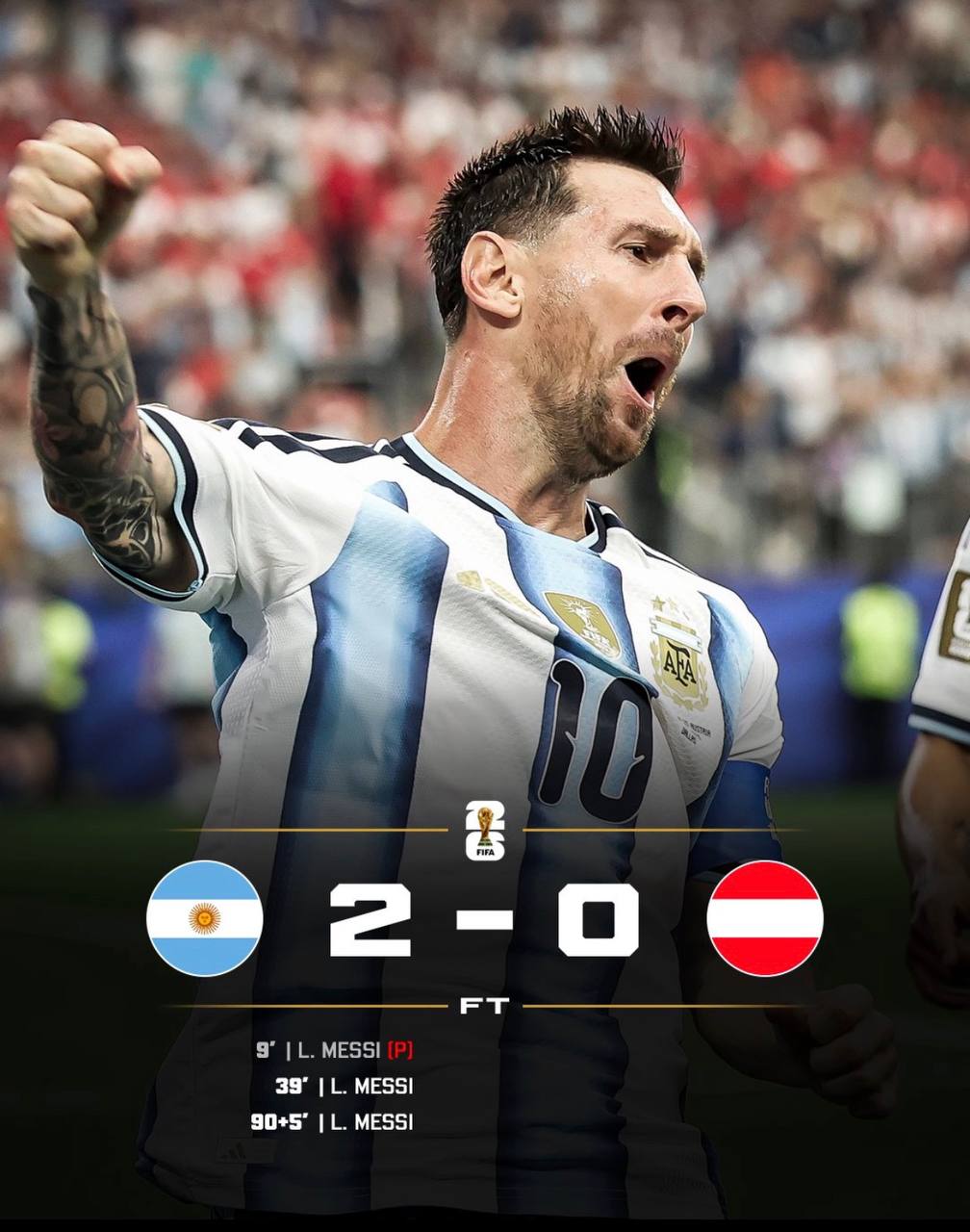





Two days before his 39th birthday, with an ailing father back home in Argentina and a missed penalty already behind him, Lionel Messi did what Lionel Messi does. He scored. Then he scored again. And in doing so, he rewrote the history books — not just for men’s football, but for every World Cup ever played.

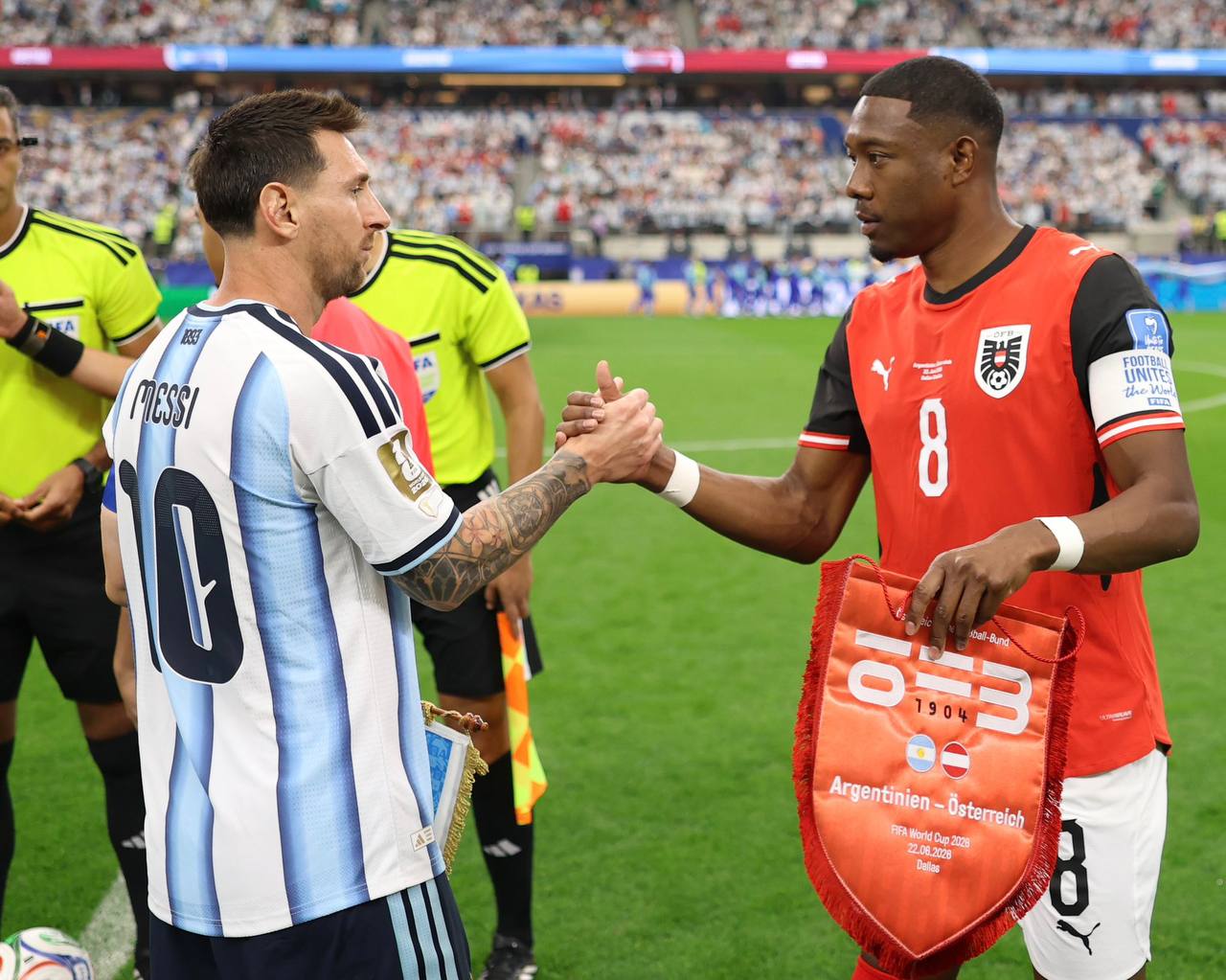
Monday, June 22, Dallas Stadium, Arlington, Texas. Argentina vs Austria. 70,649 fans packed into the home of the Dallas Cowboys. The stakes: a place in the Round of 32. The subplot: the most decorated footballer of all time chasing a record that had stood for 12 years.
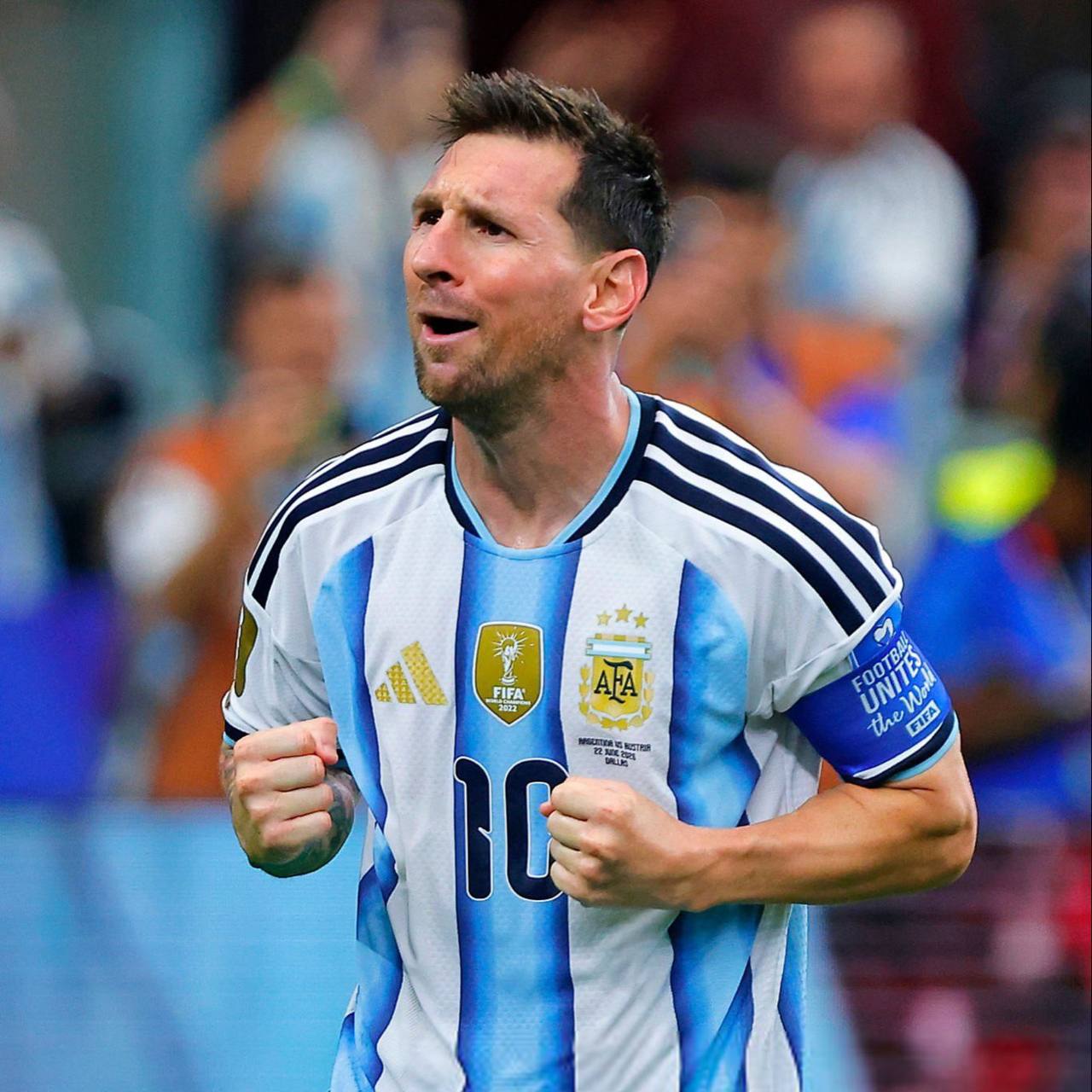
Going into the game, Messi sat on 16 World Cup goals — level with Germany legend Miroslav Klose, a tally Klose had built across four tournaments and 24 matches. Messi had matched it in just the previous week, with a breathtaking hat trick against Algeria in Argentina’s opener — his first ever hat trick at a World Cup, at the age of 38. The record was waiting. All he needed was one more.
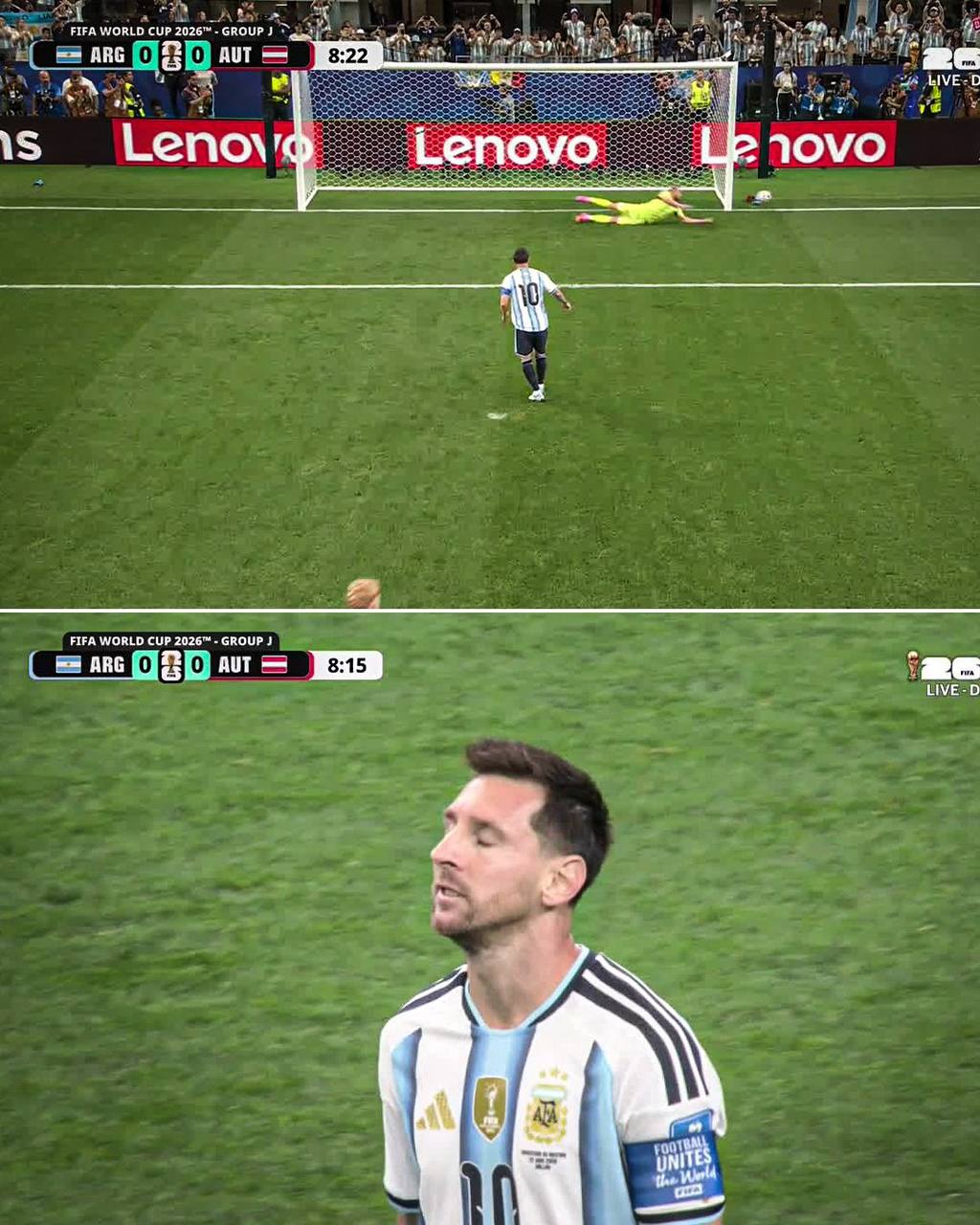
He nearly had it in the 9th minute. Lautaro Martínez was fouled in the Austrian penalty area, and up stepped the captain. The stadium held its breath. Messi stuttered in his run-up — and put it wide right. The silence was deafening. A flashback to 2022, to Poland, to penalty demons that have never quite left him. For a moment, the narrative wobbled.
It didn’t waver for long.
In the 38th minute, Thiago Almada let a pass from Facundo Medina roll through to him, and suddenly Messi had the ball on his left foot about 20 yards out with the Austrian keeper leaning the wrong way. He curled it into the net. Record broken. History made. Messi wheeled away toward the corner flag, right arm thrust to the sky, a sold-out crowd erupting in a roar that probably shook the AT&T Stadium foundations across the street.
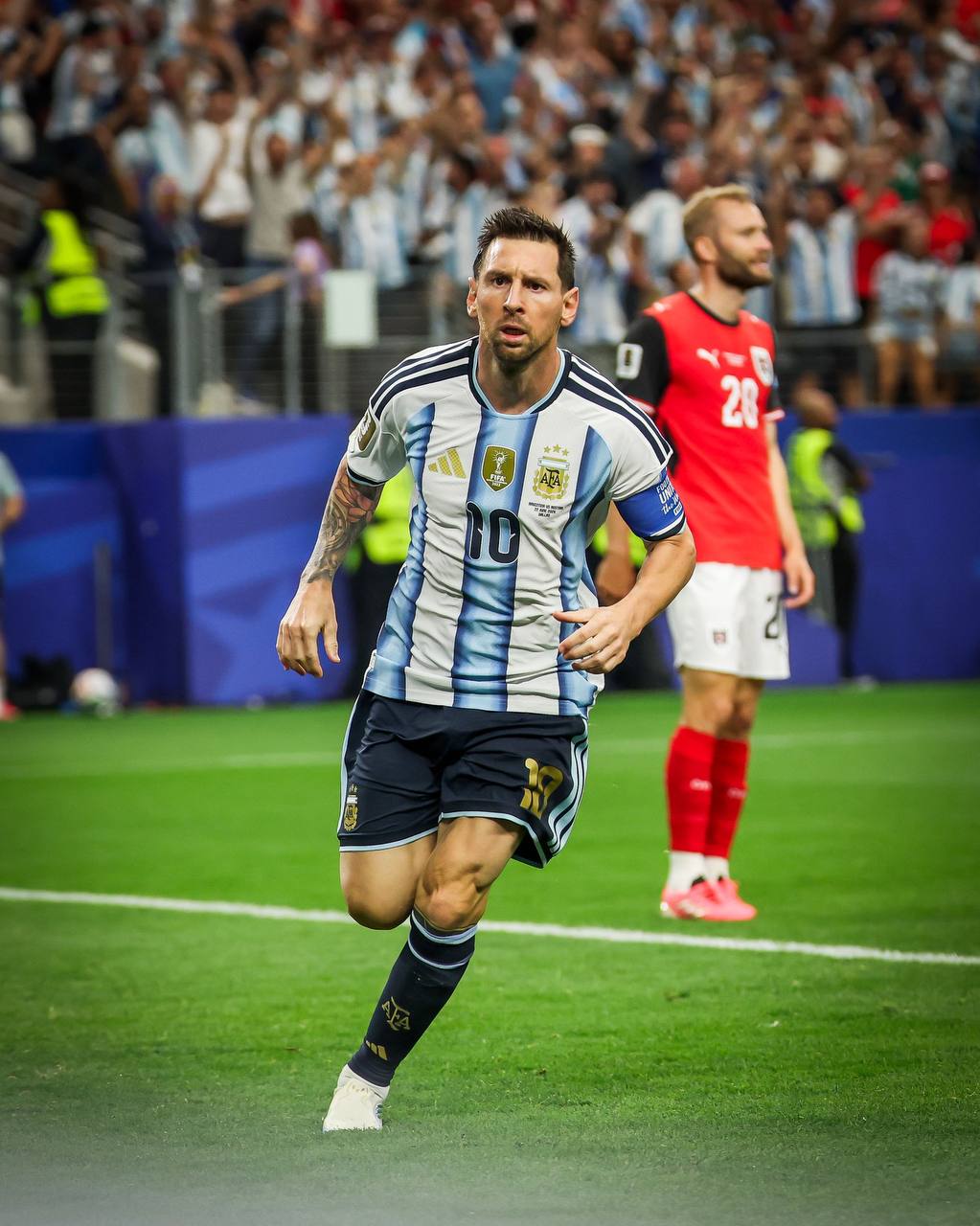
Goal number 17. The greatest men’s World Cup goalscorer of all time.
But he wasn’t finished.
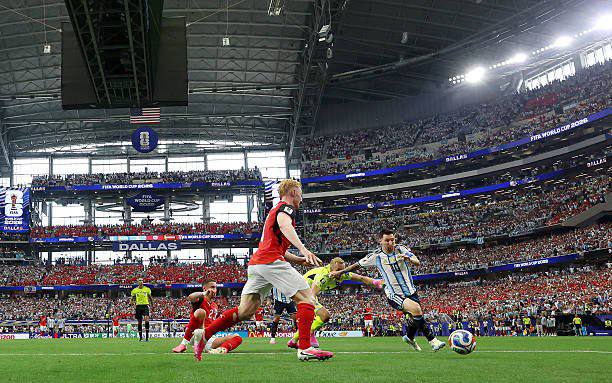
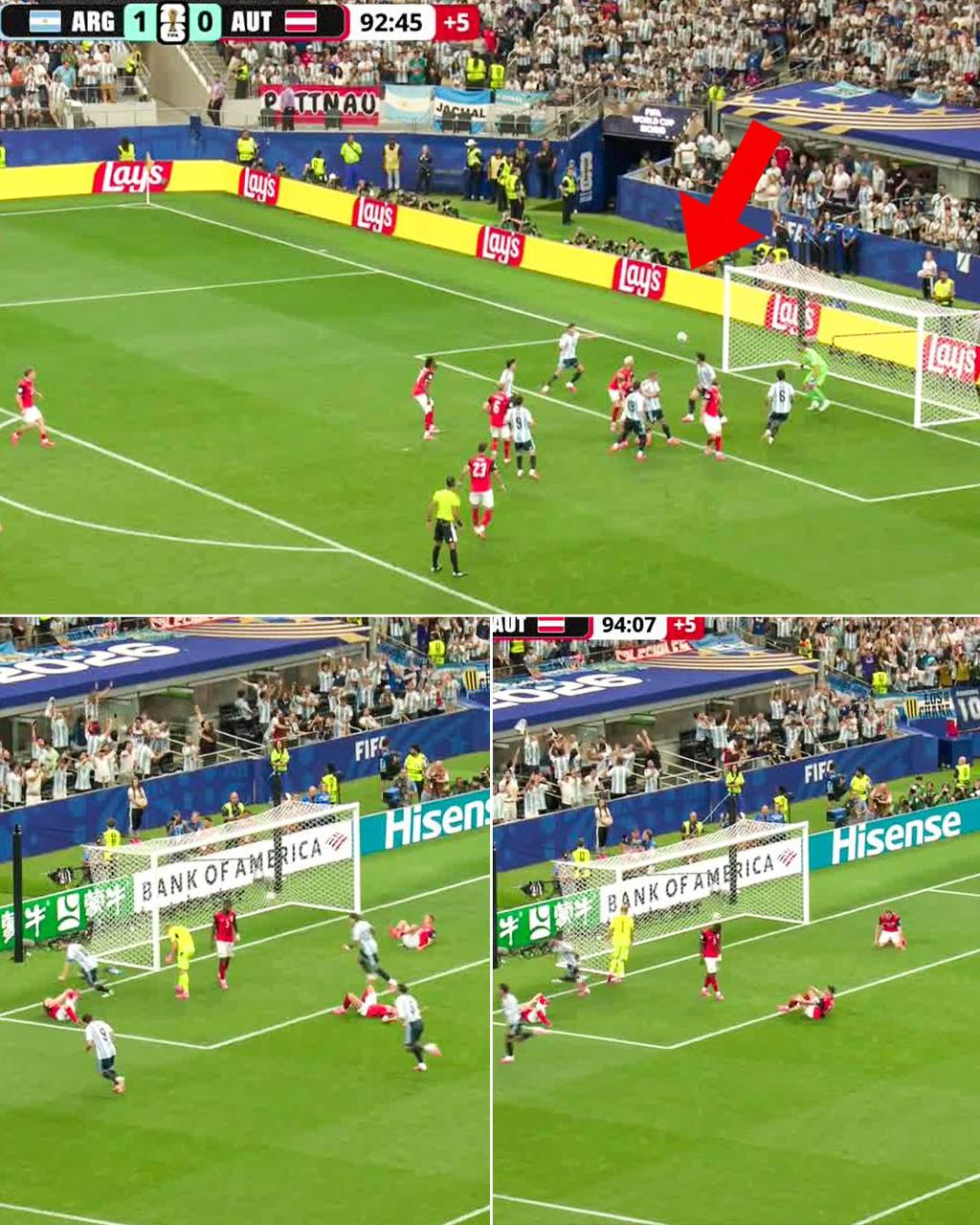
Deep into stoppage time, Messi got another chance. His first shot was blocked. The rebound fell back to him. He fired again — somehow finding the net through a sea of Austrian bodies. Goal number 18. Just like that, Messi didn’t just break Klose’s men’s record. He surpassed Brazil’s Marta, who holds the women’s World Cup record at 17 goals, to become the greatest World Cup goalscorer in history, men’s or women’s combined.
Let that sit for a second.
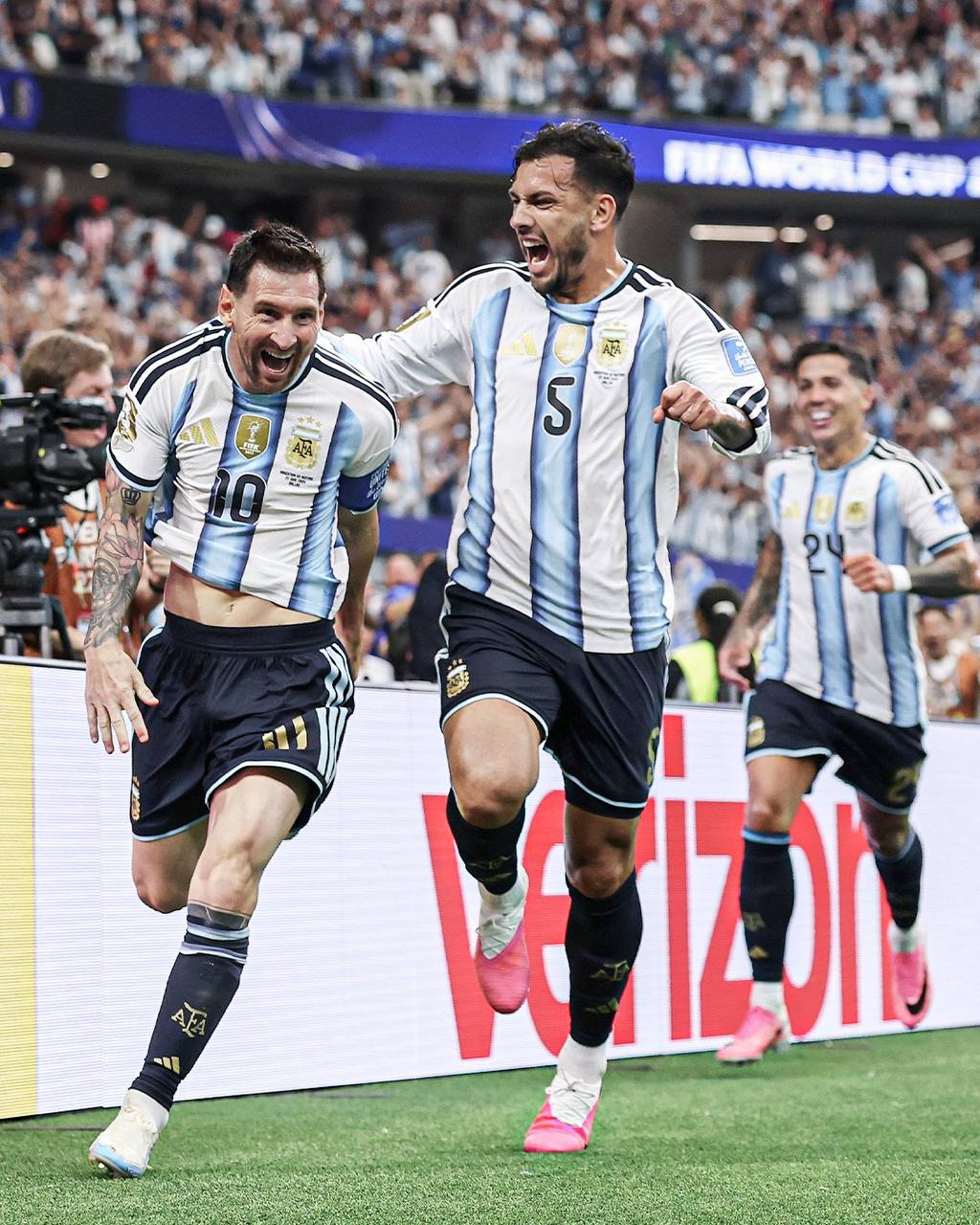
The numbers around this performance are staggering. Messi has now scored all five of Argentina’s goals at this tournament. He has scored in six consecutive World Cup games — a feat achieved by only Just Fontaine in 1958 and Jairzinho in 1970. He has scored against 42 different nations. He is only the second man in World Cup history to score four or more goals in three different editions of the tournament. And he has done all of this while being the third oldest man ever to score at a World Cup, behind only Roger Milla and Portugal’s Pepê.

Even Miroslav Klose, the man whose record he broke, saw it coming. “I expect my record to fall in this tournament,” Klose told a German newspaper before the tournament. “Messi is a genius.” You love to see it.
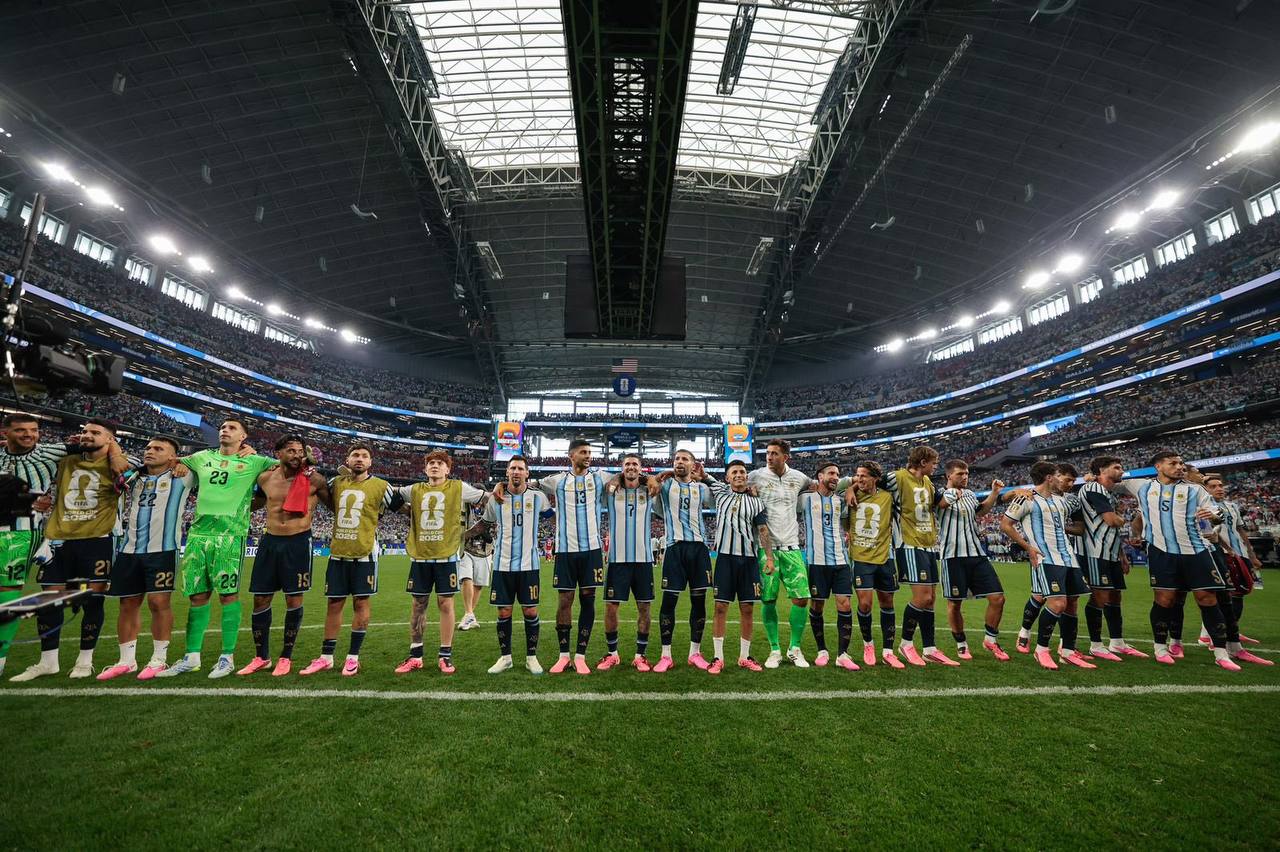
Argentina are through to the knockout rounds with six points and Messi is the Golden Boot leader. He turns 39 on Wednesday. And somehow, impossibly, he might just be getting started.
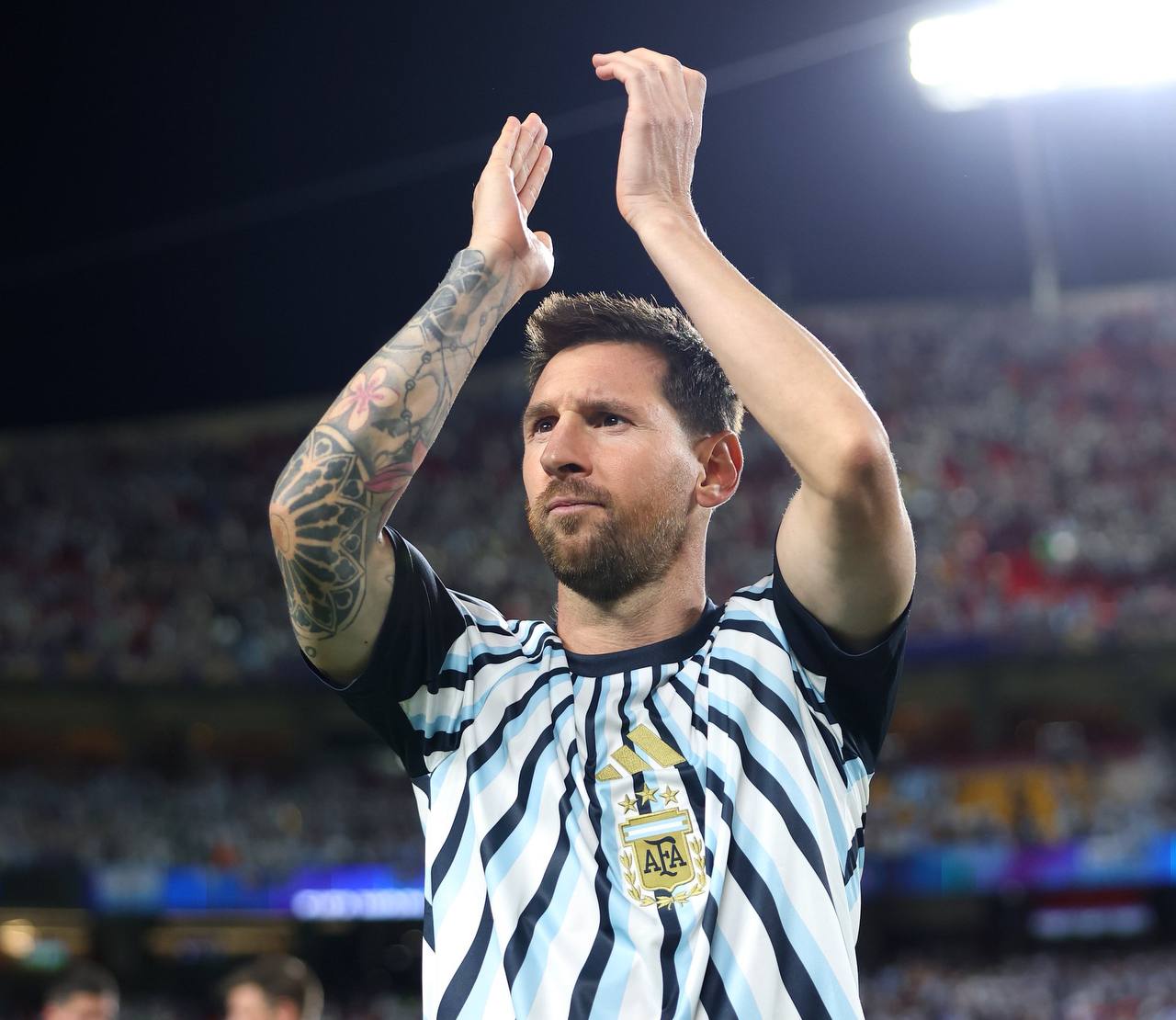
The GOAT still has more history to write.
Man of the Match: Messi