


The FIFA World Cup is supposed to be football’s great equaliser. For one month, the world puts down its weapons, parks its differences, and watches 22 people chase a ball. Beautiful, right?

Not this time.
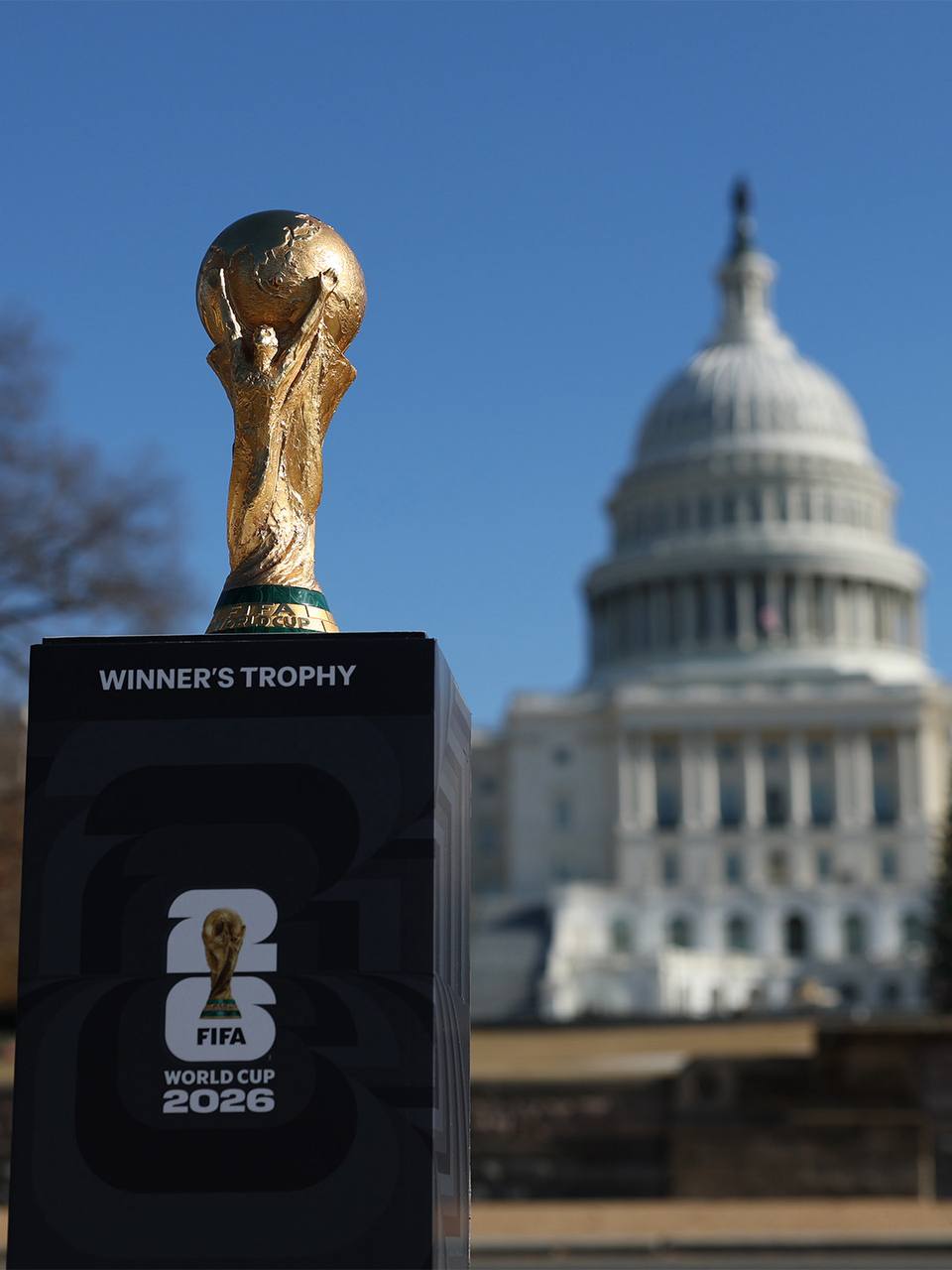
The 2026 World Cup — kicking off June 11 across the United States, Mexico, and Canada — is shaping up to be the most politically charged tournament ever staged. And honestly? The drama off the pitch might end up being more gripping than anything on it.
Iran vs. America: The World Cup’s Most Explosive Subplot
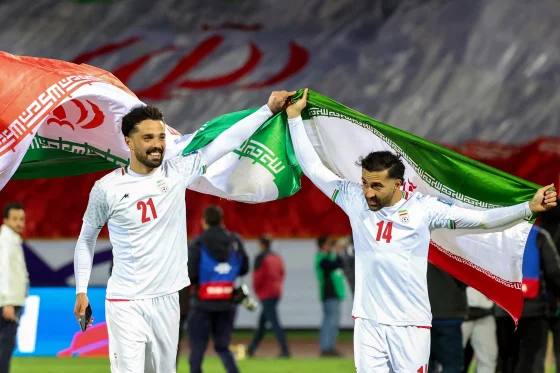
Let’s start with the wildest storyline in sports right now. Iran qualified for their fourth consecutive World Cup and were drawn in Group G — with all three of their matches scheduled on American soil, in Los Angeles and Seattle. Sounds straightforward, right? It is not.
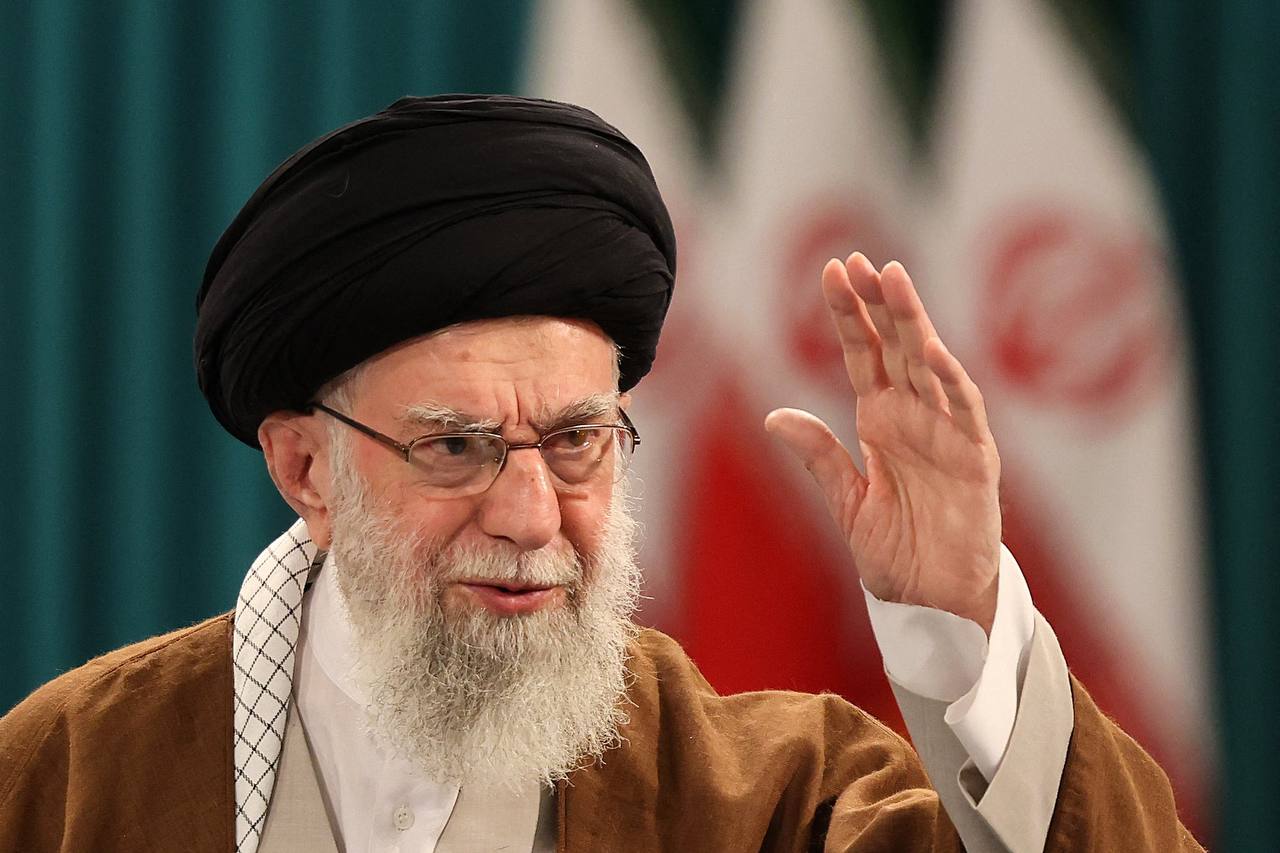
Earlier this year, the US and Israel launched military strikes on Iran, killing Supreme Leader Ayatollah Ali Khamenei. Iran’s sports minister Ahmad Donyamali came out swinging: “Under no circumstances can we participate in the World Cup. Our children are not safe.” Iran’s football federation president Mehdi Taj backed him up, demanding FIFA relocate their games to Mexico.
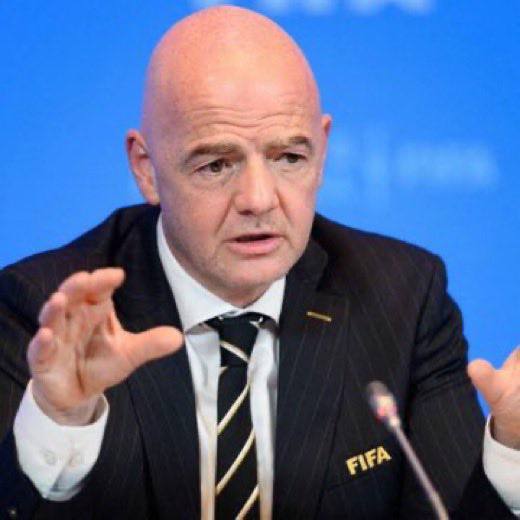
FIFA’s response? Essentially: no. President Gianni Infantino said he wants the tournament to go ahead “as scheduled.” Trump, for his part, told Politico he “really doesn’t care” whether Iran shows up.
As of today, Iran’s participation remains in limbo — a jaw-dropping situation just eight days before kick-off.
Travel Bans: Not Everyone Is Welcome to the Party
Here’s where it gets even messier. The Trump administration has placed full travel bans on 12 countries and partial restrictions on seven more. Of the 48 qualified nations, fans from Côte d’Ivoire, Haiti, Iran, and Senegal cannot enter the United States for World Cup games — full stop — unless they already held visas before the ban.
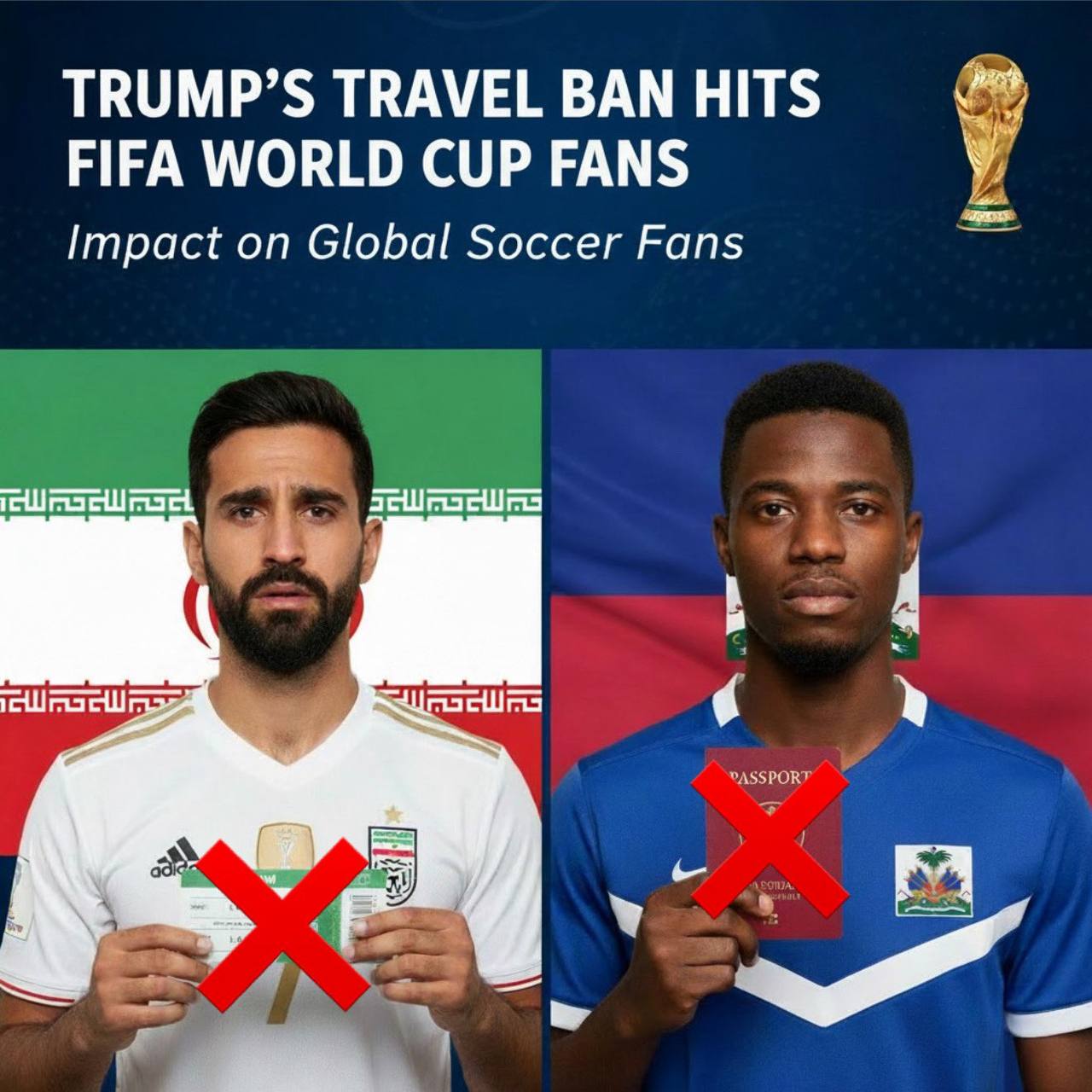
Think about that. Senegal qualified for the tournament. Their fans, many of whom have dreamed of watching their team at a World Cup, are legally barred from the host country. Same story for Côte d’Ivoire supporters. And those aren’t even the only nations affected — fans from Morocco, Algeria, Egypt, and several others face frozen visa applications and serious obstacles to entry.
Players, coaches, and immediate family are exempt. But the ordinary fan who saved up for years to make the trip? Good luck.
ICE at the Stadium Gates
If the travel bans weren’t enough, there’s another chilling factor: the very real possibility of US Immigration and Customs Enforcement (ICE) agents operating near World Cup venues. FIFA has reportedly considered asking the White House to pause raids during the tournament, but no such assurance has been given.
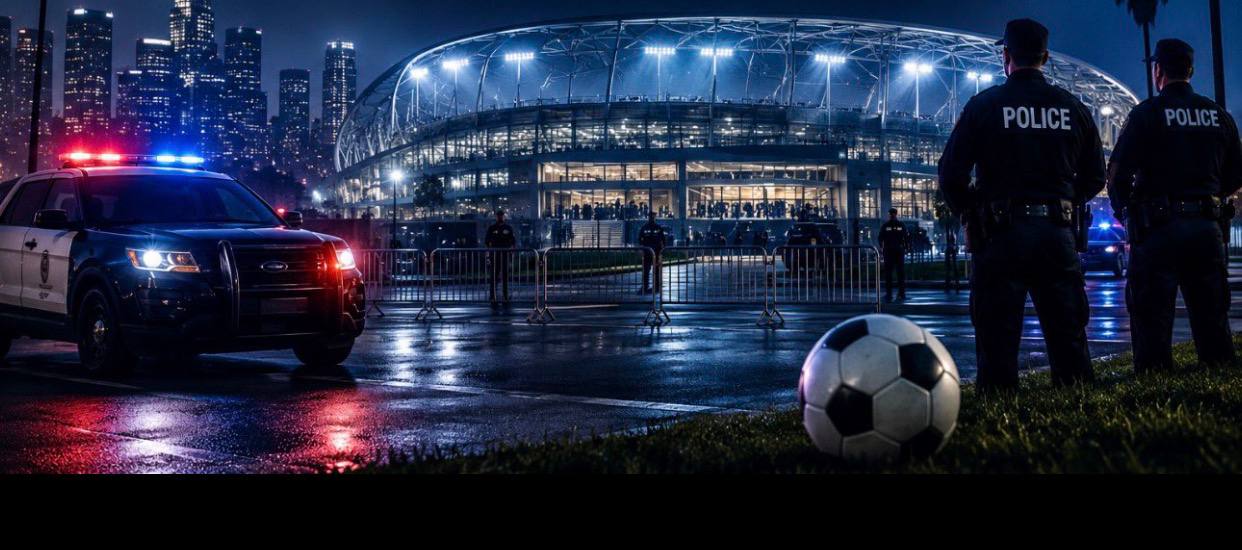
A New Jersey congresswoman introduced a ‘Save the World Cup’ bill to ban ICE from conducting operations within a mile of any match or fan festival. When she directly asked ICE chief Lyons for assurance that agents would stay away from games, he refused. Stadium workers at SoFi Stadium in Los Angeles — where eight matches will be played — threatened to strike unless FIFA guaranteed their safety.
“It’s a chilling effect, not only for fans travelling from around the world,” said Juan Avilez of the American Immigration Council, “but also for fans already living here.”
The Trump-Infantino Alliance Nobody Asked For
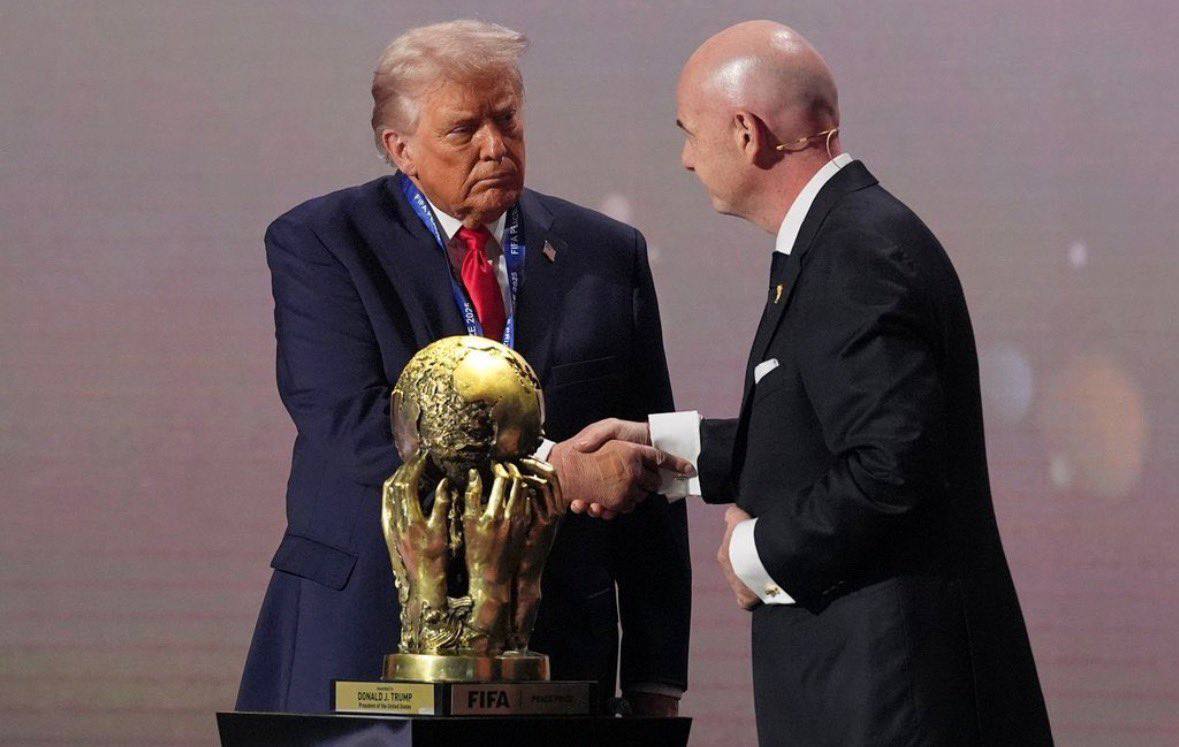
Behind all of this sits one of the strangest bromances in football history. Infantino has been Trump’s most vocal ally in global sport, even creating a FIFA Peace Prize — yes, that’s a real thing — to hand to Trump after he was passed over for the Nobel Peace Prize. Academics have noted that Trump has leveraged his FIFA relationship to project strength to his MAGA base while mixing his political brand with the world’s biggest sporting event.
Meanwhile, the tournament’s co-hosts Mexico and Canada have ongoing trade tensions with Washington over Trump’s tariffs. Even the neighbours hosting this World Cup aren’t exactly on great terms with America right now.
Football Deserves Better — But the Show Must Go On
Whatever your politics, the 2026 World Cup was supposed to celebrate the beautiful game across North America. Instead, it has become a lightning rod for every geopolitical fault line of our time.
Seven days to go. Billions of eyes watching. And somehow, football will find a way to matter more than all of it.
It always does.