







By Michael Nsikan Richard – November 13th, 2025

Current Status of Public Funding
The plan by Manchester United and minority owner Sir Jim Ratcliffe (INEOS) to build a new, state-of-the-art 100,000-capacity stadium, often dubbed “The Wembley of the North” or “New Trafford,” has reached a critical juncture regarding public funding.
As of the latest reports from Tribuna, the UK government and local authorities have made their position clear: no public money will be used for the construction of the stadium itself, but they remain open to supporting the wider regeneration and infrastructure around the site. i.e., the government will not pay for the structure itself, forcing Ratcliffe and INEOS to find private financing for the £2 billion build, but the door is open for public investment in the necessary roads, rail, and community spaces that surround the ambitious development.
This clarification comes after months of speculation following earlier comments from the club’s minority owner, Sir Jim Ratcliffe, about potential government involvement.
The Government’s Actual Role
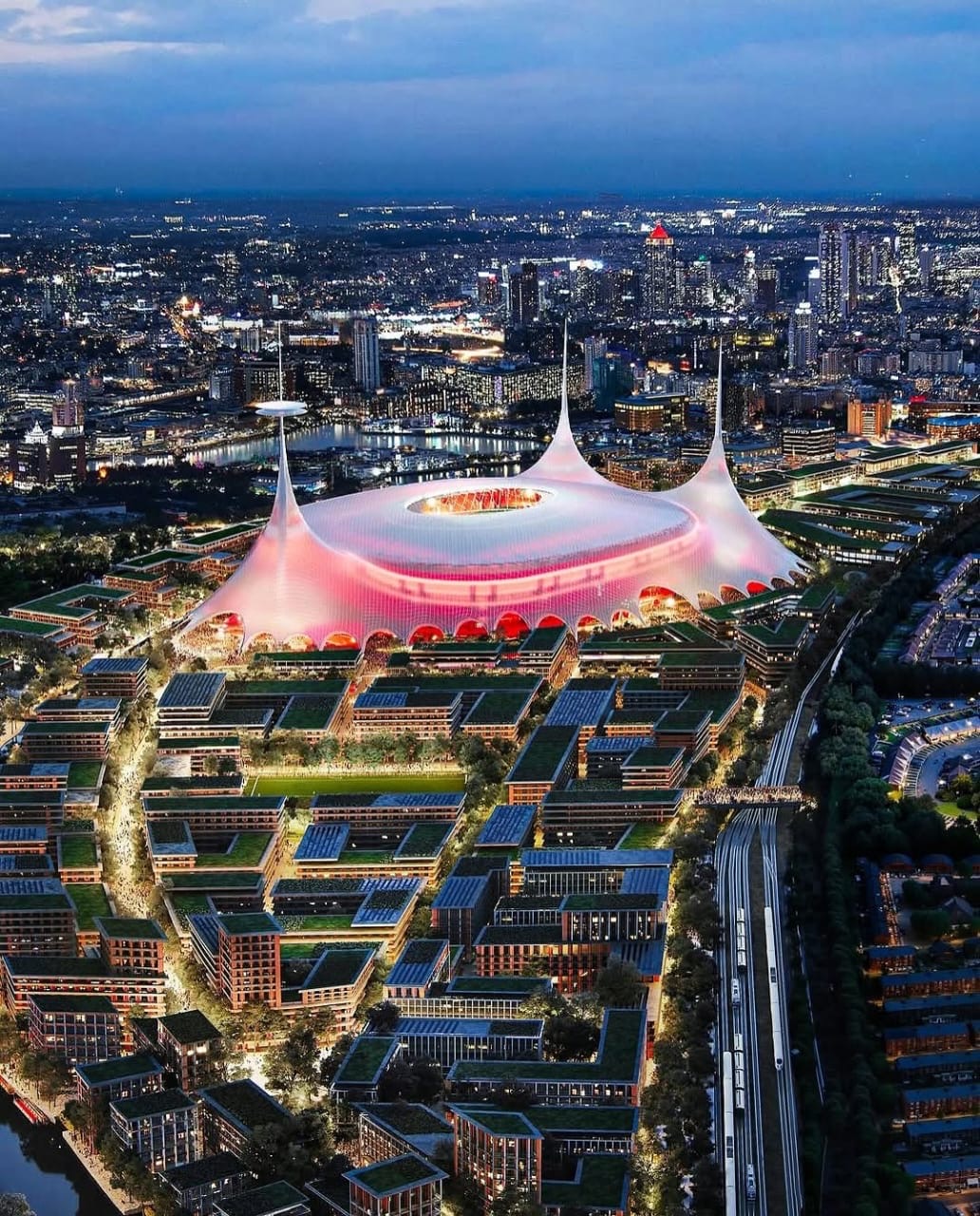
While the government has refused to provide direct funding for the stadium construction, they have committed to supporting the broader regeneration project surrounding the new venue.
Football Ground Guide reports that the UK Secretary of State for Culture, Media and Sport, Lisa Nandy, confirmed that while there is no chance of public funding being used to help finance the stadium, the project aligns with the government’s plans to regenerate parts of the United Kingdom.
What the Club Is Actually Seeking

The distinction between stadium funding and infrastructure support is crucial to understanding this situation. Tribuna reports that Manchester United COO Collette Roche outlined that the club is seeking government support for infrastructure and broader regeneration efforts around the stadium site to benefit the region.
This includes transport links, housing developments, and other public amenities that would serve the wider community, not just match-going fans.
Ratcliffe himself reportedly stated that “United don’t need any government funding” for the new stadium but stressed it would have to be part of a government-supported project to regenerate the area around Old Trafford. The vision encompasses creating jobs and investment, not just during construction but on a lasting basis once the stadium district is complete.
The Wider Regeneration Project
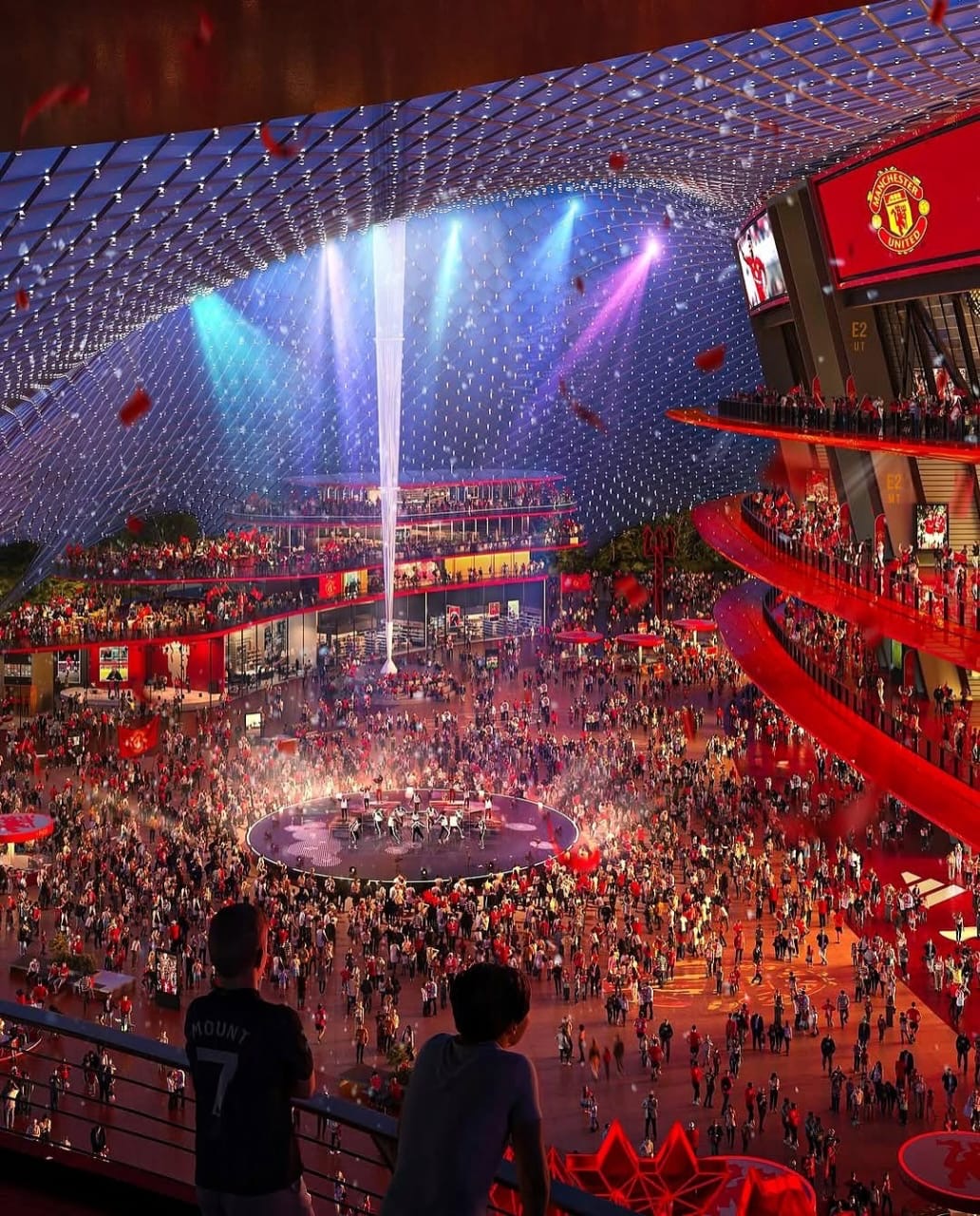
Football Ground Guide reports that in April 2025, Trafford Council appointed a consortium to design a strategic master plan for Trafford Wharfside, the area that will directly surround Manchester United’s new stadium once built. This regeneration plan is expected to deliver thousands of new homes and jobs, with nature and wildlife at its heart.
According to reports by Tribuna, discussions continue over the government’s participation in the wider infrastructure project, which includes plans for 17,000 new homes and major transport upgrades in the area.
Financial Context and Challenges
Football Ground Guide reports the club faces significant financial challenges that make the funding question particularly pressing.
Manchester United published record revenues of £666.5 million in September 2025 for the financial year to June 2025, yet still recorded an overall loss of £33 million, with poor on-field performances contributing to the financial difficulties. Additionally, the club carries debts of over £1 billion, raising questions about their ability to self-fund such an ambitious project.
Timeline and Current Progress
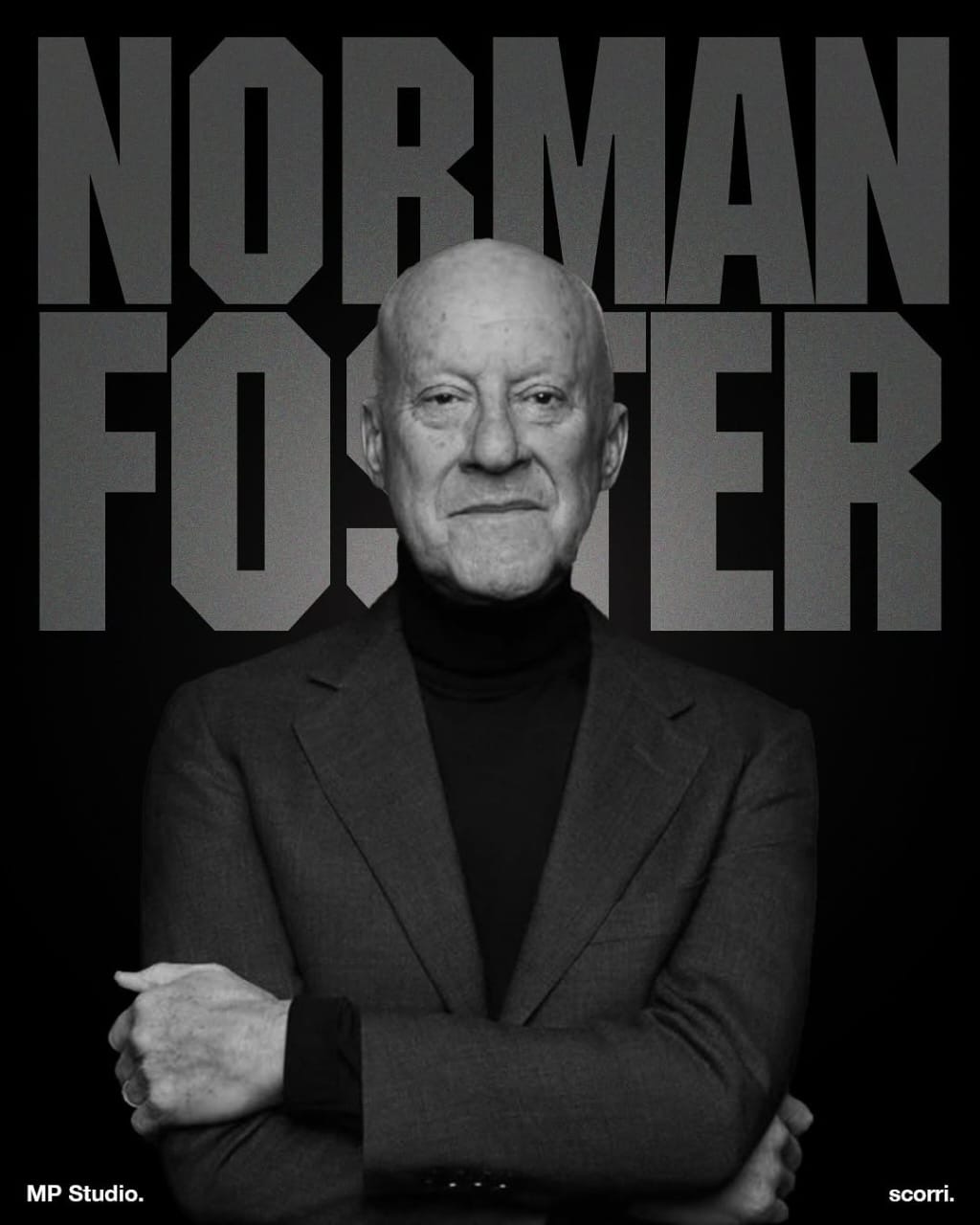
Norman Foster of Foster + Partners has estimated that construction will take 5 years, with plans to build the stadium using modular construction and transporting materials along the Manchester Ship Canal.
However, construction has not yet begun as the club continues to finalize land purchases around Old Trafford, including negotiations with Freightliner over crucial parcels of land for the development.
The project remains on track according to official statements, with the club positioning it as a once-in-a-lifetime opportunity not just for Manchester United but for the entire region.
The key takeaway is that while the government has definitively refused to publicly fund the stadium itself, they remain committed to supporting the surrounding infrastructure and regeneration efforts that will benefit the wider community.

DERBY: LIV vs MAN UTD News, H2H, Lineups