




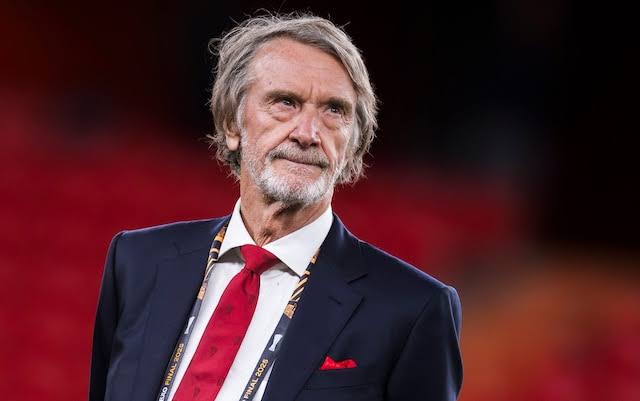
Sir Jim Ratcliffe, Manchester United’s co-owner, has officially expressed his long-term confidence in head coach Rúben Amorim, stating that the Portuguese manager will be given three years to rebuild the team and establish his footballing philosophy. The declaration signals a new era of patience and structured planning at Old Trafford, a clear contrast to the frequent managerial changes that have defined the club in recent years. Ratcliffe’s stance reflects a broader desire to restore stability and long-term vision after a turbulent period for the club both on and off the pitch.

Ratcliffe’s three-year plan represents a major departure from United’s recent habit of short-term fixes. He stressed that genuine progress in modern football requires time, consistency, and a clear direction. Drawing on examples of managers who initially struggled before achieving success, Ratcliffe made it clear that Amorim needs the freedom to develop his style, assemble the right squad, and rebuild United’s footballing structure from the ground up. According to Ratcliffe, such a process cannot be rushed if the club truly aims to reconnect its football ambitions with sustainable growth.
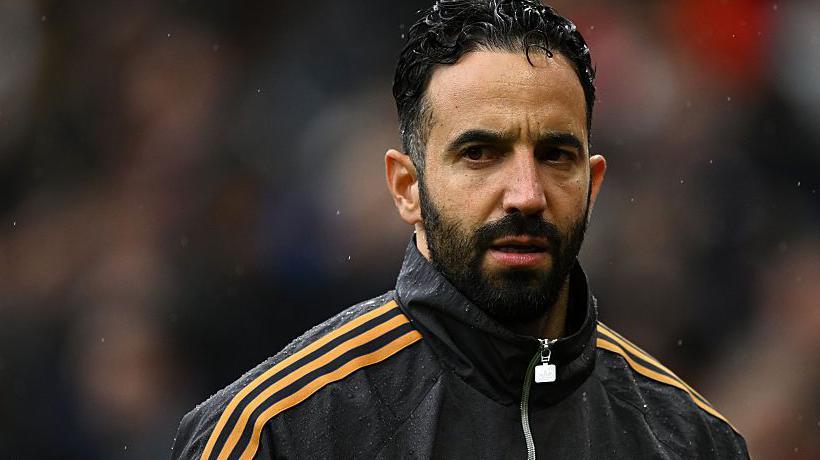
Amorim’s start to life at Old Trafford has been challenging. Expectations were sky-high when he took over, but an inconsistent run of performances last season and a disappointing 15th-place league finish brought early criticism from fans and pundits. Despite heavy spending during the transfer window, the team’s output has yet to reflect the investment. Ratcliffe, however, believes that rebuilding a club as large and historic as Manchester United demands patience, insisting that Amorim must be judged over a longer period rather than on short-term results.
The 72-year old billionaire’s backing for Amorim is also linked to the wider structural overhaul taking place within the club. Since assuming control of football operations after purchasing a minority stake, he has implemented organisational reforms aimed at streamlining operations, improving recruitment, and reviving the academy’s production line. His belief is that financial discipline and sporting success should go hand in hand, and supporting Amorim is part of a larger strategy focused on long-term value creation rather than immediate gratification.
Reactions from fans and analysts have been divided. Many supporters have welcomed Ratcliffe’s commitment, viewing it as a necessary step to end the revolving door of managers and create an environment where progress can flourish. Others remain cautious, pointing to United’s inconsistent form and the scale of rebuilding required to restore the club to its former glory. The debate underscores the ongoing tension between the demand for instant success and the reality that true transformation often takes time.
Inside the club, Ratcliffe’s announcement provides Amorim with vital breathing space to implement his philosophy and make structural adjustments without the looming threat of dismissal. That support will allow him to focus on long-term improvements, including player development and recruitment restructuring. Ratcliffe’s insistence on stability mirrors his belief that constant managerial changes only undermine progress and morale. A three-year timeframe, he argues, offers enough room for Amorim to establish his vision, integrate new signings effectively, and deliver a coherent playing style.
As the season unfolds, the focus will shift to whether Amorim can convert Ratcliffe’s trust into consistent performances and visible progress on the pitch. For Ratcliffe and the club’s hierarchy, the challenge will be balancing business sustainability with footballing results, a task that could define United’s next chapter.