





Sometimes, football has a way of writing stories that no scriptwriter would dare submit. Stories so dramatic, so painfully unfair, and then so beautifully redemptive, that they don’t feel real. The story of Omar Artan is exactly that kind of story. Sit down for this one.

The Dream That Was Ripped Away

Omar Artan, 34 years old, born in Mogadishu, Somalia. A man who has spent his entire adult life building himself into one of the finest referees on the planet. FIFA-listed since 2018. CAF Men’s Referee of the Year 2025. The first Somali official to take charge of a continental final, and the first ever from his country to be selected for a FIFA World Cup.
Think about what that means. Somalia — a nation that has endured decades of unimaginable hardship — producing a referee good enough to stand on the grandest stage in football history. That isn’t just an achievement. That’s a miracle.
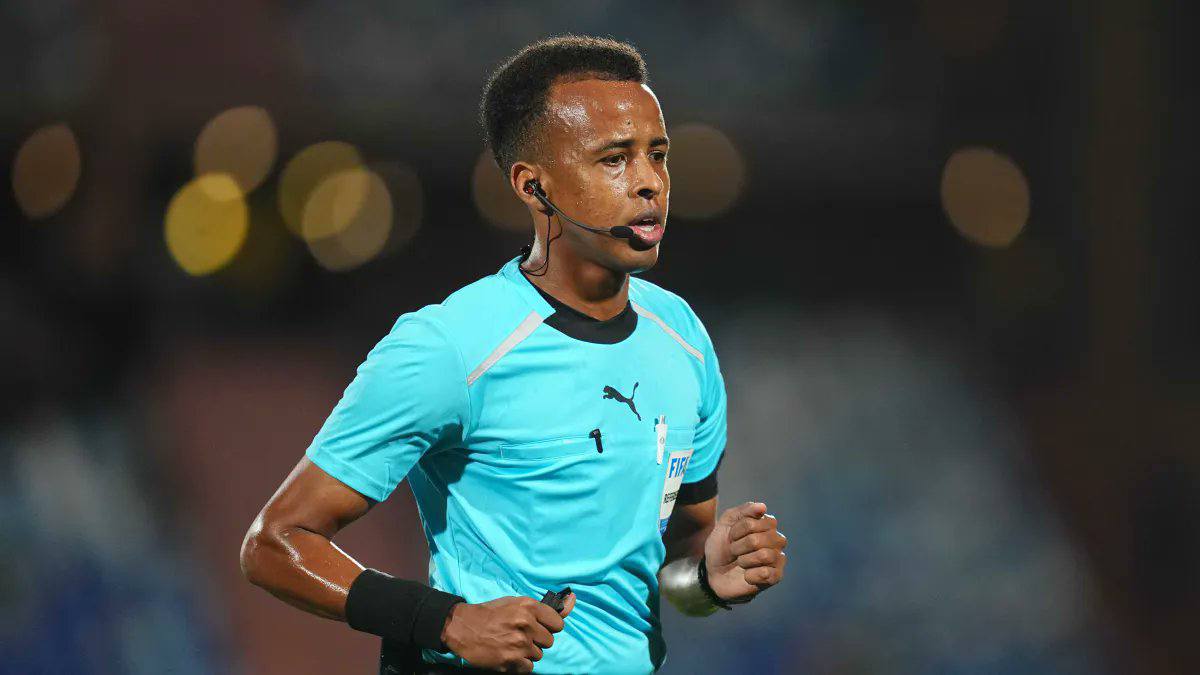
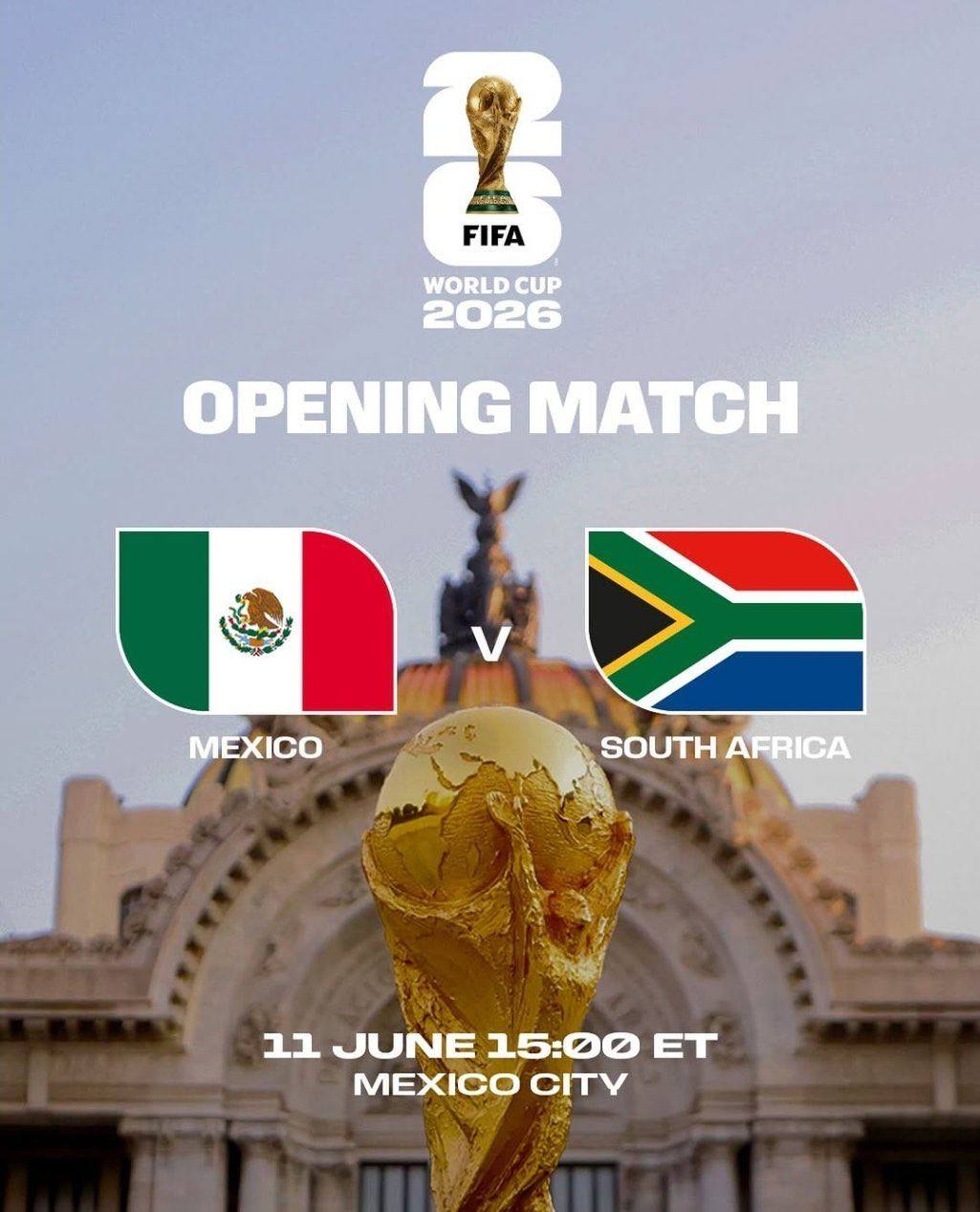
So Artan boarded a flight from Istanbul, connecting to Miami, where the World Cup’s referee hub had been set up ahead of the 2026 tournament. He had his documents. He had his FIFA paperwork. He had his visa, processed through the Somali Embassy in Kenya just days before. He had everything.
What he didn’t have was a chance.
Eleven Hours in a Room, Then a Plane Home
At Miami International Airport, Artan was subjected to additional inspection. For eleven hours, border officials questioned him — about Somali politics, about the al-Shabaab militant group, about why he was in the country. He showed them his FIFA documentation. He showed them photos from over a decade of refereeing. He explained, calmly and professionally, exactly who he was.
It didn’t matter.
U.S. Customs and Border Protection later confirmed he was “determined to be inadmissible due to vetting concerns.” A U.S. official then claimed, without providing any evidence, that Artan had links to suspected terror organisations. A claim Artan flatly denied.
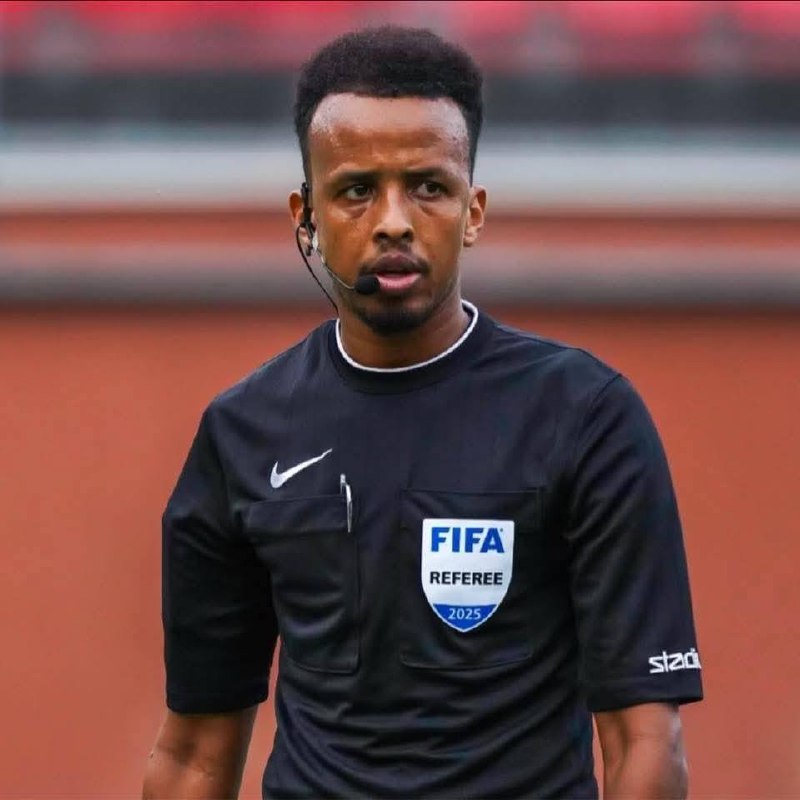
“I had the right papers and everything. I had the right visa,” Artan said. “I had the right papers and everything.” He was placed in a holding cell and put on a flight back to Istanbul.
Just like that, his World Cup dream was gone.
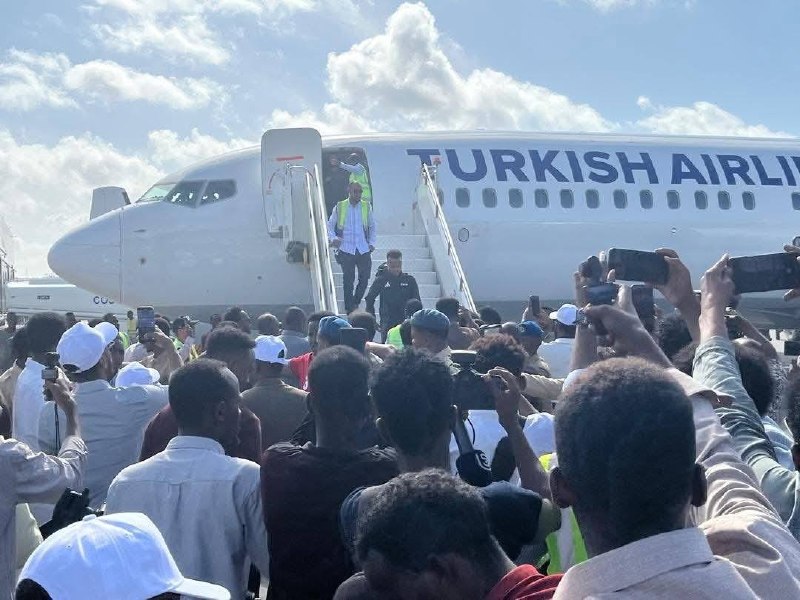
When Artan landed back in Mogadishu, he was met by supporters and government officials who came to welcome their hero home. A hero who had been humiliated through no fault of his own. He stood before them and made a promise: “I promise you, God willing, that I will attend the next one.”
If there was a dry eye in Mogadishu that day, it was made of stone.
FIFA’s Response? “Chill and Relax.”
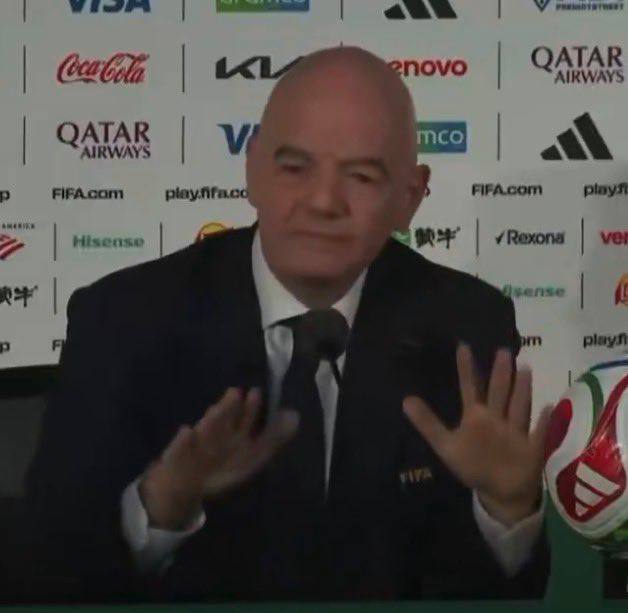
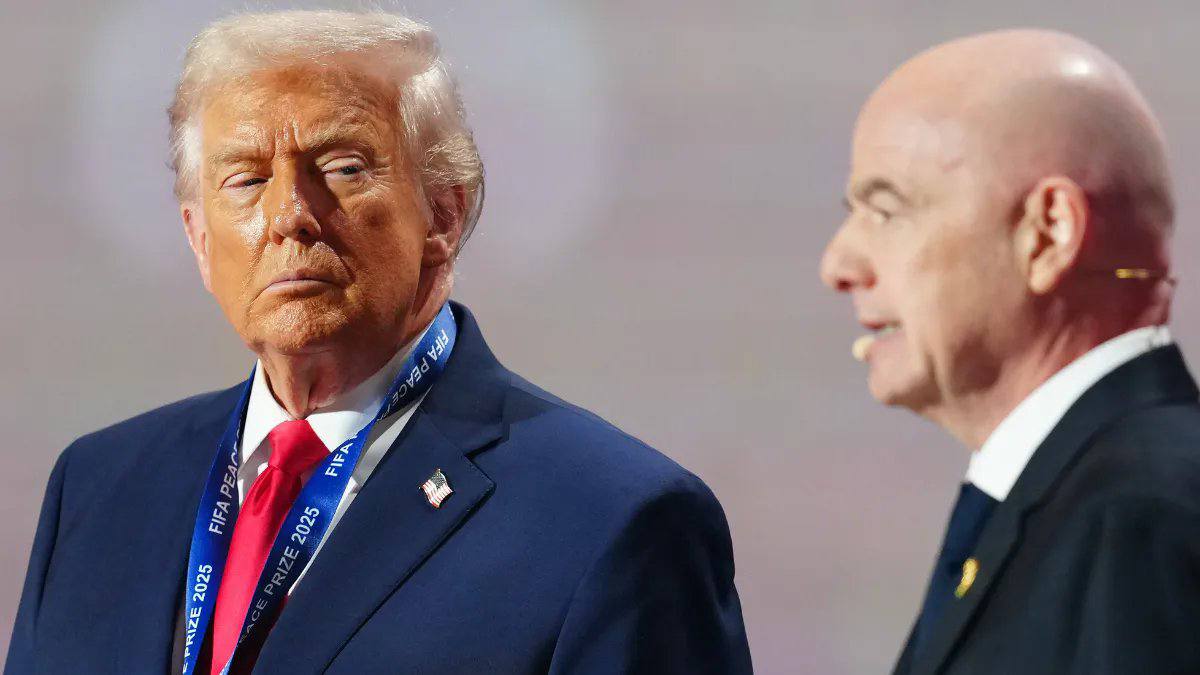
FIFA president Gianni Infantino, when pressed on the matter, called it “unfortunate” — and then told critics to “chill and relax.” The football world did not chill. The football world did not relax. The outrage was immediate and fierce, from fans, officials, and federations across the globe.
But one organisation decided to act rather than simply speak.
UEFA Steps Up — And Makes History
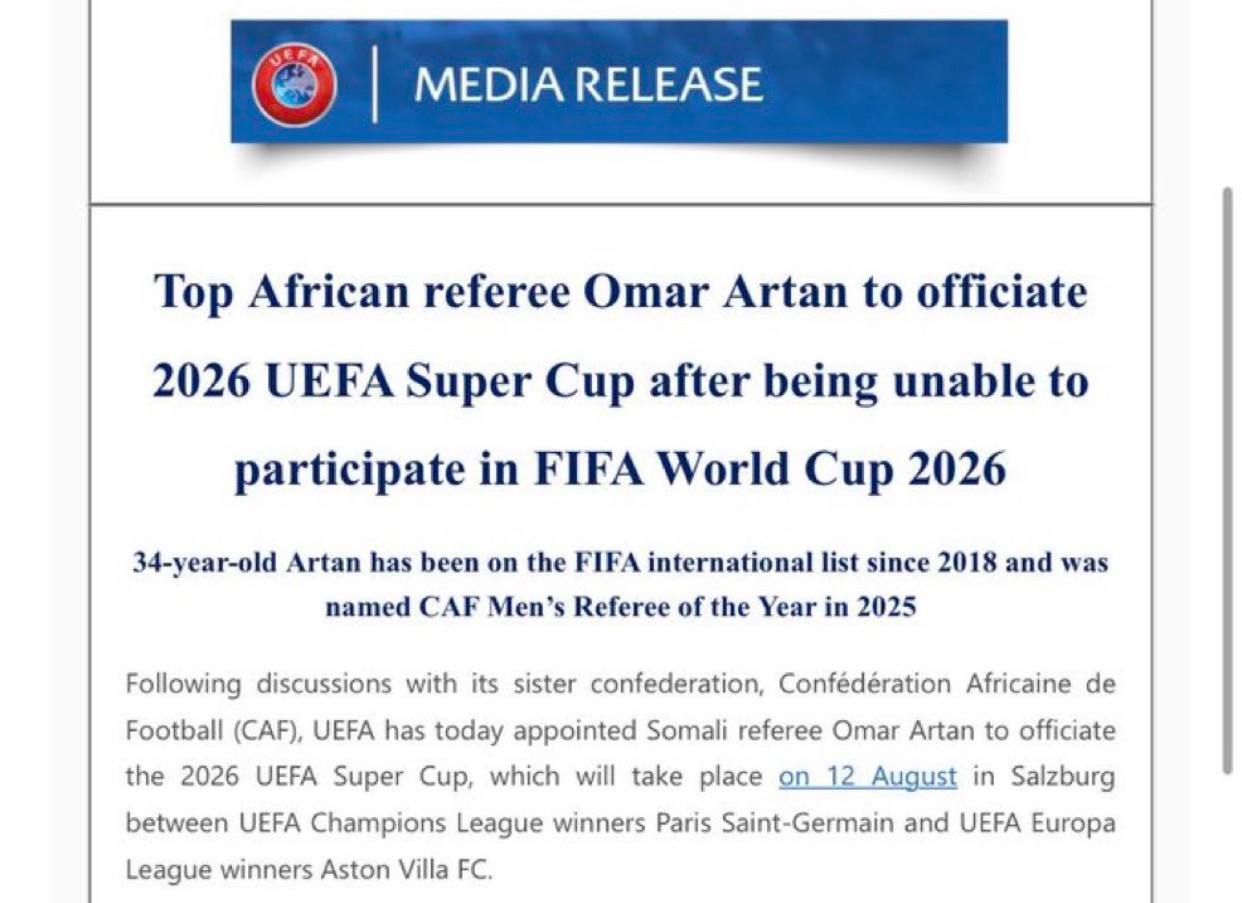
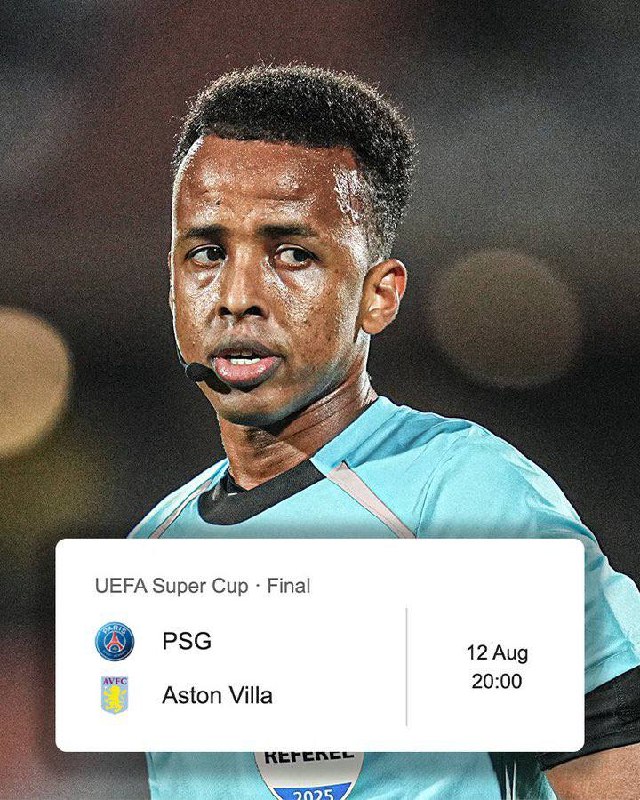
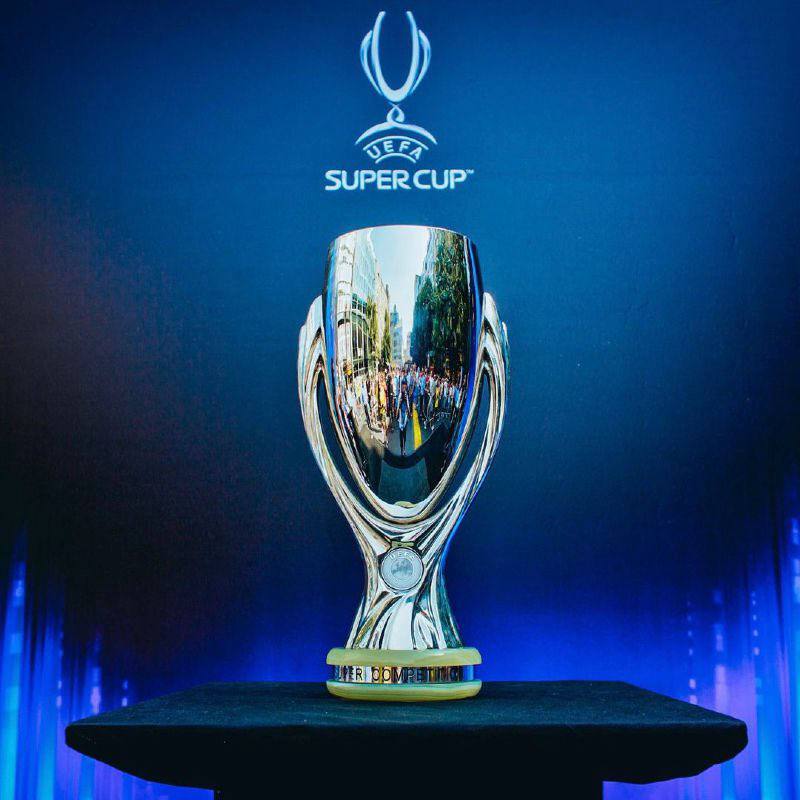
UEFA appointed Omar Artan to take charge of the 2026 UEFA Super Cup final — PSG vs Aston Villa — on August 12 in Salzburg, Austria.
In doing so, Artan becomes the first referee from Africa ever to lead a major UEFA final. Let that sink in.
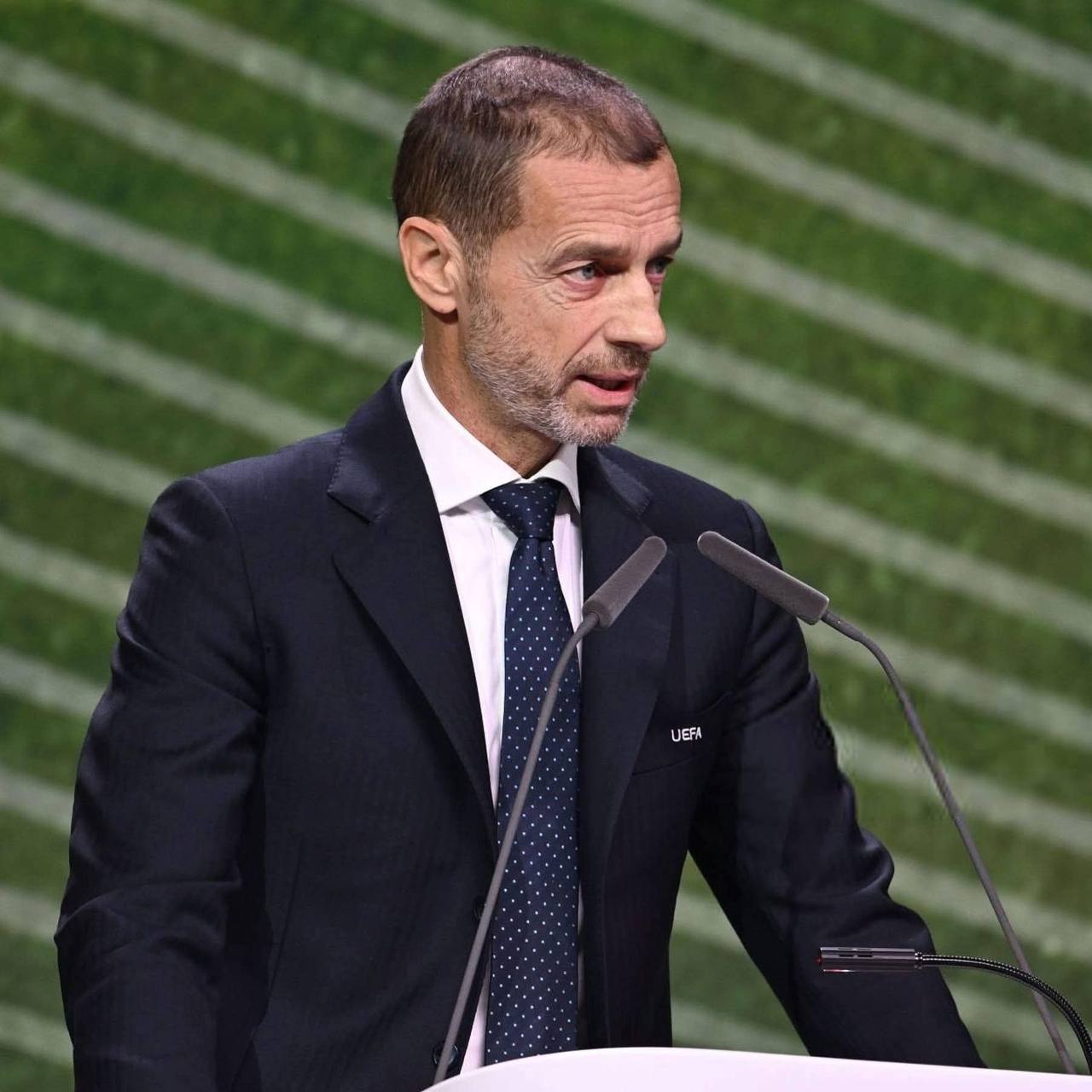
UEFA president Aleksander Čeferin said: “Football is made to connect people, and UEFA wants to show its respect to Omar and his outstanding officiating skills, which had earned him such a prestigious nomination.”
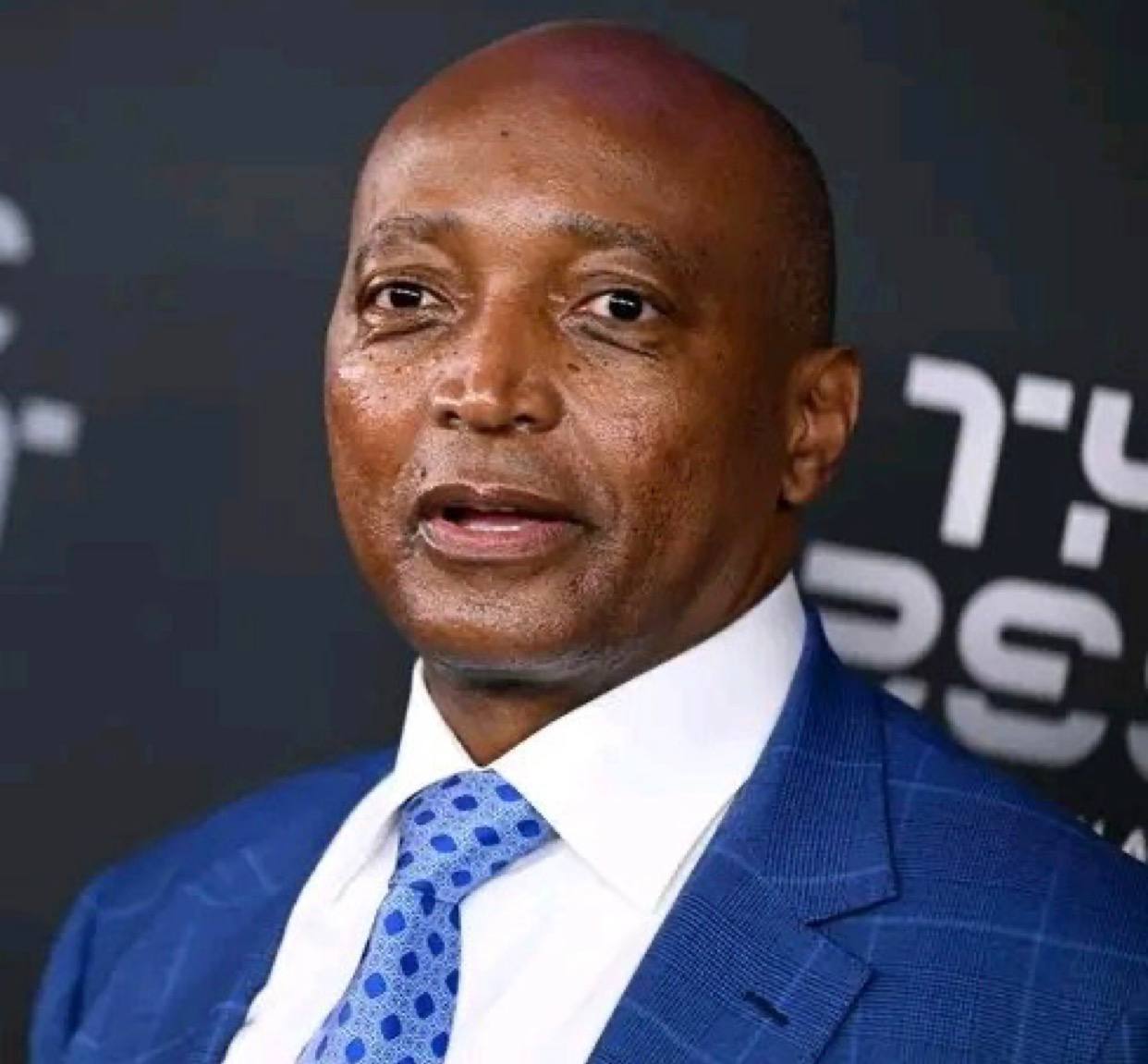
CAF president Patrice Motsepe went further, calling it “an excellent example of football bringing together and uniting people from Africa and Europe and worldwide.”
A Story That Isn’t Over — It’s Just Beginning
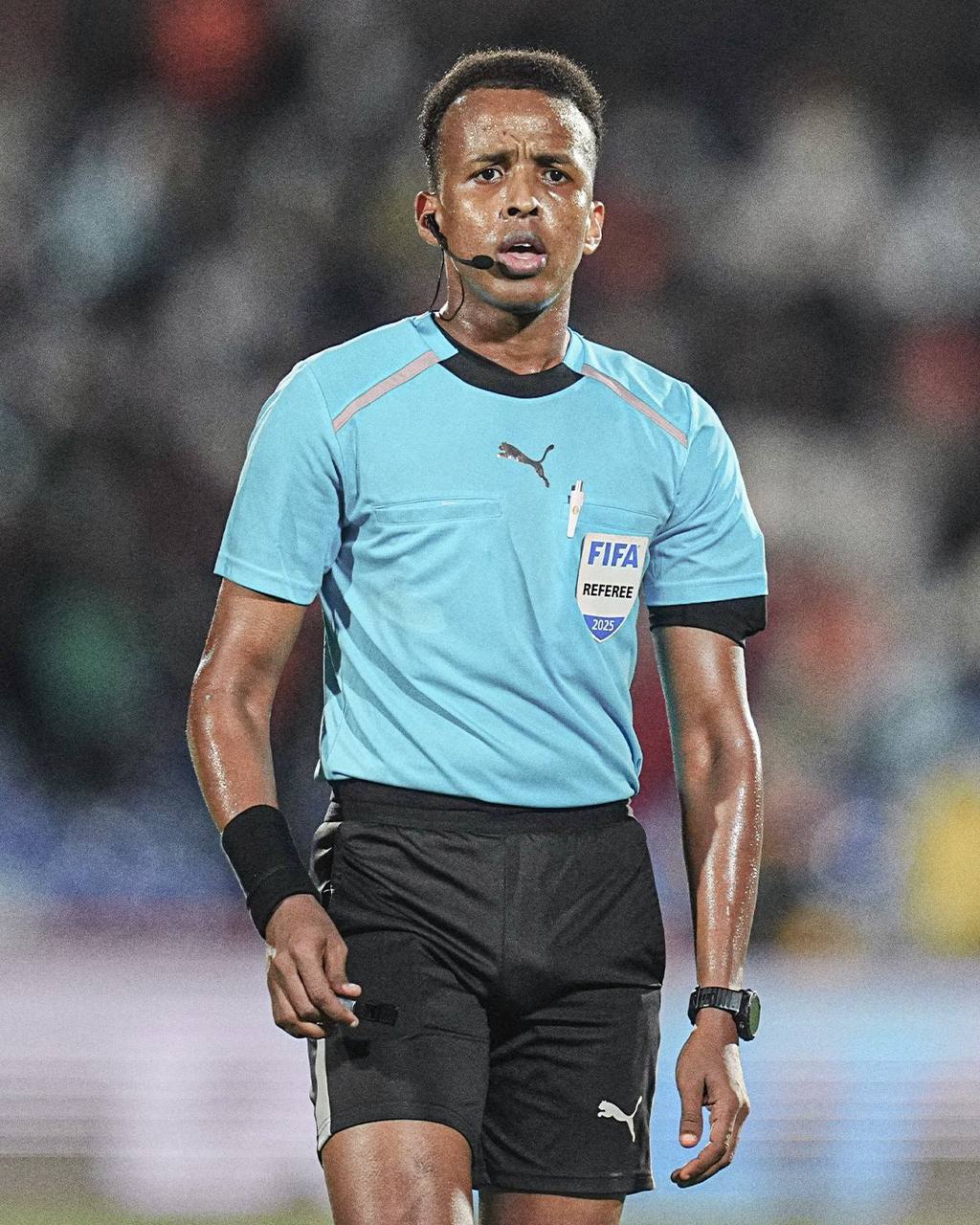
They tried to erase Omar Artan from the biggest stage in football. Instead, they handed him an even bigger one. On August 12 in Salzburg, when the Champions League winners and Europa League winners walk out under the floodlights, it will be a Somali man in the middle — whistle in hand, head held high — making history for an entire continent.
The beautiful game giveth. And on this occasion, it gave back everything that was taken. 🖤🌍⚽