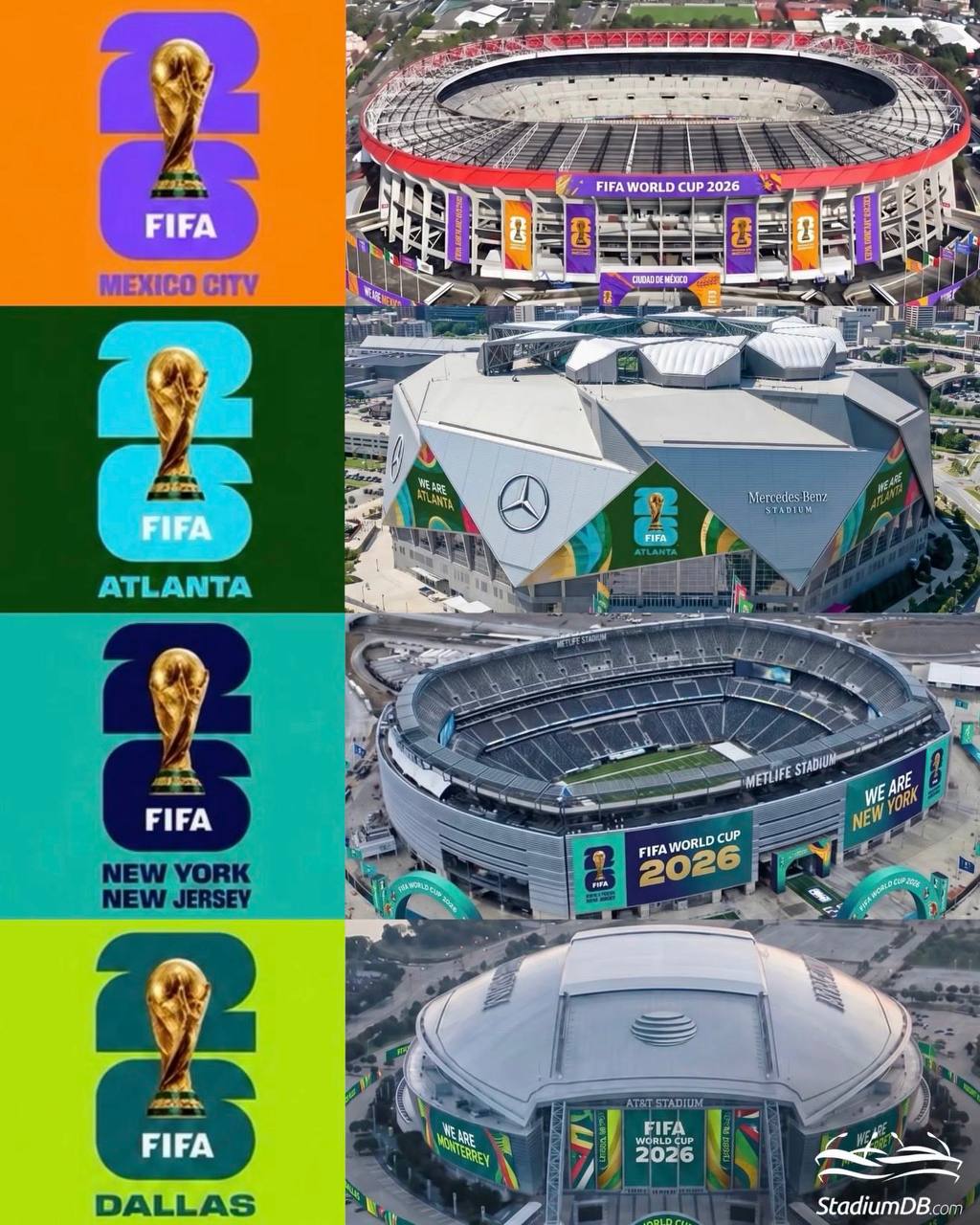














Tomorrow the world descends on North America. Sixteen stadiums across three countries will host the biggest football tournament in history — and no two venues are alike. Some drip with decades of World Cup legend. Some look like they were designed by aliens. One is literally the loudest building on Earth. Here are the seven you simply cannot ignore.

1. Estadio Azteca — Mexico City, Mexico 🇲🇽
The Cathedral. The Legend. The One and Only.
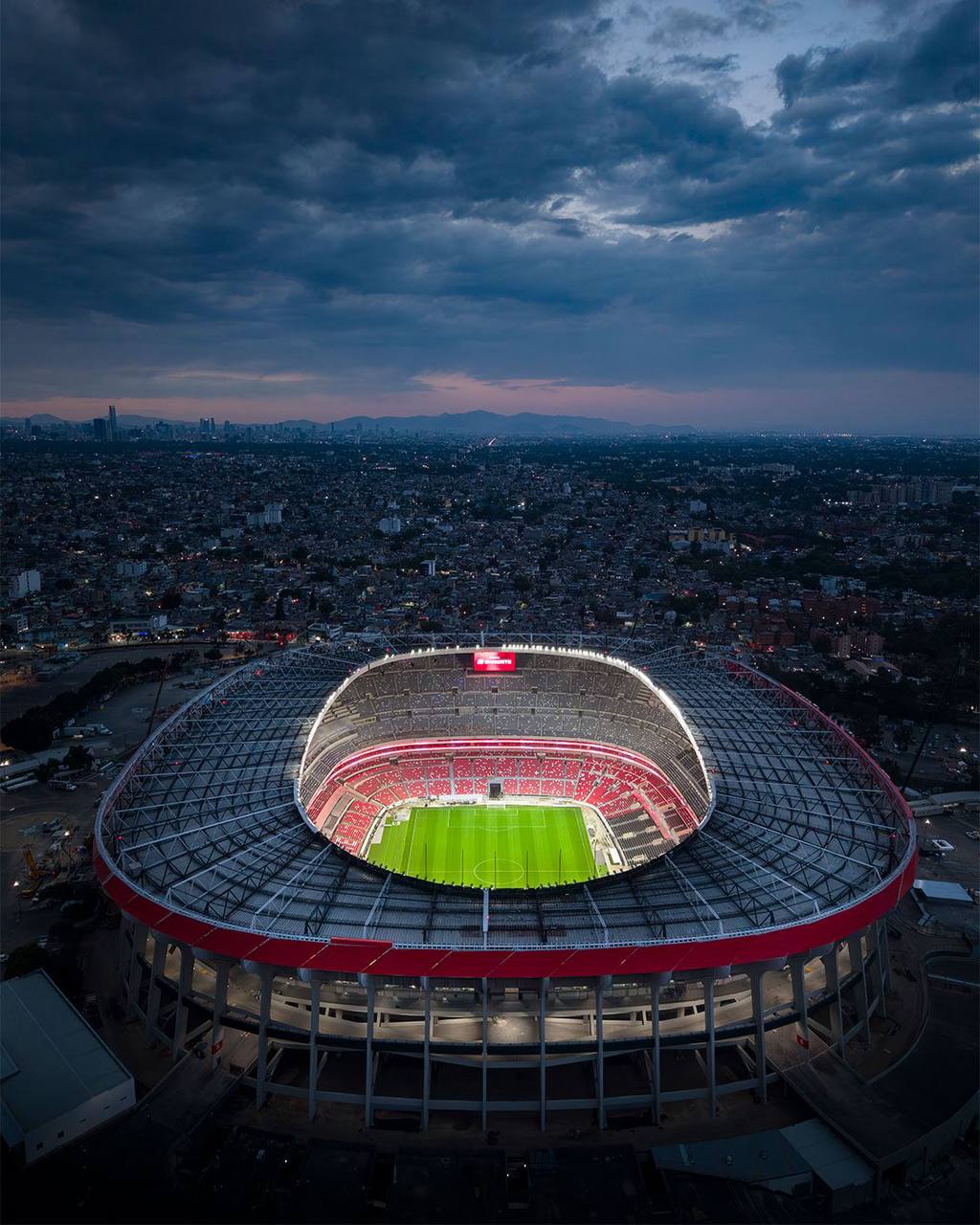
If football has a holy ground, it’s this. Opened in 1966, the Azteca has witnessed more football history than any other building on the planet. Pelé won the 1970 World Cup here. Maradona scored the Hand of God and the Goal of the Century here — in the same match. In 1986.
And now in 2026, it becomes the first stadium in history to host three separate World Cups. Mexico face South Africa in the opening match on June 11, and the old giant roars again. The only thing nobody can renovate? The altitude. Mexico City sits 2,200 metres above sea level — thin air that suffocates visitors and turbocharges the home side. Teams arrive days early just to acclimatise. A brutal, beautiful home advantage.
Matches: 5 total, including the Opening Match. Capacity: ~87,000.
2. MetLife Stadium — New York/New Jersey, USA 🇺🇸
The Final. Full Stop.
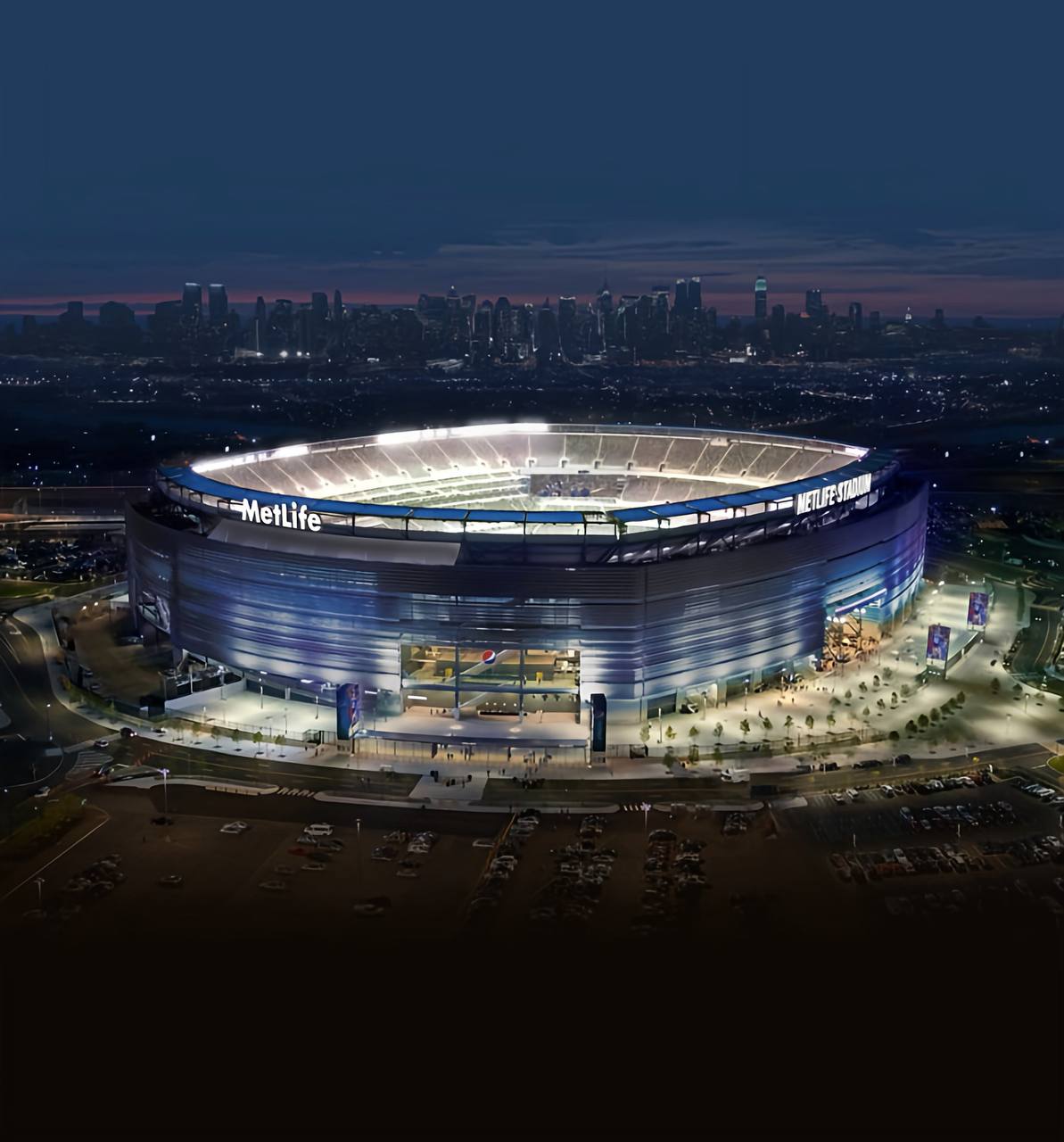
Every road at this World Cup ends here. On July 19, the New York New Jersey Stadium — MetLife in a previous life — hosts the FIFA World Cup Final. The biggest 90 minutes of sport in 2026. With 82,500 seats, it’s the largest venue at the tournament and the shared home of the NFL’s New York Giants and Jets. It cost $1.6 billion to build in 2010. For this World Cup, it’s been specially renovated — natural grass installed, lower bowl reconfigured, field widened to meet FIFA standards. Eight matches in total lead up to the finale. When that final whistle blows on July 19, the most-watched moment in world sport will have happened right here, 10 miles from Manhattan.
Matches: 8 total, including the Final. Capacity: 82,500.
3. AT&T Stadium — Arlington, Texas, USA 🇺🇸
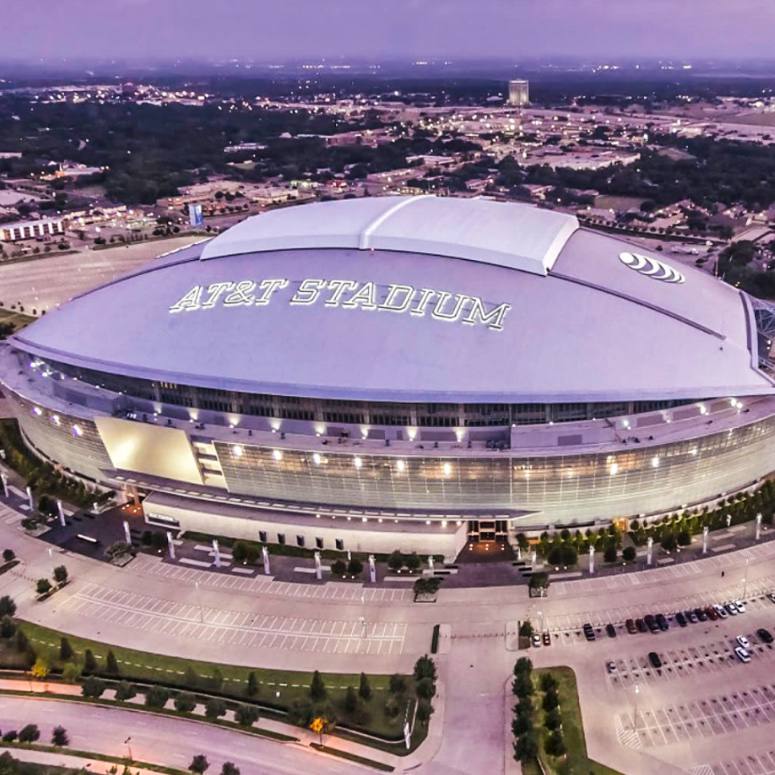
Deep in the heart of Texas, the Dallas Cowboys’ home is the largest venue at the tournament — with a staggering capacity of 100,000, though 20,000 standing-room seats are removed for the World Cup. Nicknamed “Jerry’s World” after flamboyant Cowboys owner Jerry Jones, the stadium is a monument to American excess in the best possible way. The retractable roof, the gargantuan video screens, the sheer size of everything — it’s almost too much. Nine World Cup matches will be played here, more than any other venue. If you want scale, spectacle, and pure American stadium energy, Texas delivers.
Matches: 9 total. Capacity: ~80,000 for World Cup.
4. SoFi Stadium — Inglewood, Los Angeles, USA 🇺🇸
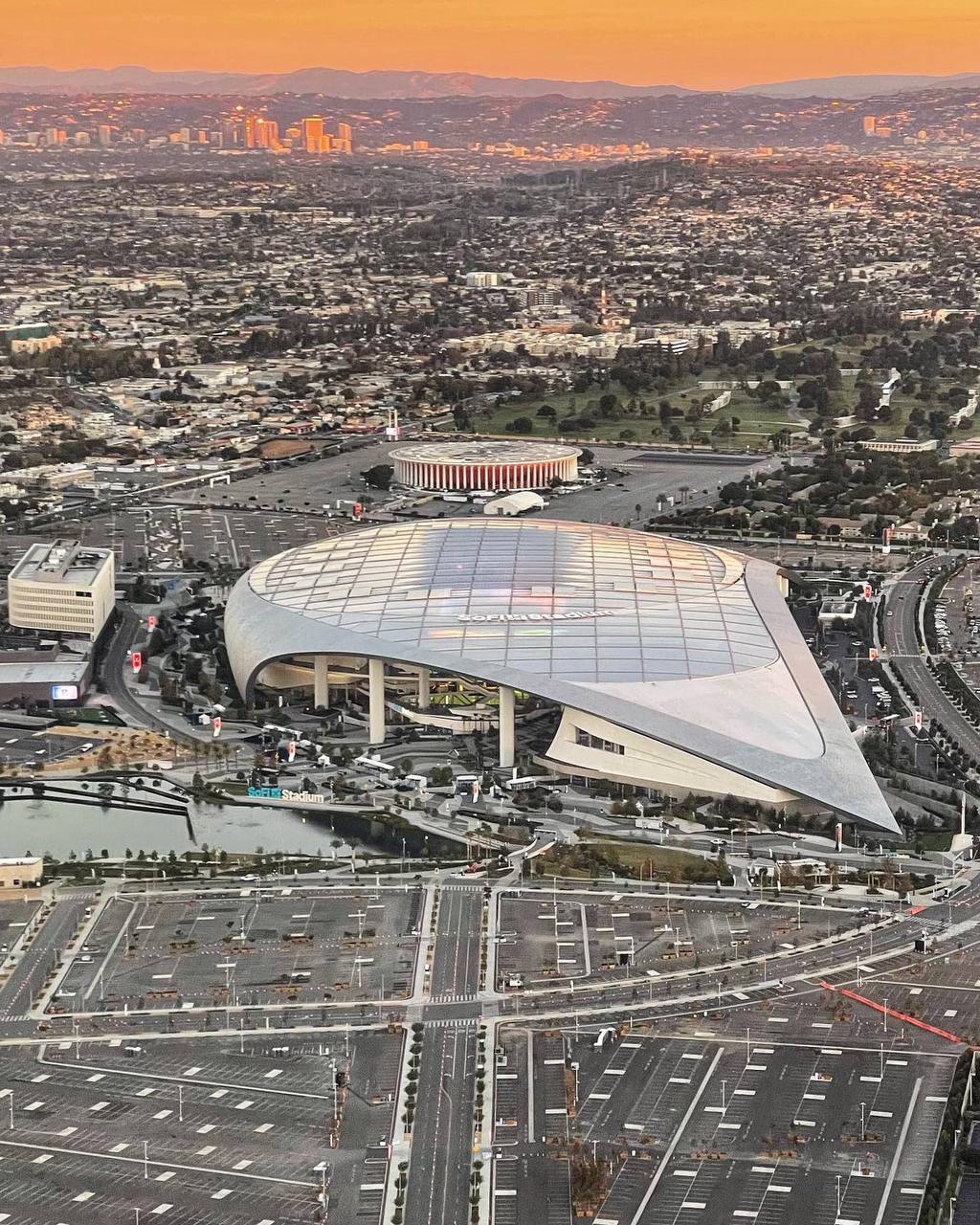
The Future of Football, Built in California.
This is where the USA open their World Cup campaign. Opened in 2020, SoFi is the most technologically advanced venue at the tournament — a jaw-dropping structure featuring a translucent roof canopy and a colossal dual-sided Infinity Screen that dominates the interior like something from a sci-fi film. Home to the Los Angeles Rams and Chargers, SoFi cost over $5 billion to build, making it the most expensive stadium ever constructed. It hosts eight World Cup matches, including major knockout games. And in two years, it hosts the LA 2028 Olympic opening and closing ceremonies. For now? The beautiful game gets it first.
Matches: 8 total. Capacity: 70,000.
5. Arrowhead Stadium — Kansas City, Missouri, USA 🇺🇸
The Loudest Place on Earth. Officially.
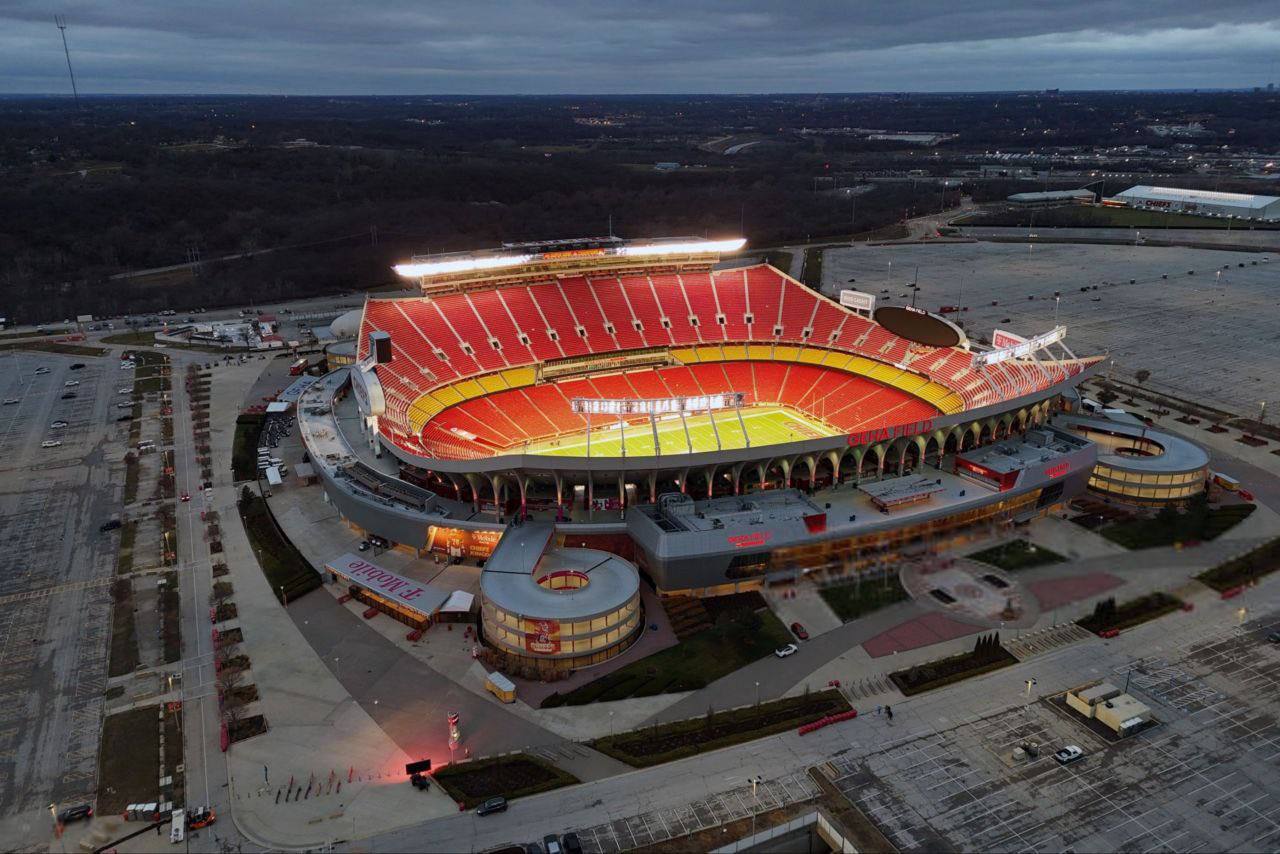
Don’t come here if you value your hearing. Arrowhead Stadium — home of the Kansas City Chiefs — holds the Guinness World Record for loudest crowd roar at a sports stadium: 142.2 decibels, recorded in 2014. The bowl design is specifically engineered to funnel noise downward onto the field, creating an atmosphere so intense players have said it physically affects concentration. For a World Cup knockout match? Absolutely terrifying. Kansas City has been an underrated pick all tournament, but anyone who’s watched a Chiefs game in this building knows what’s coming. This place will be electric.
Matches: 6 total, including a Quarter-Final. Capacity: ~76,000 for World Cup.
6. Mercedes-Benz Stadium — Atlanta, Georgia, USA 🇺🇸
Semi-Final Ready. Temperature Controlled. Zero Excuses.
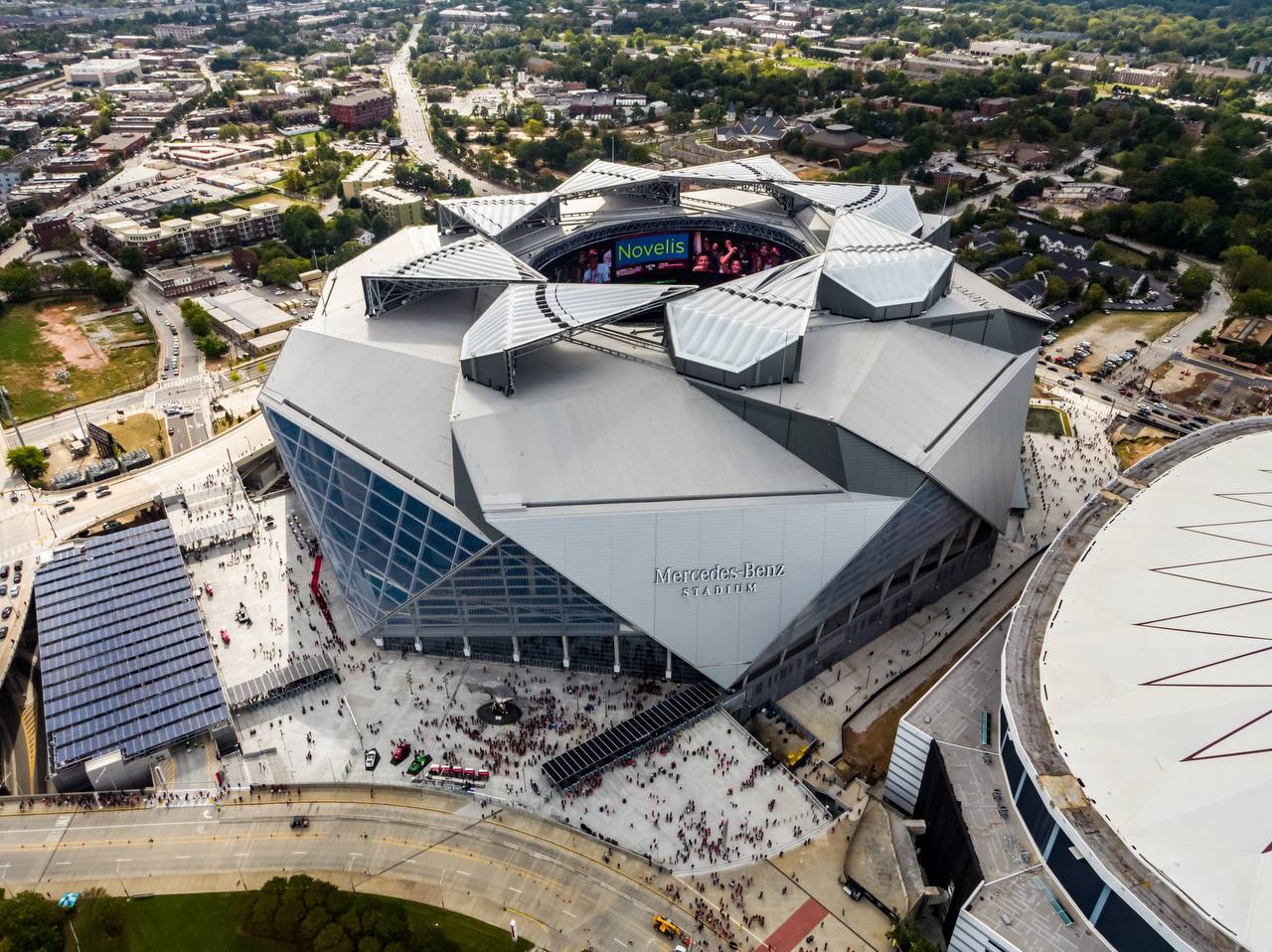
Atlanta’s Mercedes-Benz Stadium is the only fully enclosed, retractable-roof venue hosting a semi-final at this tournament — and that matters. With the Georgia summer heat pushing 35°C outside, the full air-conditioning inside this building makes it a genuine footballer’s paradise. Its distinctive eight-panel retractable roof and 71,000 seats make it one of the most visually striking venues in North America. Home to both the NFL’s Atlanta Falcons and MLS side Atlanta United, it previously hosted Super Bowl LIII. Now it’s getting a World Cup semi-final. Atlanta’s football moment has arrived.
Matches: Semi-Final included. Capacity: 67,382.
7. Estadio BBVA — Monterrey, Mexico 🇲🇽
The Most Beautiful Stadium at the Tournament.
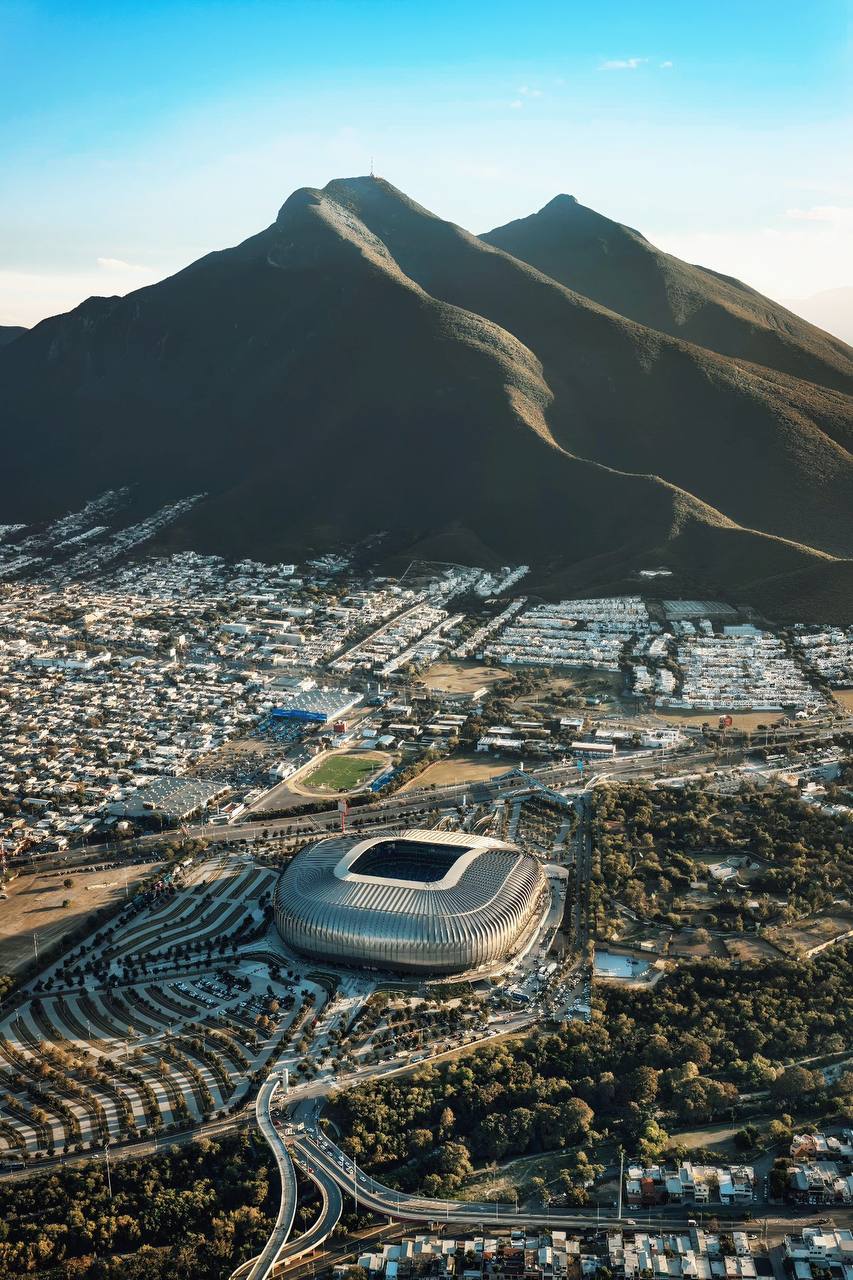
Nestled in the foothills of the Sierra Madre Oriental mountains in northern Mexico, the BBVA is simply stunning. While most World Cup venues are colossal NFL amphitheatres, the Estadio BBVA is a purpose-built football ground — intimate, atmospheric, and framed by a mountain backdrop that looks like it was designed for a movie shoot. Home to CF Monterrey, it holds 53,500 fans and will host four matches including a Round of 32 knockout. Football Twitter has already crowned it the most aesthetically beautiful venue of the tournament. And honestly? Hard to argue.
Matches: 4 total. Capacity: 53,500.
Sixteen stadiums. Three countries. One trophy. It all starts tomorrow.