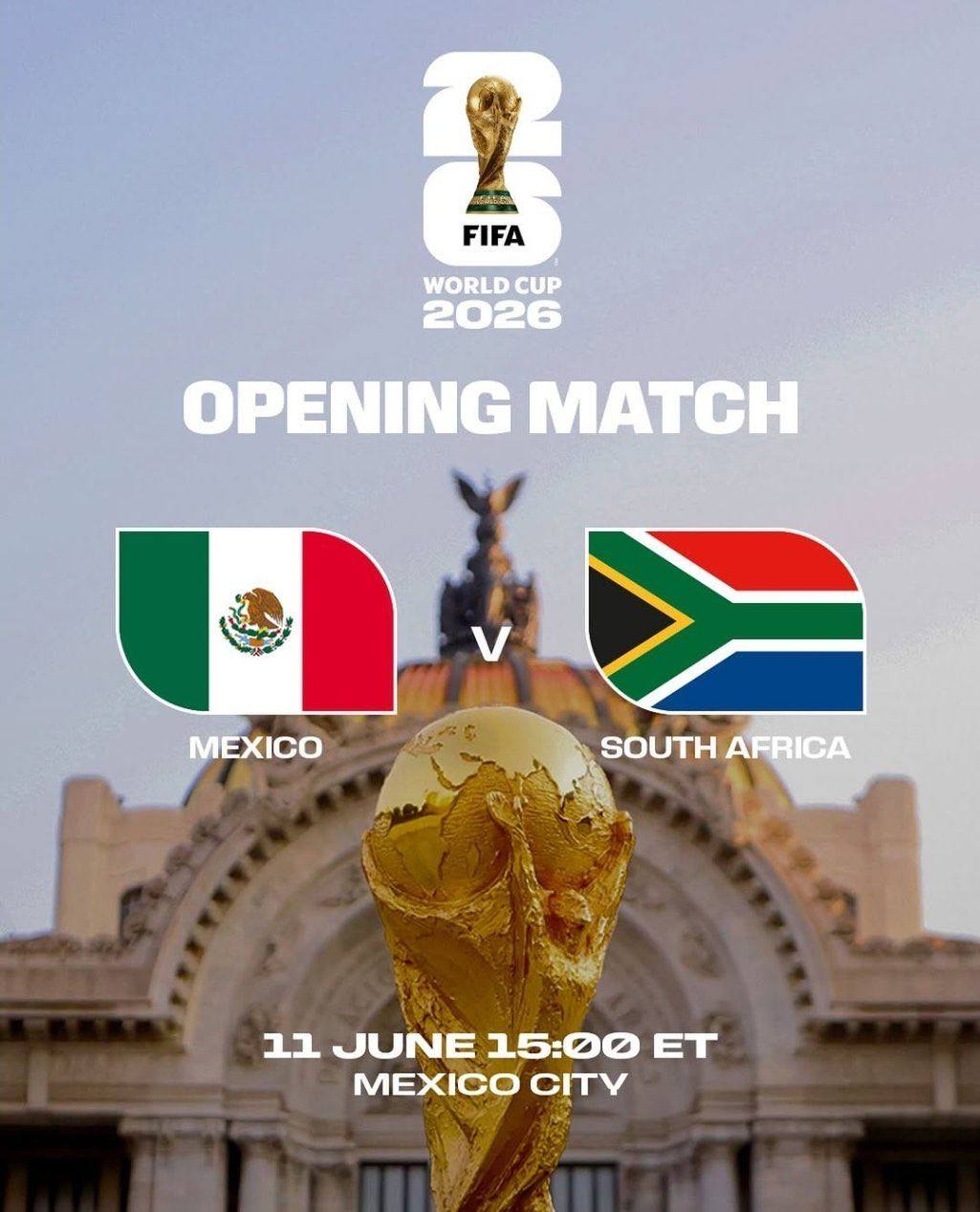


There are sporting events. Then there are moments. And then there’s what happened at the Estadio Azteca on the evening of June 11, 2026 — something that didn’t just open a football tournament, it opened a portal straight into the soul of a planet that desperately needed to celebrate together.

Welcome to the 2026 FIFA World Cup. Let the party begin.
A Stage Built for History
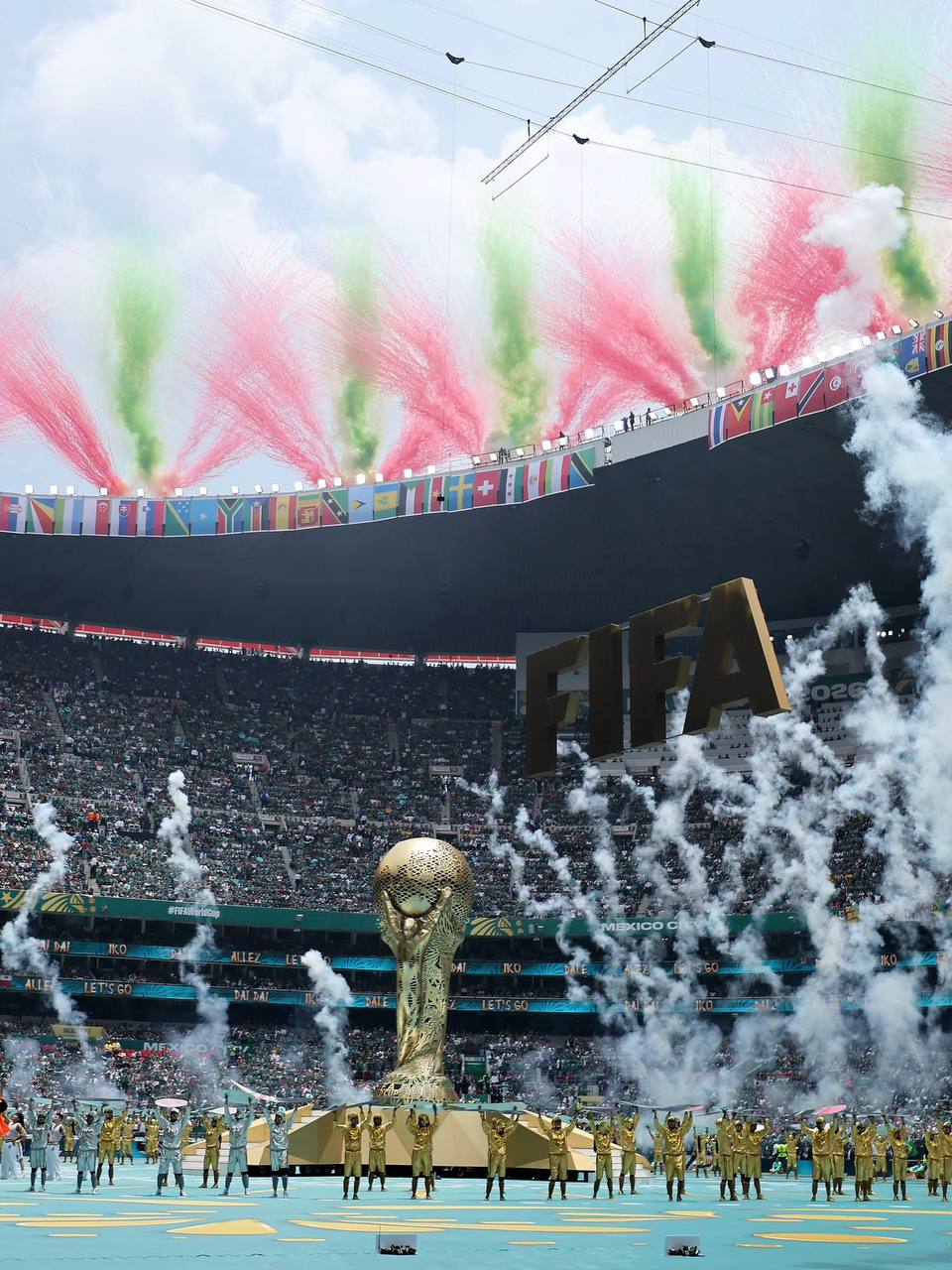
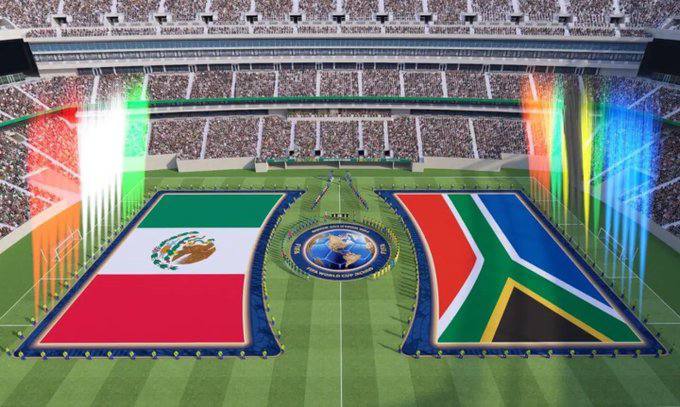
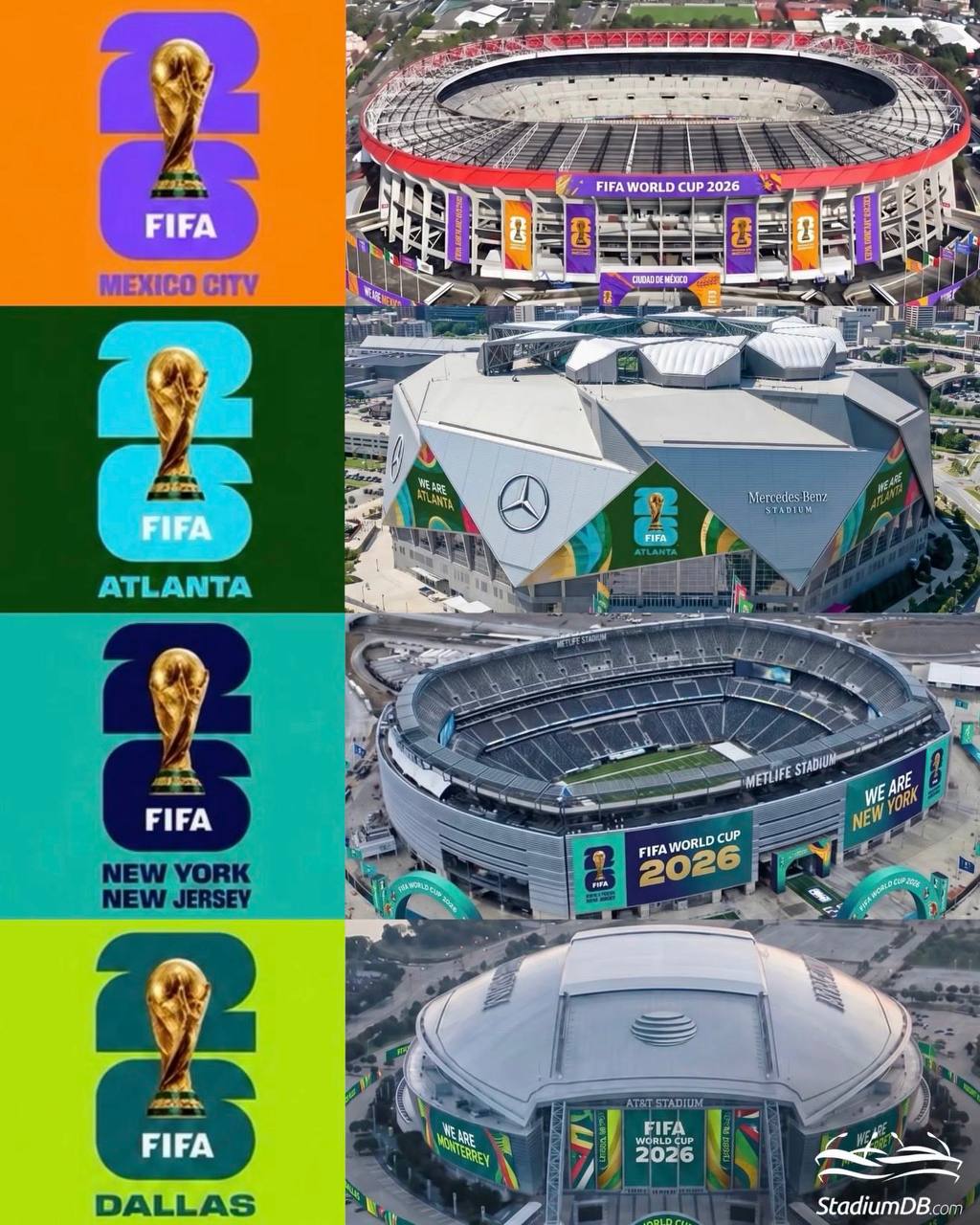
The Azteca didn’t just host this ceremony — it was the ceremony. The largest stadium in Latin America, already a cathedral of football history (Pelé in 1970, Maradona’s Hand of God in 1986), roared with over 80,000 fans dressed in mariachi costumes and dark green jerseys, ready to witness the third World Cup to grace this iconic ground. Two massive screens at opposite ends of the stadium played archive footage from the 1986 tournament, a reminder that this place doesn’t just hold memories — it makes them.
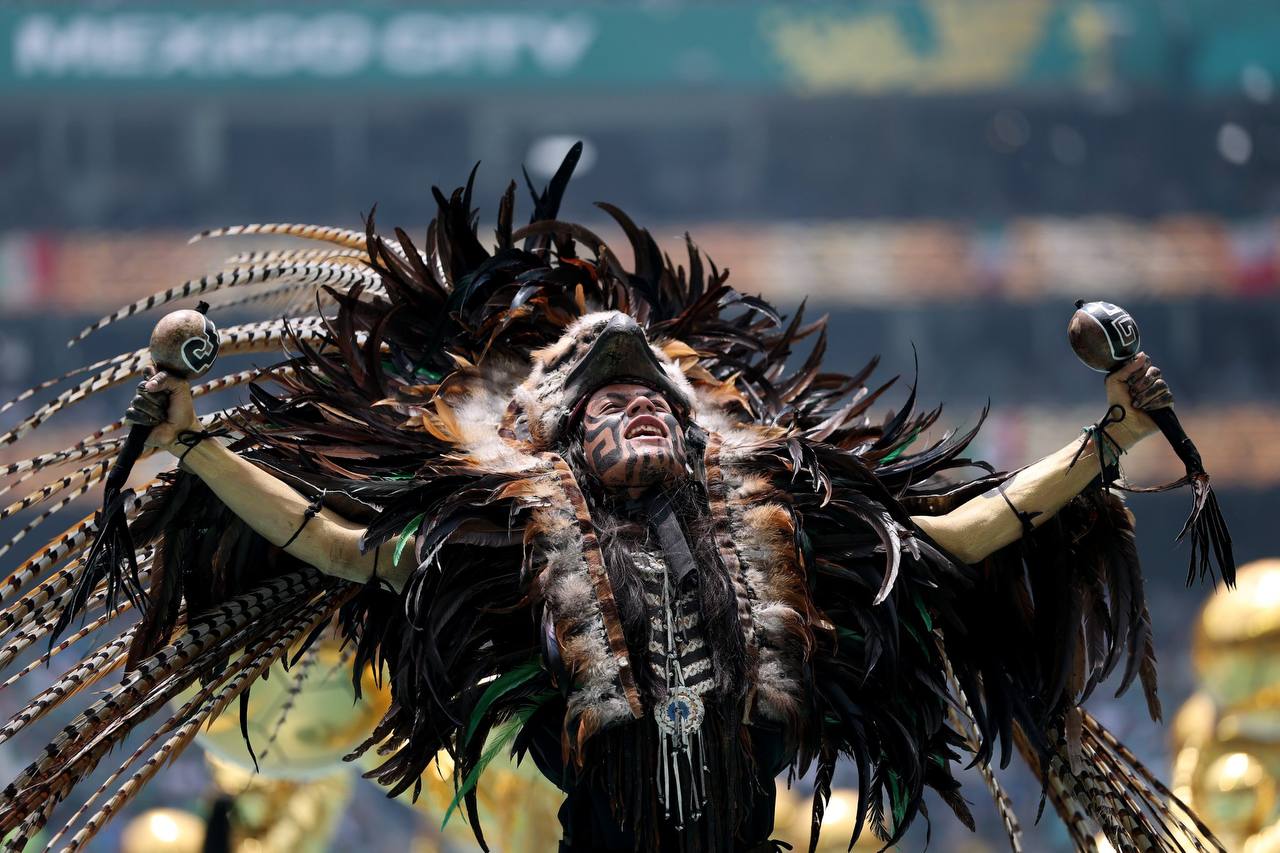
FIFA billed the show as a celebration of Mexican culture through “music, dance, artistry, and indigenous talent.” That wasn’t marketing speak. That was a promise — and they delivered every inch of it.
Roots, Rhythm & Aztec Fire
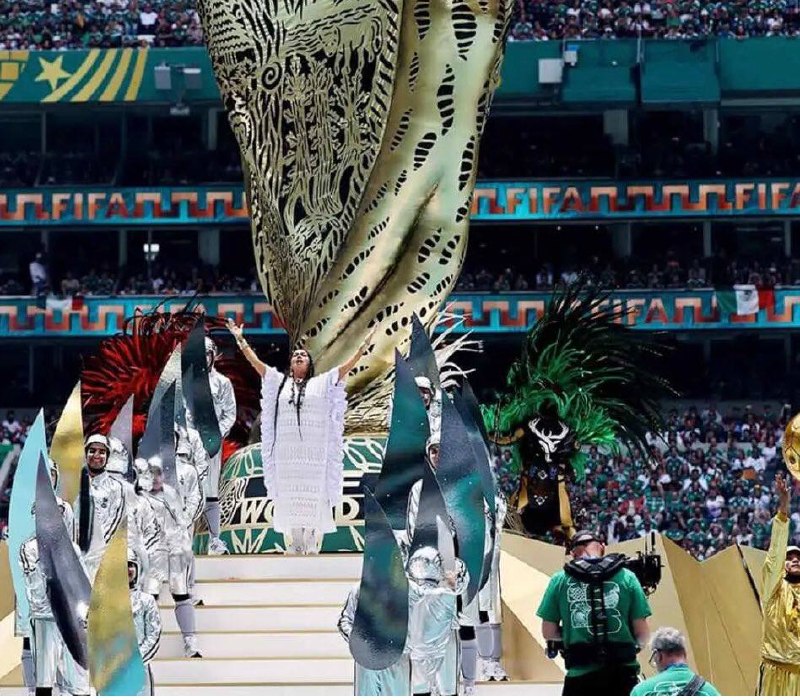
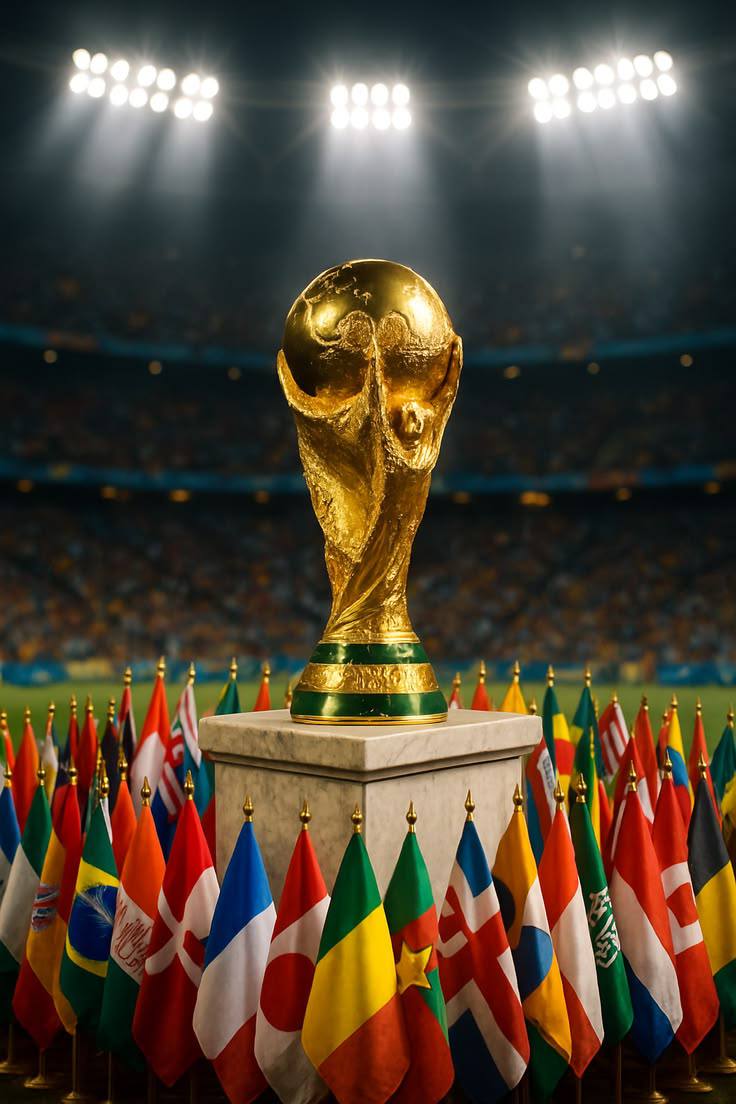
The ceremony began the only way it should have: with the soul of Mexico itself. Singer-songwriter Lila Downs walked out to a pitch transformed into a living canvas — performers in vibrant, colourful costumes, Aztec dancers moving with hypnotic precision around a giant golden World Cup trophy at centre stage. In Spanish, English, and the indigenous languages Mixtec and Nahuatl, Downs looked out at the thunderous crowd and declared: “People of the world, welcome to Mexico!”
The place absolutely lost it.
Latin Stars Turn Up the Volume
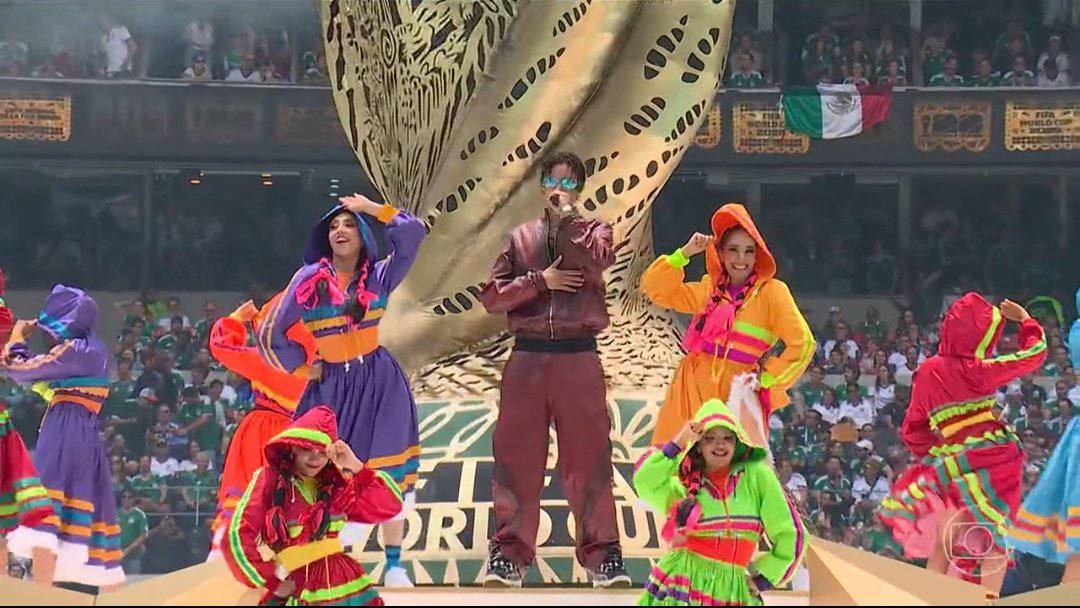
From that powerful opening, the ceremony became a non-stop musical fiesta. Danny Ocean brought Venezuelan flair. Los Ángeles Azules brought cumbia thunde.
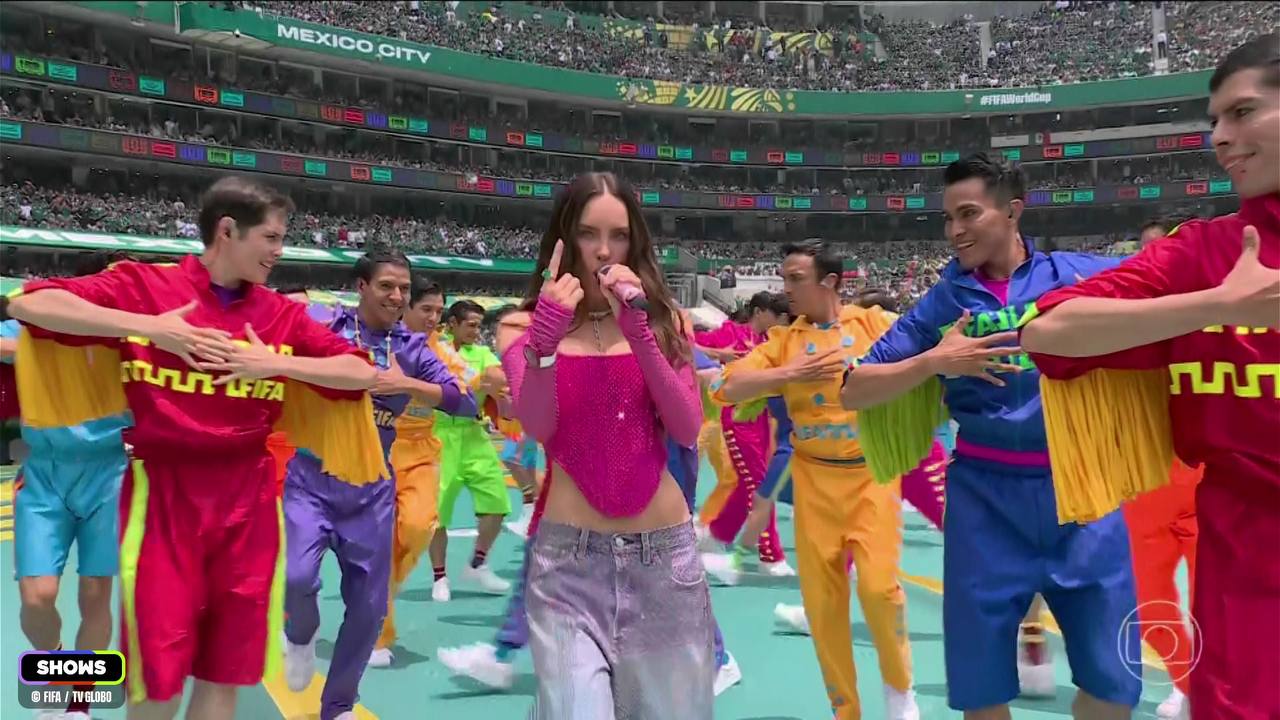
Joined by a bedazzled Belinda glittering like a pop supernova in a pink corset and rhinestone jeans.
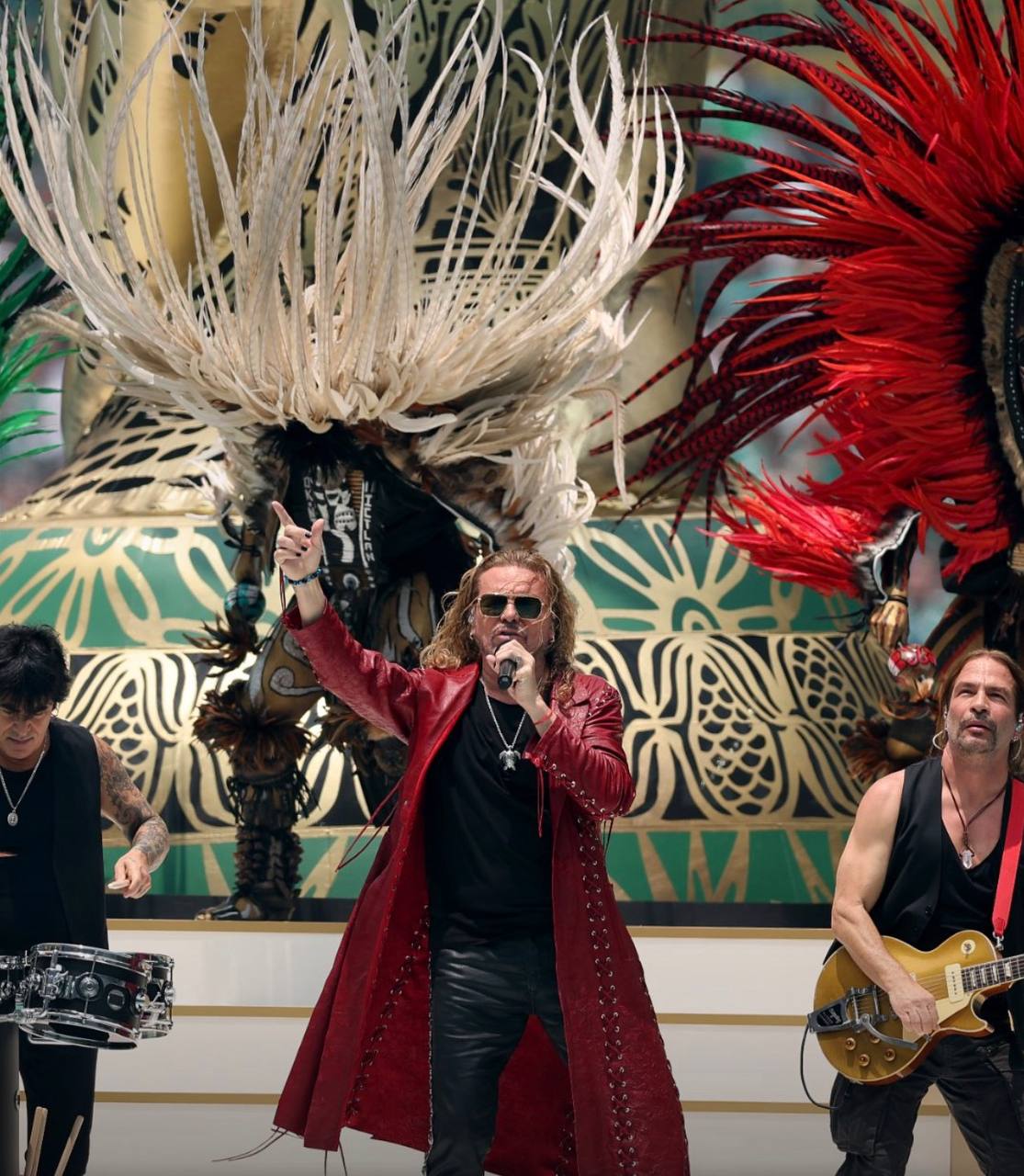
Beloved Mexican rock legends Maná brought the house down with their 1992 classic “Oye Mi Amor,” proving that some songs are simply timeless.
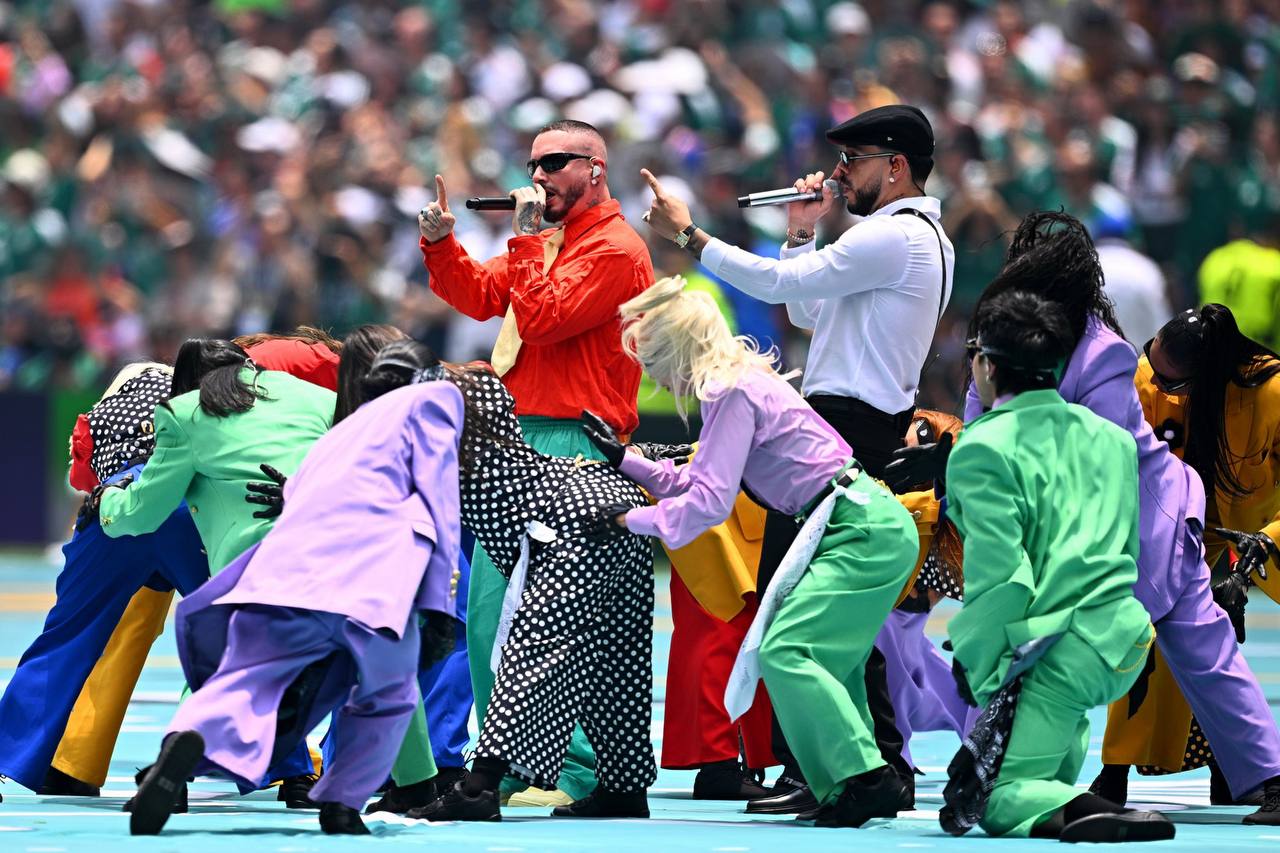
J Balvin then exploded onto the stage alongside Ryan Castro, performing “Jump” and turning the Azteca into the world’s largest outdoor nightclub.
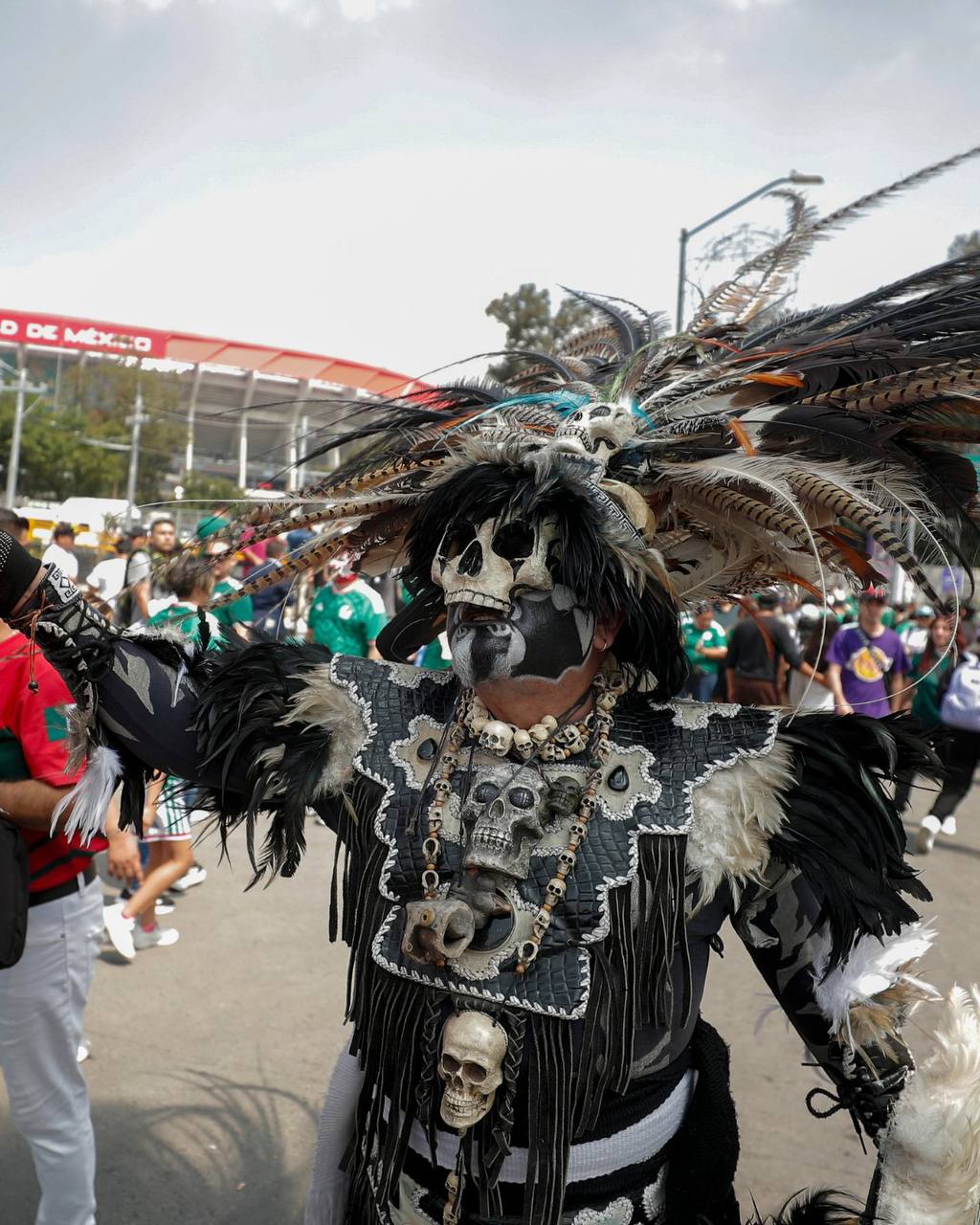
Each performance seamlessly flowed into the next — a gorgeous tapestry of Latin America’s musical diversity, all under one impossible sky.
Shakira. Of Course It Was Shakira.
Then came the moment everyone had been waiting for.
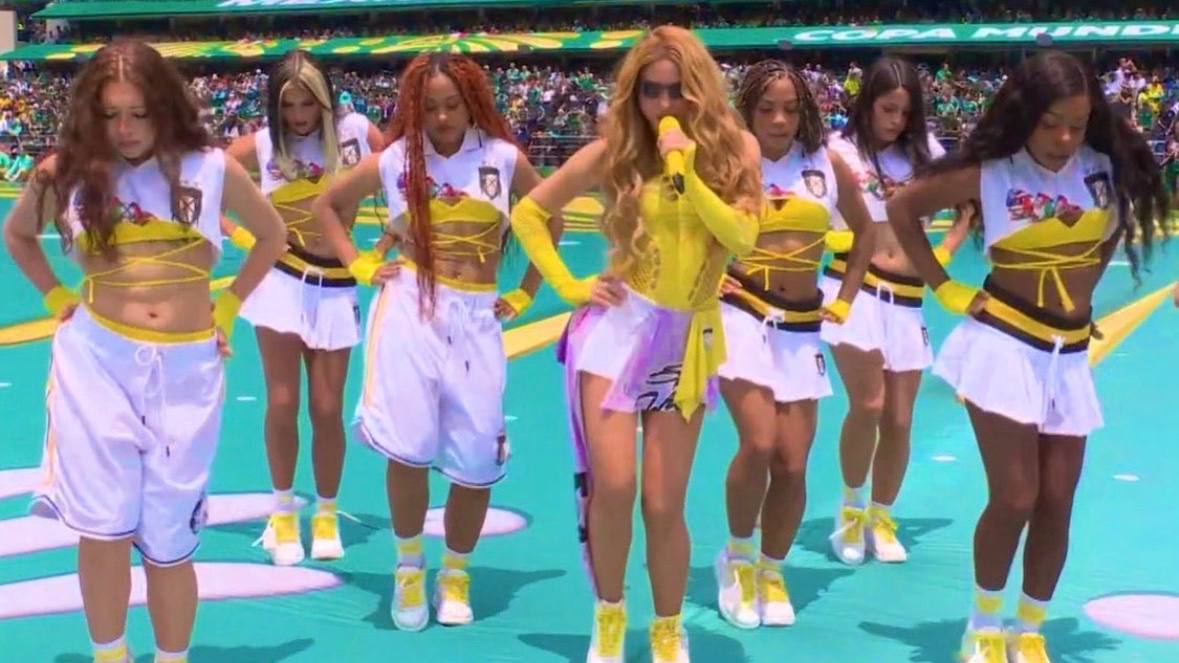
Shakira — four-time Grammy winner, queen of every World Cup she has ever touched — stepped into the spotlight. This is her fourth World Cup contribution, having given the world “Waka Waka” in 2010 and performing in 2006 and 2014. She doesn’t just participate in World Cups. She defines them.
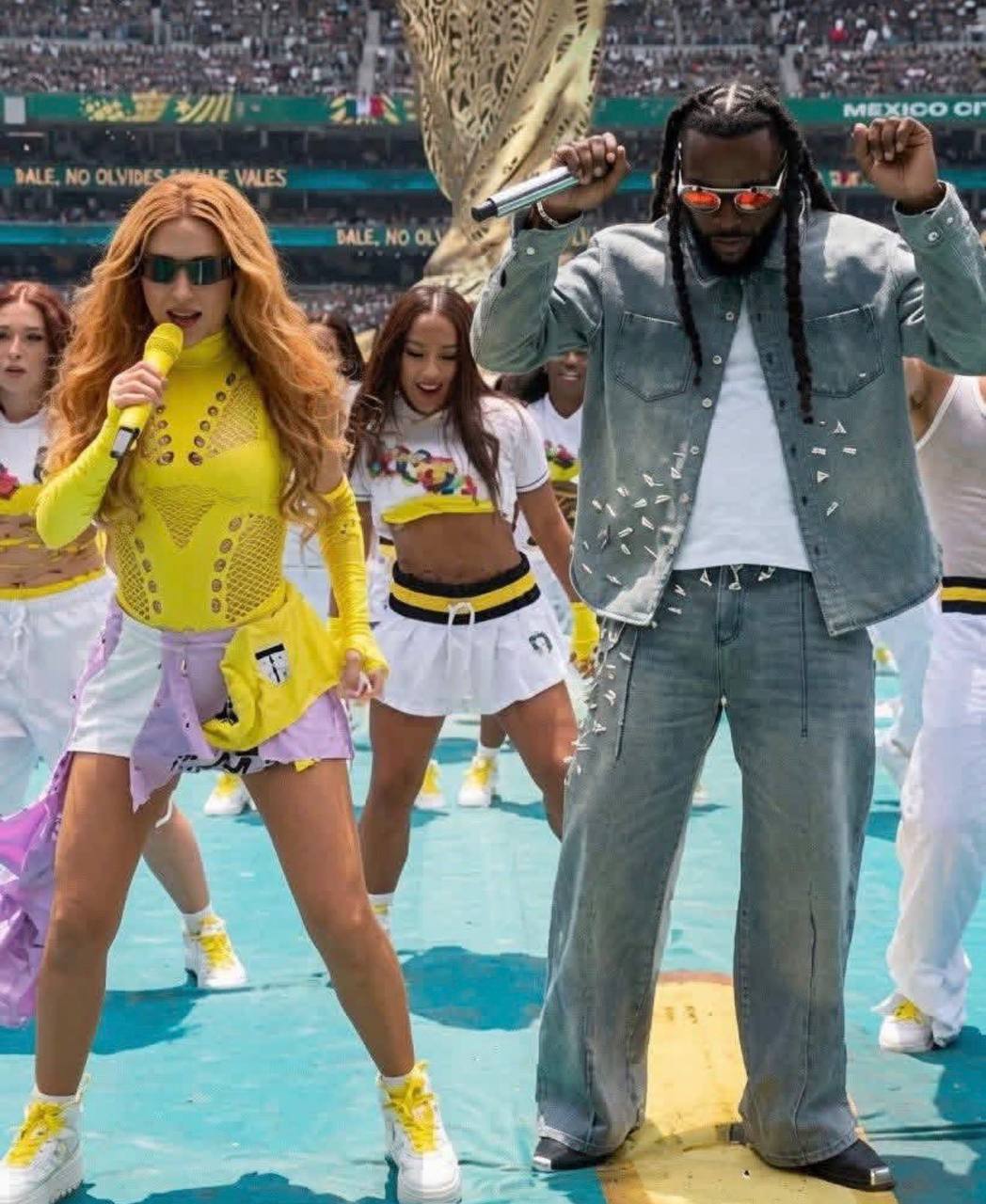
Performing the official 2026 anthem “Dai Dai” — an Italian phrase meaning “let’s go” — she opened the song alone, dancing like gravity was optional, before Nigerian Grammy winner Burna Boy emerged to join her. The two traded verses, danced, and closed with the anthem’s soaring hook: “Dale, allez, let’s go!” In three languages. For one world.
Goosebumps didn’t cover it.
A Finale Written in Fire
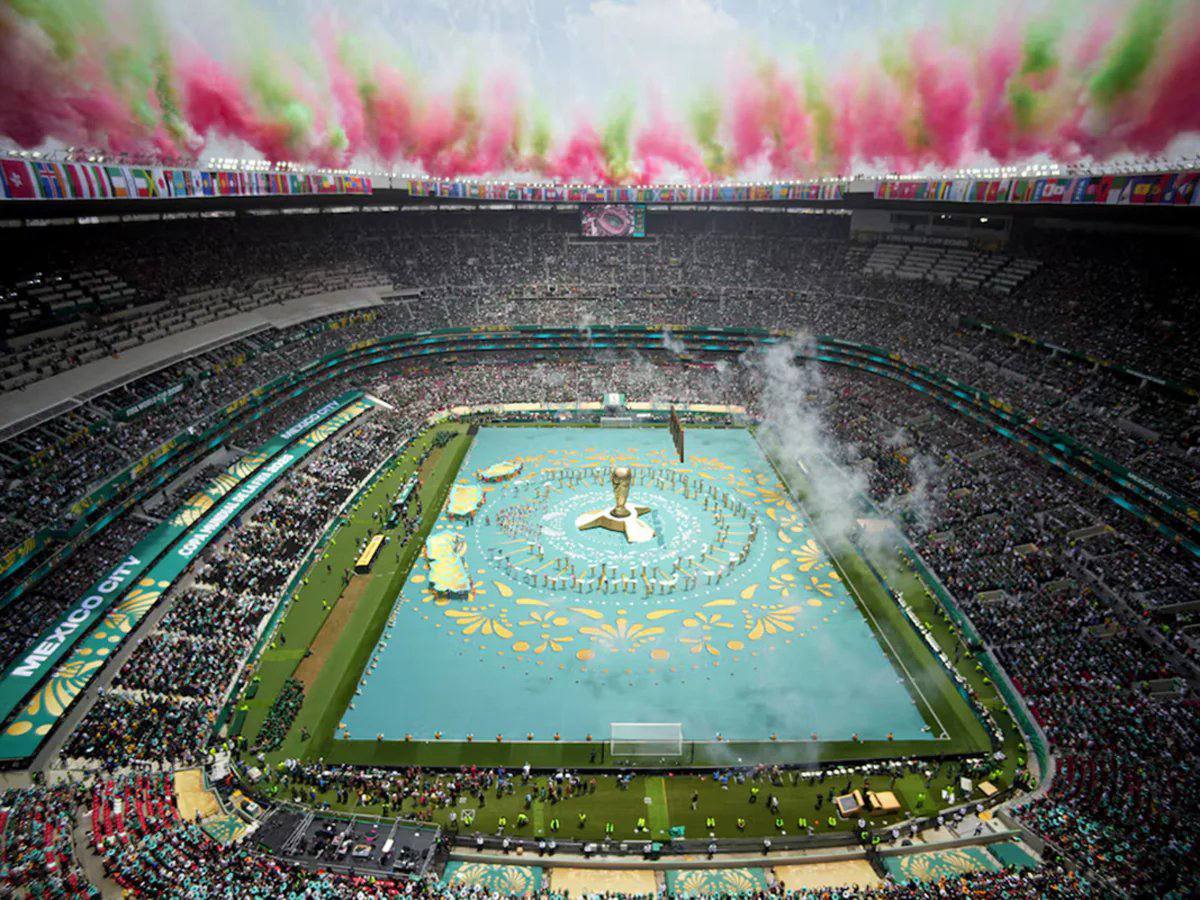
As clouds of red and green smoke billowed across the Azteca sky and fireworks exploded overhead, the ceremony drew to a breathtaking close. South African star Tyla delivered a masterful rendition of South Africa’s national anthem, while ranchera icon Alejandro Fernández performed Mexico’s with a voice full of steel and pride.
Then, silence. Then, a roar. The 2026 FIFA World Cup had officially begun.
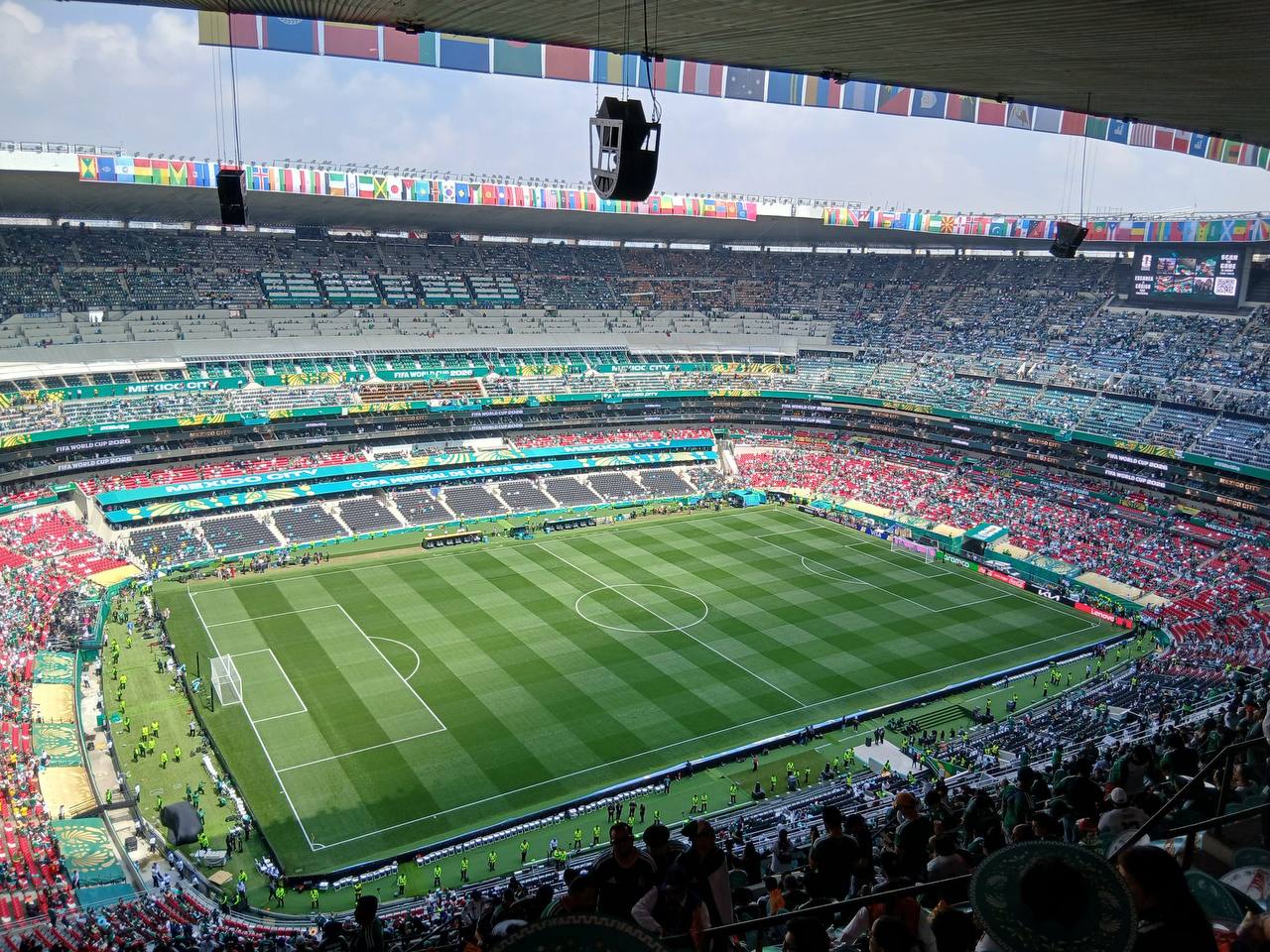
Before a single ball was kicked, the world had already been given a gift — a reminder that football is never just a game. It’s a language spoken by 8 billion people. And for one golden evening at the Estadio Azteca, every single one of them was listening.