










Tomorrow, the greatest show on Earth kicks off. 48 nations. 104 matches. North America becomes the center of the football universe. Beautiful, right?

Except nobody told US Customs and Border Protection that this was supposed to be a celebration.

Because while Messi was scoring penalties in Alabama and Mbappé was sharpening his boots in France, the United States government was busy turning away referees at airports, stranding team photographers on the tarmac, and forcing an entire national team to set up camp in a different country. Welcome to the most chaotic off-field story of any World Cup in history.
The Somali Referee Who Never Got His Moment
Let’s start with the one that broke X completely.
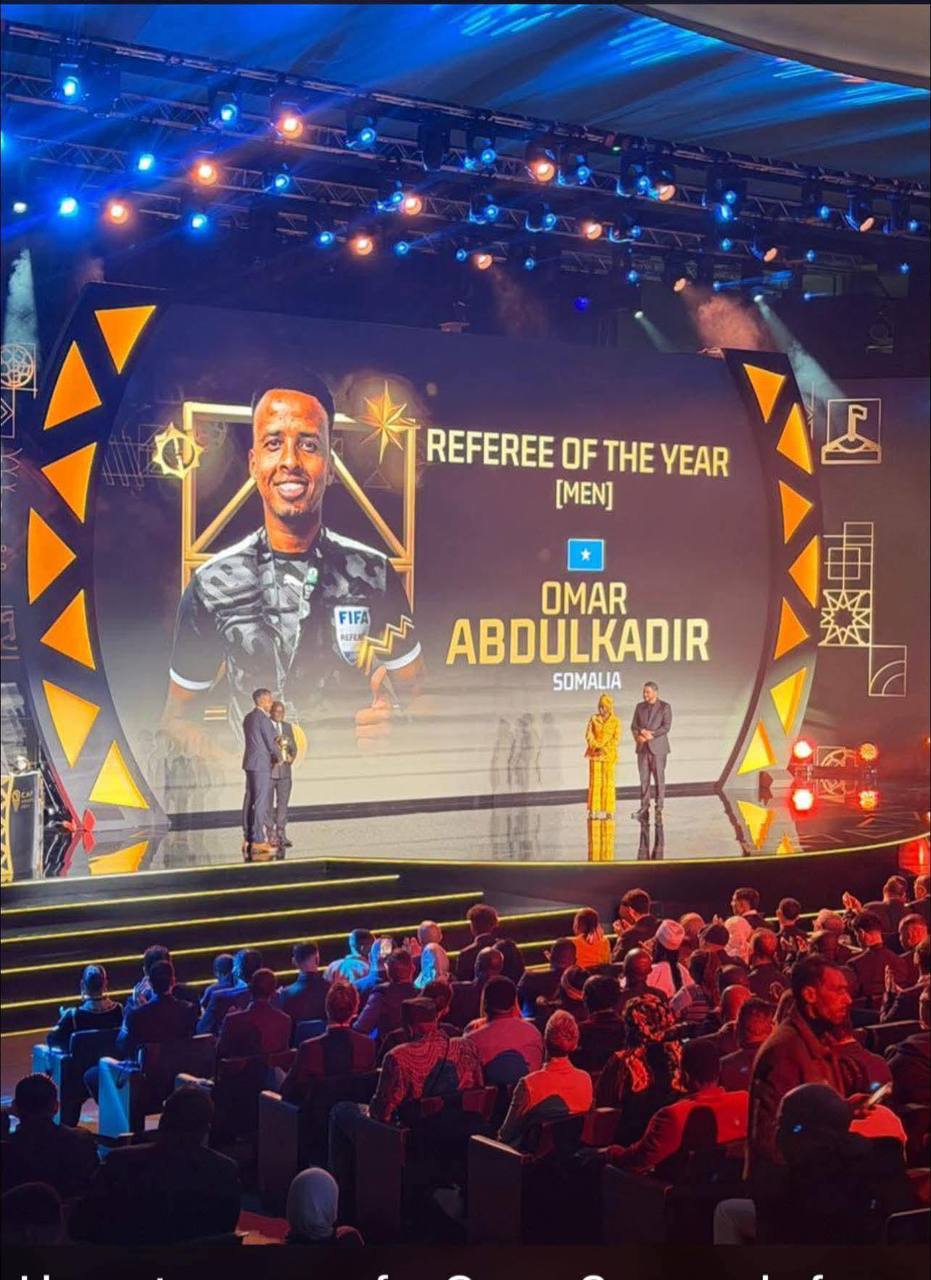
Omar Abdulkadir Artan had done the impossible. Growing up in Somalia — a country still grappling with conflict and civil strife — he had worked his way to the very top of African refereeing. He was named Africa’s best male referee in 2025. He was selected by the Confederation of African Football as one of only seven African referees chosen for the 2026 World Cup. He would have been the first-ever Somali to officiate a World Cup match.
He had a valid visa. He boarded a flight from Istanbul. He landed at Miami International Airport.
And then CBP agents pulled him aside for “additional inspection” and sent him back to Turkey. Reason? “Vetting concerns.” A Trump administration official later told CNN they had found “derogatory information, including association with suspected members of terror organizations” — a claim Artan has not been given the chance to publicly challenge or respond to.

Somalia is one of 39 nations on President Trump’s travel ban list. FIFA confirmed Artan “will be unable to train and officiate at the FIFA World Cup 2026.” The man had previously told Al Jazeera he sometimes had to change his route to the stadium in Mogadishu to avoid explosions. He fought through all of that to reach football’s biggest stage — only to be stopped at a Florida airport.
X was furious. Football was furious. FIFA politely reminded everyone it “is not involved in host country immigration processes.” Not exactly the ringing condemnation the moment called for.
Iran: Fly In, Play, Fly Out — Same Day
Iran’s situation is a geopolitical saga in football kit.
With the US and Iran currently at war, the Iranian team spent weeks training at a camp in Antalya, Turkey, watching their World Cup preparation turn into a diplomatic chess match. Their original training base in Tucson, Arizona? Scrapped entirely. They moved the whole operation to Tijuana, Mexico — literally across the border from California.
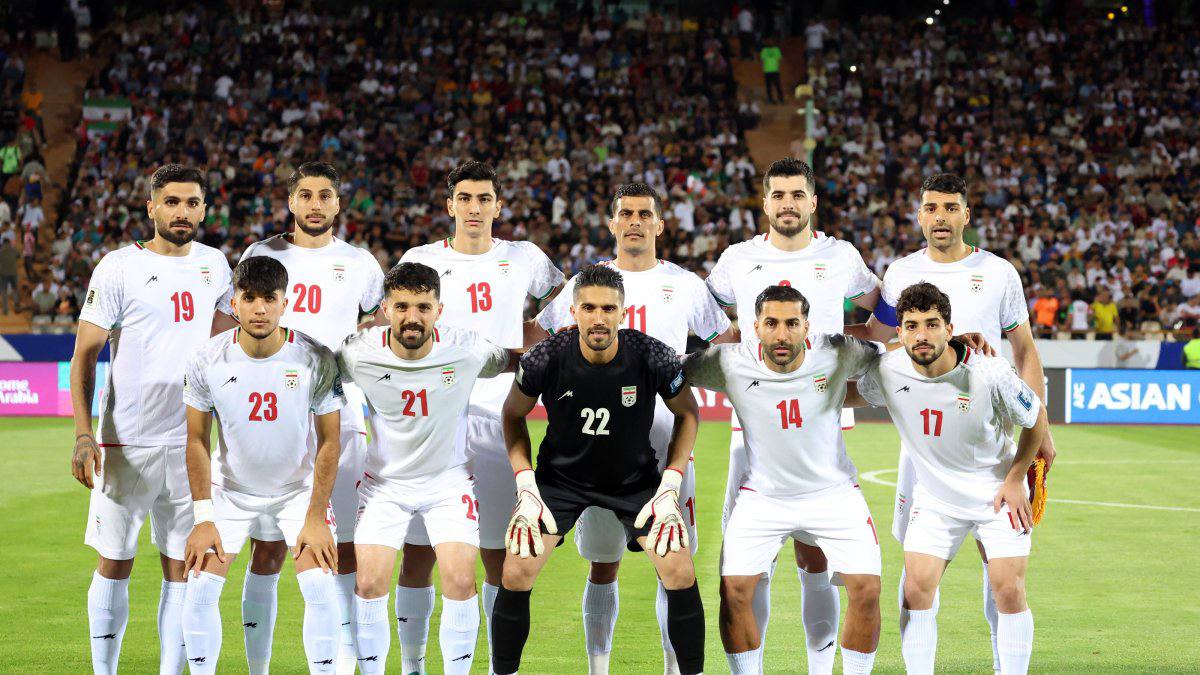
The players eventually received their US visas just ten days before their first game, but 15 administrative and management staff were denied entirely. Iran’s embassy to Turkey fired back on X: “You have now escalated the deliberate and discriminatory treatment against Iran’s national football team to its highest level.” The federation accused the US of “vindictive behavior” and called it a violation of FIFA regulations.
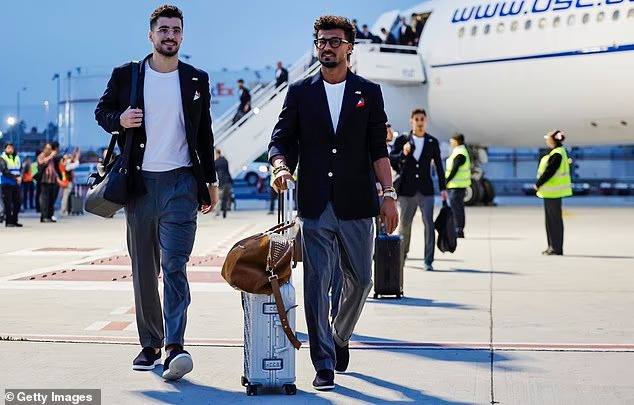
The kicker? Under visa conditions, Iran’s players must enter and leave the United States on the same day as each match. No early arrivals, no recovery days on US soil — play the game, get back on the plane. Iran faces New Zealand and Belgium in Los Angeles, then Egypt in Seattle, and could theoretically meet the USA in the Round of 32. Awkward doesn’t begin to cover it.
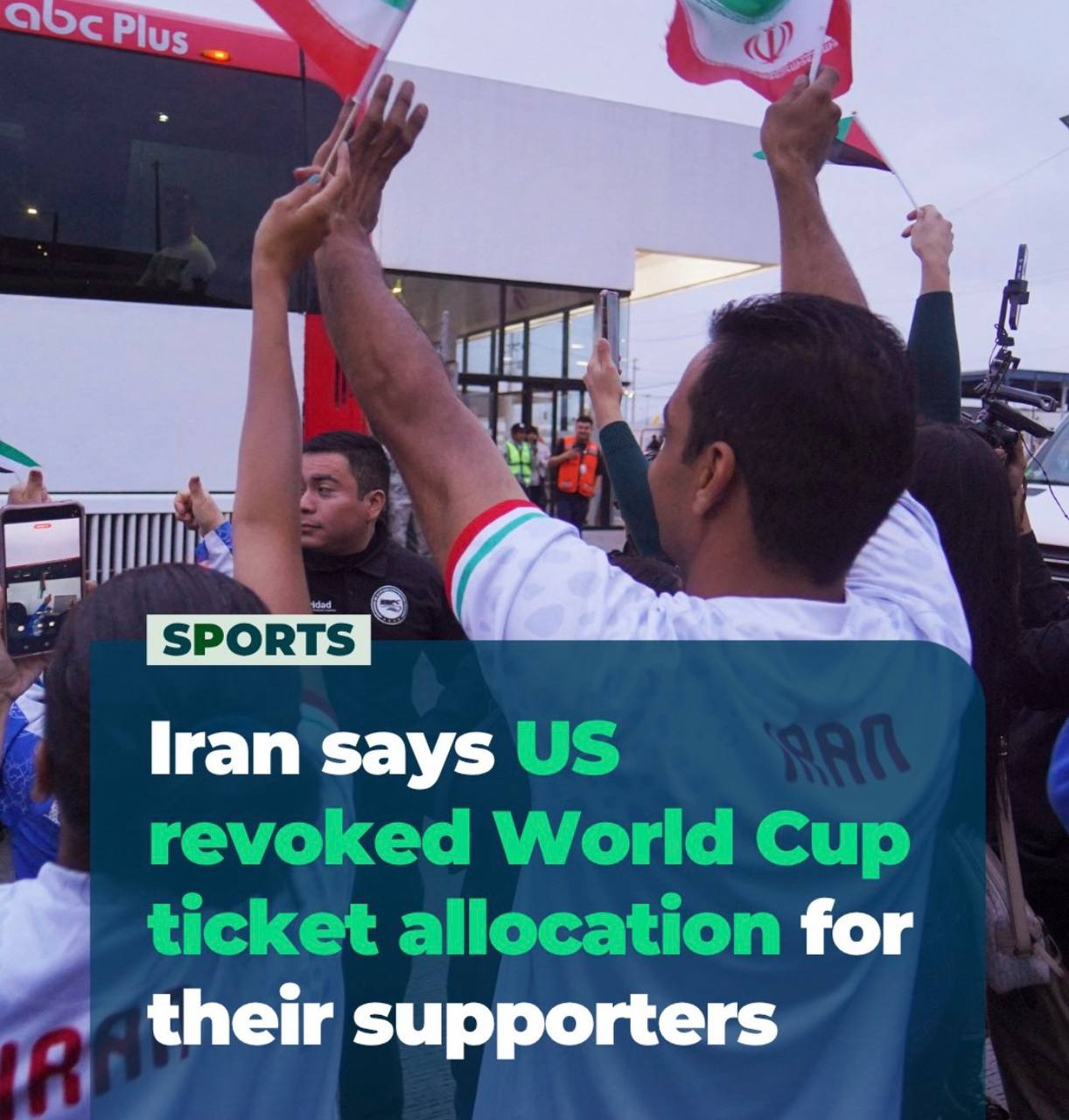
And then, just when you thought it couldn’t get any worse for Iranian football, came the final gut punch. With less than three days until kick-off, Iran’s federation announced that FIFA had revoked their entire fan ticket allocation for all three group stage games in the US. Under FIFA regulations, every participating federation receives 8% of stadium capacity for each of their matches — tickets distributed to supporters through official channels. Iran had already begun selling those tickets on their federation website after receiving the quota. Fans had made travel arrangements. Some had already paid.
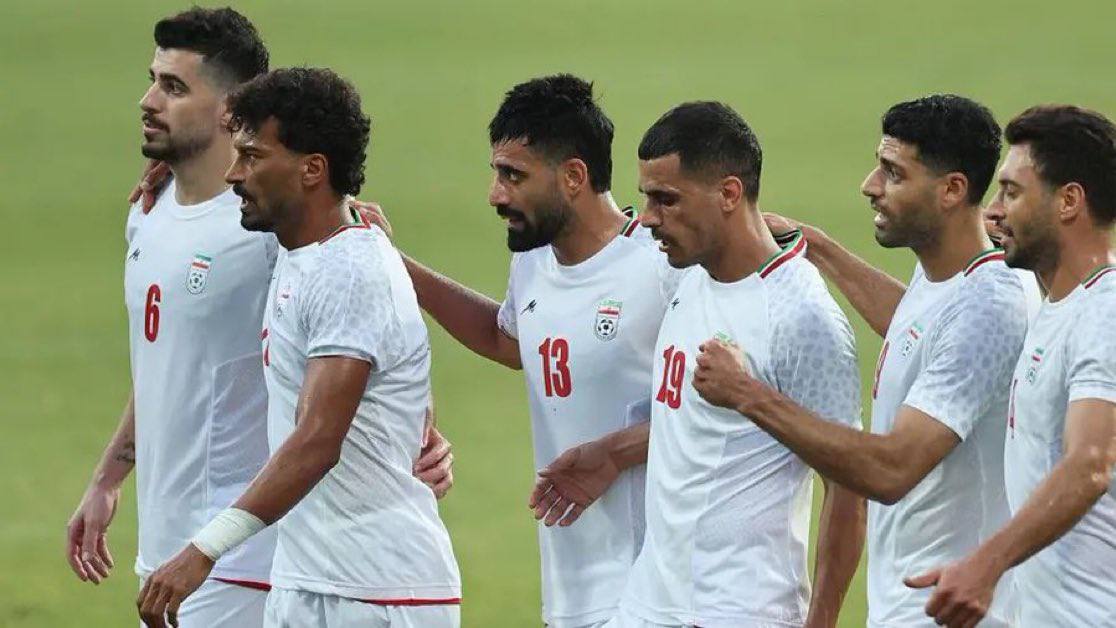
All of it, gone. The federation’s statement was blunt: “Under the current circumstances, the federation is unable to provide even a single ticket to supporters of the national team.” Iran accused the US of acting “outside conventional sporting frameworks” and called it outright sabotage. Their players will walk out in Los Angeles in front of packed stands — with no section they can call their own.
Iraq’s Star Striker: Treated “Like a Criminal”
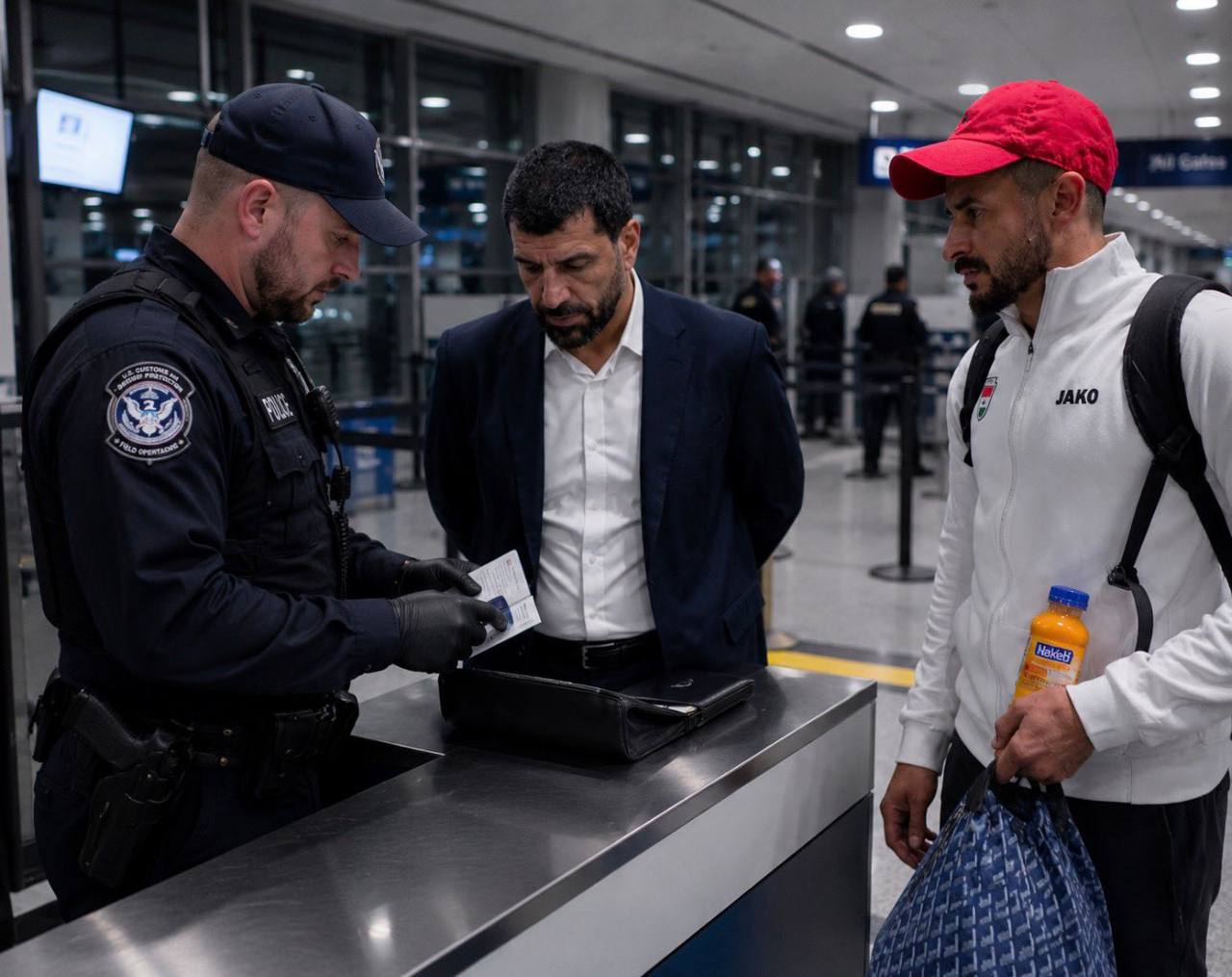
Iraq’s Aymen Hussein — the man who scored the goal that sent Iraq to their first World Cup in 40 years — arrived at Chicago O’Hare with his squad and was immediately pulled aside. He was questioned for nearly seven hours before finally being allowed into the country.
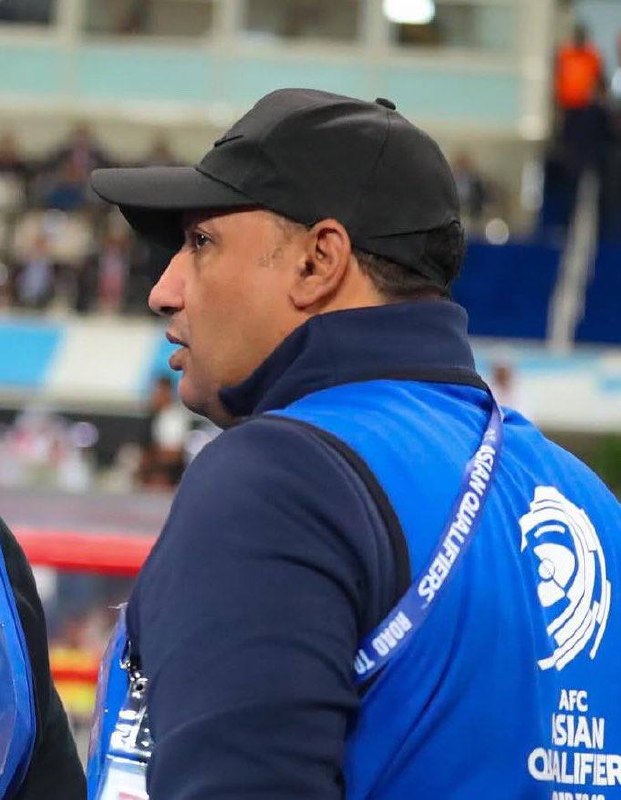
His teammate, team photographer Talal Salah, wasn’t so lucky. Held even longer, phone inspected, ultimately declared “inadmissible due to vetting concerns” and sent home to Baghdad. Iraqi media reported Hussein had been “treated like a criminal.” His own personal story — his father killed during years of violence, his brother kidnapped by ISIS — made the optics even more harrowing.
The Bigger Picture

FIFA has repeatedly stated that host governments control their own borders. But when Africa’s best referee can’t enter Miami, when a World Cup team is sleeping in Mexico to avoid US visa complications, when a player’s photographer gets deported from O’Hare, and when an entire fanbase has their tickets ripped away three days before kick-off — the question becomes impossible to ignore: Is the United States actually fit to host the World Cup?
The football starts tomorrow. But this story? It’s far from over.