




Football’s lawmakers have had enough. Two ugly incidents pushed them over the edge — and now everything changes.

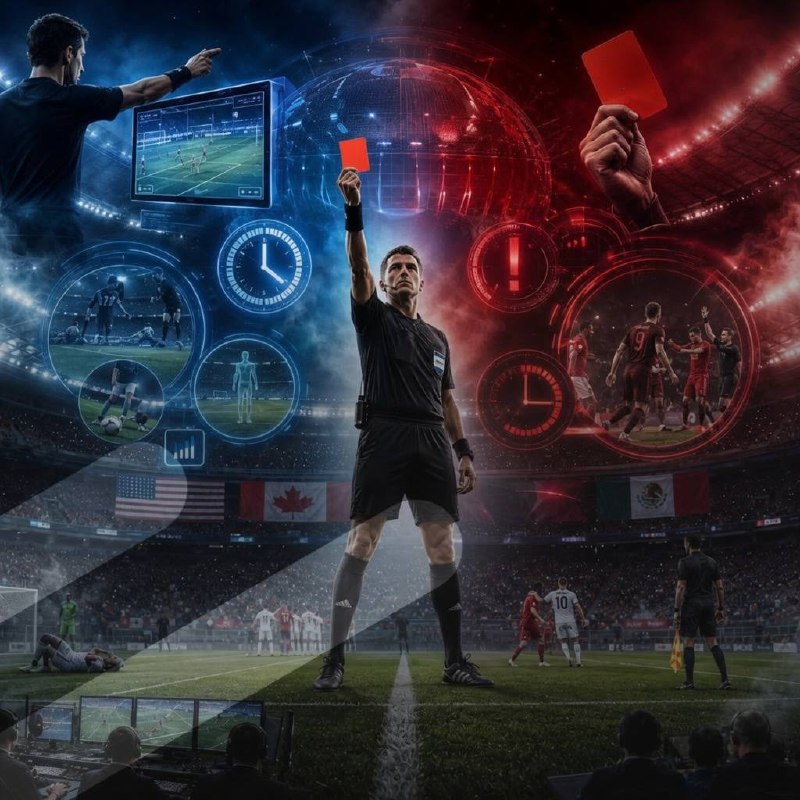
The 2026 FIFA World Cup kicks off in just nine days, and while most of the world is debating who’ll lift the trophy in New Jersey on July 19, there’s another conversation happening behind the scenes: the rules of the game have fundamentally changed. Mouth-covering is now a red card offence. Walking off the pitch in protest? Red card. And VAR just got a whole lot more powerful.
Here’s the full breakdown of what’s new, why it happened, and why it matters.
The Incident That Started It All: Vinicius and the Covered Mouth

Picture this: February 2026. Real Madrid vs Benfica in the Champions League. Vinicius Junior — one of the most electrifying players on the planet — is allegedly racially abused by Benfica forward Gianluca Prestianni. But Prestianni does something calculated: he covers his mouth with his shirt during the confrontation, making it almost impossible for lip-readers, cameras, or match officials to confirm what was said.
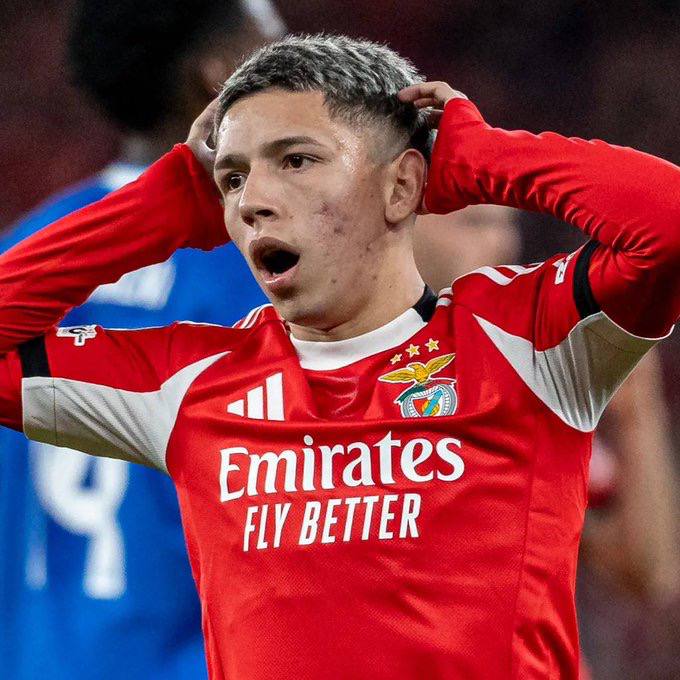
Prestianni eventually received a six-match UEFA ban for discriminatory behaviour, later extended by FIFA to all international competitions. But the damage to football’s image was done. How many other players had gotten away with the same trick?
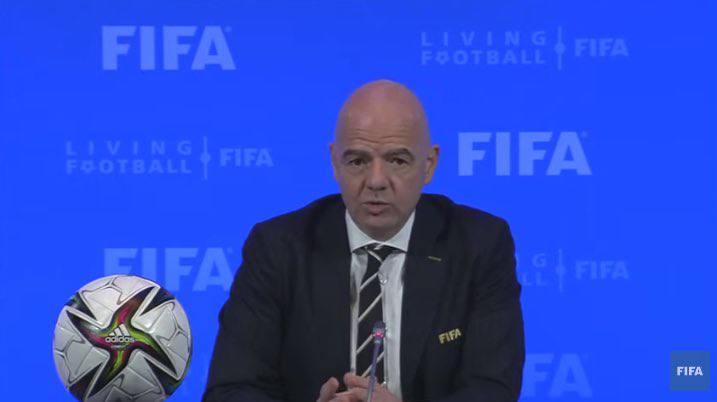
FIFA’s response was swift. At an IFAB meeting in Vancouver on April 28, 2026, a new rule was ratified: any player who covers their mouth with their hands, shirt, or any other object during a confrontational exchange will receive an immediate red card. Pierluigi Collina, FIFA’s head of referees, clarified one nuance — if two club teammates are facing each other at international level and share a private joke, no action will be taken. But the moment it’s confrontational? Gone. No questions asked.
The Incident That Sealed the Deal: The AFCON Final Meltdown
If the Vinicius incident was the spark, the Africa Cup of Nations final was the explosion.
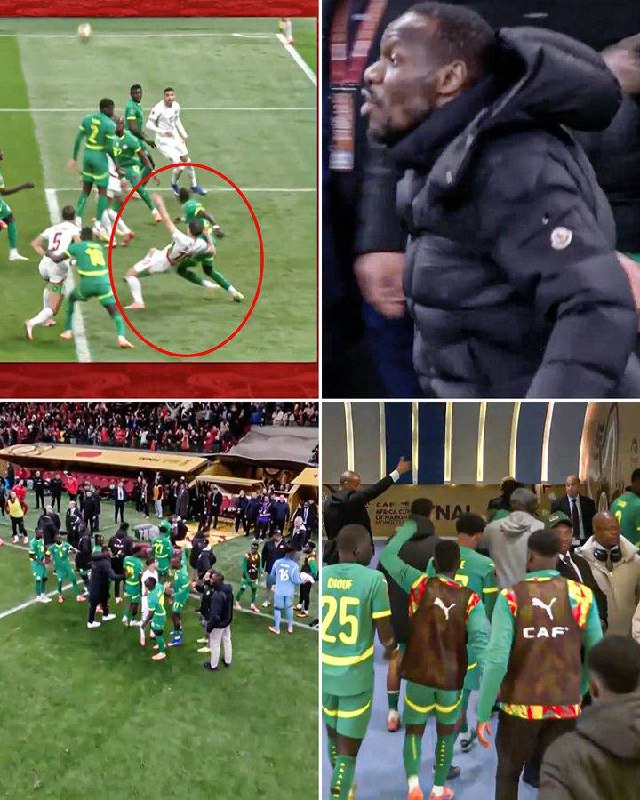
January 18, 2026. Senegal vs Morocco, the AFCON final in Rabat. Senegal have a goal disallowed. Then, moments later in the eighth minute of stoppage time, Morocco are controversially awarded a penalty via VAR. Senegal’s coach Pape Thiaw snaps — and leads his entire squad off the pitch in protest, causing a jaw-dropping 14-minute delay. Sadio Mané, to his eternal credit, stayed on the touchline and eventually coaxed his teammates back.

Morocco missed the penalty (a Panenka that will haunt Brahim Diaz forever), Senegal won 1-0 in extra time — and then CAF stripped them of the title months later, handing Morocco a 3-0 forfeit victory in one of football’s most shocking rulings.

FIFA watched all of this and immediately closed the loophole. The new rule is unambiguous: any player who walks off the pitch to protest a refereeing decision gets a red card. Any coach who instructs them to do so gets the same treatment.
VAR Gets Teeth — Finally
The rule changes don’t stop there. VAR officials now have expanded authority to intervene on incorrect second yellow cards, wrong player bookings, and corner kick errors. Referees can be sent to the pitchside monitor before making disciplinary decisions.

As Collina put it: “These amendments aim to tackle discrimination, cut time-wasting, enhance match tempo and improve both the player and fan experience.”
Why This All Matters
For the first time, football is using its biggest stage — a 48-team, 104-match spectacle watched by billions — to send a clear message: no hiding, no walking out, no games. Whether players will test these rules under World Cup pressure remains to be seen. But one thing is certain — referees at the 2026 World Cup will have more power than ever before.

Pull your shirt over your mouth? Red. Storm off in protest? Red.
The rulebook just got a whole lot less forgiving. And honestly? It’s about time.