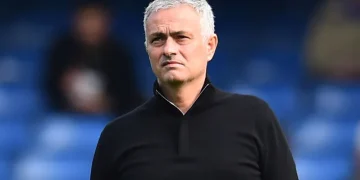





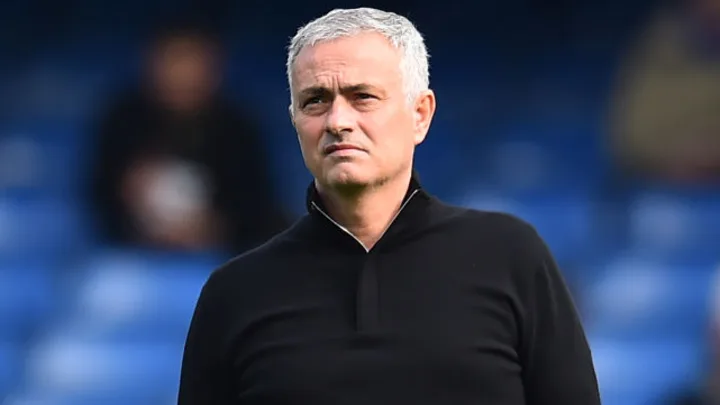
José Mourinho’s second stint as Benfica’s manager was confirmed in September 2025, following his departure from Fenerbahce after they were knocked out of the Champions League play-offs by none other than Benfica. He signed a contract running until the summer of 2027, though it includes a clause allowing either party the option to end the agreement shortly after this season ends.

Benfica are currently in a complex Champions League group under Mourinho’s leadership, one that pits them against several European heavyweights, including former clubs of Mourinho’s and top sides that will test both their tactical discipline and character. Among their group opponents are Chelsea, a club Mourinho knows well, and Real Madrid, another storied rival. These fixtures bring pressure, but also opportunity: high-profile matches that, if handled well, can reset perceptions and restore Benfica’s status in Europe.
Mourinho inherits a squad with talent, depth and a storied history, but also one that must address key vulnerabilities. Over recent seasons Benfica have sometimes dropped points in crucial moments; defensive lapses, inconsistencies in attack, and managing the dual demands of domestic and European competition have all been issues. Mourinho’s reputation for organisation, mental toughness, and experience in big European nights is exactly what Benfica will lean on to steady the ship.
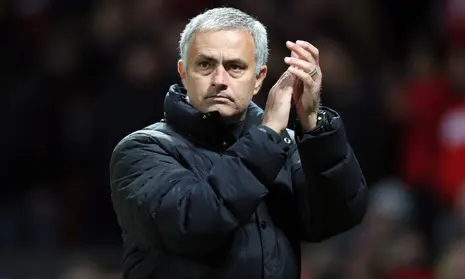
Benfica’s domestic form at the moment offers both motivation and cause for concern. They are not yet in full dominance in the Portuguese league this season, and Mourinho will want to build momentum at home to carry confidence into Champions League ties. Early wins in the league will be important not just for title hopes but to ensure squad morale remains high when stepping onto the continental stage.
Mourinho himself has spoken of feeling “hungrier than before,” emphasising that time has changed many things but not his desire to win. His return to Benfica carries a symbolic weight: coming back to where it all started, but this time with all the lessons, titles, and scars of a career that’s included highs at Porto, Inter, Chelsea, Real Madrid, and others. He is aware that he must combine this emotional motivation with rigorous preparation.
In practical terms, the schedule is going to demand smart rotation, good fitness management, and strategic prioritisation. Every small error will matter. Mourinho will need to get his tactics right, ensuring the team is defensively solid, mentally alert, and capable of seizing the moment when opportunities arise against top clubs in difficult venues, in front of intimidating atmospheres.
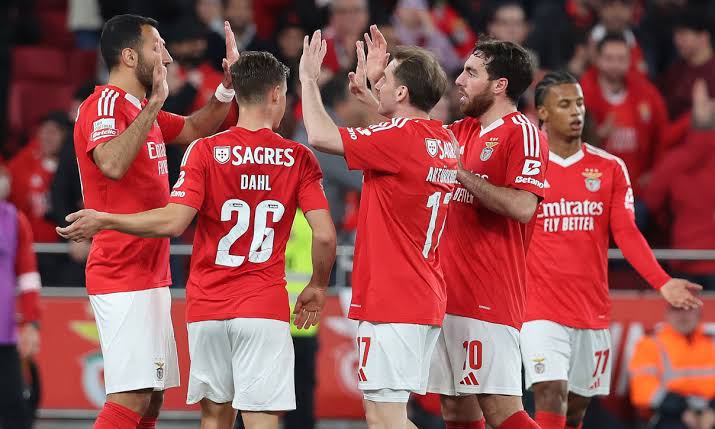
If Benfica can emerge from the group stage or even make a strong showing despite strong rivals, they will have reignited European hope among their supporters. For Mourinho, this is a chance to prove that even after two decades, he still commands the ability to lead a club back into the conversation among Europe’s elite. It’s a demanding path ahead, but one loaded with potential for those bold enough to seize it.