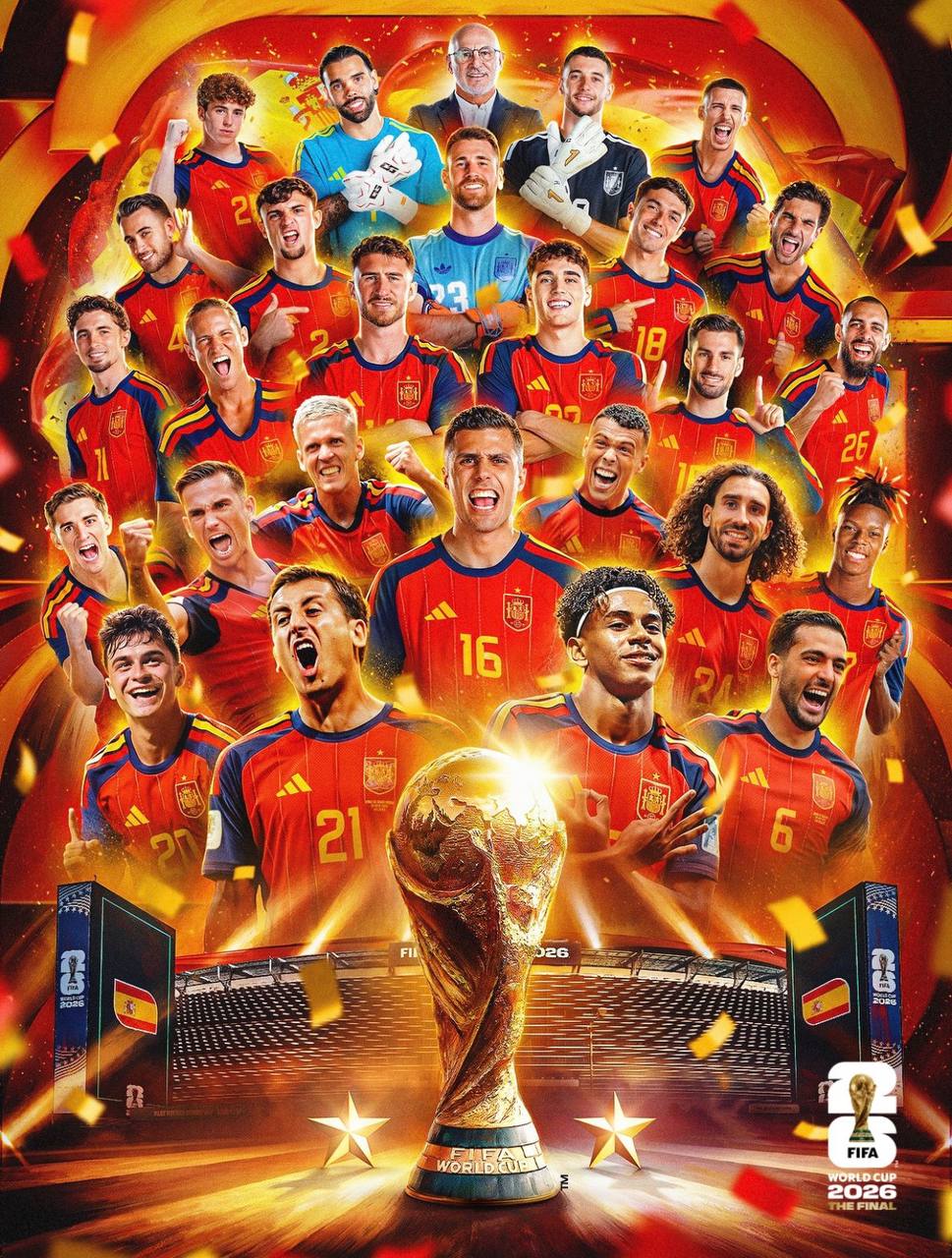








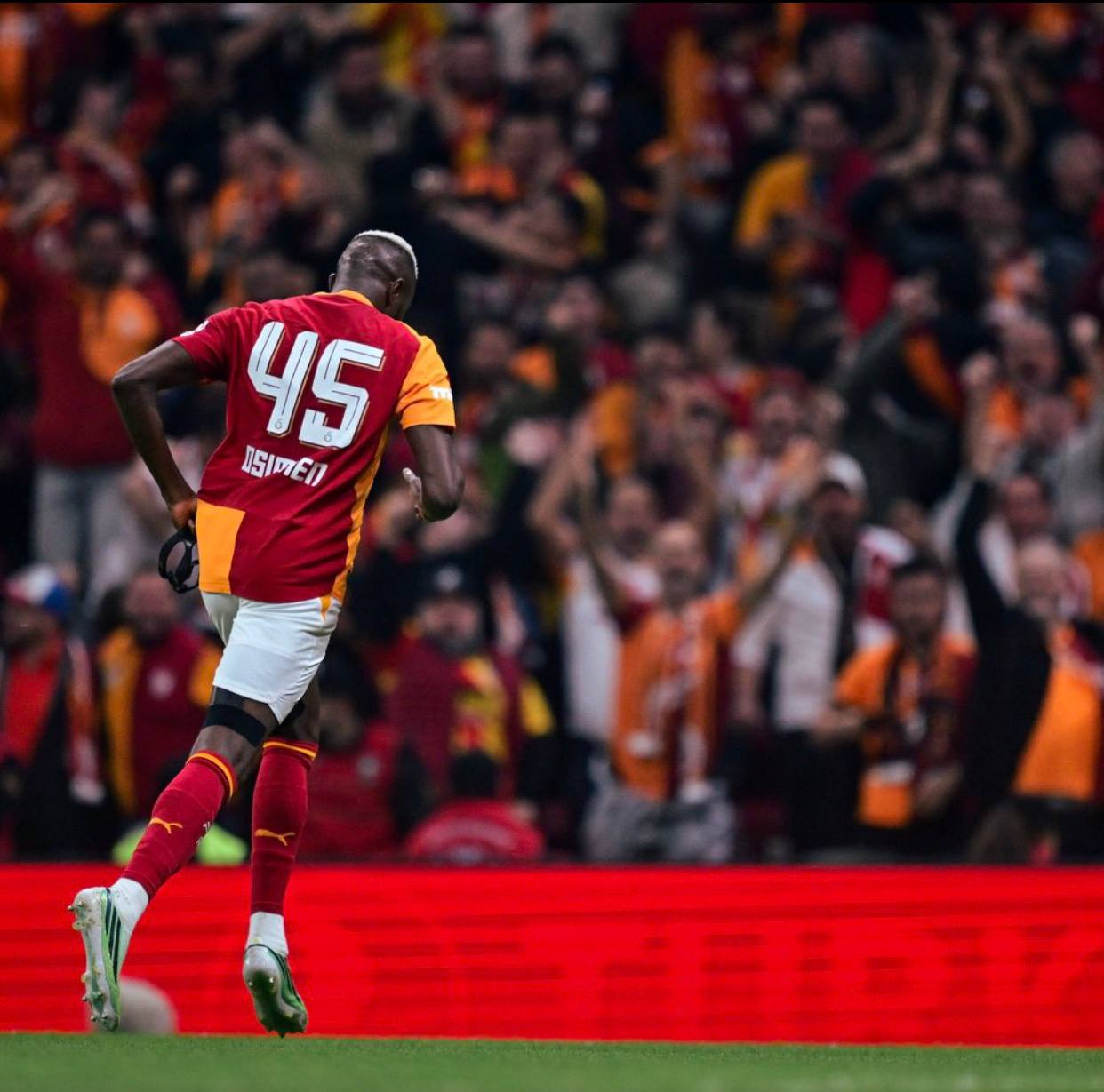


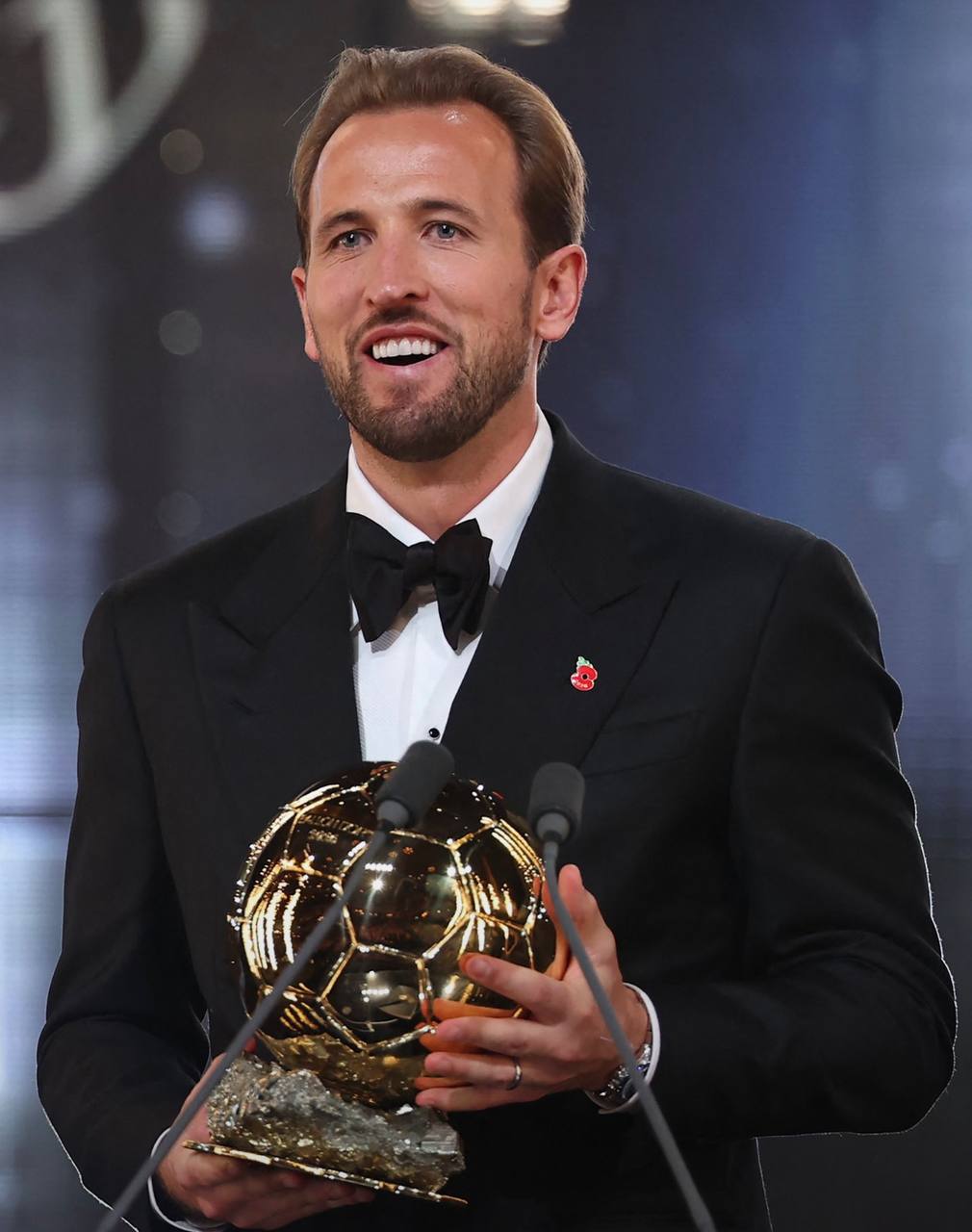


Sixteen years of waiting ended in exactly 106 minutes.

On Sunday night at MetLife Stadium in East Rutherford, New Jersey, Spain beat Argentina 1-0 after extra time to win the 2026 FIFA World Cup, their second men’s title after 2010. Ferran Torres, a 62nd-minute substitute, drilled home the winner in the 106th minute to send Spanish fans into delirium and Lionel Messi to his knees in what was almost certainly his final World Cup appearance.

It was a brutal, tense, and dramatic World Cup final — and it made history in more ways than one.
Spain Makes History With a Rare Double
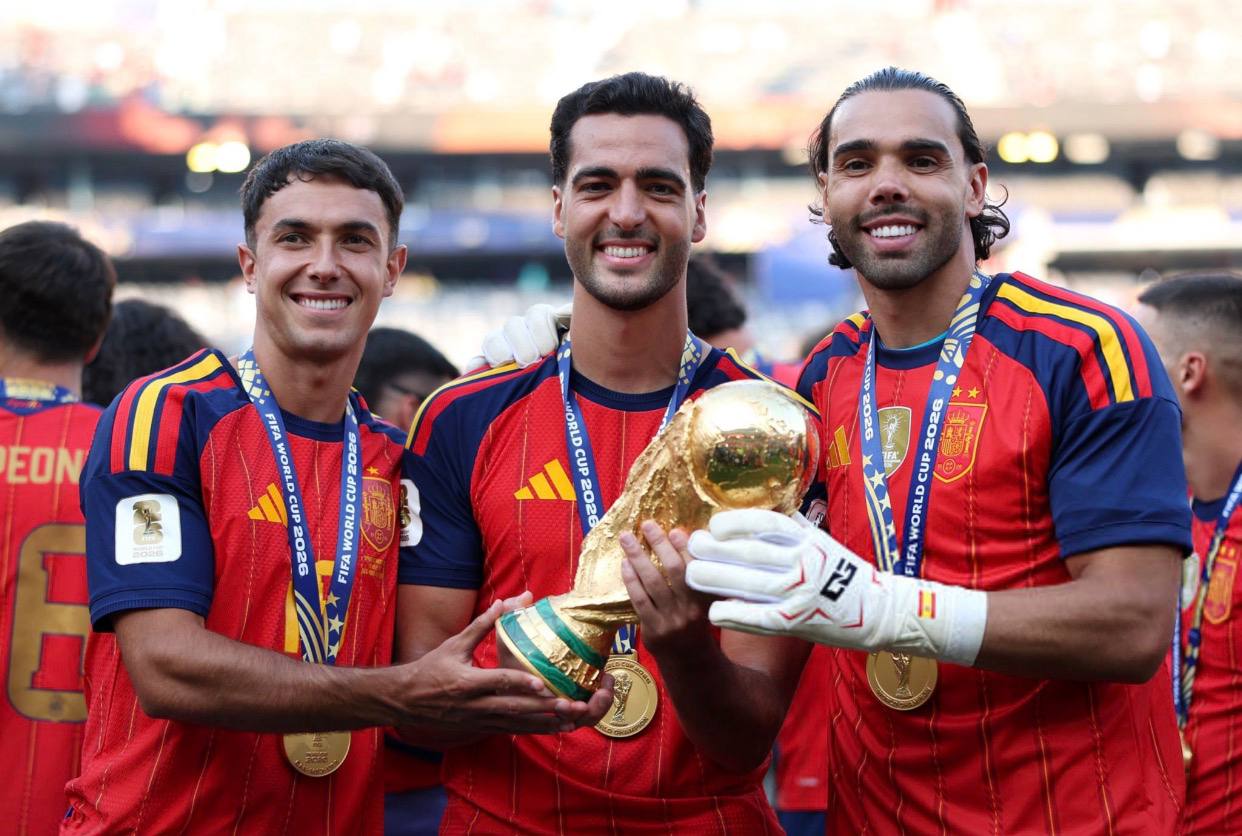
With this win, Spain became the first nation ever to hold both the men’s and women’s World Cup titles at the same time. That is a football milestone no country has achieved before, and it cements Spain’s status as the most complete footballing nation on the planet right now.

It’s also the fewest goals ever conceded by a men’s World Cup winner — just one, across eight matches — despite playing more games than any previous champion, since the 2026 tournament expanded to 48 teams.
How the Goal Happened
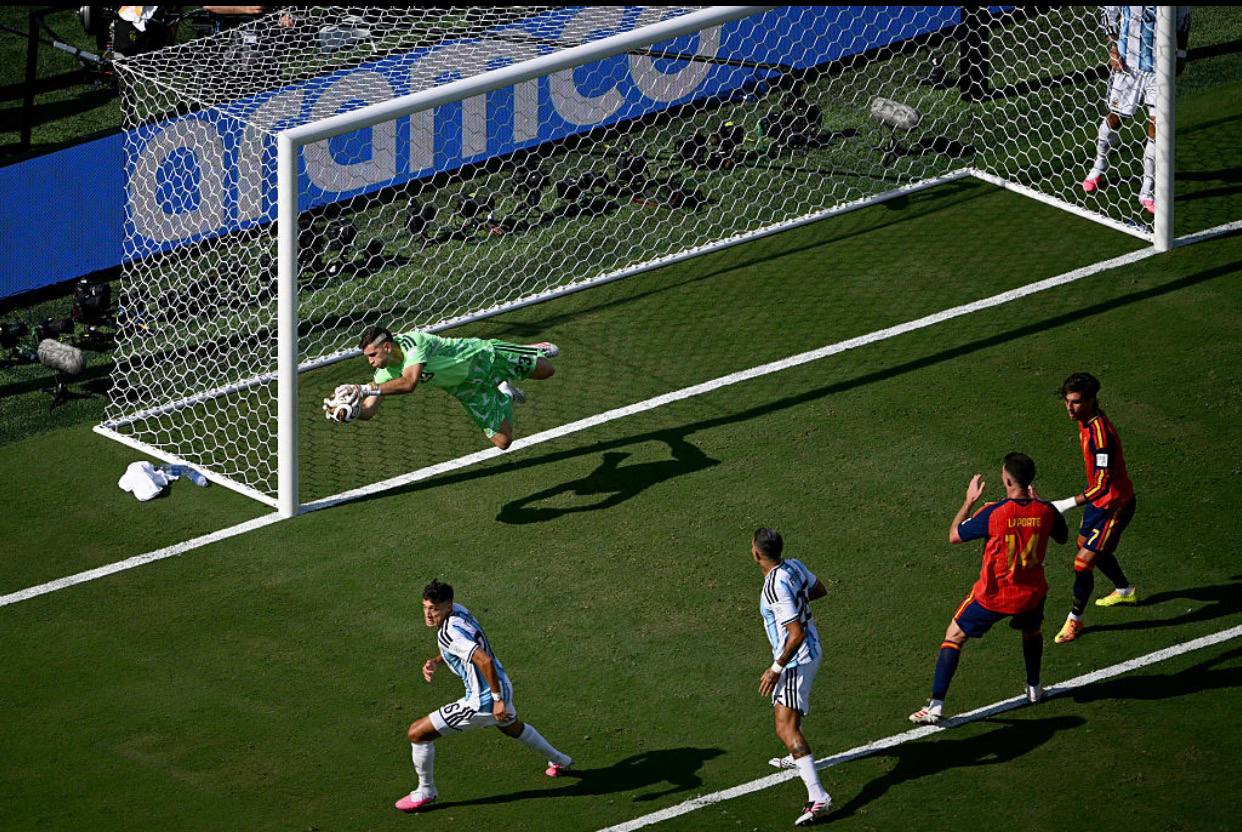
For 105 minutes, Argentina goalkeeper Emiliano “Dibu” Martinez was a wall, somehow keeping out 11 Spanish shots on target. Then came the breakthrough that Spanish fans will replay for decades.

Substitute Nico Williams, who had come on in the 75th minute, headed a stray cross back across goal instead of letting it run out of play. Ferran Torres was waiting. One touch, one finish, and Spain had their World Cup moment.
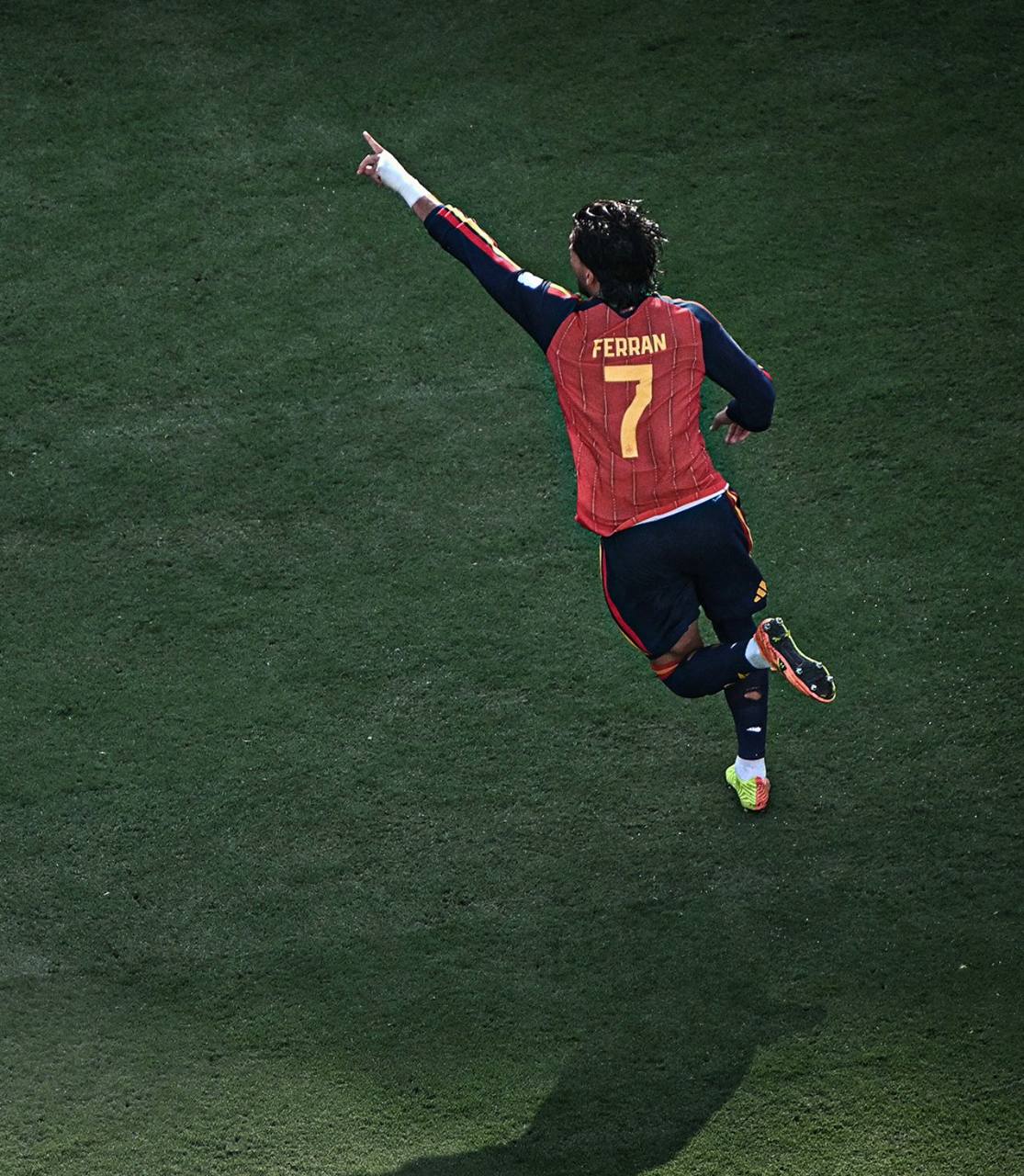
“The goal belonged to 47 million people,” Torres said afterward. “It wasn’t just mine or the 26 players. Destiny was written, and it was meant for us to win far away from our people.”

Spain coach Luis de la Fuente, now 65 and the oldest coach ever to win a men’s World Cup, admitted the goal reminded him instantly of Andres Iniesta’s extra-time winner in the 2010 final. History rhymes.
A Final Marked by Controversy
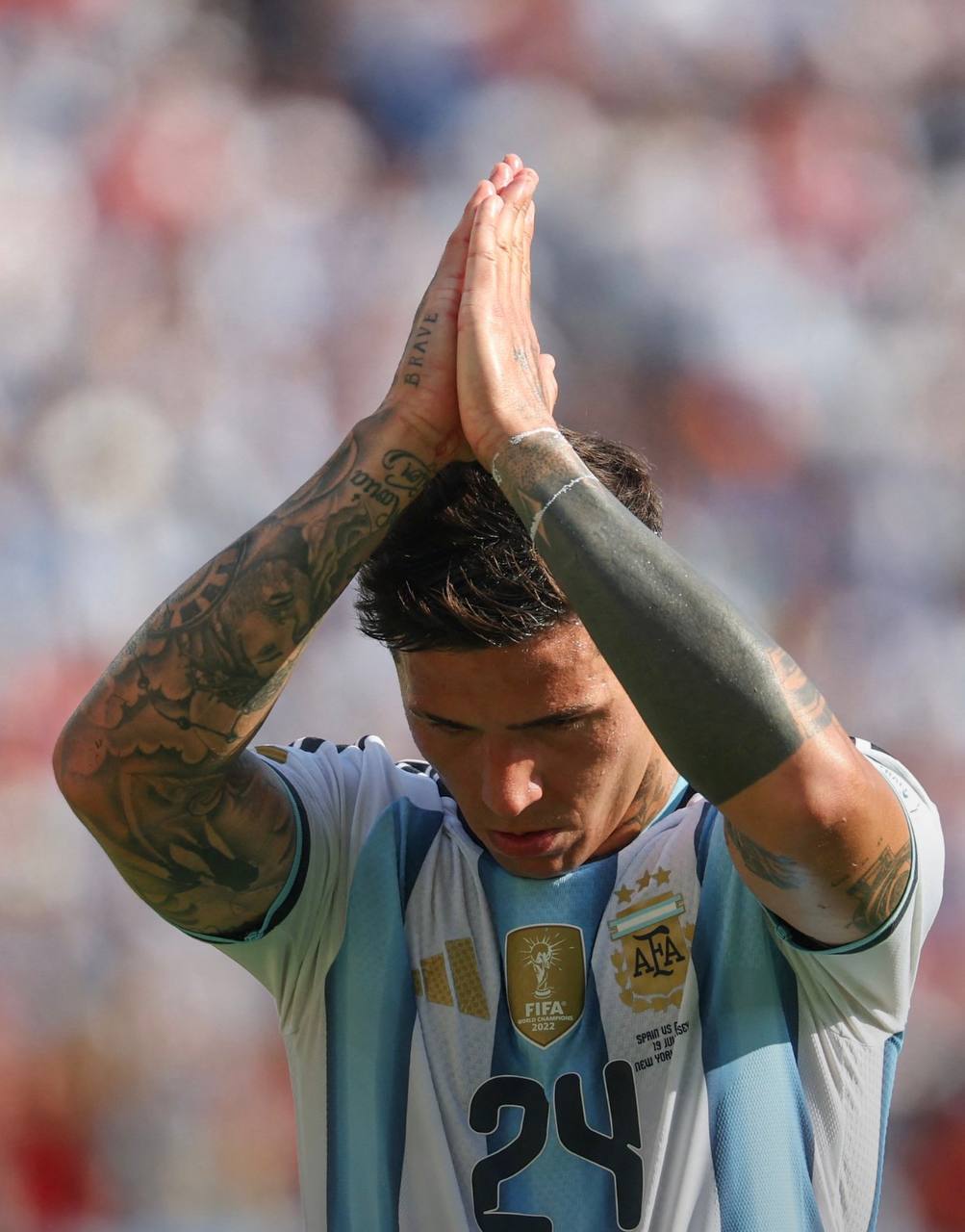
The match will also be remembered for its chaos. Argentina’s Enzo Fernandez was sent off in stoppage time for a reckless tackle on Pau Cubarsi, leaving his side to play the entirety of extra time a man down. Spain also had a goal controversially ruled out earlier in extra time when Mikel Merino was judged to have stepped on Nicolas Otamendi.

For Messi, it was the cruelest of endings. Argentina had arrived in New Jersey chasing back-to-back World Cup titles, something no side has managed since Brazil in 1962. Instead, the 38-year-old finished with 8 goals and 4 assists, second on the Golden Boot, and no second consecutive trophy to show for it.
What This Means for Spanish Football
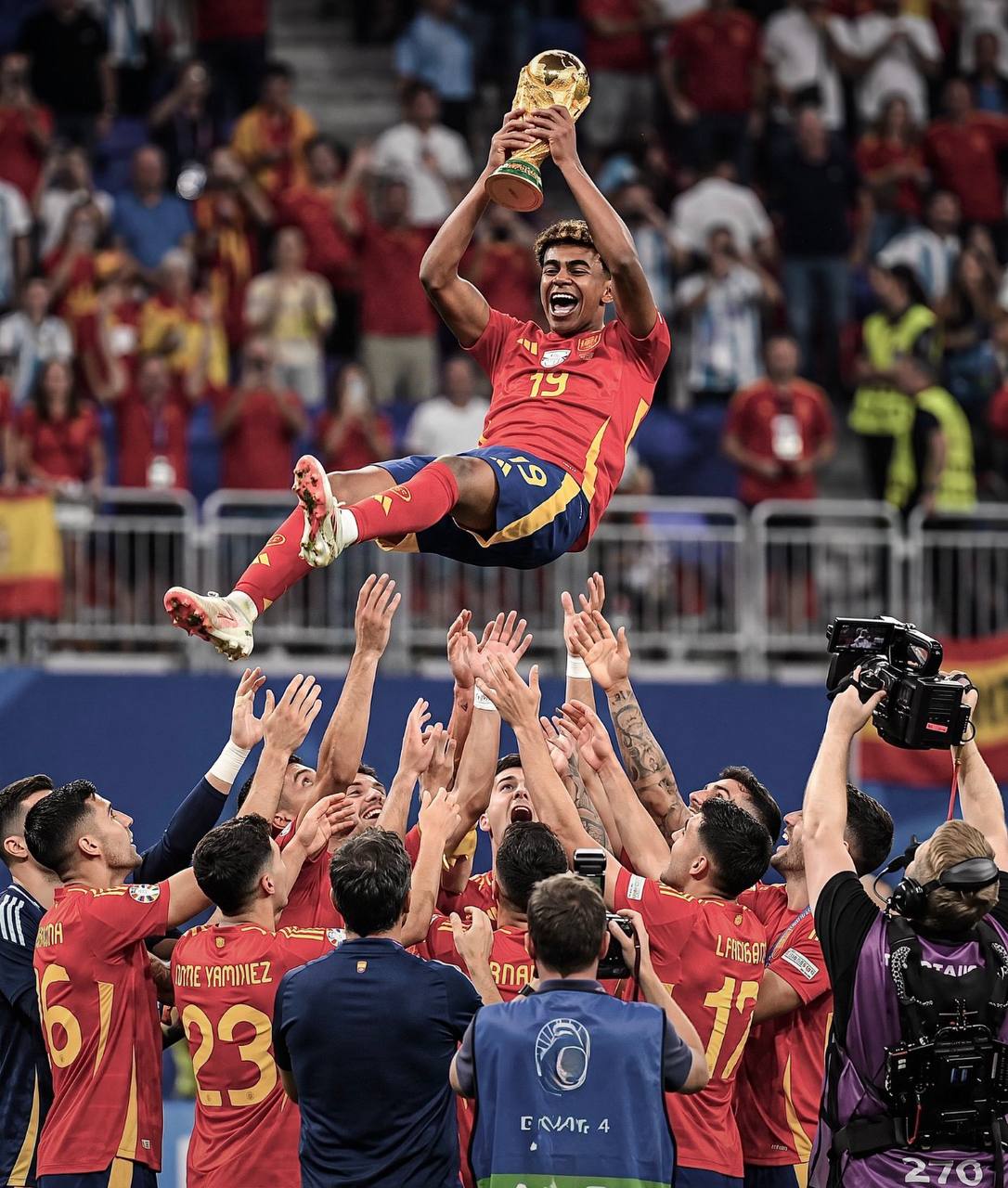
Spain’s win extends an astonishing unbeaten run stretching 38 matches across all competitions, already the longest streak by any European or South American nation in football history. Combined with their Euro 2024 title and Nations League success, this Spanish generation is quietly building one of the great international dynasties of the modern era.

The champagne is still flowing in Madrid. The only question now: who stops them next?
Man of the Match: Ferran Torres

What did you think of Spain’s World Cup final win? Drop your take in the comments below.