


Miami served up a Group H opener with everything: a goalkeeping howler, a late twist, and a Saudi Arabia performance that once again has people whispering the word “upset” at this World Cup. Saudi Arabia and Uruguay shared the points in a 1-1 draw on Monday night, and fittingly for a game built on small margins, both goals came from the exact same kind of moment — a goalkeeper failing to deal with a rebound.

Uruguay Dominate Early, But Can’t Find the Net
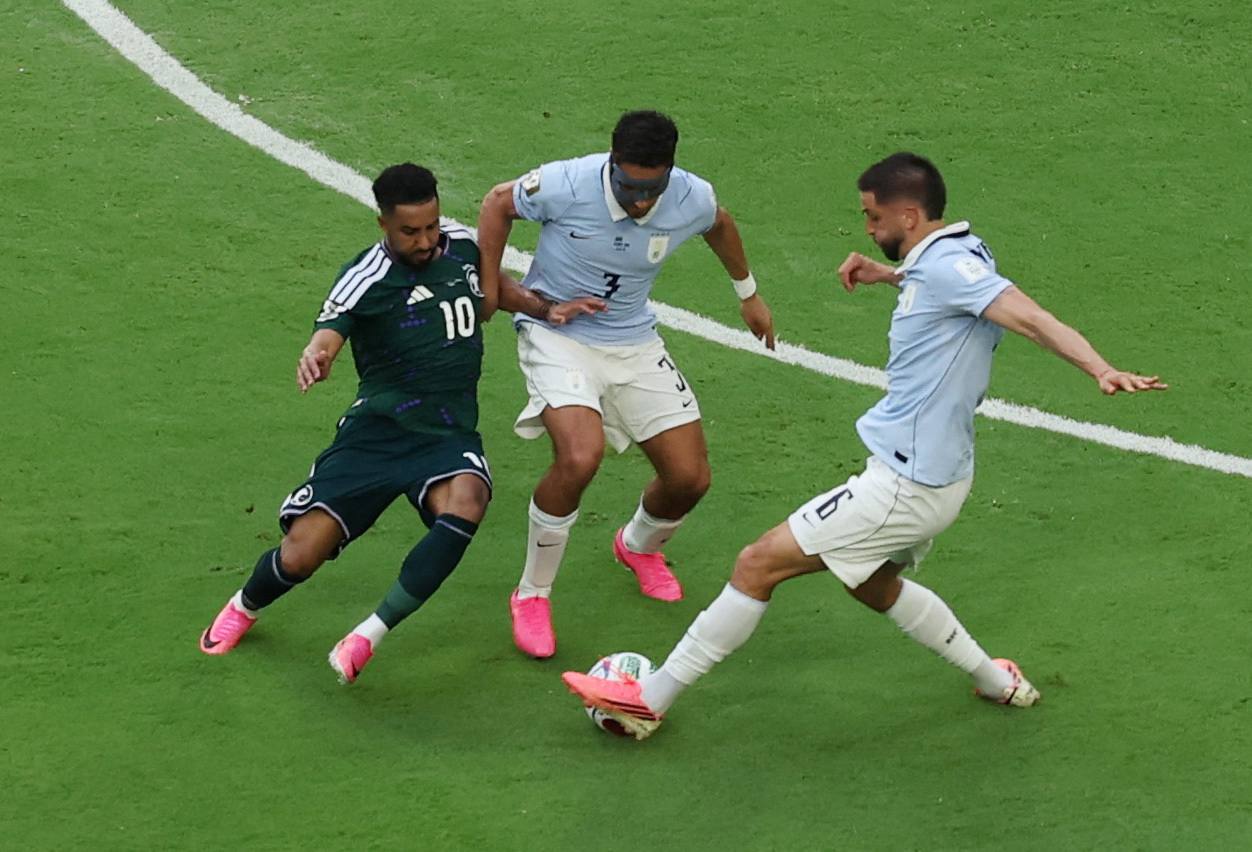
For the first 35 minutes, this looked like a routine night for Marcelo Bielsa’s side. Uruguay controlled 60% of possession and tested Saudi keeper Mohammed Al-Owais almost immediately, with Maxi Araújo forcing an early save from a powerful drive. Federico Viñas then headed wide from the resulting corner, a glimpse of what was to come — Uruguay would create plenty, but finishing would be the problem all night.
Saudi Arabia Strike From Nowhere
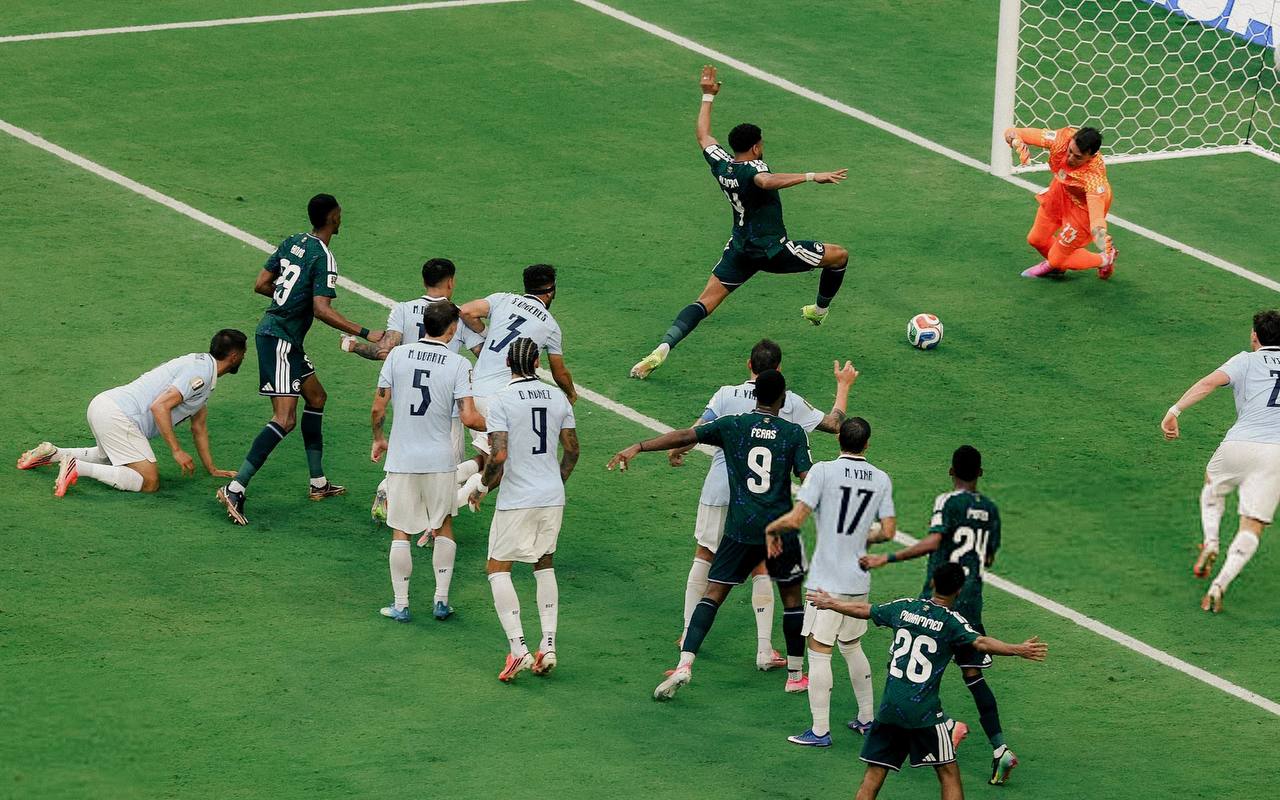
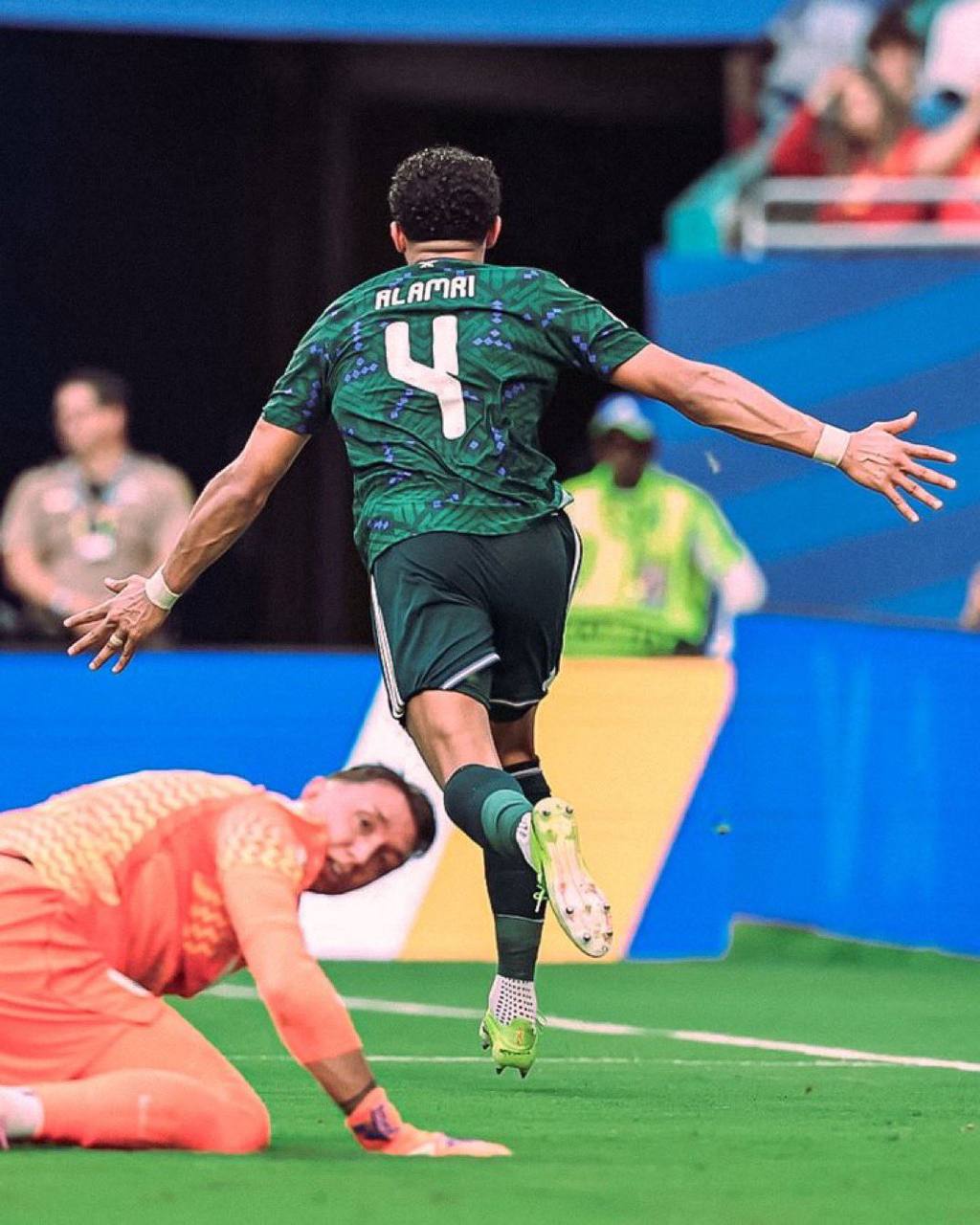
Then, just as Uruguay seemed to be settling into control, the game turned on a single mistake. Saudi defender Abdulelah Al-Amri had already forced a smart save out of Fernando Muslera from a corner in the 38th minute — a warning sign if ever there was one. Three minutes later, Muslera failed to hold onto Mohamed Kanno’s header, and Al-Amri, reacting quicker than anyone else in the box, pounced on the loose ball and turned it home. 1-0 Saudi Arabia, against the run of play, and suddenly Uruguay’s seven-time World Cup pedigree counted for nothing.
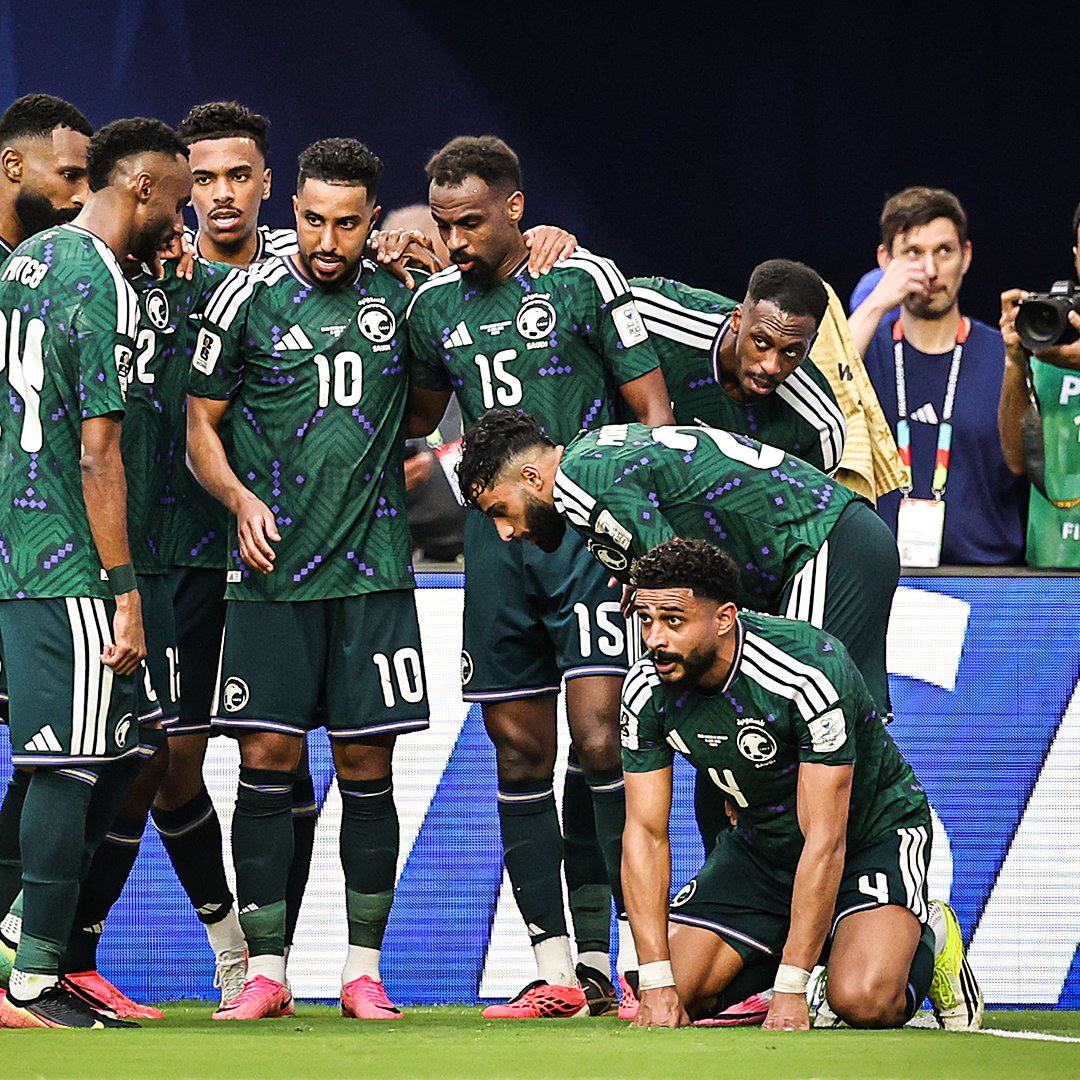
It’s worth remembering: this is the same Saudi Arabia side that shocked eventual champions Argentina at the last World Cup. If there’s one team you don’t want to underestimate in the group stage, it’s them.
Uruguay Lay Siege, But the Door Stays Shut
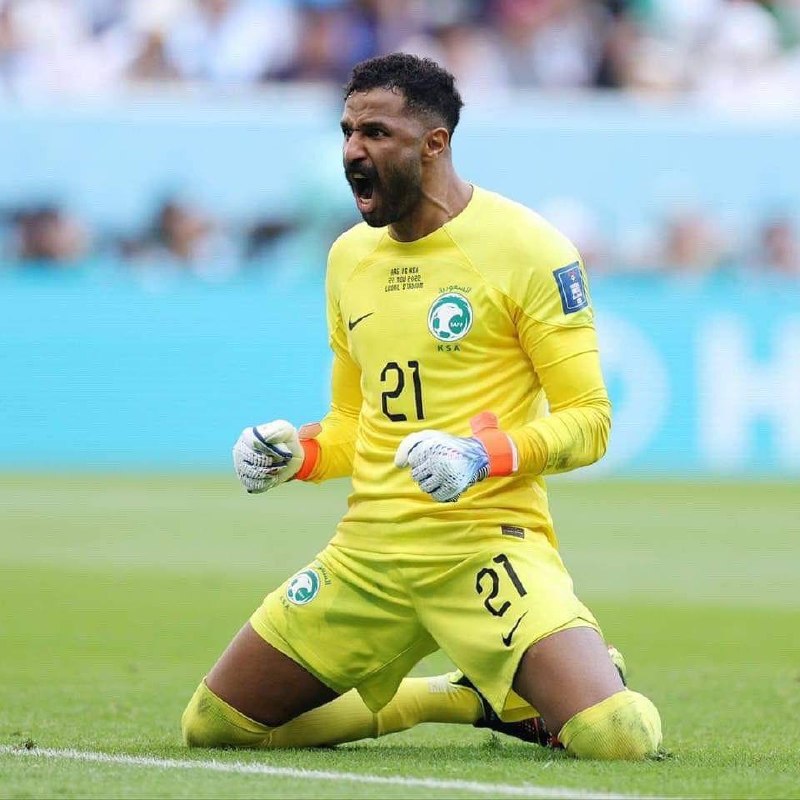
The second half told a different story. Uruguay came out with real urgency, dominating long stretches of play and pushing numbers forward in search of an equalizer. But this is where Al-Owais turned from a footnote into the headline. The Saudi keeper produced save after save, finishing the night with nine stops in total — an enormous defensive performance for a goalkeeper who, ironically, had been partly culpable for the chaos in the buildup to his own team’s goal.
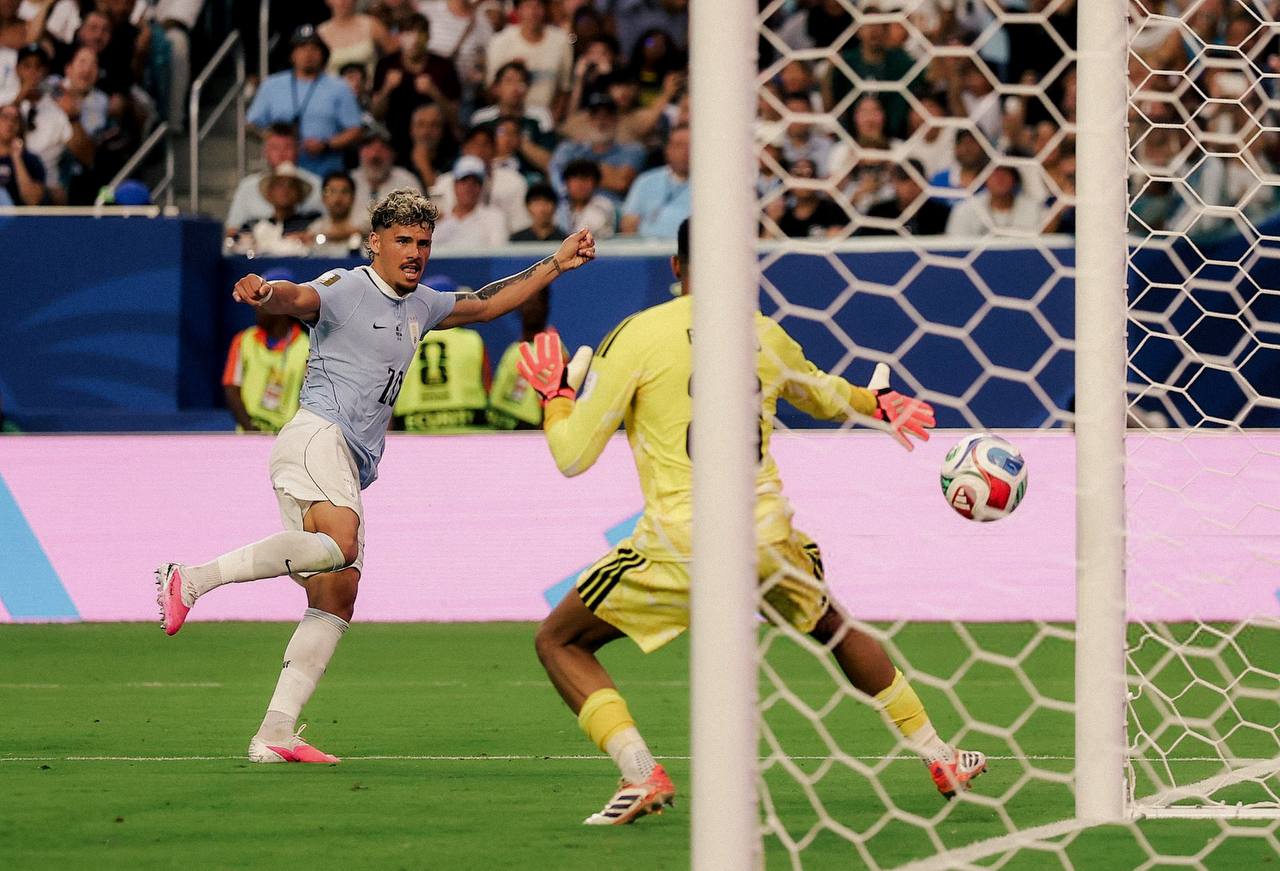
With about ten minutes left, Uruguay finally got their reward — and fittingly, it came the exact same way Saudi Arabia’s goal did. A header that Al-Owais couldn’t hold onto spilled loose in the box, and Maxi Araújo reacted fastest to slot home the equalizer. Two goals, two goalkeeping errors, two strikers in the right place at the right time. Symmetry doesn’t get much cleaner than that.
Stoppage Time Drama
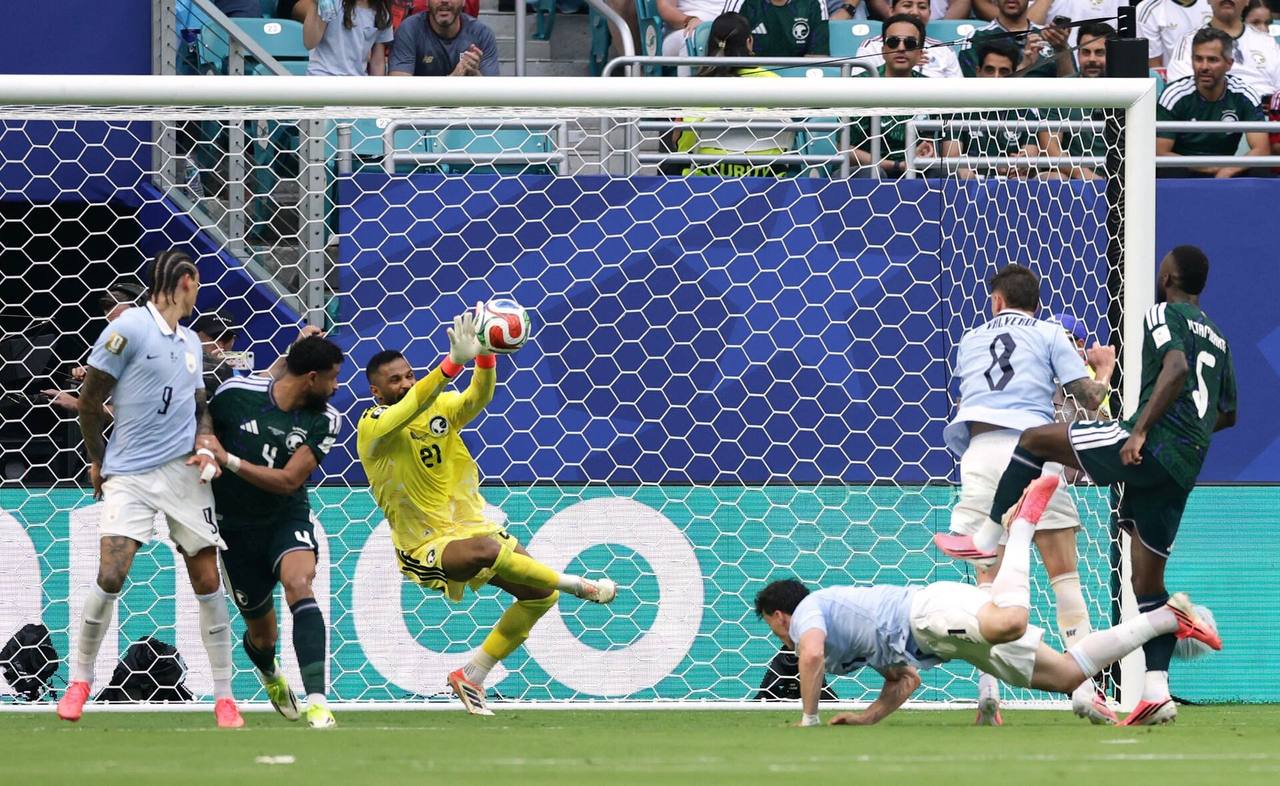
Uruguay smelled blood and kept pushing for a winner. Substitute Brian Rodríguez curled an effort just wide from the edge of the box, and in stoppage time Al-Owais somehow produced back-to-back-to-back heroics, denying Nicolás de la Cruz, Federico Valverde, and Rodríguez in a frantic final few minutes.
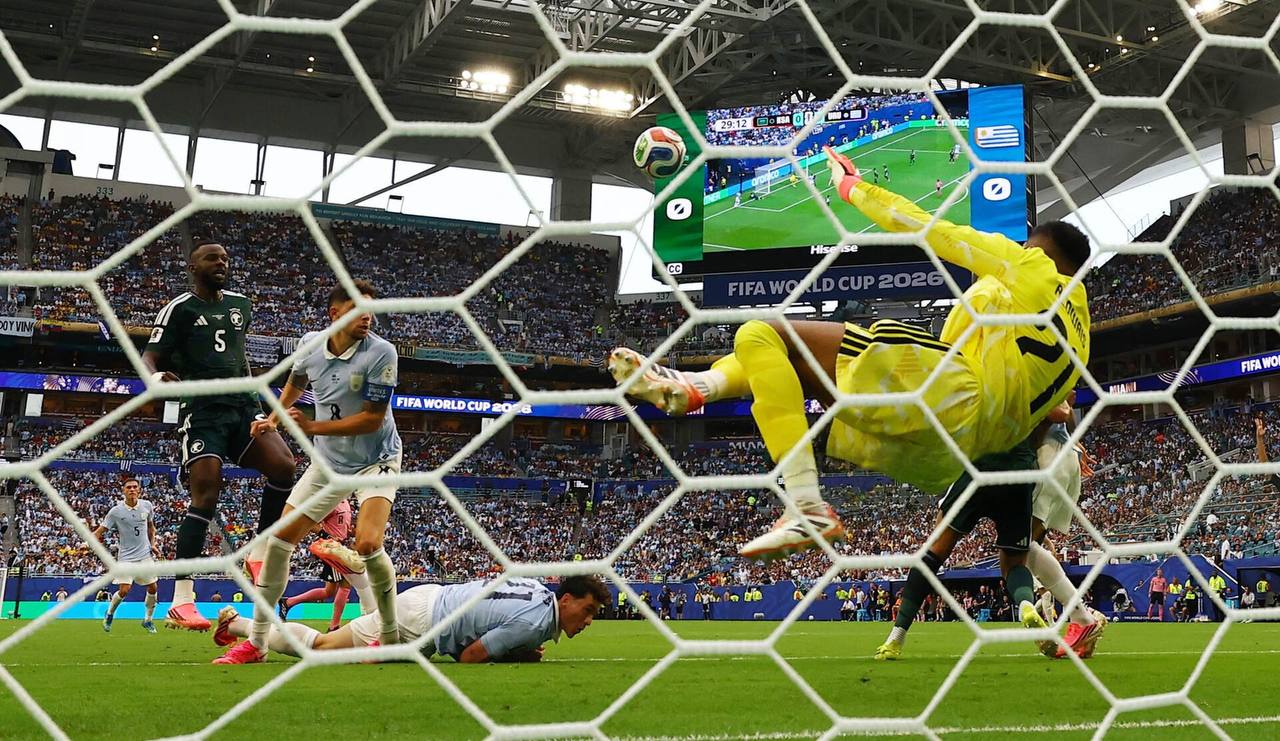
Each save drew louder groans from the Uruguayan bench and louder cheers from the Saudi supporters who could sense a hard-fought point slipping away from them — only to be rescued by their own goalkeeper, twice over, in the same match.
The Bigger Picture
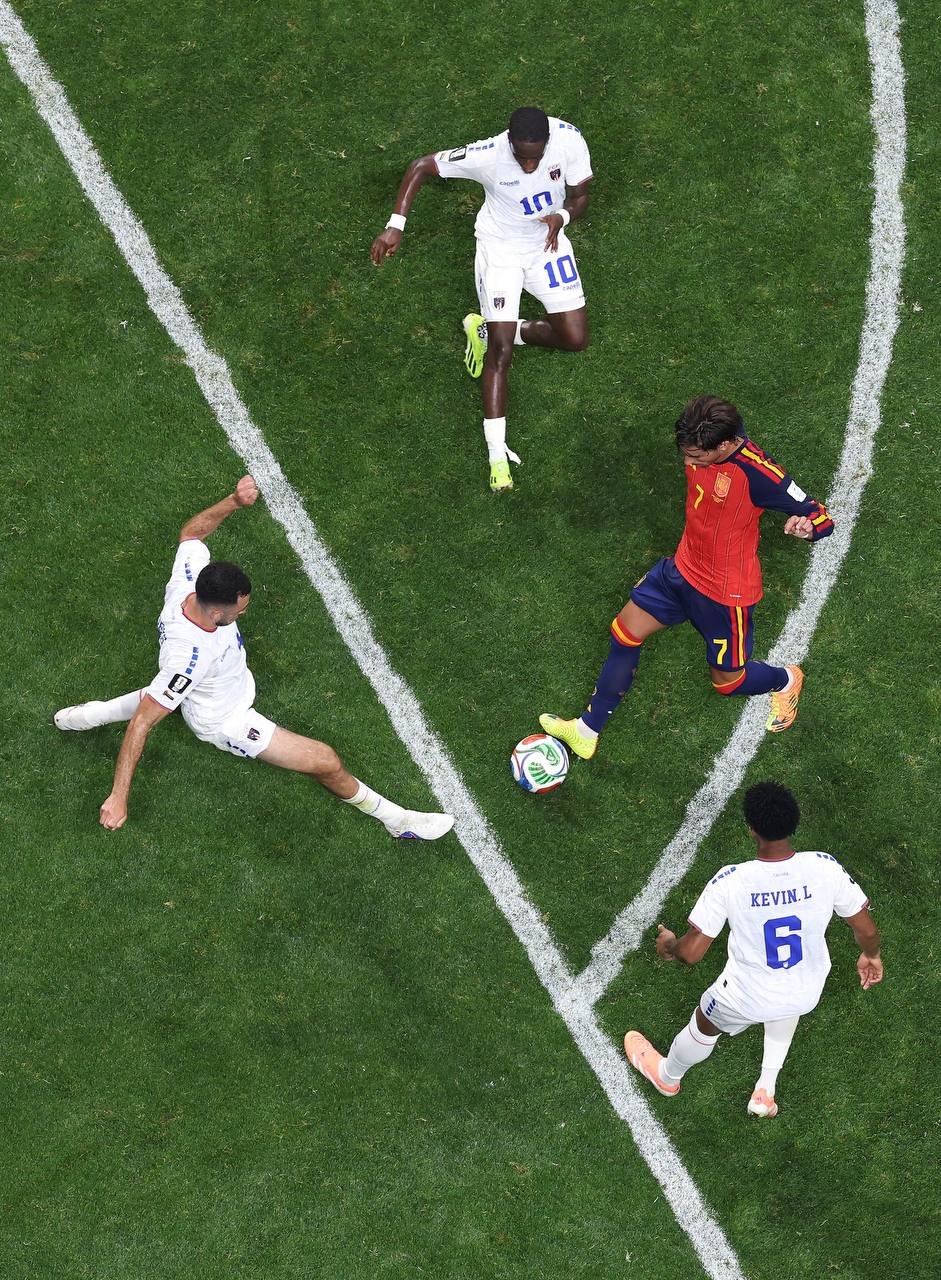
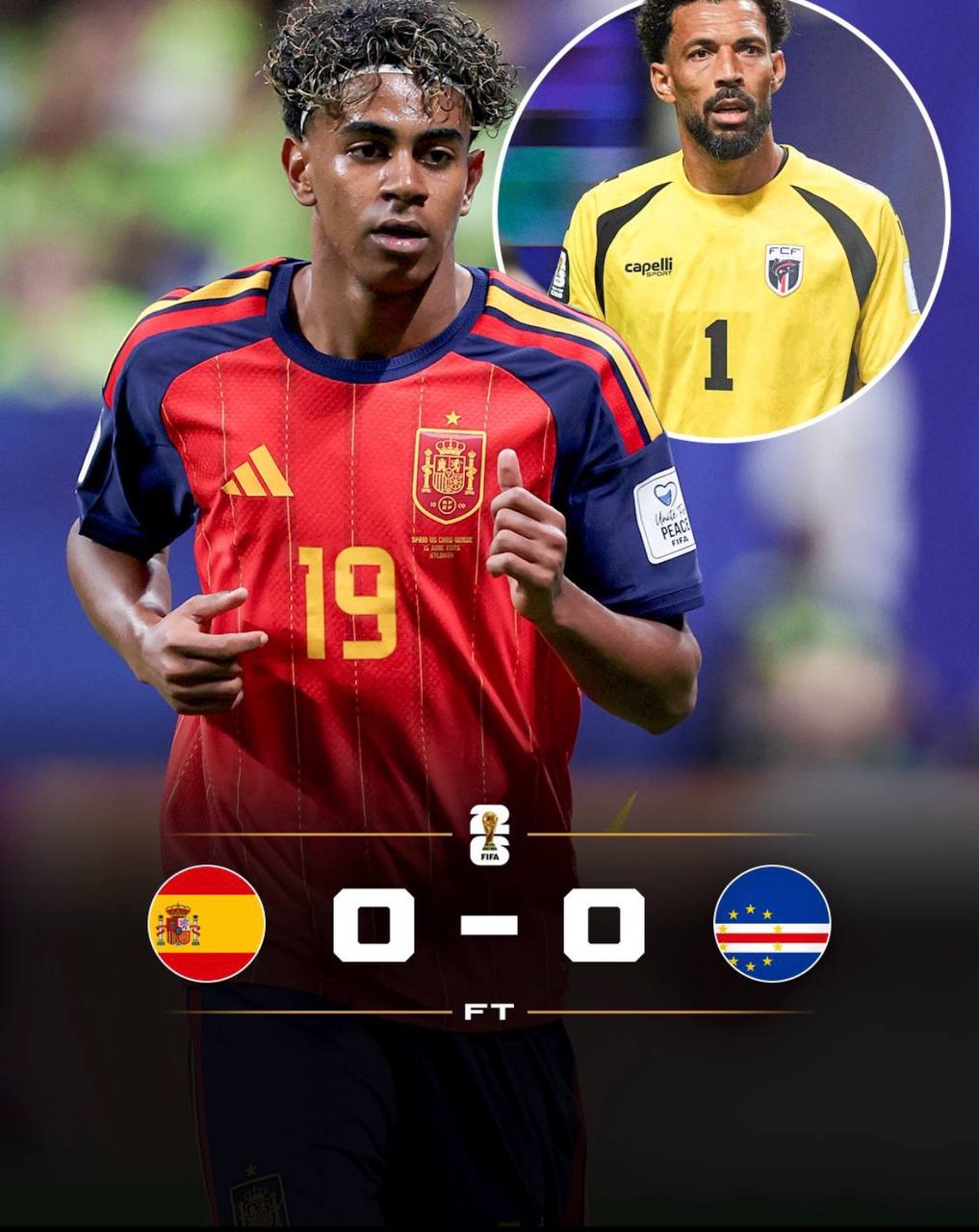
This result means all four teams in Group H — Spain, Cape Verde, Saudi Arabia, and Uruguay — opened their tournaments with draws, making it one of the most unpredictable groups so far. For Saudi Arabia, a point against a two-time World Cup winner is another step in building credibility as a side nobody wants to face lightly. For Uruguay, there will be frustration at not converting their second-half dominance into all three points, but Bielsa’s side showed the character to come from behind against a well-organized opponent.
Group H is wide open, and if Monday was any indication, nobody in this group is interested in making things easy for anyone else.