



Nobody told Haiti they were supposed to roll over.

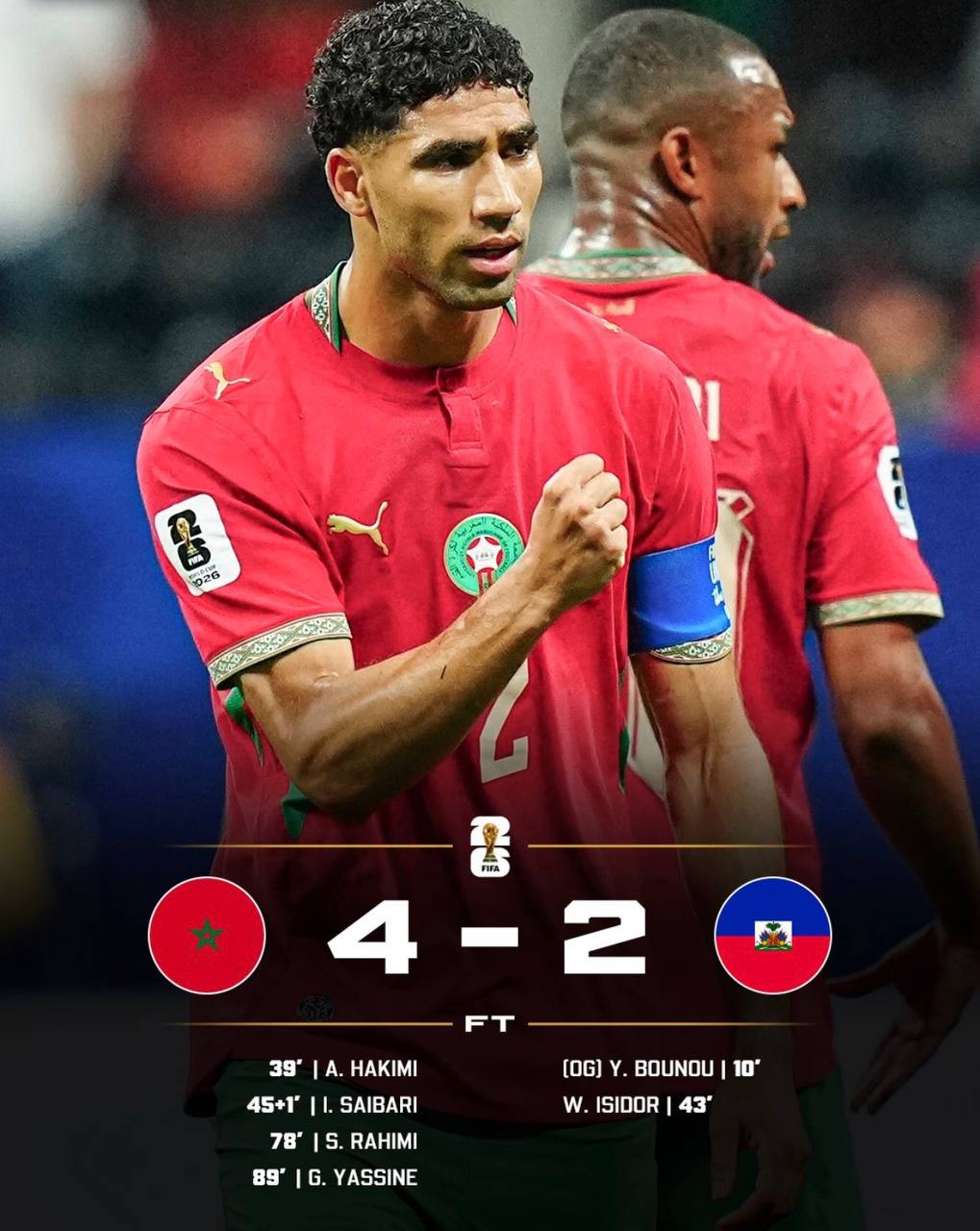
In a sun-soaked Mercedes-Benz Stadium packed with the colour, carnival and raw defiance that only Haitian football can produce, Les Grenadiers came within a whisker of pulling off one of the most romantic upsets in World Cup history. They couldn’t quite manage it — Morocco eventually pulled clear 4-2 to seal second place in Group C — but by the time the final whistle blew, the Atlas Lions looked considerably less composed than the semi-finalists from 2022 were supposed to be.
A 52-Year Wait, Answered in Ten Minutes
The script was supposed to write itself. Morocco, Africa Cup of Nations champions, ranked 74 places above their opponents. Haiti, back at the World Cup for the first time in 52 years, already eliminated, playing for pride. Easy, right?
Wrong.
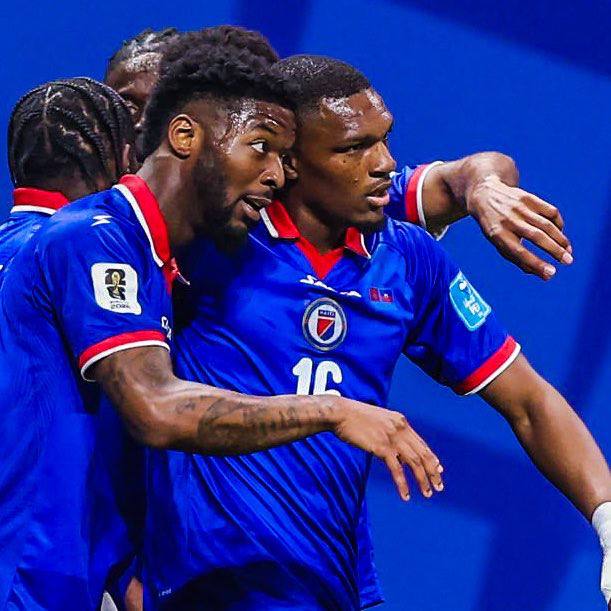
Ten minutes in, Lenny Joseph produced one of the cheekiest goals you’ll see at this tournament — a deft backheel flick at the near post that left goalkeeper Yassine Bounou rooted in disbelief. In doing so, Joseph became Haiti’s first World Cup goalscorer since the legendary Emmanuel Sanon struck in 1974. The whole stadium erupted. The Haitian fans — draped in red and blue, waving flags, stomping feet — turned Atlanta into Port-au-Prince for a moment. Fifty-two years. One backheel. Pure magic.
Hakimi Steadies the Ship — Briefly
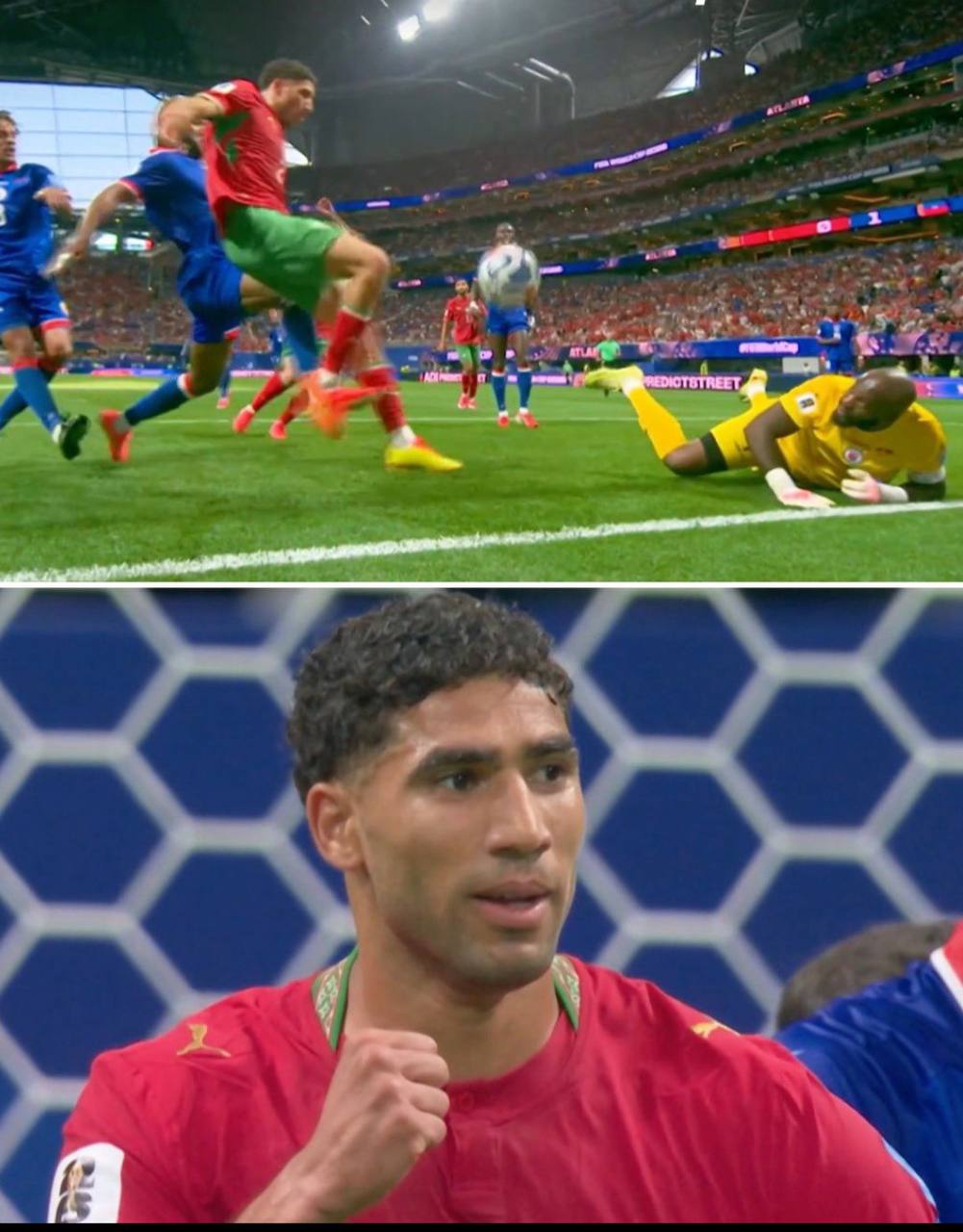
Morocco were rattled but not broken. Achraf Hakimi, their eternally reliable right flank overlapper, restored parity in the 39th minute, bundling the ball over the line after Bilal El Khannouss’s deflected cross left keeper Johny Placide stranded. Order restored. Morocco dominant. Time to cruise, surely.
Not quite.
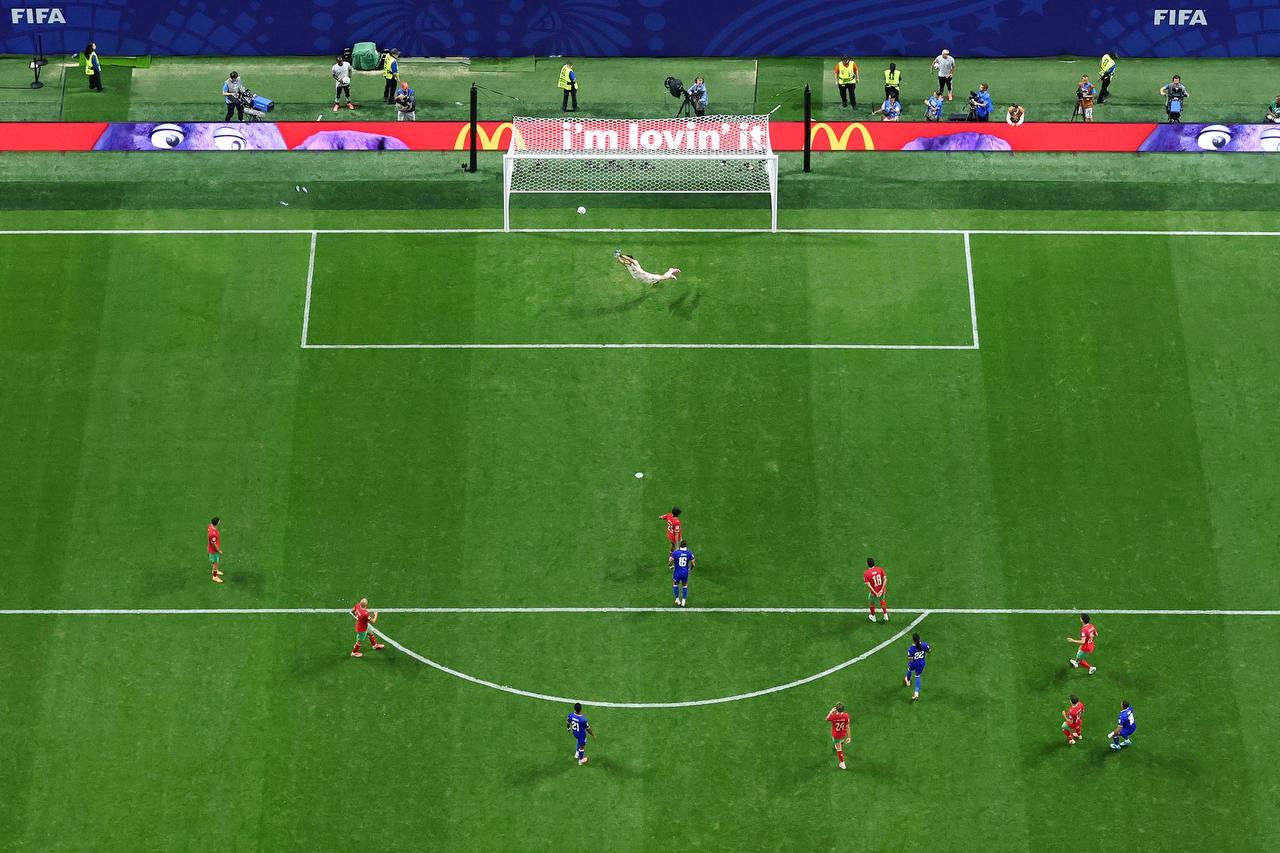
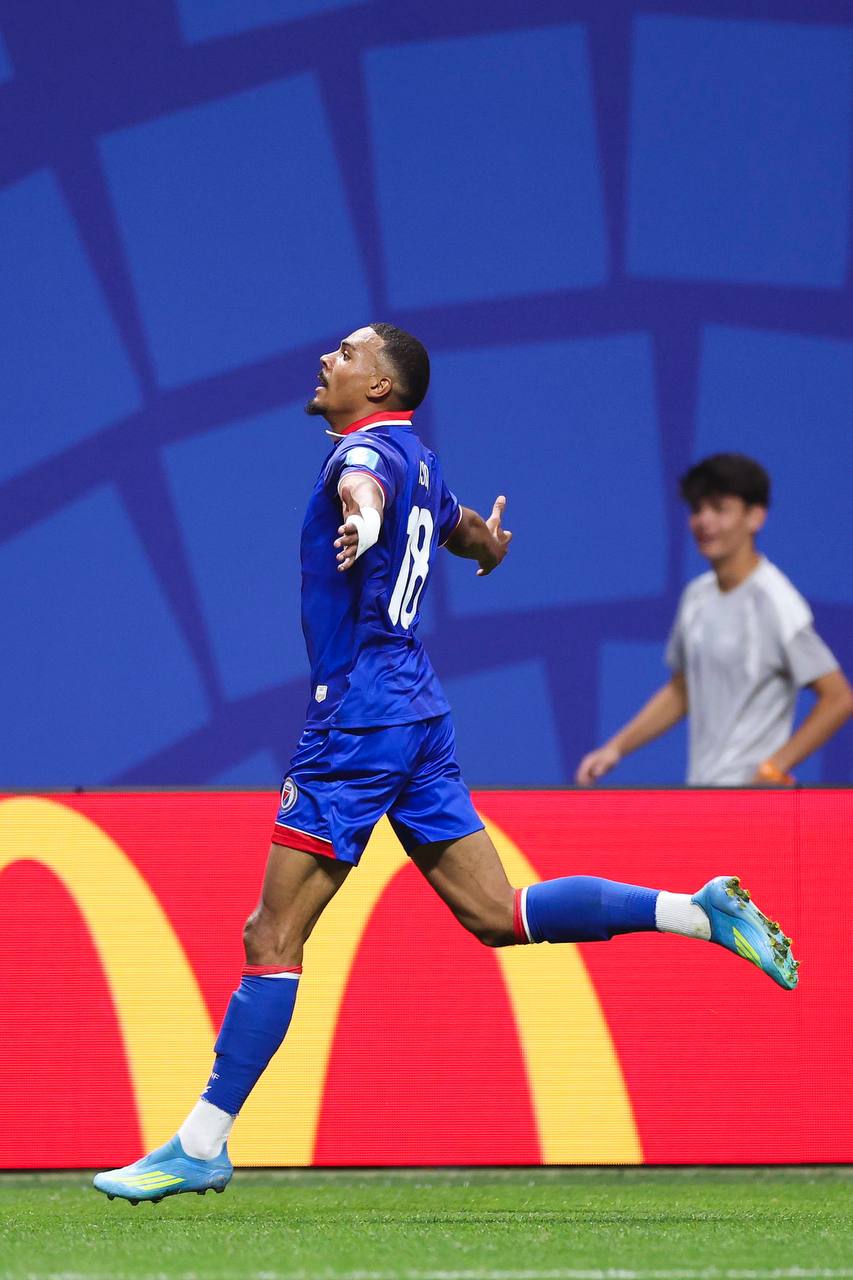
Four minutes later, Wilson Isidor collected the ball on the right edge of the penalty area, shifted it onto his right foot, and then — with absolutely no right to score — unleashed a rocket into the top-left corner. A thunderbolt. A screamer. Arguably the goal of the tournament. The Sunderland forward wheeled away in disbelief as the Haitian faithful lost their minds all over again.
Morocco were trailing. Again. At halftime. Against Haiti.
Saibari Saves the Blushes — Before the Break

There was still time for one more twist in a first half that could have headlined a film. Ismael Saibari, making it three goals at the tournament and proving himself as Morocco’s most dangerous creative force, swept Hakimi’s cross past Placide in first-half stoppage time to send the teams into the tunnel level at 2-2. Four goals. Forty-five minutes. Utter chaos.
The Second Half — And the Subs Who Settled It
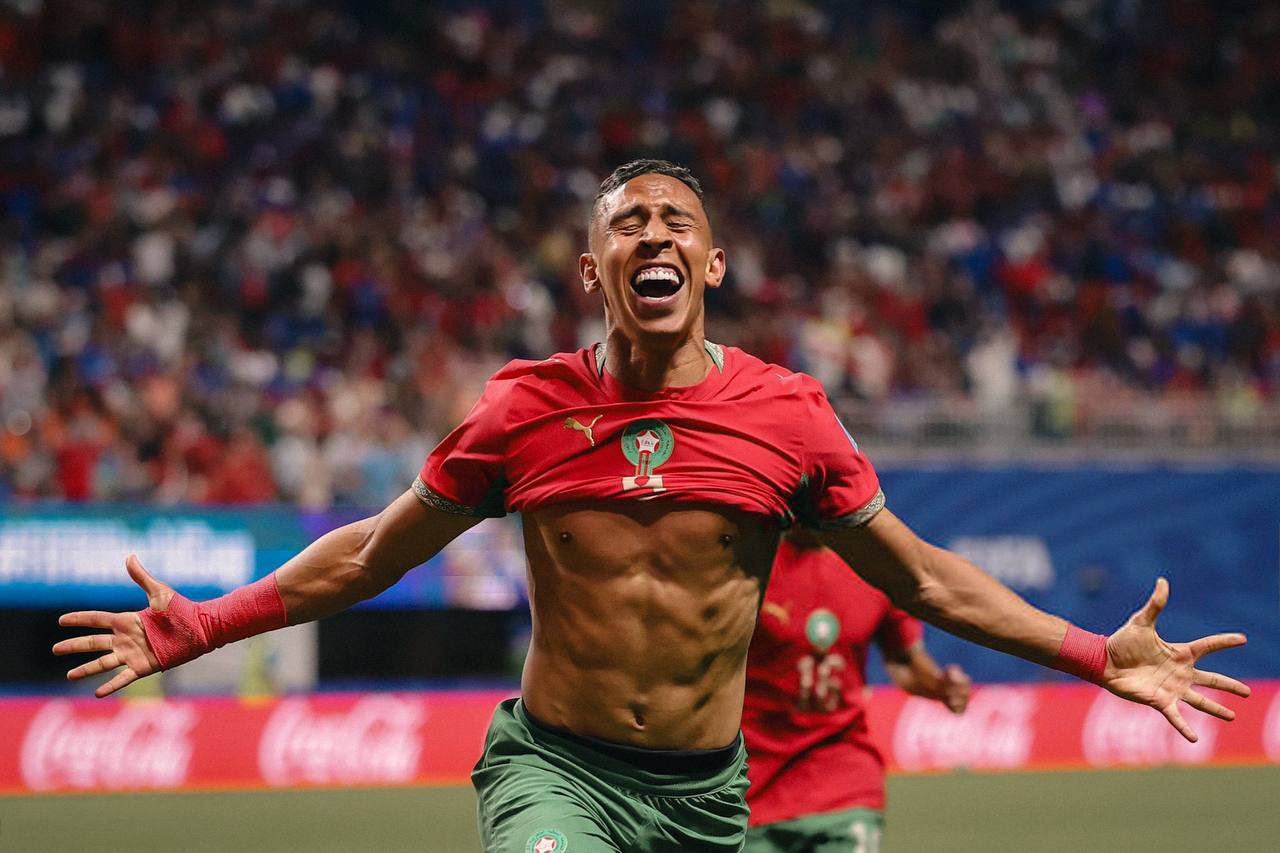
The second half was quieter, but only by comparison. Morocco finally began to impose their quality, pressing Haiti deeper and deeper, pinging the ball around with renewed urgency. The breakthrough came in the 78th minute when substitute Soufiane Rahimi — a man who clearly doesn’t do cameos quietly — controlled from a corner and fired a deflected effort past Placide to put Morocco ahead for the first time in the match. 3-2.
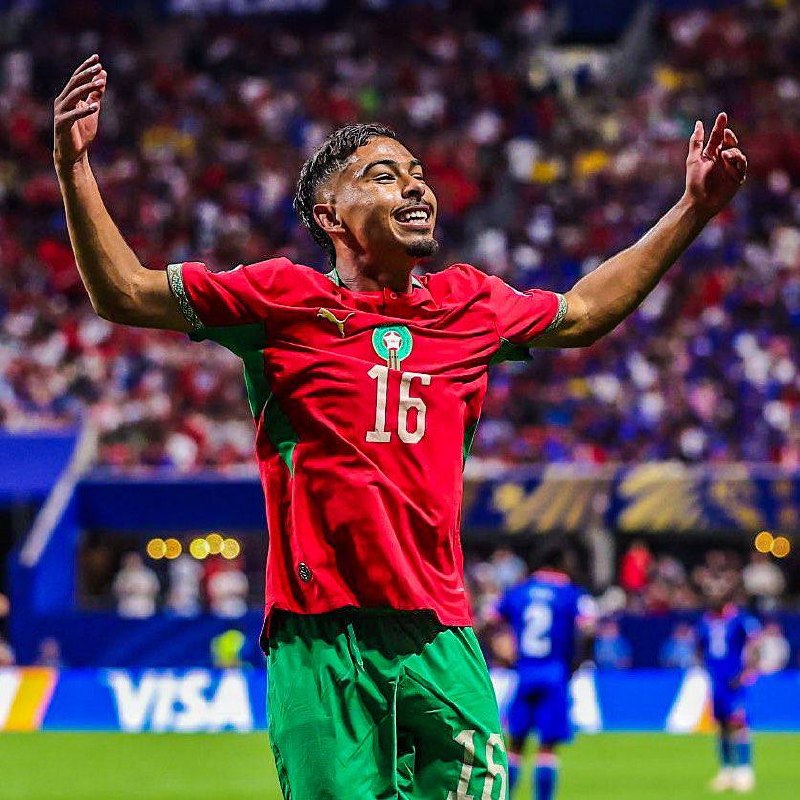
In the dying minutes, Rahimi turned provider: he kept the ball alive brilliantly on the byline before teeing up fellow sub Gessime Yassine, who finished calmly to seal it. 4-2. Game over.
What It Means
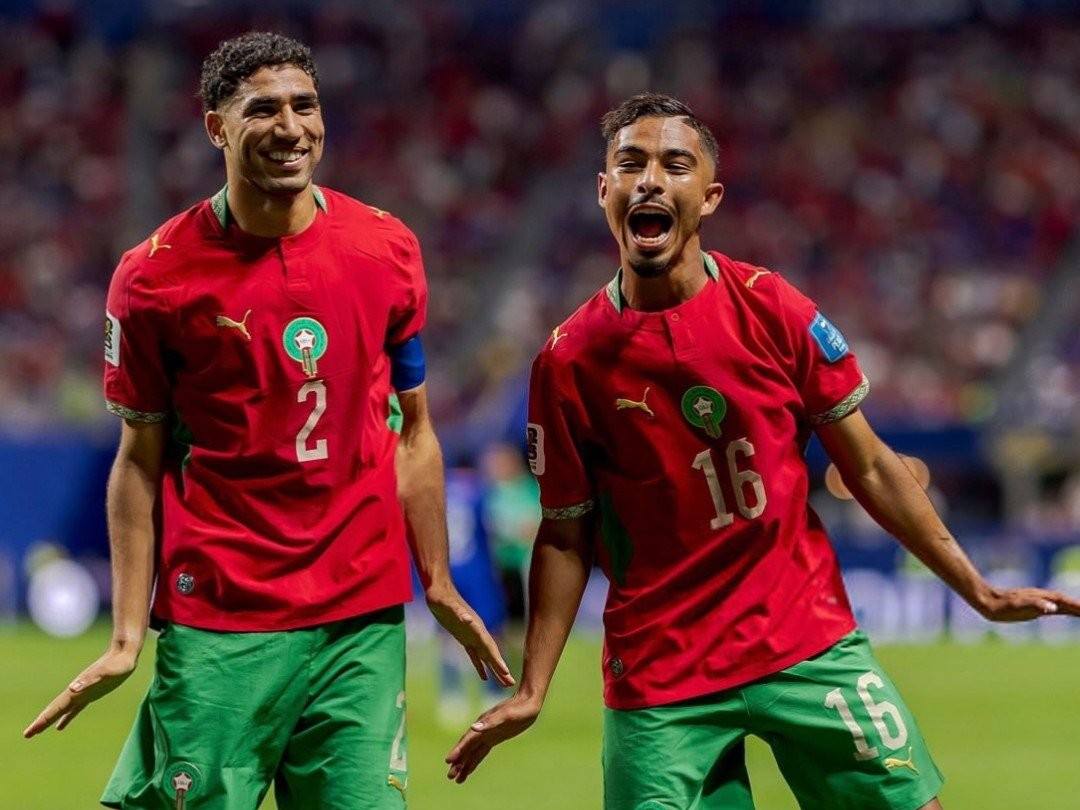
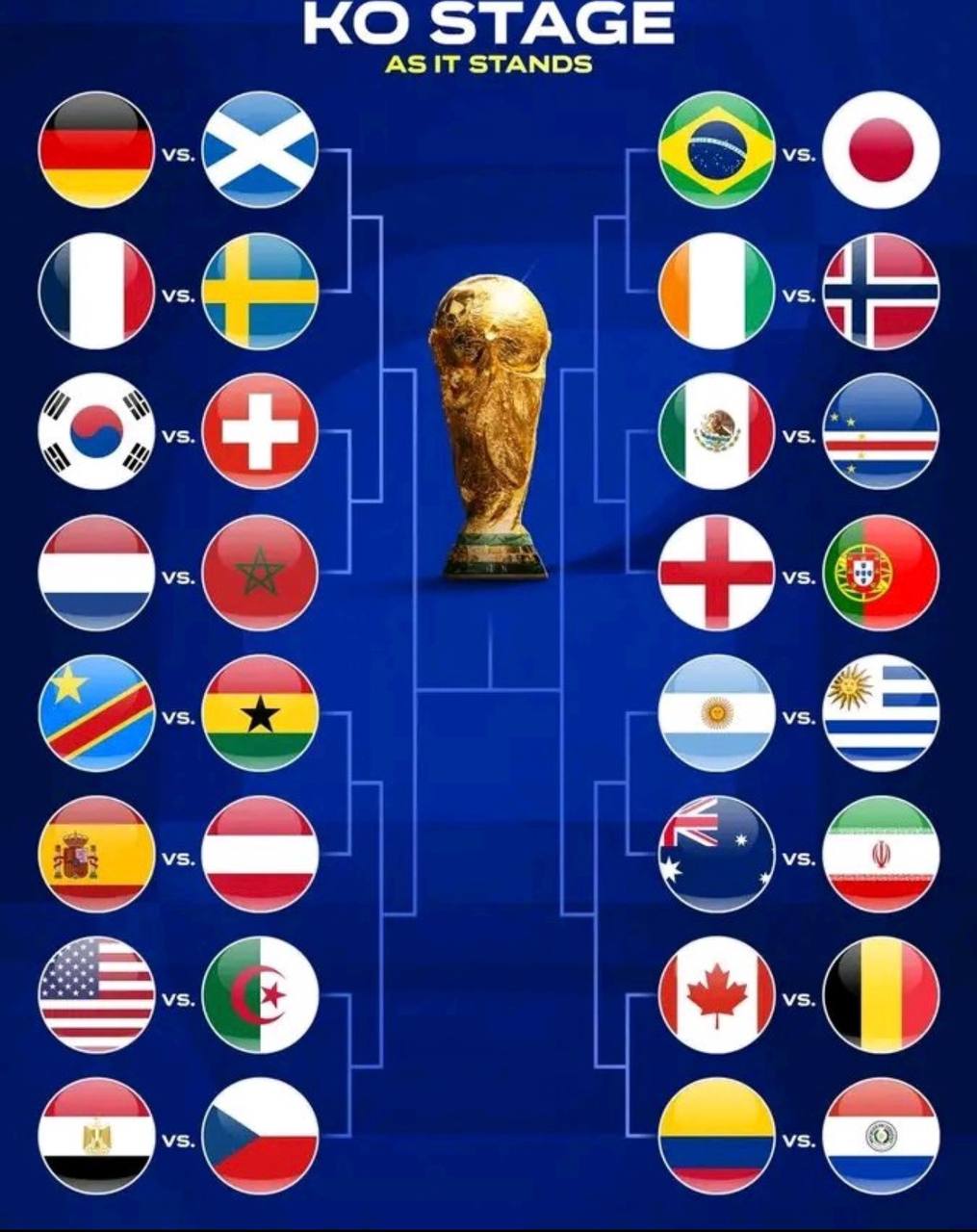
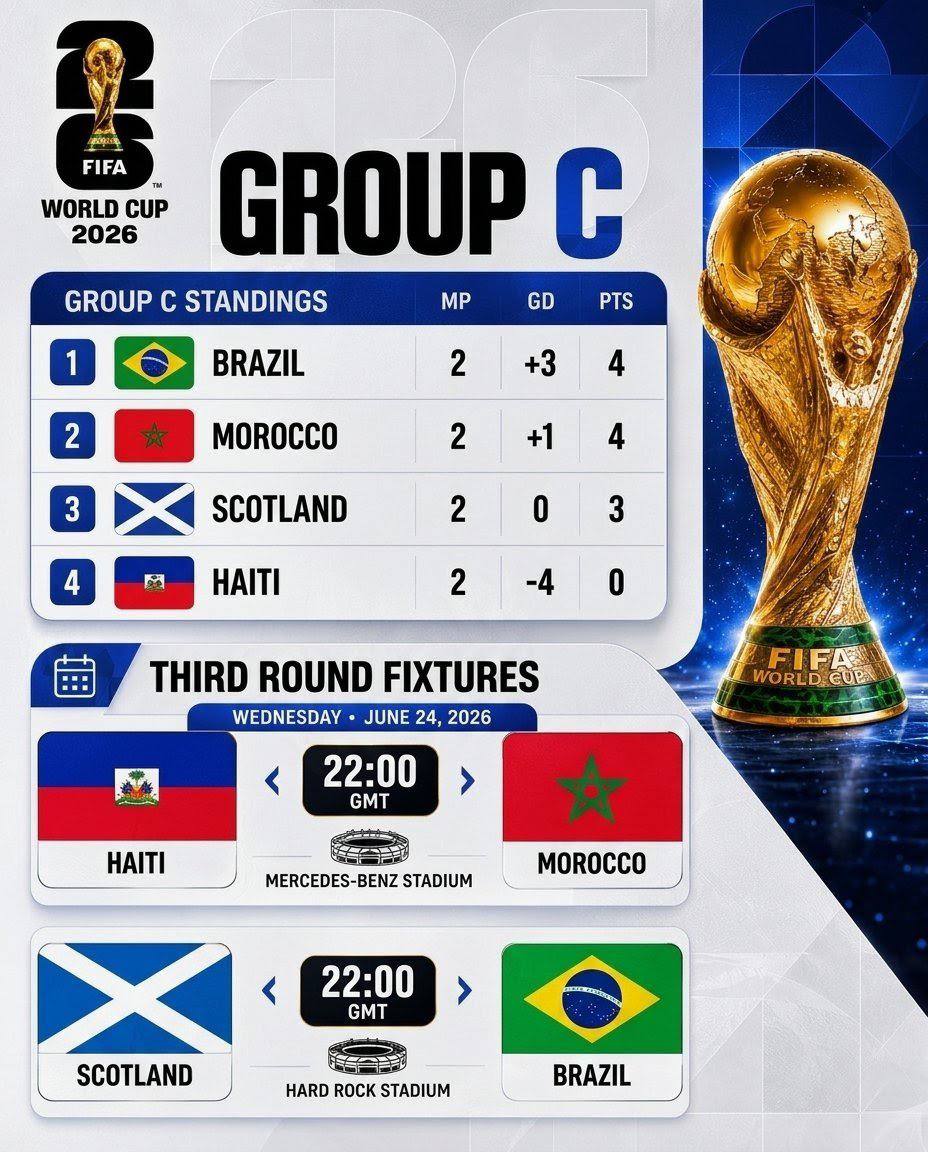
Morocco finish second in Group C on seven points behind Brazil, and will now face the winners of Group F — currently the Netherlands — in the Round of 32. The Atlas Lions have the talent and the experience to go deep, but they’ll know they made a meal of what should have been a comfortable afternoon.
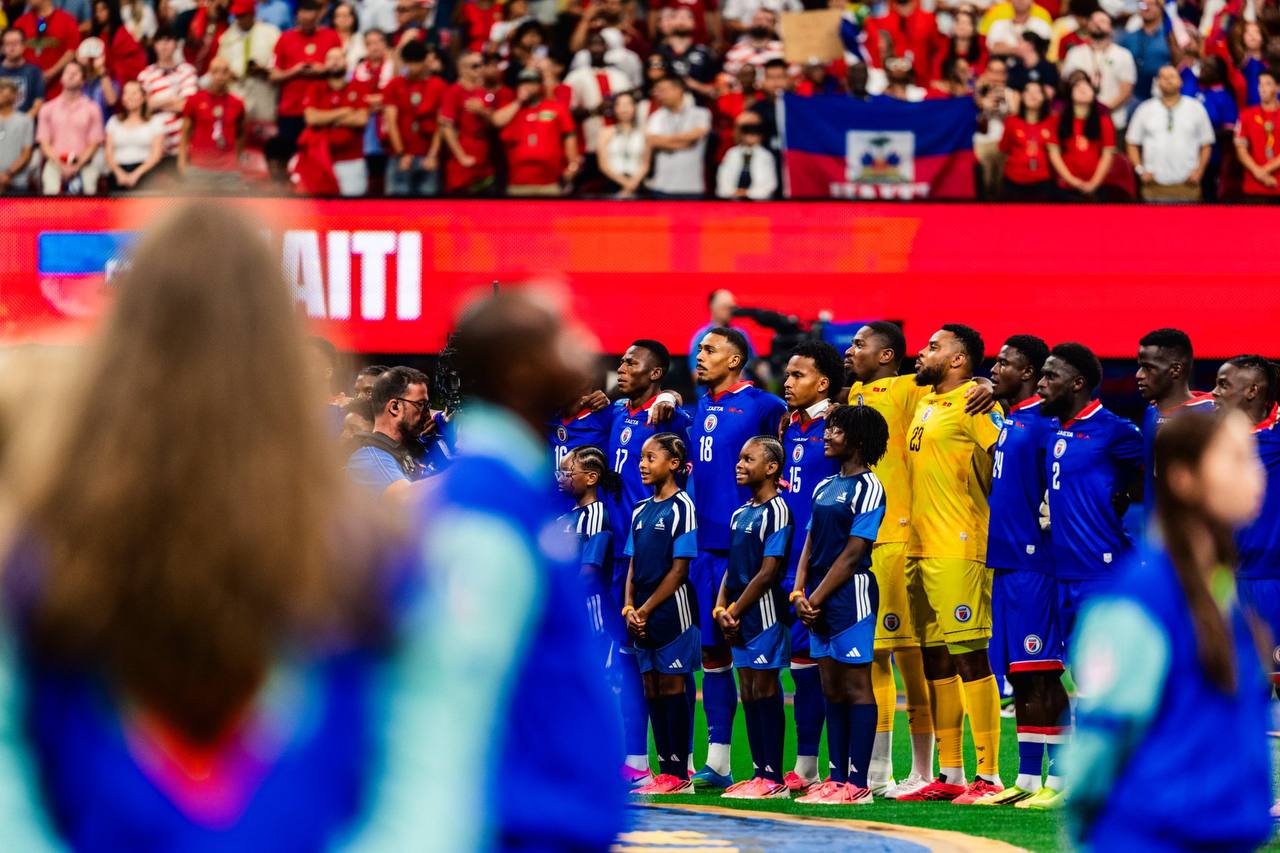
As for Haiti, they leave with zero points and heads held impossibly high. Their fans chanted “Ayiti! Ayiti! Ayiti!” long after the final whistle, already looking ahead to 2030. Lenny Joseph and Wilson Isidor tied Emmanuel Sanon’s record of two World Cup goals for Haiti — a mark that had stood untouched since 1974. They came to Atlanta, they sang, they scored, they danced. That counts for everything.
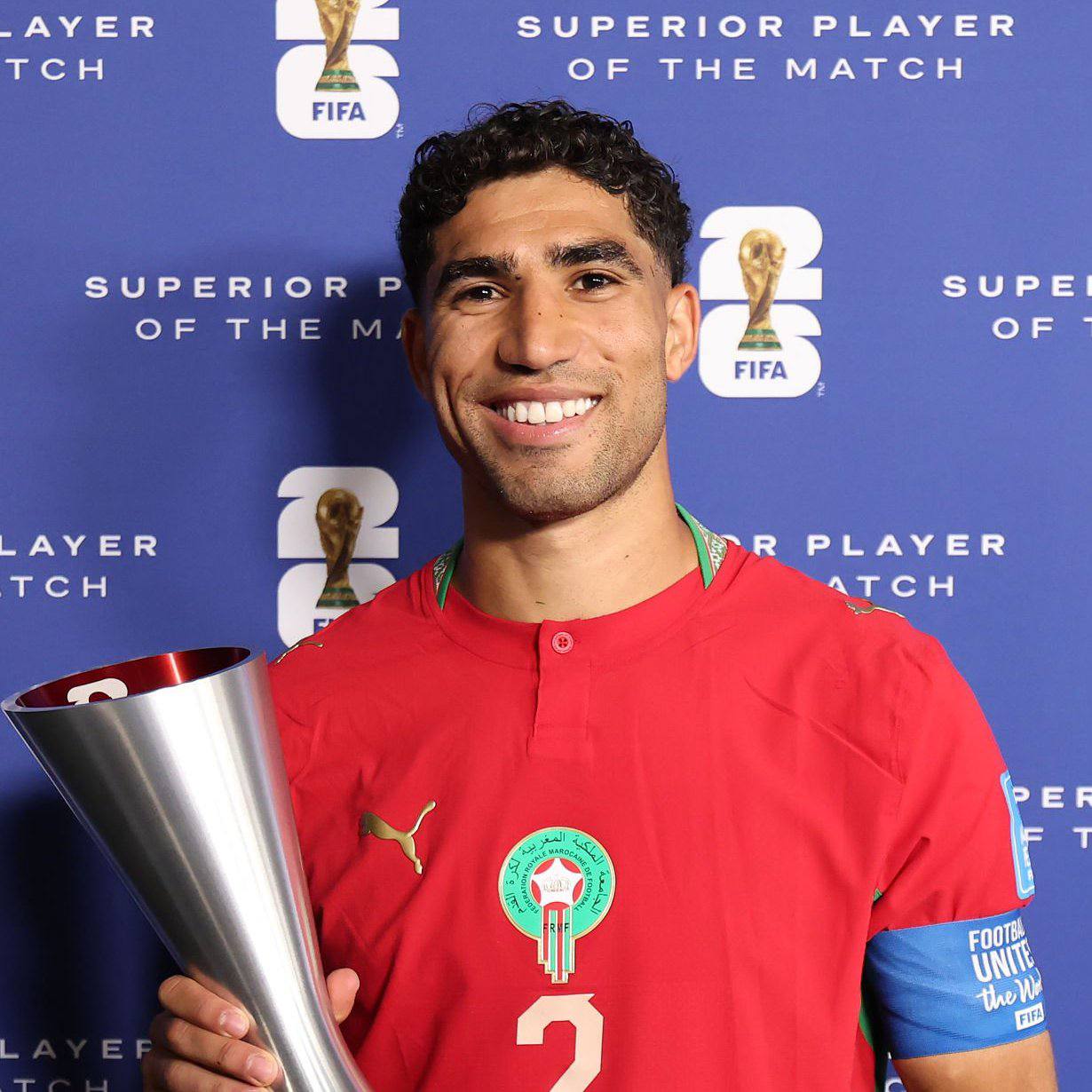
Man of the Match: Hakimi