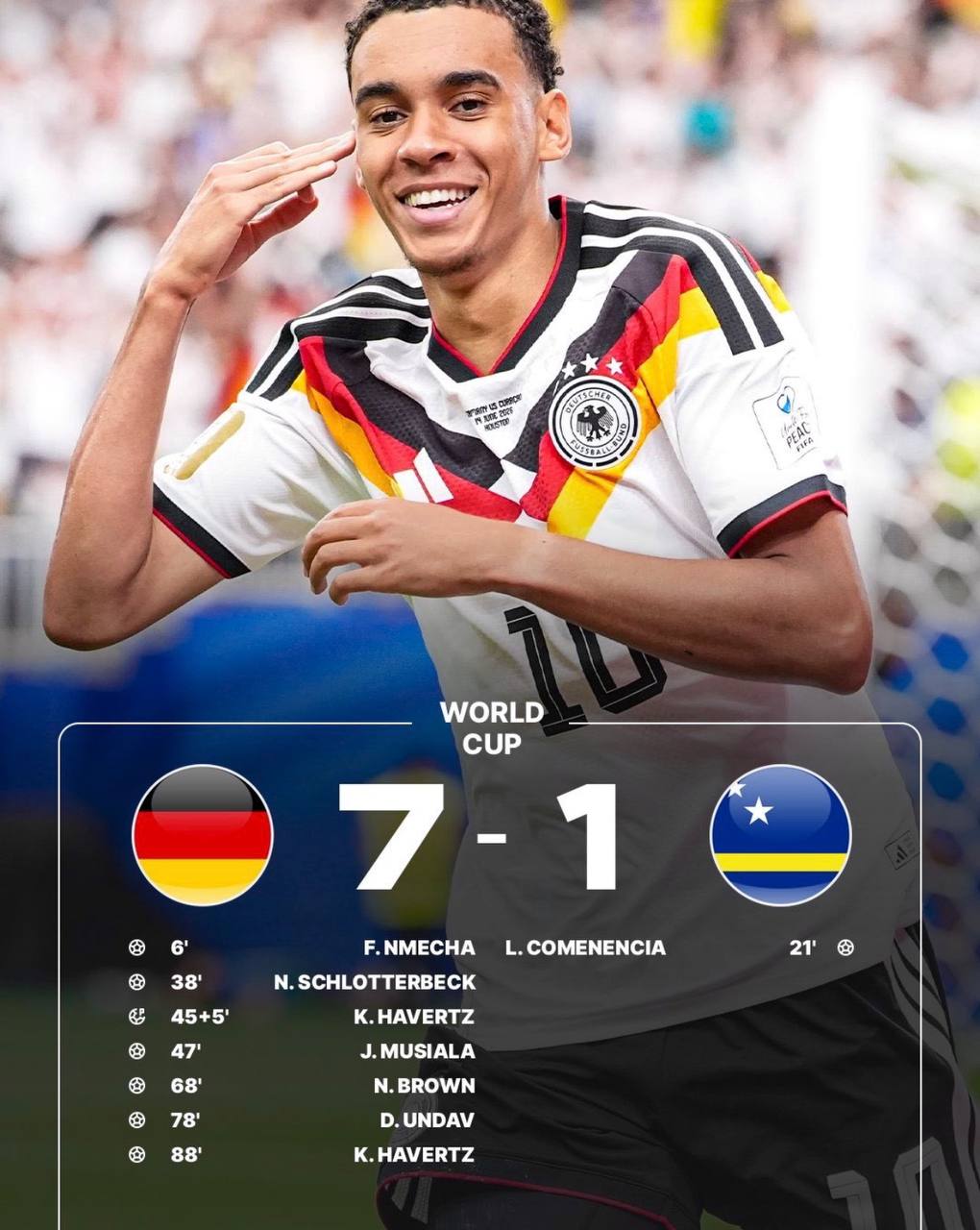




Houston Stadium witnessed two stories collide on Sunday — one of redemption, the other of pure history-making magic — and by the time the dust settled, the scoreboard read a staggering 7-1 in Germany’s favor. But don’t let the lopsided final score fool you: for about twenty minutes, this match had everyone on the edge of their seats.

The Lightning Start
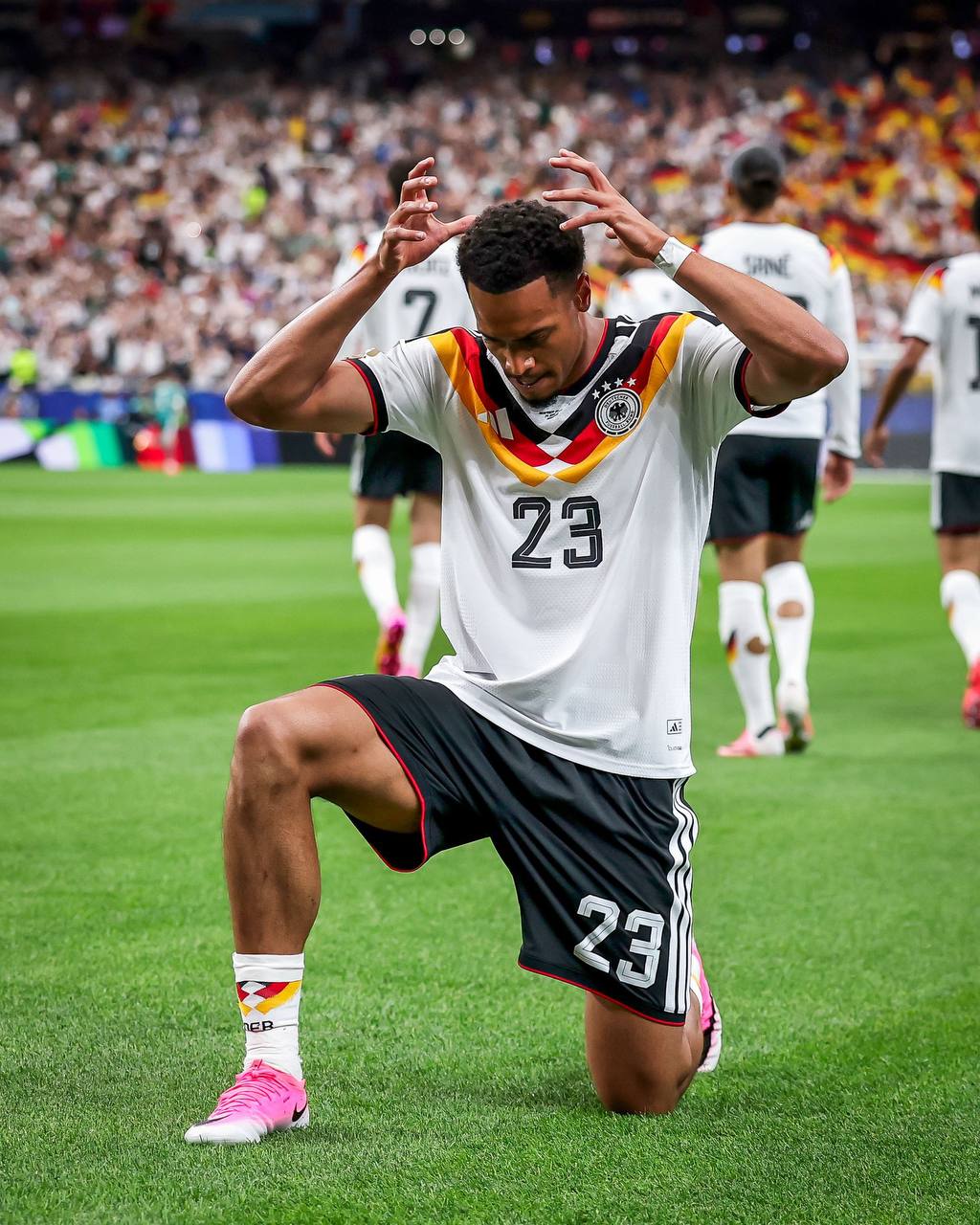
Germany wasted no time announcing their intentions. Just six minutes in, Felix Nmecha linked up with Florian Wirtz in a slick one-two before bending a shot around his marker and just inside the post. According to Opta, that strike was the fastest goal of the entire 2026 World Cup so far. The four-time champions, desperate to shake off the ghosts of two straight group-stage exits, looked like they were about to cruise.
Then Came the Fairytale
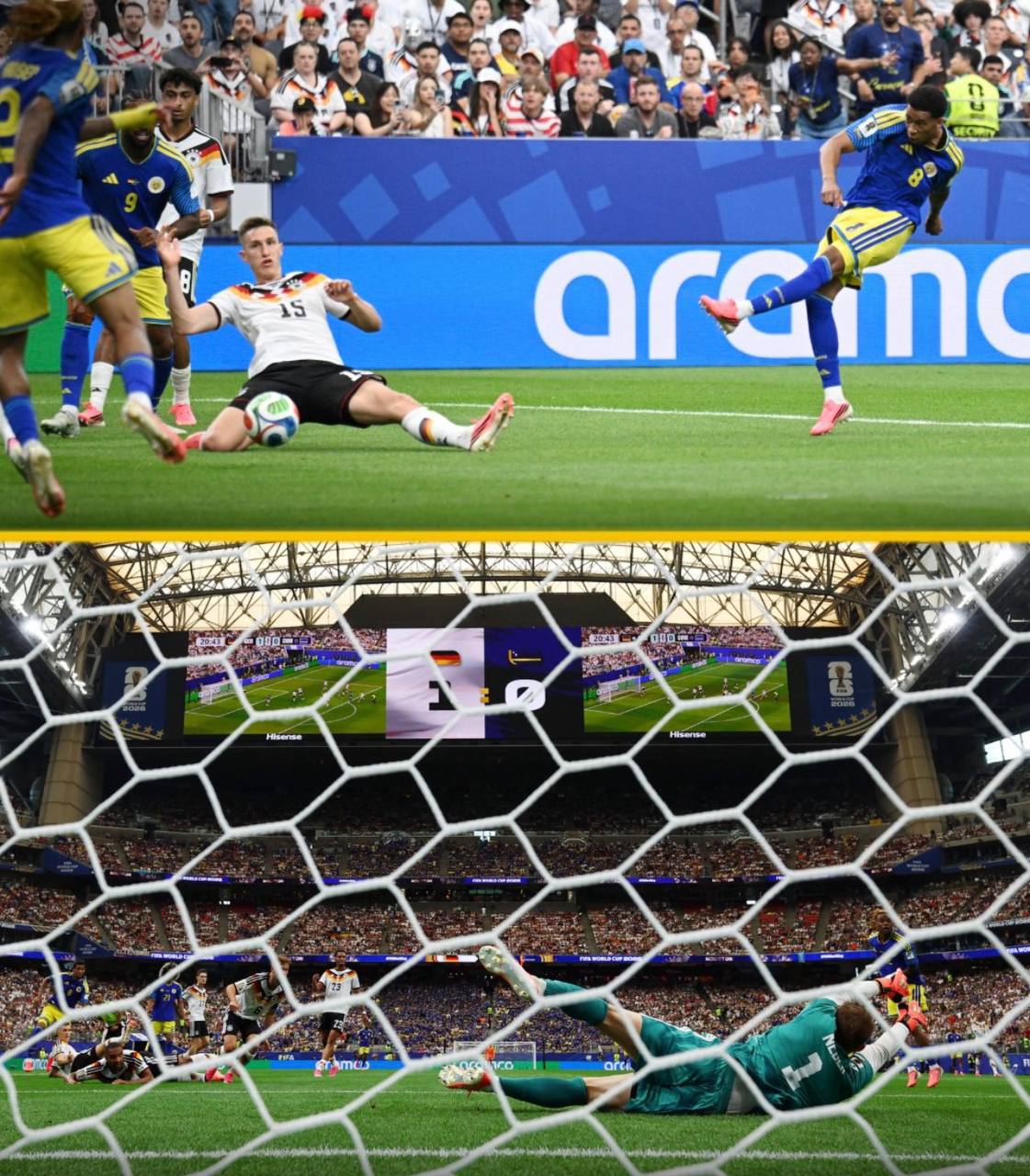
And then, Curaçao happened. The smallest nation ever to qualify for a World Cup — representing a population of roughly 160,000 people — refused to play the role of pushover. In the 19th minute, Bacuna and Comenencia started causing real trouble on the counter, and two minutes later, Livano Comenencia pounced. His initial pass was blocked, but he chased down the loose ball and fired a shot that deflected past a returning Manuel Neuer and into the net.
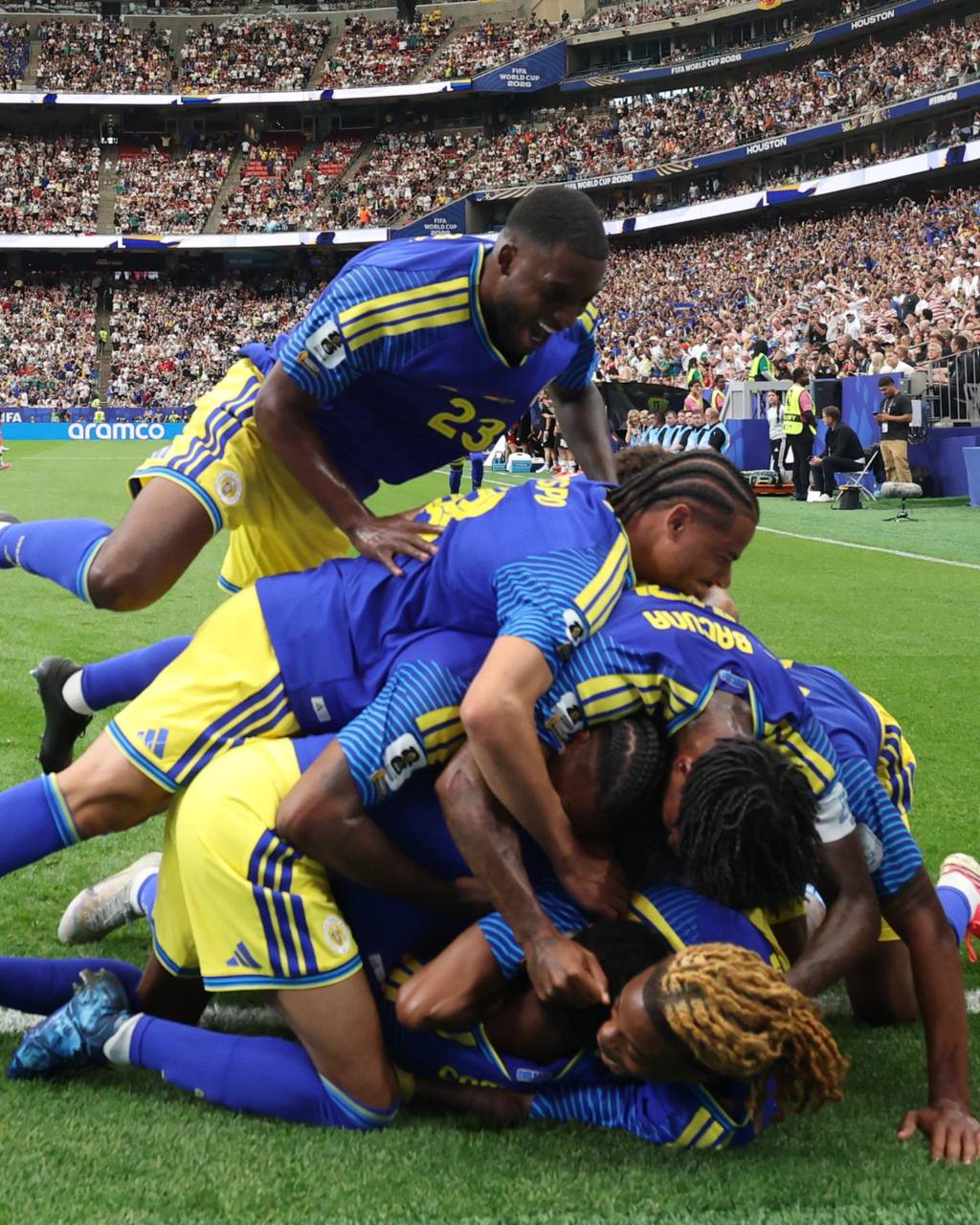
It was Curaçao’s first-ever goal at a World Cup — and the celebrations were unreal. Players mobbed Comenencia on the pitch, and in the stands, the small but mighty contingent of roughly 6,000 Curaçao fans made absolutely sure their voices were heard, turning Houston Stadium into a carnival for a few unforgettable minutes.
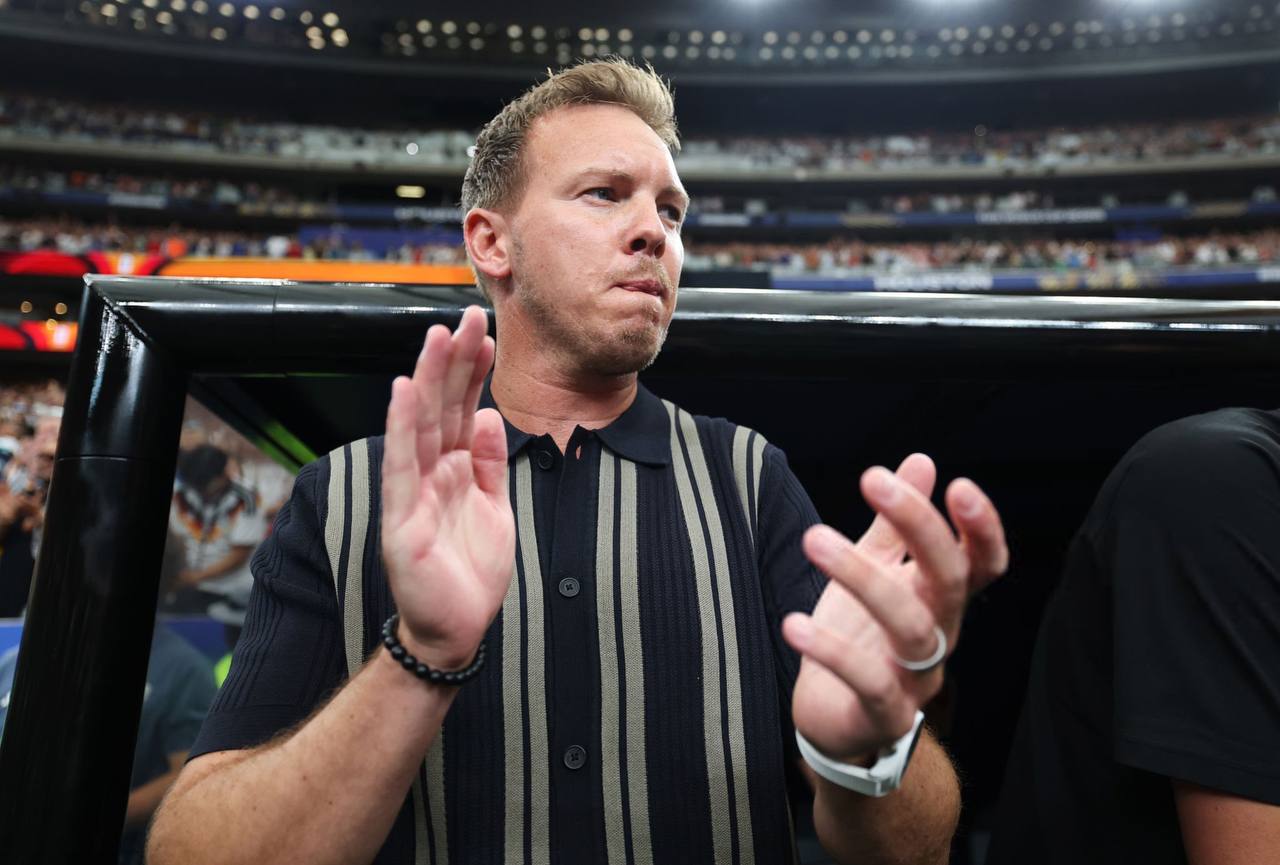
For a moment, you could feel the tension shift. Germany — fresh off a humiliating exit in 2022 — suddenly looked rattled. Nagelsmann later admitted as much, saying Curaçao earned their equalizer with essentially their first shot on goal, and it was genuinely interesting to see how his team would respond. He also acknowledged afterward that Curaçao played better than most people back in Germany had expected. ESPNESPN
Germany Find Their Gear
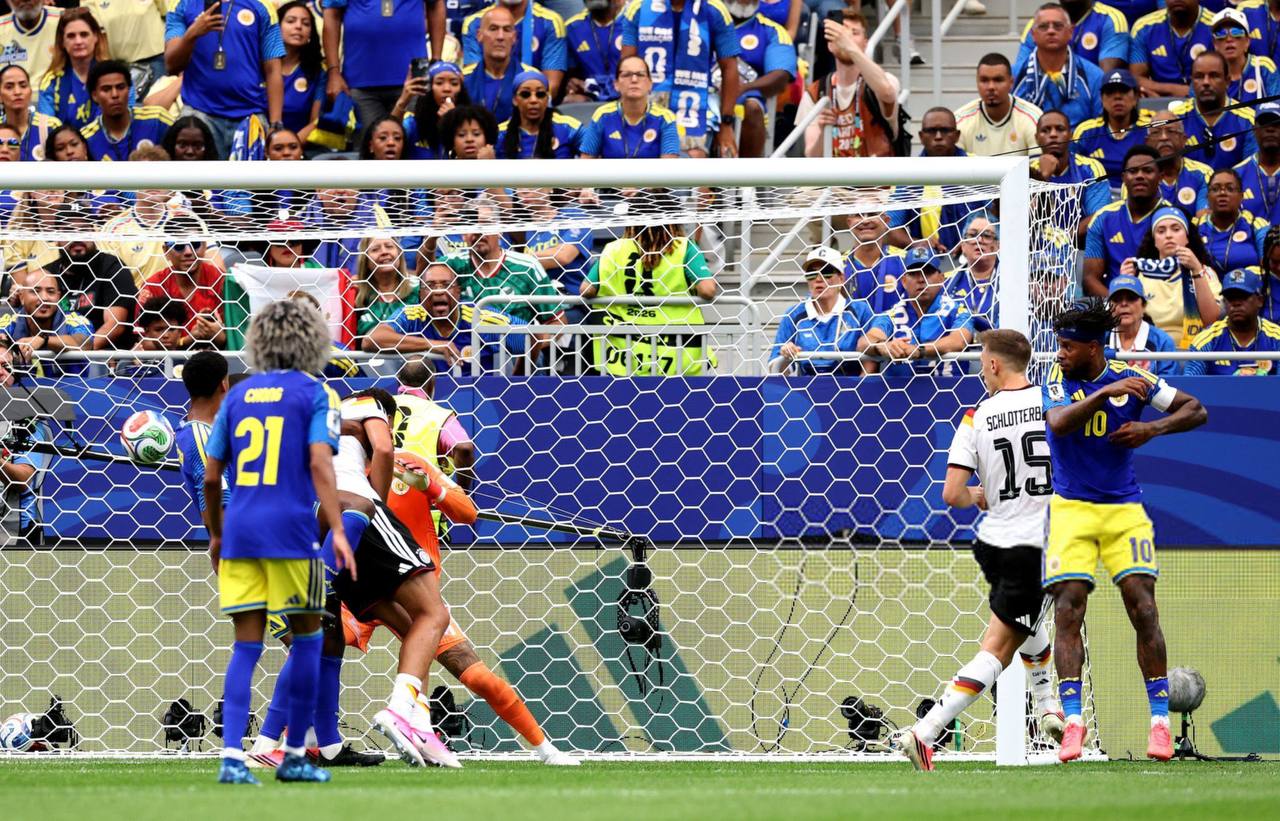
Whatever Nagelsmann said to his players during the next break in play, it worked. By the 30th minute, Germany were already knocking on the door again — Aleksandar Pavlovic had a chance blocked by Comenencia himself, and Leroy Sané fired just wide from 14 yards. Then, in the 38th minute, Nico Schlotterbeck rose above everyone to head home a pinpoint Nathaniel Brown corner, restoring the lead and visibly deflating the Curaçao resistance.
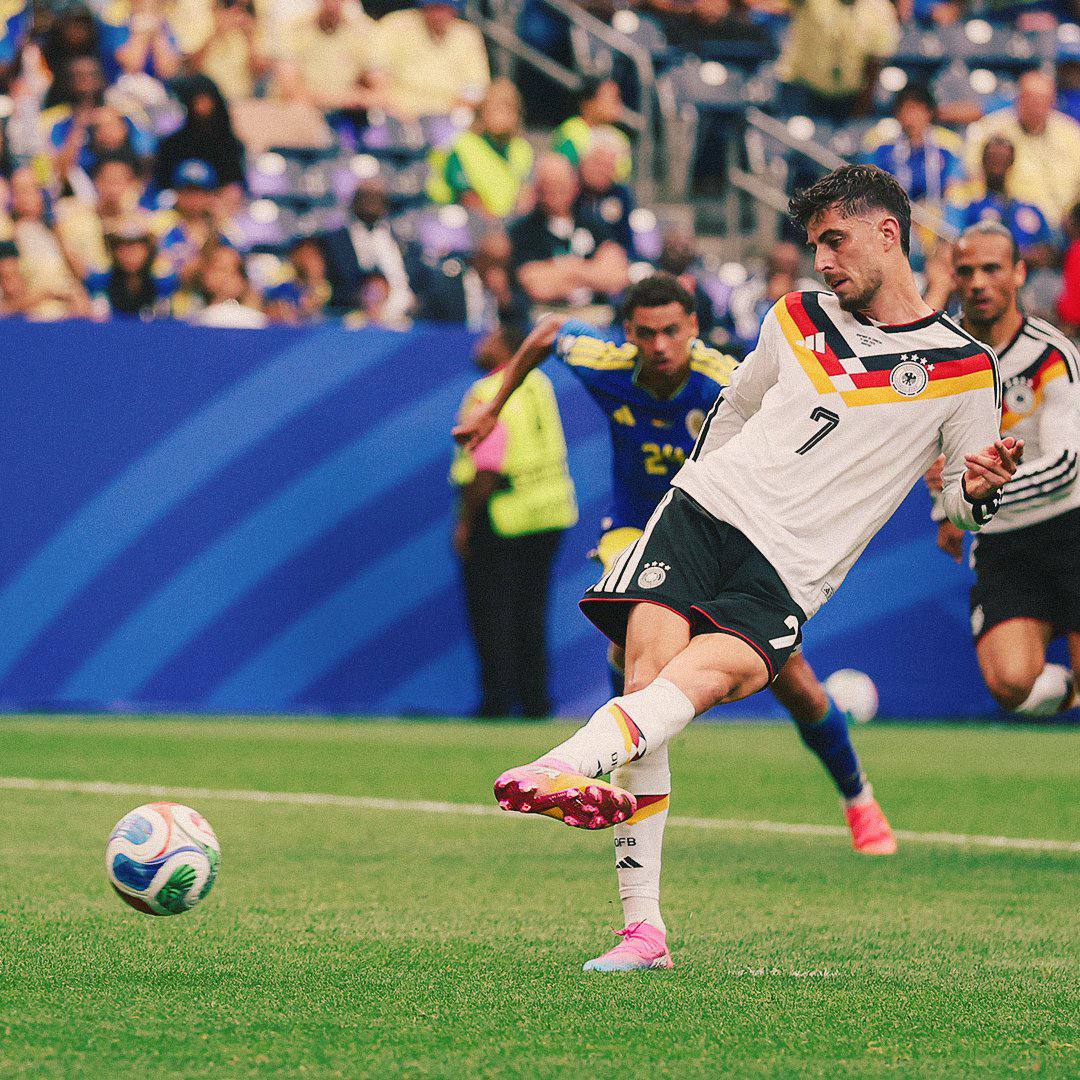
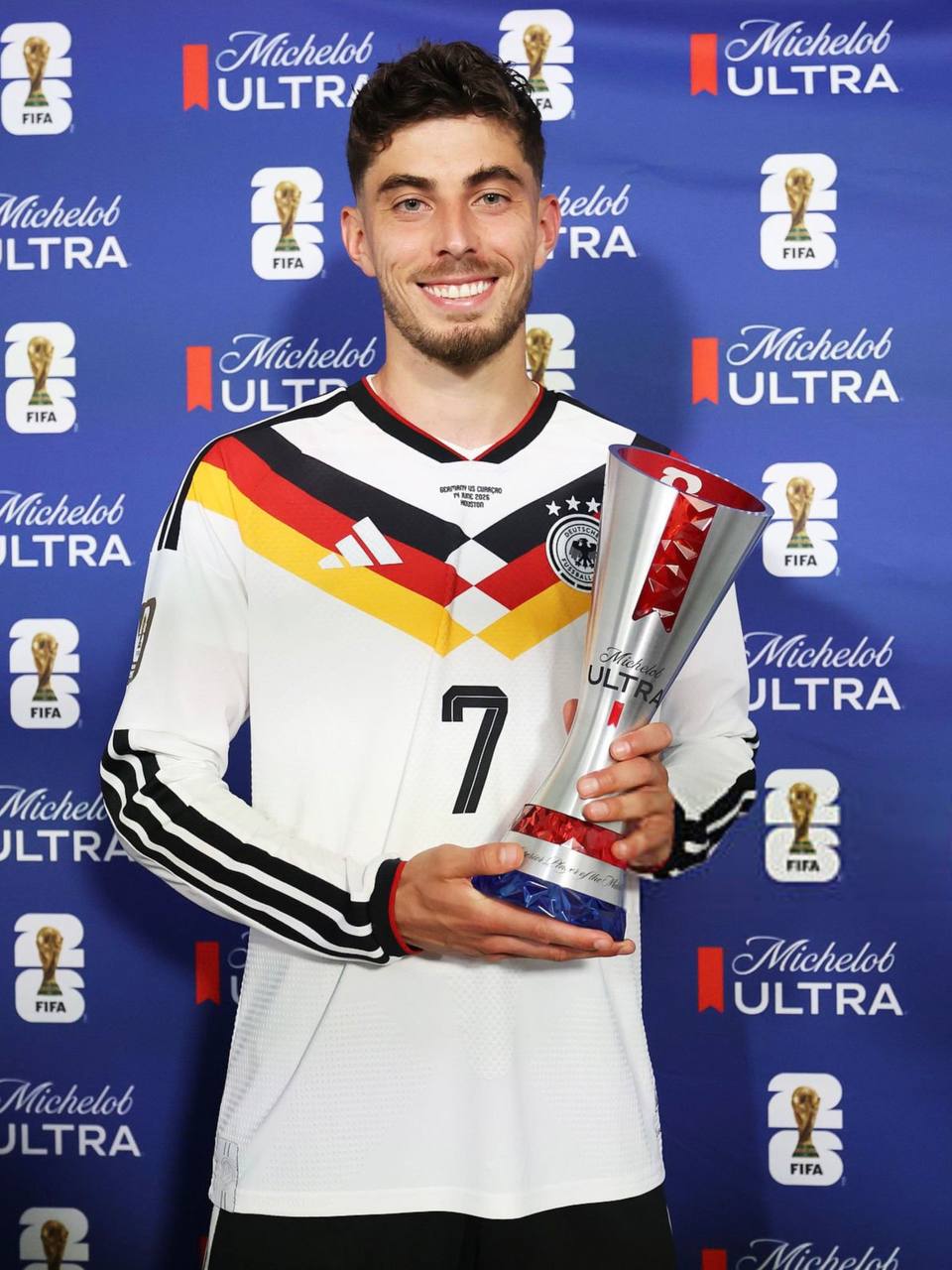
Right before halftime, Germany were handed a penalty, and Kai Havertz made no mistake, slamming it home to make it 3-1 at the break. The first-half numbers were jaw-dropping: Germany fired off 16 shots in the opening 45 minutes alone — the most by any team in a World Cup first half since Ivory Coast’s 16 against Serbia back in 2006.
The Floodgates Open
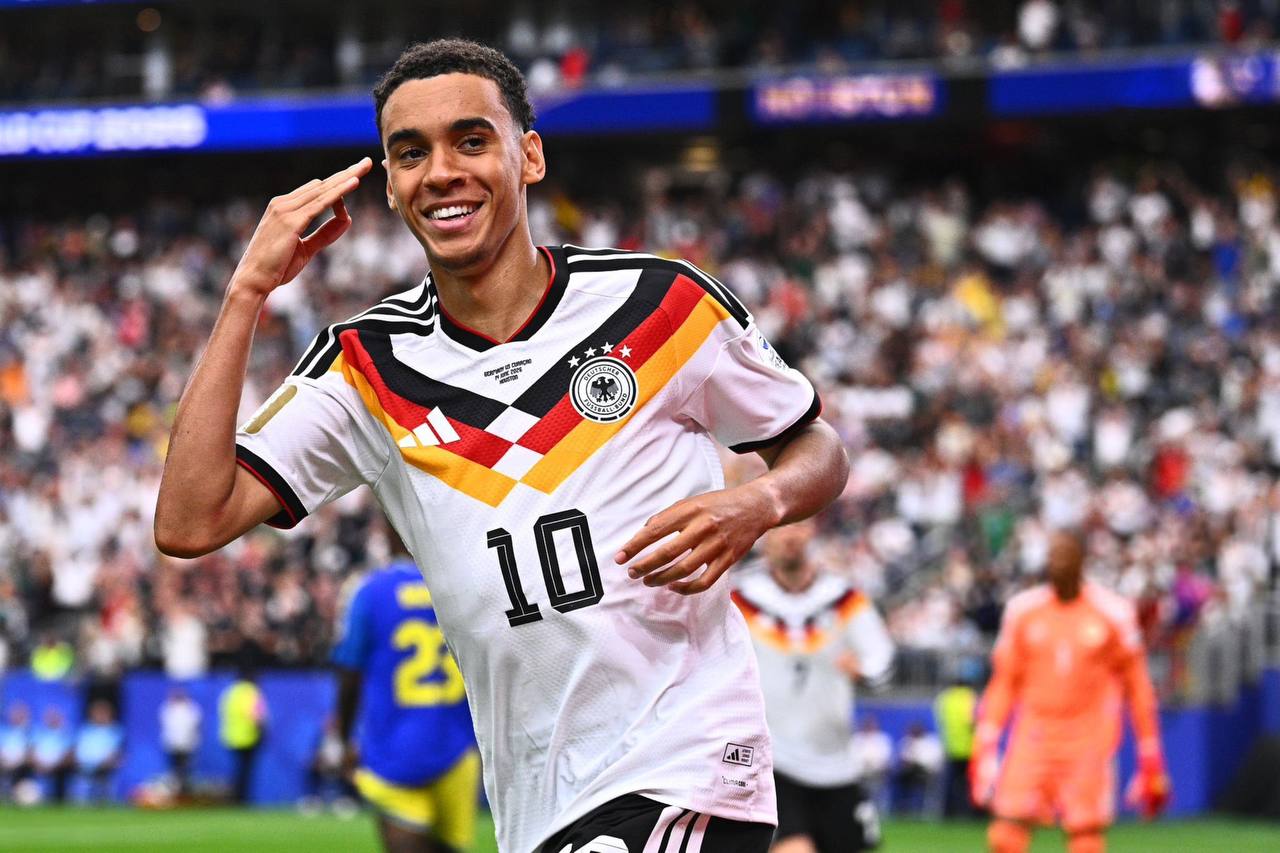
If Curaçao were hoping for a second-half regroup, it lasted exactly sixty seconds. Jamal Musiala latched onto a beautifully threaded Joshua Kimmich pass and slotted home to make it 4-1 almost immediately after the restart. From there, it was less a football match and more a German training exercise.
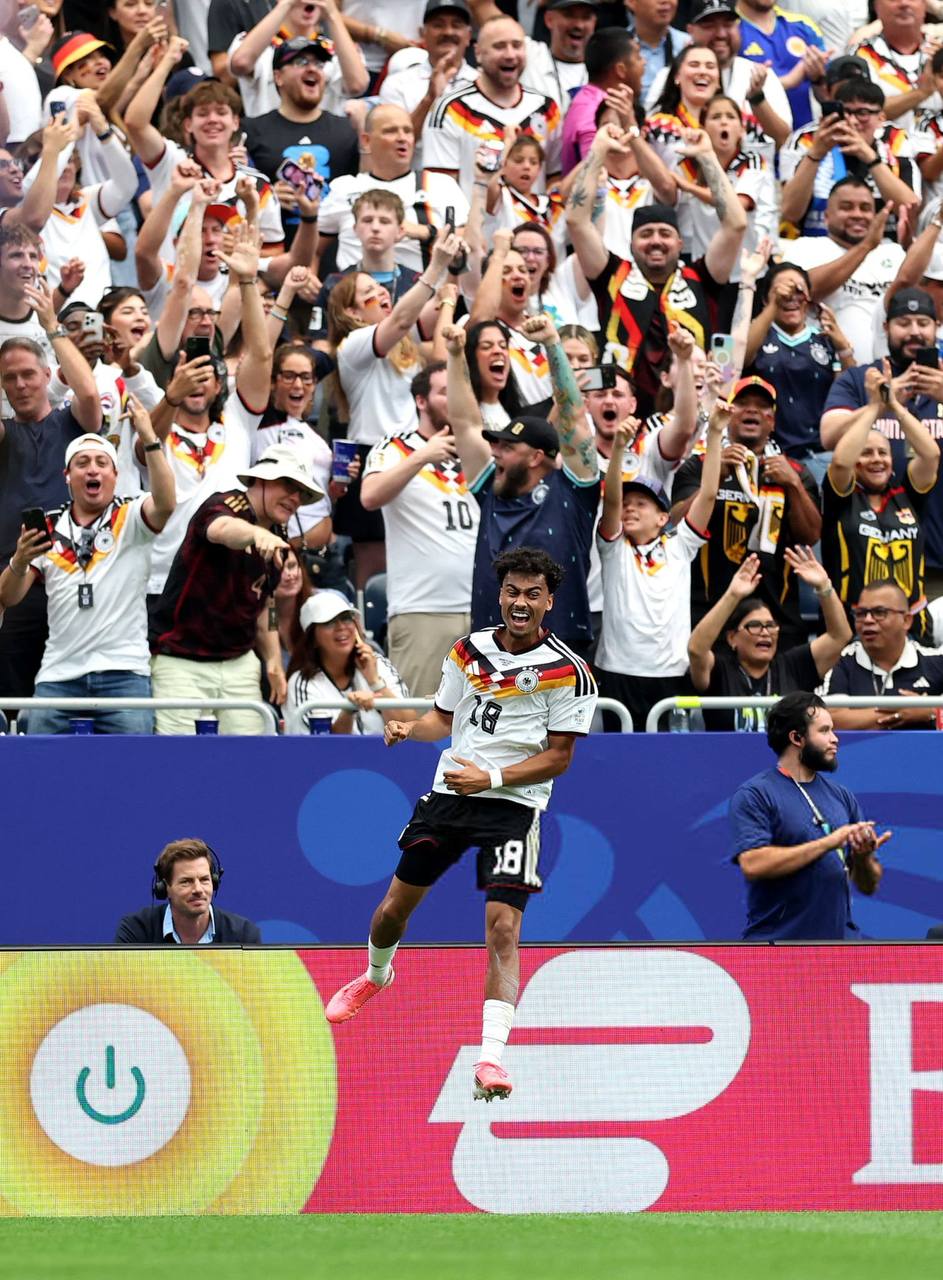
Substitute Nathaniel Brown — who was actually eligible to play for the USMNT before choosing Germany — bundled in a fifth in the 68th minute with his weaker foot.
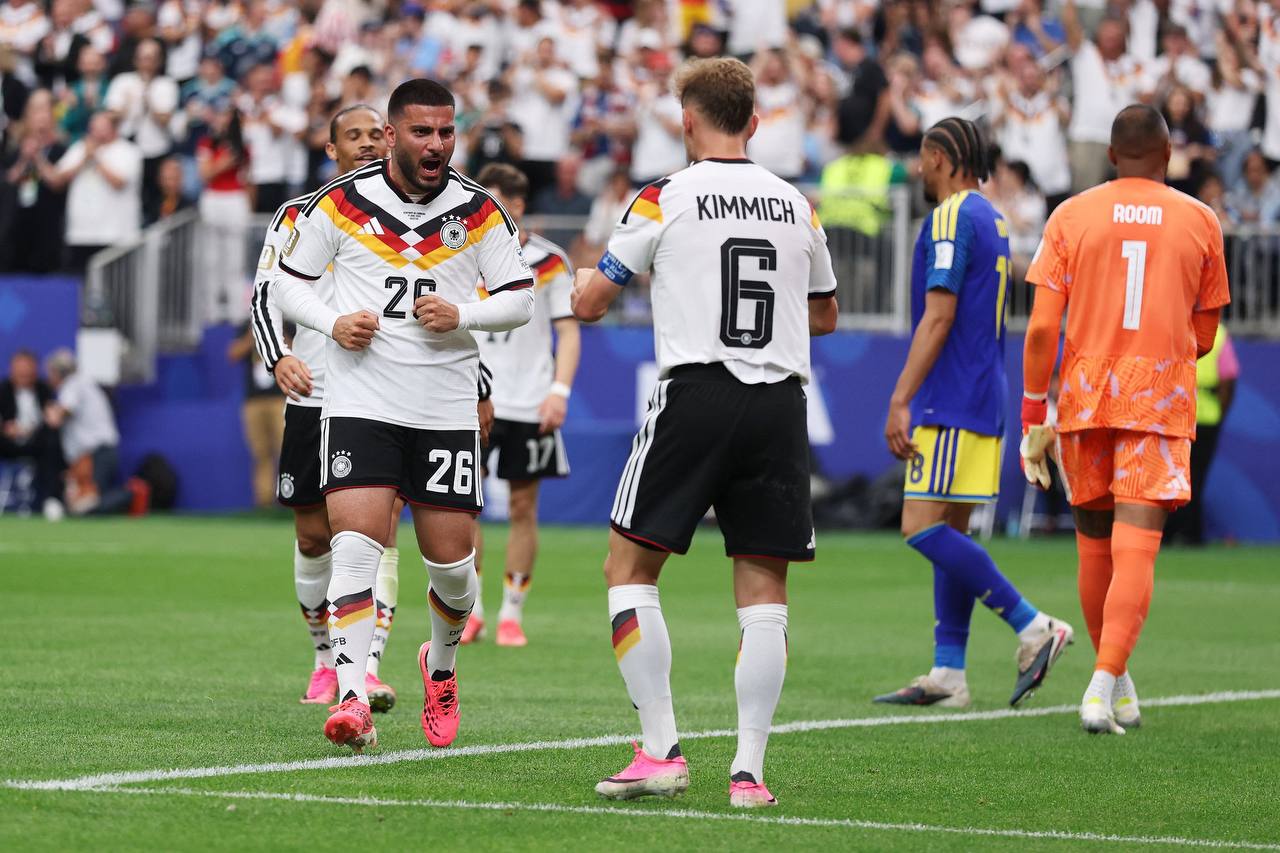
Ten minutes later, fresh substitute Deniz Undav got in on the act too, squared in by Joshua Kimmich for goal number six. And in the 88th minute,
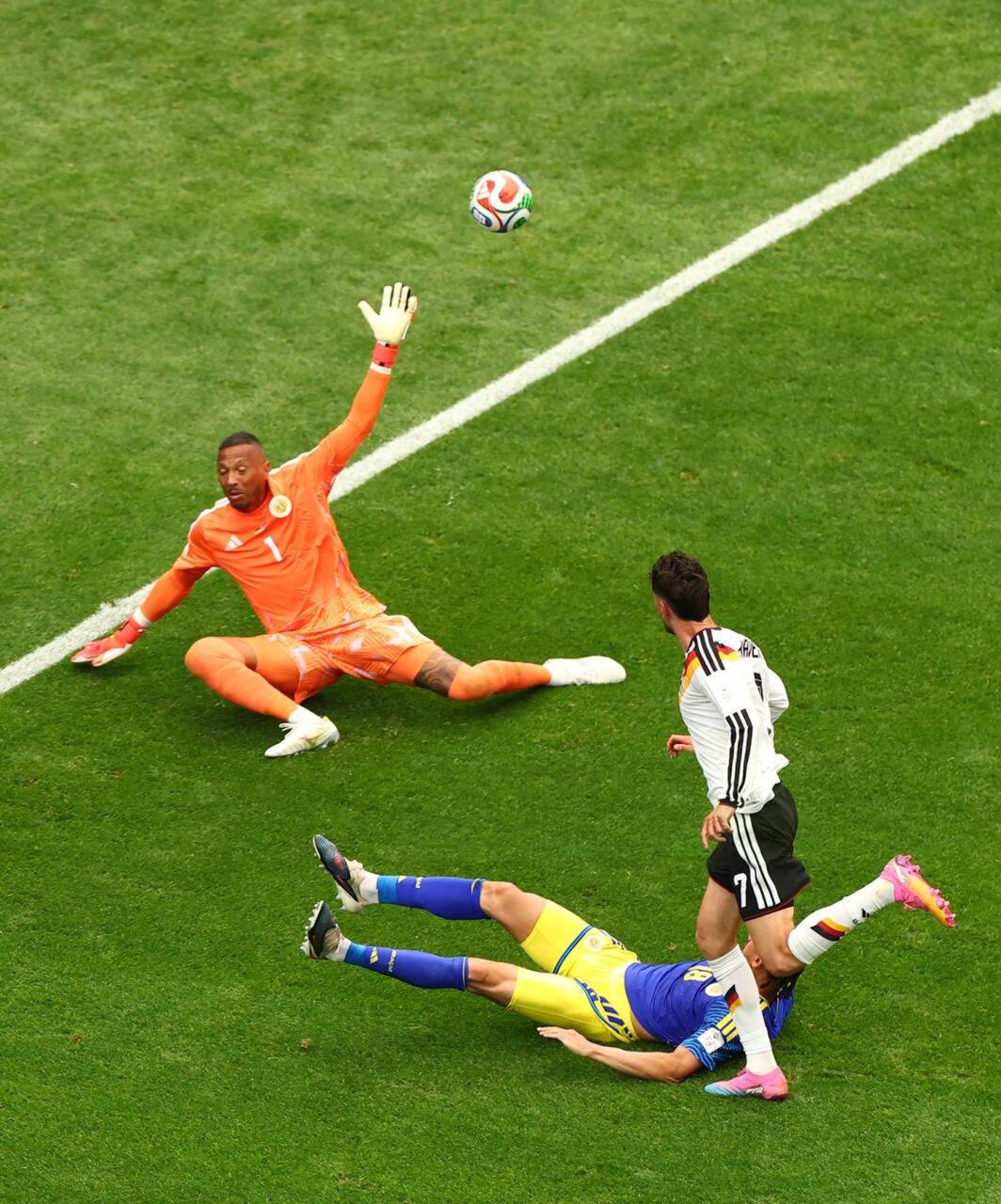
Havertz completed his brace with a touch of cheekiness, chipping the Curaçao goalkeeper to make it a full 7-1.
By the Numbers, and What It All Means
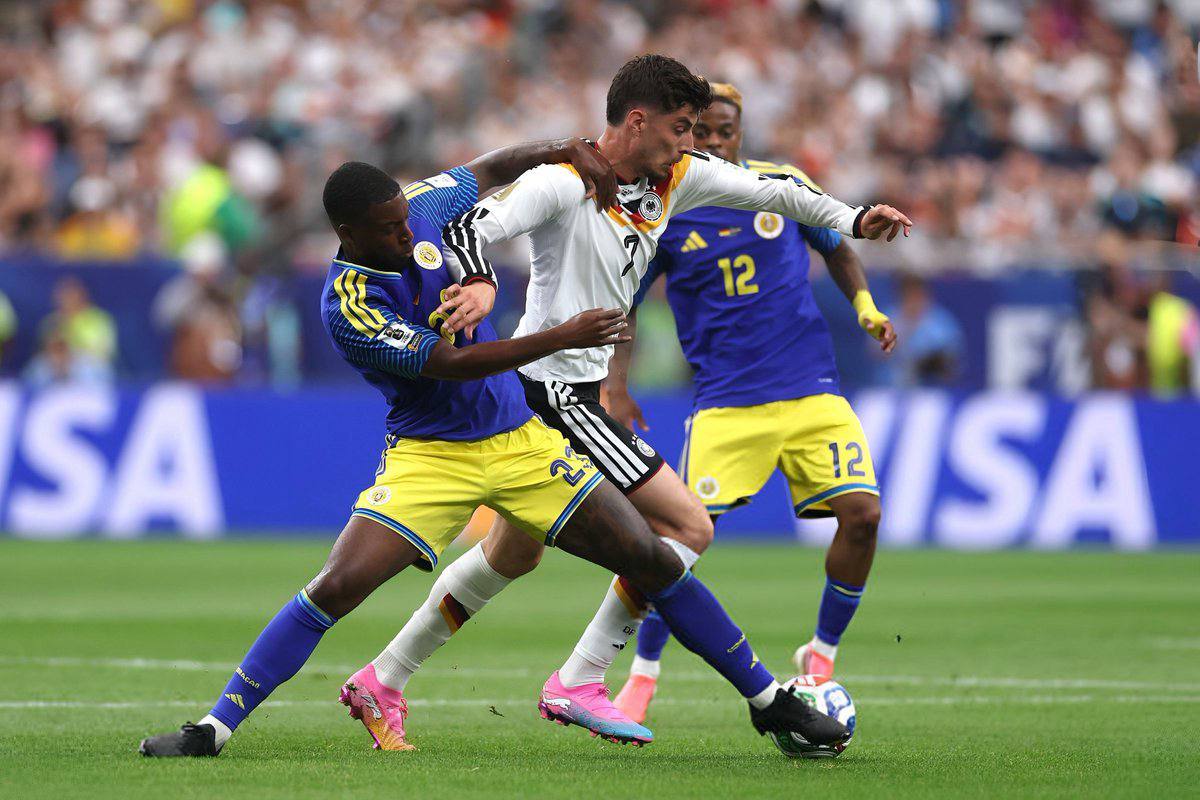
The final stats told the story of total domination: 26 shots to 8, 12 on target to just 2, and an expected-goals gulf of 3.91 for Germany versus a mere 0.4 for Curaçao. It’s the heaviest defeat for a World Cup debutant since South Korea’s 9-0 loss to Hungary all the way back in 1954 — and Germany’s biggest win at a World Cup since their iconic 7-1 demolition of Brazil in the 2014 semi-final.
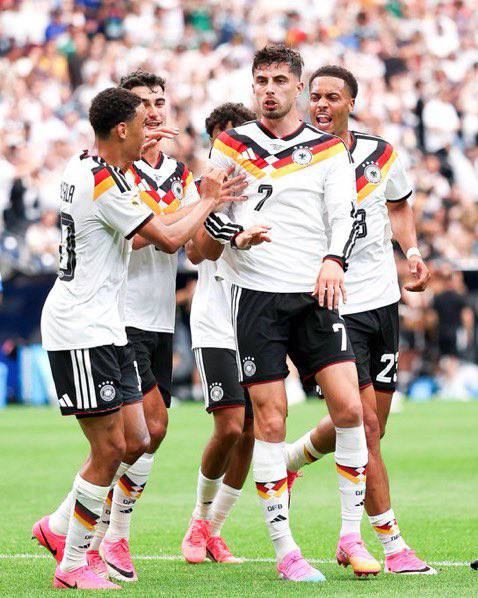
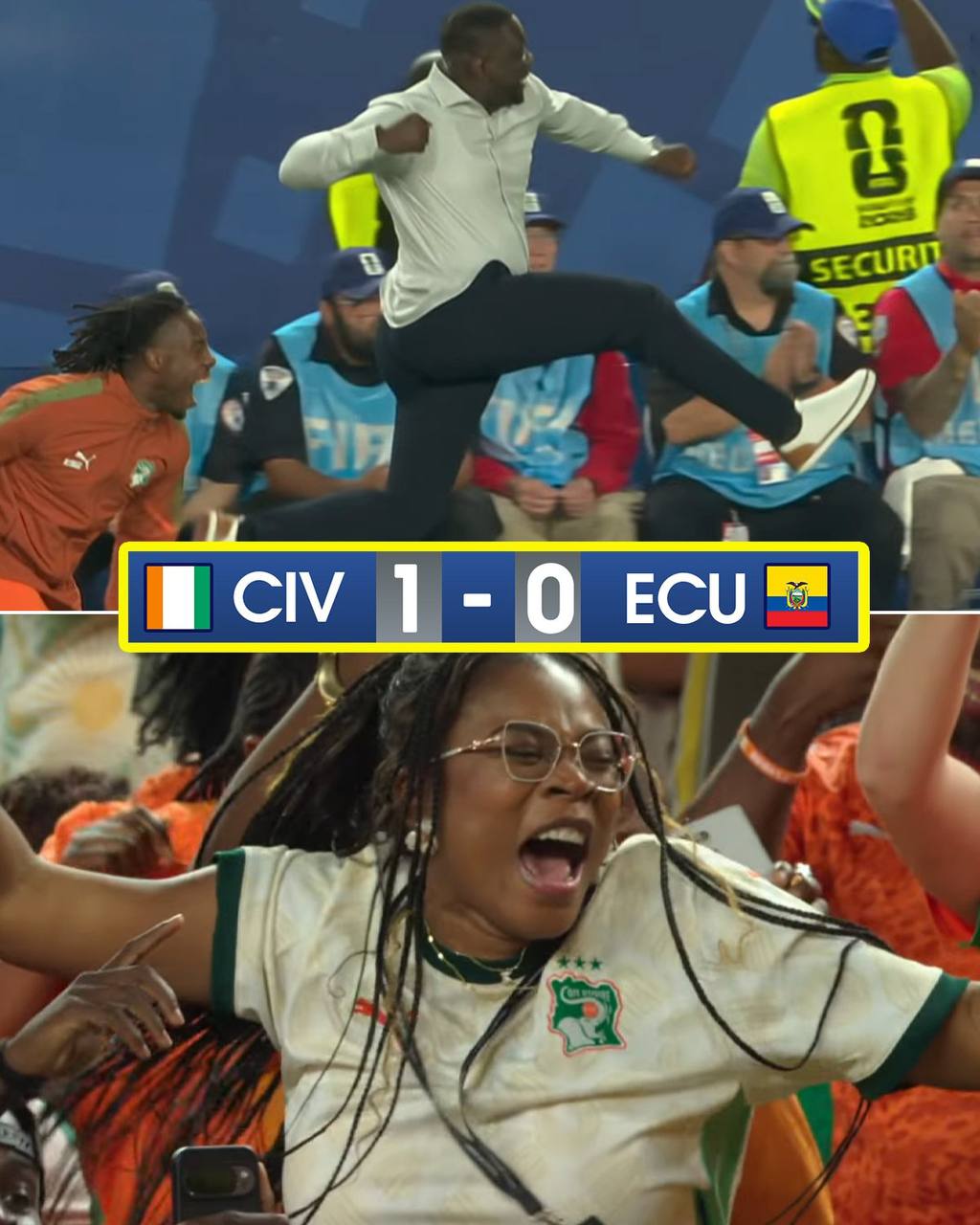
For Germany, the symbolism wasn’t lost on anyone. Nagelsmann called it exactly the kind of confidence-boosting result his team needed after back-to-back group-stage disasters, while being careful to add that tougher opponents are coming and there’s still plenty to improve. Up next: a date with Ivory Coast, which should tell us a lot more about whether this was the real Germany — or just Germany feasting on a debutant.
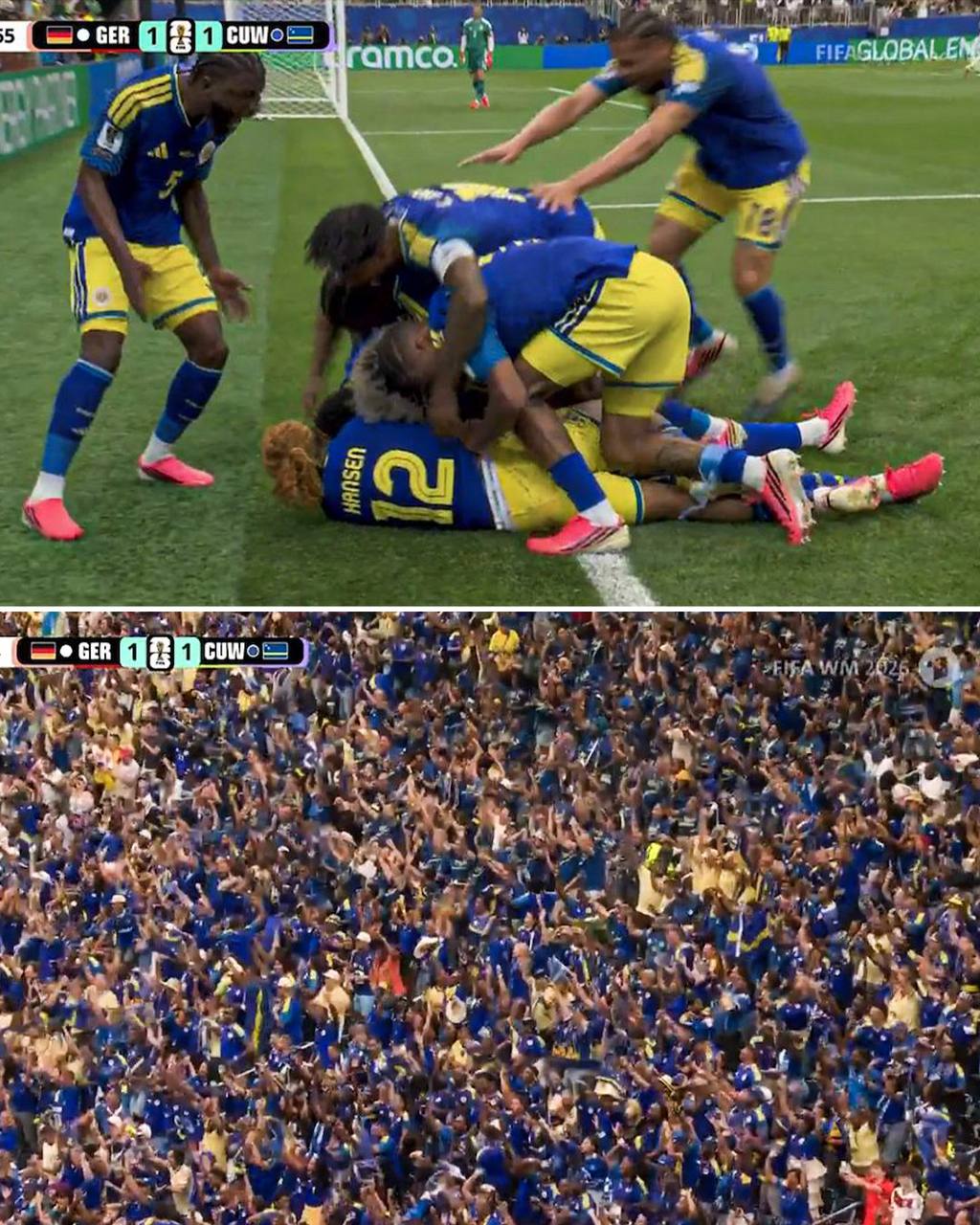
But for Curaçao, scorelines won’t define this day. Comenencia’s name is now etched into football history forever, and an entire island nation watched their team not just qualify for, but score at, the World Cup. Sometimes losing 7-1 can still feel like winning.
A Moment Bigger Than the Scoreline
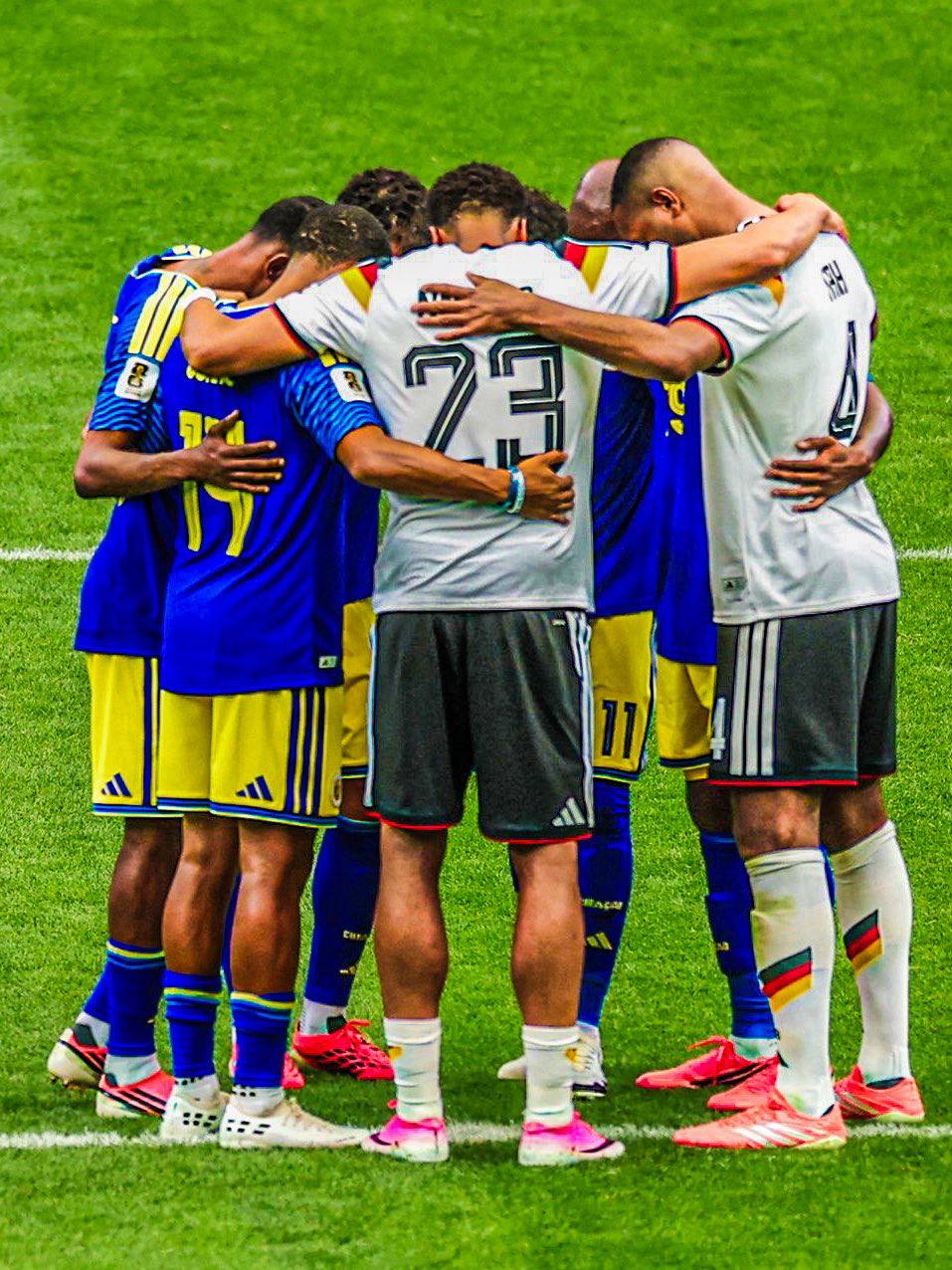
But perhaps the most lasting image from this game had nothing to do with the goals at all. After the final whistle, with the scoreboard reading a brutal 7-1, something remarkable happened on the pitch: Germany’s Jonathan Tah and Felix Nmecha walked over and joined several Curaçao players in a post-match prayer circle. The two German internationals put the rivalry aside to share a moment of faith and sportsmanship with the very players they’d just demolished, and footage of the huddle quickly went viral across social media.That, perhaps, is the real beauty of the game: no matter the scoreline, football has a way of bringing people together once the whistle blows.
Man of the Match: Kai Havertz