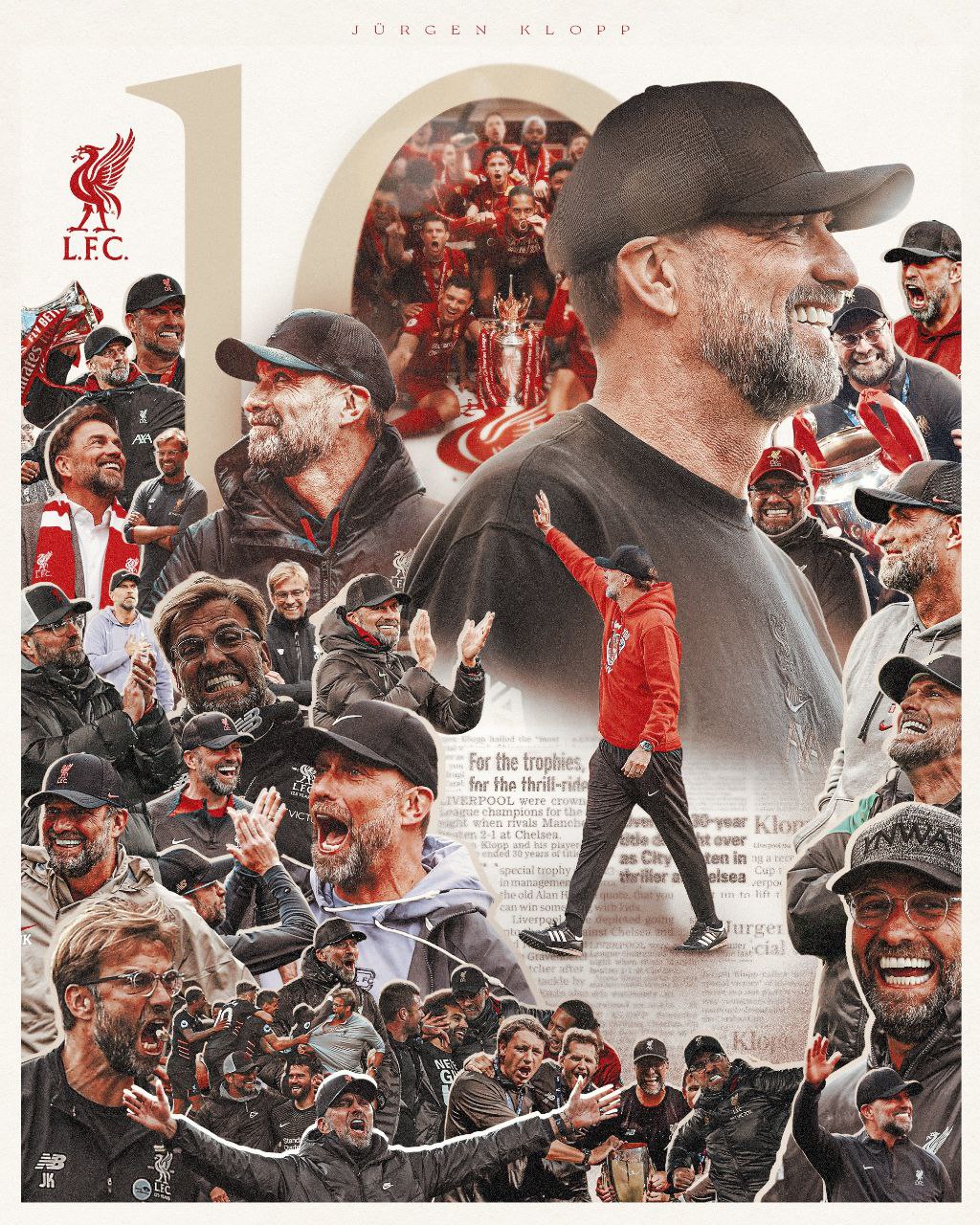


Ten years ago, Jürgen Klopp walked into Anfield with a promise to turn doubters into believers. Nearly a decade later, his era has become one of the most defining chapters in Liverpool’s modern history. Klopp did more than just deliver silverware; he restored pride, identity, and purpose to one of football’s greatest institutions.

Beginnings: Setting the Foundation (2015–2017)
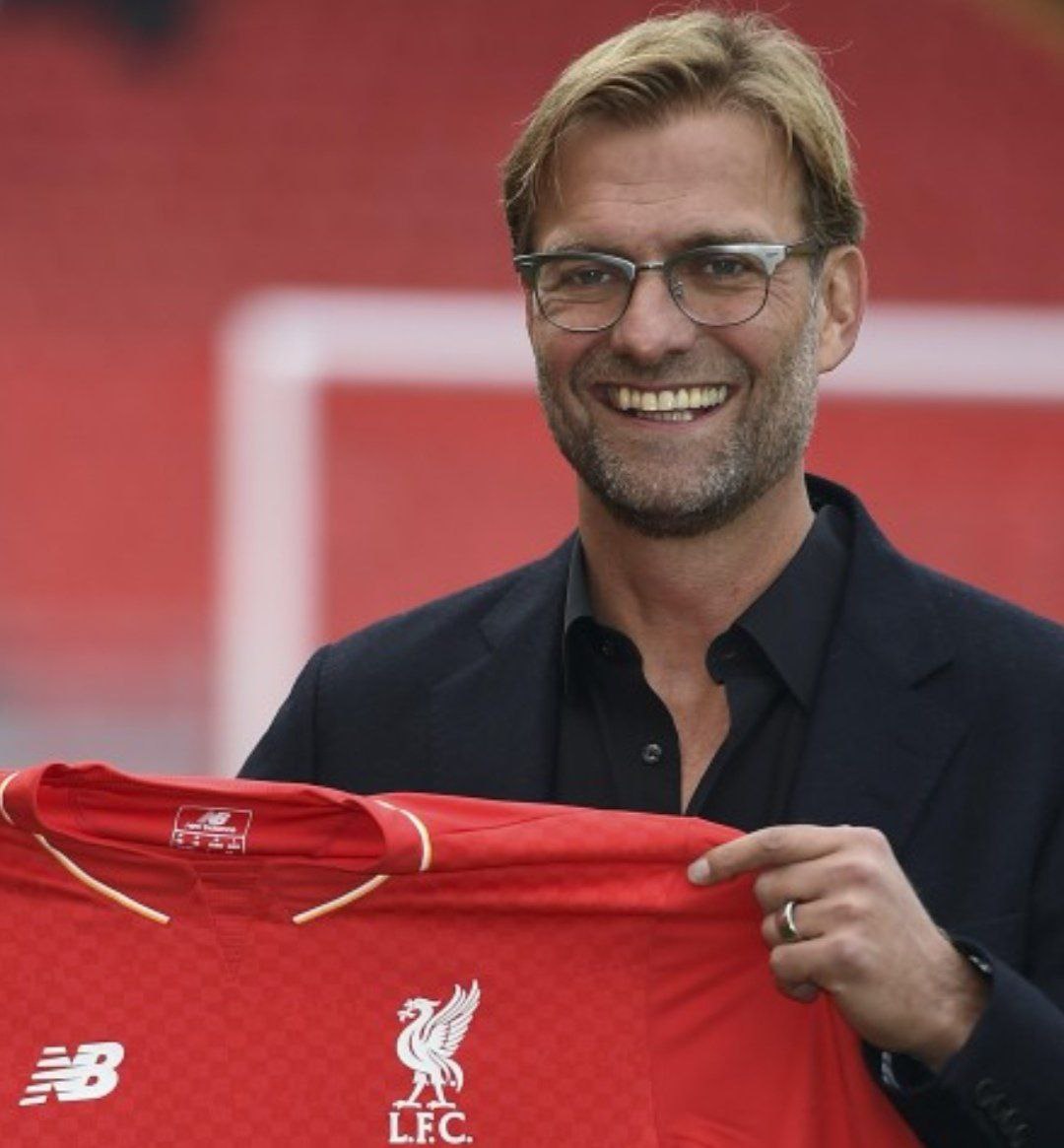
When Klopp arrived in October 2015 to replace Brendan Rodgers, Liverpool were a side in transition, talented, but lacking direction. His early days were filled with energy and enthusiasm, as he set about instilling his famous “gegenpressing” philosophy built on intensity, teamwork, and emotion. Liverpool reached two finals in his first season, the League Cup and Europa League but fell short in both. Yet, these early setbacks were part of the process that transformed Liverpool into a force to be reckoned with. The manager’s charisma and belief slowly began to infect the club and its supporters.
Breakthrough and Glory (2018–2020)
Klopp’s Liverpool soon turned potential into results. The 2018–19 season brought European glory as the Reds conquered Tottenham Hotspur in the Champions League final, lifting their sixth European Cup. The following year delivered the long-awaited Premier League crown. After a 30-year wait, Liverpool stormed to the 2019–20 title with a staggering 99 points, dominating the league and rekindling memories of their most glorious days. That golden period also saw Liverpool win the UEFA Super Cup and the FIFA Club World Cup, confirming their place among the world’s elite.
Under Klopp, Liverpool became synonymous with consistency and competitiveness. Even in seasons when they finished second, such as 2018–19 and 2021–22, the Reds amassed incredible points totals that would have secured titles in almost any other era. The rivalry with Manchester City became one of football’s modern classics, defined by narrow margins and mutual respect between two tactical masters. Anfield itself became a fortress, boasting long unbeaten runs and unforgettable nights. Iconic moments such as the 4–0 comeback over Barcelona and the 7–0 demolition of Manchester United have become part of Liverpool folklore.
Challenges and Setbacks
Success was not without its struggles. Klopp often had to navigate injury crises, squad fatigue, and limited financial resources compared to rivals. Key players such as Virgil van Dijk and Mohamed Salah faced spells on the sidelines in crucial campaigns. Despite these hurdles, Klopp’s Liverpool continued to play with heart and resilience, maintaining their identity even in difficult times. The 2020–21 season, for instance, tested his tactical flexibility, as injuries forced him to rebuild his defensive line on a fly, yet Liverpool still secured a top-four finish.
Final Chapter
In January 2024, Klopp shocked the football world by announcing his decision to step down at the end of the season. Despite the emotional farewell tour, Liverpool remained competitive. The Reds lifted the Carabao Cup in February 2024, beating Chelsea thanks to Virgil van Dijk’s late header. Although they fell short in other competitions, Klopp’s final season was marked by an outpouring of gratitude and admiration. On May 19, 2024, he managed his last game, a 2–0 victory over Wolves at Anfield. The atmosphere that day reflected the bond between Klopp and the fans, who knew they were saying goodbye to a legend.
Achievements at Liverpool

During his remarkable tenure, Klopp guided Liverpool to numerous trophies and records that solidified the club’s place among Europe’s elite. His major honours include:
Premier League (1) – 2019/20
UEFA Champions League (1) – 2018/19
FA Cup (1) – 2021/22
EFL/Carabao Cup (2) – 2021/22, 2023/24
FA Community Shield (1) – 2022
UEFA Super Cup (1) – 2019
FIFA Club World Cup (1) – 2019
Klopp’s total of eight major trophies marks him as one of the most successful and influential managers in Liverpool’s history. Beyond the titles, his era will forever be remembered for the footballing philosophy, passion, and unity he brought back to Anfield.